The Ultimate Guide to Water Pipe Insulation: Safeguard Your Home with Confidence
Homeownership comes with an exciting list of responsibilities and opportunities—one of which is ensuring that your plumbing system is up to snuff. Among the numerous home improvement options available, water pipe insulation stands out as a particularly impactful choice. We typically don’t think about our home’s pipes until something goes amiss. Efficient and adequately installed pipe insulation not only protects your pipes but adds a layer of safety and efficiency to your home. Understanding how this system works, its advantages, and potential drawbacks, will arm you with knowledge, reinforcing your role as a confident, informed homeowner.
Understanding Water Pipe Insulation
Water pipe insulation is akin to wrapping a protective blanket around your plumbing system. Essentially, it’s a material that envelops your pipes to prevent heat loss from hot water pipes and combats condensation and freezing in cold water pipes. Varied materials such as polyethylene, rubber, and fiberglass serve as the primary insulators, each offering a distinct set of qualities. A properly insulated plumbing system performs efficiently year-round, saving energy and extending the lifespan of your pipes.
How Water Pipe Insulation Works
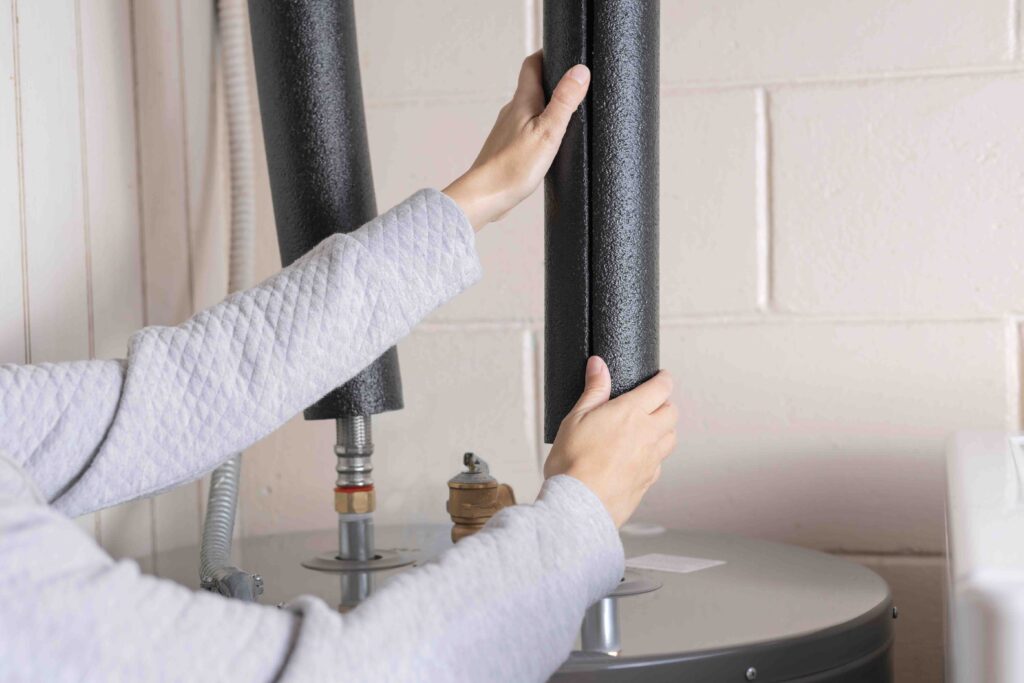
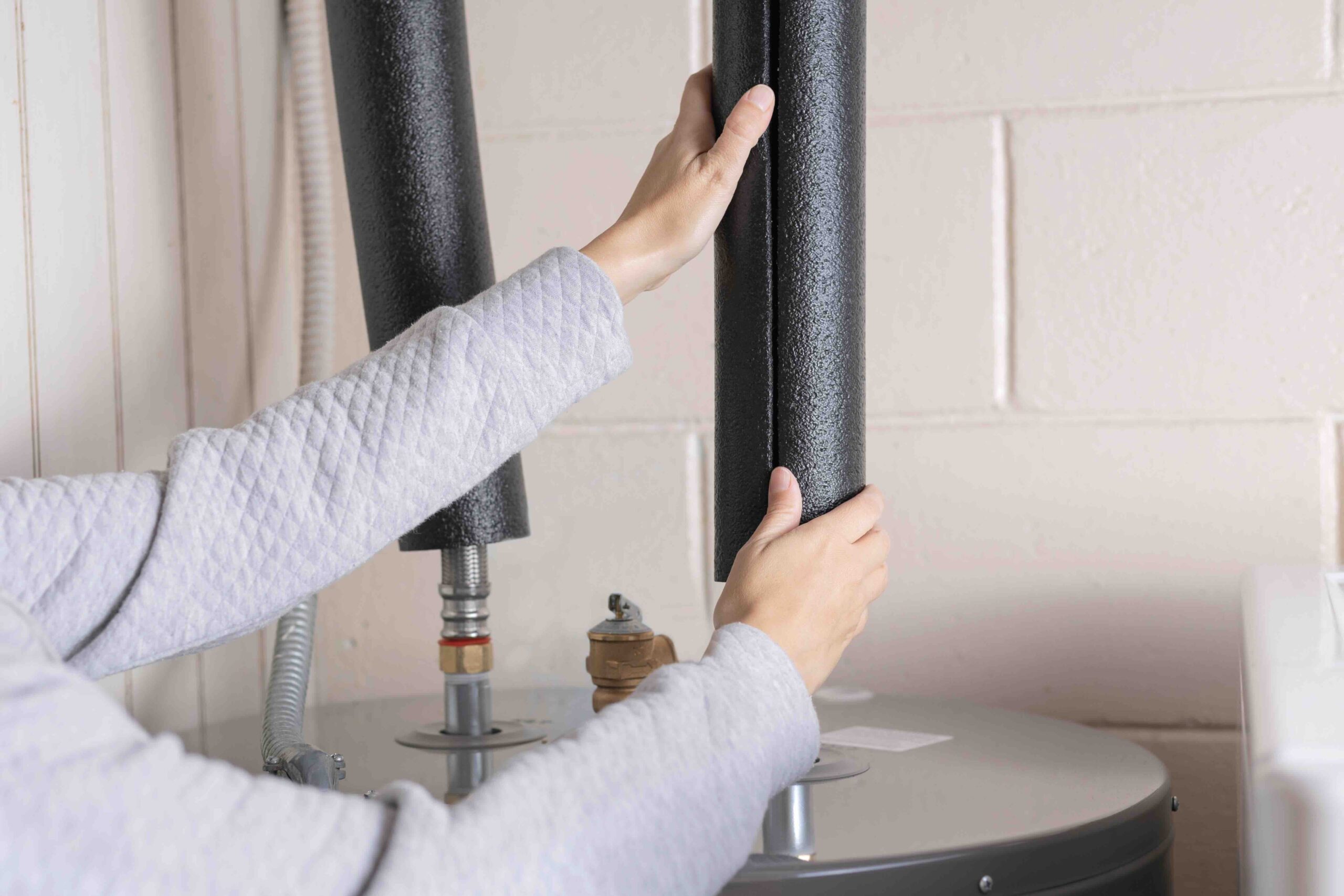
The mechanism is elegantly simple: by acting as a buffer between your pipes and the temperature extremities of the environment, insulation material maintains a stable temperature within. Hot water pipes retain more heat, effectively reducing energy used to heat water. Cold water pipes, conversely, are safeguarded against freezing temperatures and the resultant potential for bursts. Insulation comes in a variety of forms—from foam tubing to more rigid sheaths—designed to fit snuggly over pipes, thus preventing thermal exchange efficiently.
Key Advantages of Water Pipe Insulation
The advantages here are plentiful. To start, insulation diminishes heat loss dramatically, resulting in noticeable energy savings for your water heating applications. It effectively tackles the dreaded chilly wait for hot water at faucets, making for swift, comfortable access. Insulating pipes reduces condensation, and subsequently, the potential for moisture-related issues in attics, basements, or crawl spaces. Moreover, during cold spells, insulated pipes are far less likely to freeze—a scenario no homeowner desires to face.
Common Drawbacks to Consider
No solution is without its potential pitfalls. While the benefits of pipe insulation are significant, drawbacks do exist. For instance, some materials can be susceptible to damage over time and may necessitate periodic checks and replacements. Incorrect installation can lead to inefficiencies, negating the advantages entirely. Furthermore, certain insulation materials may not be suited to exceptionally high or low external temperatures—consistent evaluation and expert advice is necessary to ensure optimal selection and application.
Installation Tips for Water Pipe Insulation
Should you choose to take the DIY route, there are a few key considerations that warrant attention. First and foremost, ensure you’re selecting the correct type and size of insulation material for your specific pipe dimensions and climate conditions. When installing, focus on a snug fit and secure placement—use of adhesive tape can assist in tightly sealing the insulation. Obstructions such as joints and bends in pipes require special attention and custom cutting. While undertaking a project like this can be rewarding, don’t hesitate to consult with professional services if the complexity seems daunting.
Regular Maintenance and Care
With the installation complete, ongoing maintenance is crucial to ensuring long-term efficacy. Inspect the insulation occasionally for signs of wear, damage, or disintegration. These indicators warrant timely replacement or repairs. During seasonal changes, check for potential gaps or shifts in the insulation that might occur due to pipe movement or environmental factors. Staying on top of your inspection routine saves you from unexpected issues related to insulation failure.
Protect Your Home For the Long Haul
Investing in quality water pipe insulation is a wise step towards ensuring your home runs efficiently, safely, and economically. Shield your house from avoidable risks with this simple yet effective enhancement. Just as in safeguarding with a home warranty, consider partnering with Armadillo to protect all your home systems. With a plan tailored to your needs, you can rest easy knowing your home is covered, come what may. Start your journey toward peace of mind by visiting the plan builder today.