That Wet Spot on Your Bathroom Ceiling Is Telling You Something
You walk into a room downstairs and notice a discolored patch spreading across the ceiling directly below your upstairs bathroom. Maybe it is soft to the touch, or there is a faint drip that appears only when someone flushes the toilet. It feels minor at first — easy to dismiss, easy to ignore. But a toilet ceiling leak is rarely a small problem. It is typically a signal that something in your plumbing system has quietly been failing for a while, and the ceiling stain is just the most visible consequence. Understanding what causes this issue, how to address it, and what kind of protection can help you manage the costs puts you in a much stronger position as a homeowner.
What Actually Causes a Toilet to Leak Through the Ceiling
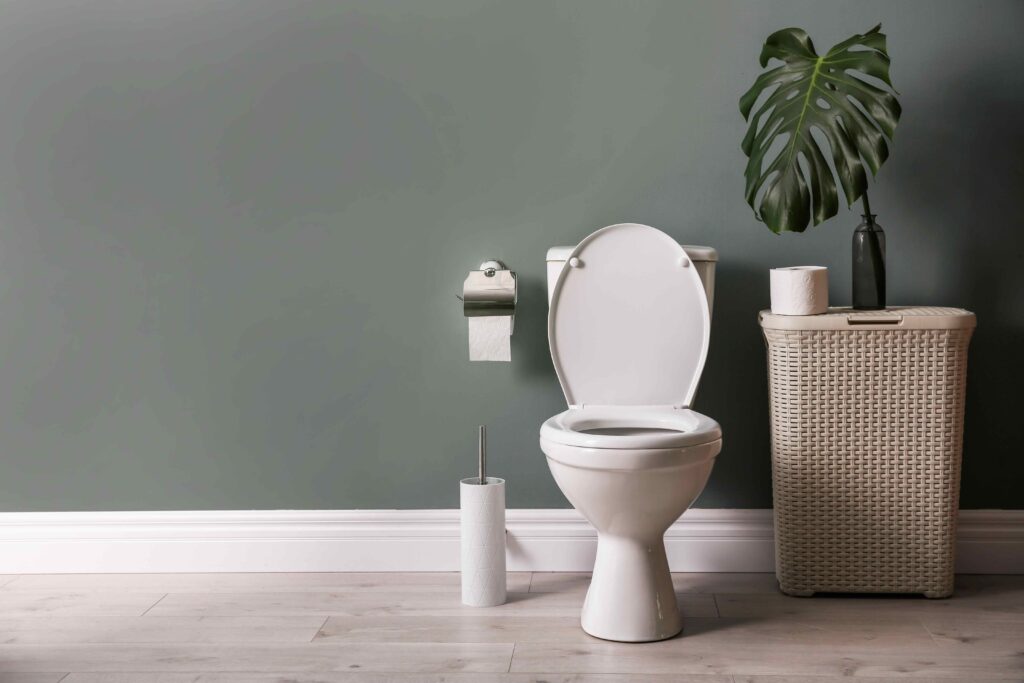
The toilet is one of the most mechanically straightforward fixtures in the home, but it connects to your plumbing system in multiple ways — and each connection point is a potential failure. The most common culprit behind a ceiling leak is a failed wax ring. This is the seal that sits between the base of the toilet and the floor flange, and it is responsible for keeping wastewater inside the drain where it belongs. When this ring degrades or shifts, water escapes with every flush and seeps directly into the subfloor. From there, it travels downward until gravity pulls it through the ceiling below. Other causes include a cracked toilet tank, a faulty supply line connection, condensation buildup on an uninsulated tank, or a slow leak from the toilet’s fill valve or flapper. In multi-story homes, any one of these issues can result in ceiling water damage that looks far worse than the actual source might suggest.
How to Identify the Source of a Toilet Ceiling Leak
Pinpointing the exact origin of a toilet ceiling leak requires a bit of patience and a systematic approach. Start by observing when the leak occurs. If water appears only after a flush, the wax ring or drain connection is the most likely source. If moisture accumulates gradually without any flushing pattern, the supply line, fill valve, or tank condensation may be responsible. Place dry paper towels around the base of the toilet and around the tank connections, then flush the toilet and wait. Discoloration on the towels will help narrow down the location. In some cases, the leak may not be from the toilet at all but from a shower drain or bathroom sink nearby, since water travels along framing and insulation before it presents visibly on the ceiling below. When in doubt, call a licensed plumber to conduct a proper inspection before any ceiling repair work begins.

The Real Cost of Ignoring a Toilet Leak
This is where things get expensive fast. A small, slow toilet leak left unaddressed can saturate wooden floor joists, promote mold growth within ceiling cavities, and compromise the structural integrity of the subfloor. What begins as a minor wax ring replacement — typically a low-cost repair — can escalate into a multi-thousand dollar project involving subfloor replacement, ceiling drywall removal, mold remediation, and repainting. Water damage claims from plumbing leaks are among the most frequent and costly homeowner issues in the country. Acting quickly when you notice early signs is always more affordable than waiting for the problem to worsen. And having the right financial protection in place before something goes wrong is what separates a stressful situation from a manageable one.
Common Repairs and What They Typically Involve
Once the source is identified, repairs vary significantly based on the cause. Here is a general breakdown of what each common fix involves:
- Wax ring replacement: Requires removing the toilet, replacing the wax seal, and reseating the toilet. This is a straightforward repair for a plumber and typically takes less than two hours.
- Supply line replacement: Involves turning off the water supply, disconnecting the old line, and installing a new braided stainless or reinforced line. Quick and relatively inexpensive.
- Fill valve or flapper replacement: Internal components inside the tank are replaced to stop slow internal leaks. Often a DIY-friendly repair, though professional service ensures it is done correctly.
- Subfloor and ceiling repair: If water damage has already spread, structural repairs may involve opening the ceiling below, drying out affected materials, replacing damaged drywall or joists, and treating for mold before closing everything back up.
Does Homeowners Insurance Cover Toilet Ceiling Leaks
This is a question that comes up constantly, and the answer depends heavily on how and why the leak occurred. Standard homeowners insurance typically covers sudden and accidental water damage — meaning a pipe that bursts unexpectedly may be covered. However, slow leaks that develop over time due to wear and neglect are almost universally excluded. Insurance companies consider gradual damage a maintenance issue, not an insurable event. This distinction leaves a significant gap in coverage for most homeowners, and it is one of the primary reasons home warranty protection becomes a relevant and practical conversation when dealing with plumbing system issues.
What a Home Warranty Covers When It Comes to Plumbing
A home warranty is a service contract that covers the repair or replacement of home systems and appliances when they fail due to normal wear and tear. Plumbing system coverage under a home warranty typically includes interior water lines, drain lines, toilet tanks and bowls, and the mechanical components that make everything function. When a wax ring fails, a supply line cracks, or an internal toilet component breaks down, a home warranty may cover the cost of diagnosis and repair — significantly reducing what you pay out of pocket. This is precisely the coverage gap that homeowners insurance leaves open. Understanding what your plan covers and how to initiate a service request before a problem occurs saves considerable time and stress when the moment actually arrives.
Preventive Maintenance Tips to Avoid Toilet Ceiling Leaks
Prevention is always the preferred strategy. A few simple habits can dramatically reduce your risk of experiencing a toilet ceiling leak:
- Inspect the area around the toilet base periodically for any soft flooring, discoloration, or unusual odors, which can indicate a compromised wax seal.
- Check supply line connections for mineral buildup or early signs of corrosion, especially in homes with hard water.
- Listen for running water sounds between flushes, which may signal a leaking flapper or fill valve wasting water and quietly dripping internally.
- Have a plumber inspect toilet seals and internal components every few years, particularly in older homes where fixtures have not been serviced in a long time.
- After any bathroom renovation or toilet reinstallation, verify that the wax ring was properly seated and that the toilet does not rock when pressure is applied to the sides.
Why Toilet Leaks Deserve More Respect Than They Get
The toilet is easy to overlook because it functions so reliably for so long. Most homeowners never think about the wax ring beneath it until water shows up somewhere it absolutely should not be. But the reality is that plumbing systems age, seals degrade, and connections loosen over time — none of which is preventable through careful use alone. Treating your bathroom plumbing with the same attention you would give your HVAC system or water heater changes how quickly you catch problems and how prepared you are to address them. A ceiling stain from a toilet leak is not just a cosmetic inconvenience. It is evidence of a system that needed attention before the damage became visible.
Protect Your Home’s Plumbing System With the Right Coverage
When a toilet ceiling leak sends water through your floor and into the room below, the last thing you want to be doing is calling three different contractors for quotes while your ceiling continues to absorb moisture. That is exactly the kind of situation where having a reliable home warranty plan changes the entire experience. Armadillo home warranty coverage for plumbing systems and household appliances is built around the real-world problems homeowners actually face — not theoretical scenarios written into fine print exclusions. When your toilet’s wax ring fails or an internal component breaks down through normal use, Armadillo connects you with qualified service professionals and manages the repair process so you are not navigating it alone. If a toilet ceiling leak or any other plumbing issue has made you realize your home needs better financial protection, now is a good time to take a closer look. Get a free home warranty quote for plumbing and system protection and find out what a plan designed for real homeowners actually looks like.

Frequently Asked Questions About Toilet Ceiling Leaks and Home Warranty Coverage
These are the questions homeowners ask most often when dealing with a toilet leak that has made its way through the floor and into the ceiling below.
What is the most common cause of a toilet leaking through the ceiling?
The most common cause is a failed wax ring seal at the base of the toilet. When this seal breaks down, water from every flush escapes into the subfloor and travels downward, eventually appearing as a stain or drip on the ceiling of the room below.
How do I know if my toilet is leaking at the base or from the tank?
Place dry paper towels around both the base of the toilet and along the tank connections. Flush the toilet and check which towels show moisture. Discoloration near the base points to a wax ring issue, while moisture near the tank suggests a supply line, fill valve, or condensation problem.
Can a slow toilet leak cause mold in the ceiling?
Yes. A slow, ongoing toilet leak creates persistently damp conditions inside the subfloor and ceiling cavity, which are ideal environments for mold growth. If a leak has been active for weeks or longer, professional mold assessment is strongly recommended before any drywall repair is completed.
Does homeowners insurance pay for toilet ceiling leak repairs?
Homeowners insurance typically covers sudden and accidental water damage but excludes gradual leaks caused by wear and tear or deferred maintenance. Most toilet leaks that develop over time fall into the excluded category, which means out-of-pocket repair costs are common without additional protection.
Does a home warranty cover toilet repairs?
Many home warranty plans include plumbing system coverage that extends to toilet components such as the tank, fill valve, flapper, and supply line connections. Coverage specifics vary by plan, so reviewing what is included before a problem occurs is always recommended.
How much does it cost to fix a toilet wax ring?
The wax ring itself is an inexpensive part, but professional labor to remove the toilet, replace the seal, and reset the fixture typically ranges from one hundred to three hundred dollars depending on your location and any complications such as corroded floor flanges.
How long does a wax ring last before it needs to be replaced?
A properly installed wax ring can last twenty to thirty years or longer under normal conditions. However, a toilet that rocks or shifts, a floor flange that sits too low, or general settling of the home can cause premature wax ring failure well before the end of that timeframe.
What should I do immediately when I notice a toilet ceiling leak?
Stop using the toilet, turn off the water supply valve located behind or beneath the toilet, and contact a licensed plumber as soon as possible. Continuing to use the toilet while a wax ring or drain connection is compromised worsens the water damage with every flush.
Can I replace a wax ring myself?
Technically yes, but it requires safely removing and repositioning a heavy toilet, properly seating the new wax ring, and verifying that the floor flange is in good condition. Improper installation leads to the same leak recurring quickly. Professional service is the safer choice, particularly if any subfloor damage is suspected.
How can I prevent future toilet ceiling leaks in my home?
Regular inspection of toilet base stability, supply line connections, and internal tank components goes a long way toward early detection. Having a plumber evaluate your bathroom plumbing every few years, particularly in older homes, helps catch deterioration before it results in water damage.