What Is a Toilet Flush Handle and Why Does It Matter More Than You Think
It is one of those things you use every single day without giving it a second thought — until it stops working. The toilet flush handle is a small but essential component of your home’s plumbing system, and when it starts acting up, it has a way of making itself impossible to ignore. A handle that has to be held down, one that jiggles endlessly, or one that simply will not engage the flush mechanism at all — these are not minor inconveniences. They are early signals that something inside your toilet tank needs attention. Understanding how this component works, when to replace it, and what it connects to inside the tank can save you from unnecessary water waste, unexpected repair bills, and a fair amount of frustration.
How a Toilet Flush Handle Actually Works
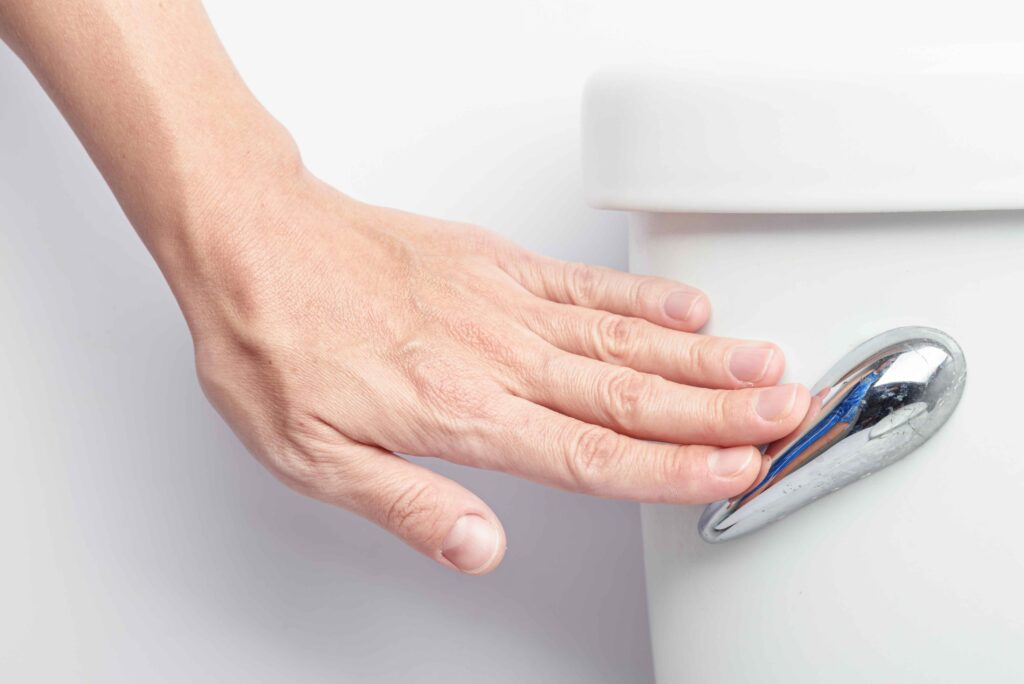
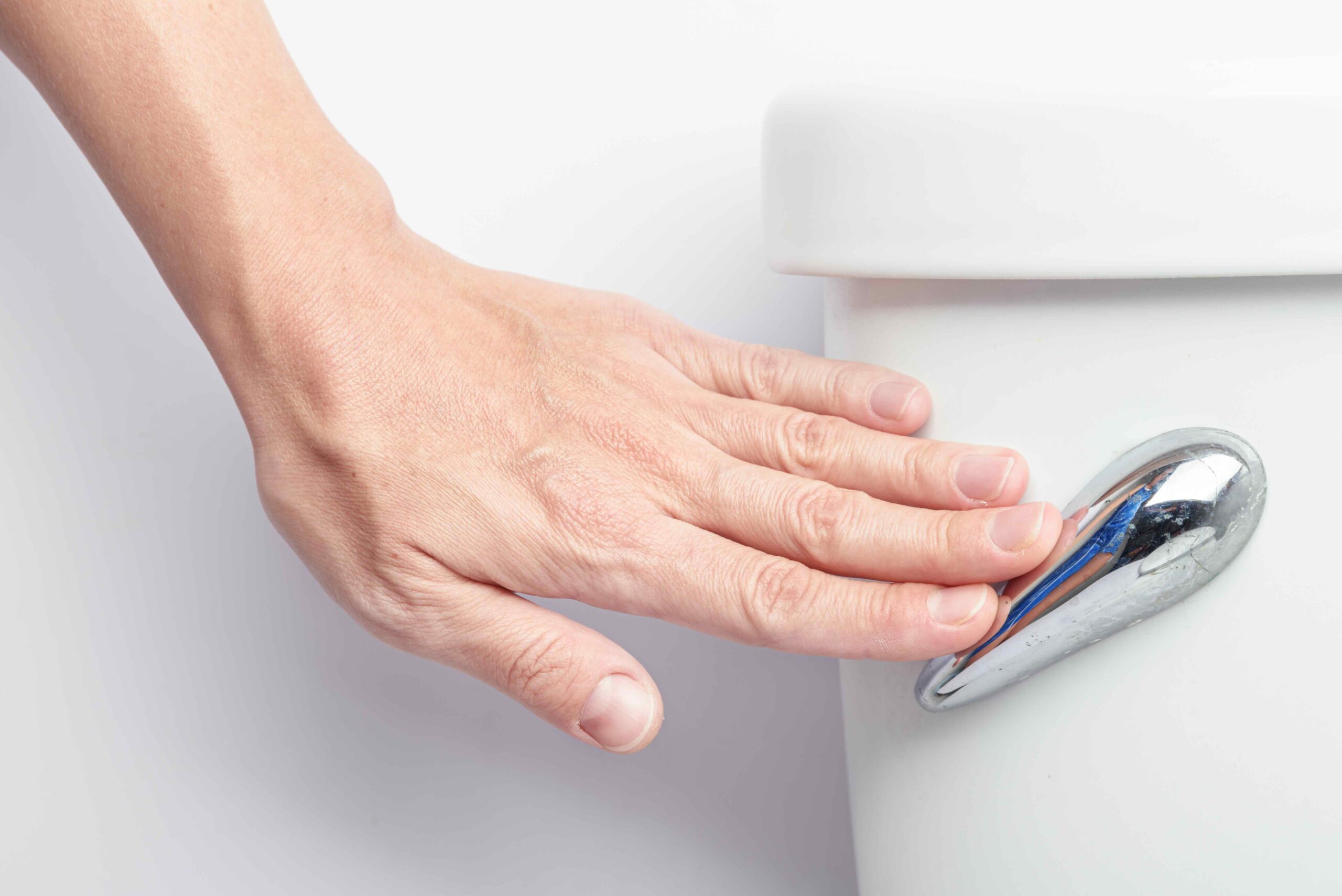
The toilet flush handle is mechanically straightforward, which is part of why it is so easy to overlook. When you press or lift the handle, it rotates a small arm — typically a plastic or metal lever — that is attached to a chain or lift wire inside the tank. That chain connects directly to the flapper, which is the rubber seal sitting at the bottom of the tank over the flush valve opening. Lifting the flapper allows water to rush from the tank into the bowl, creating the flush. When you release the handle, the flapper drops back into place, the tank refills, and the system resets. The handle itself mounts through a hole in the tank wall and is secured by a mounting nut on the inside. It sounds simple because it largely is — but the connection points between the handle arm and the chain are where most problems tend to start.
Common Signs Your Toilet Handle Needs to Be Replaced
Most homeowners wait longer than they should before replacing a faulty flush handle. The signs are usually gradual, which makes them easy to rationalize. Here is what to watch for:
- The handle feels loose or wobbles when you press it
- You have to hold the handle down for the toilet to complete a full flush
- The toilet runs continuously because the flapper is not seating properly after the flush
- The handle is visibly corroded, cracked, or broken at the mounting point
- There is no resistance at all when you press the handle, indicating the chain has disconnected
Any one of these issues is reason enough to take a closer look inside the tank. The good news is that handle replacement is one of the more accessible DIY plumbing repairs a homeowner can take on — assuming the issue is isolated to the handle itself.
How to Replace a Toilet Flush Handle Step by Step
Before purchasing a replacement handle, check whether your toilet requires a front-mount, side-mount, or angle-mount configuration, as tank designs vary by manufacturer. Once you have the right part, shut off the water supply valve located behind or beneath the toilet. Flush the toilet to empty the tank, then remove the tank lid carefully and set it aside. Inside the tank, disconnect the chain from the handle arm, then unscrew the mounting nut — note that this nut is typically reverse-threaded, so you turn it clockwise to loosen it. Slide the old handle out through the tank wall, insert the new handle, hand-tighten the mounting nut counterclockwise until snug, reattach the chain to the new arm with roughly half an inch of slack, and turn the water supply back on. Test the flush several times to confirm the chain length is correct and the flapper is seating fully after each flush.
The Advantages of Addressing Flush Handle Issues Promptly
There is a real cost to ignoring a malfunctioning flush handle, and it goes beyond the mild annoyance of a jiggling lever. A toilet that runs continuously because of a misconnected or broken handle arm can waste thousands of gallons of water per month. That is a meaningful impact on your utility bill and not a particularly great outcome for water conservation either. Replacing a handle typically costs between ten and thirty dollars for the part, and the repair itself takes under thirty minutes in most cases. Compare that to the cumulative cost of a running toilet or the potential for a more significant plumbing issue developing over time, and the math is fairly obvious. Prompt attention to small mechanical failures is one of the most cost-effective habits a homeowner can build.
Potential Drawbacks and When the Problem Goes Deeper
Handle replacement is not always the full answer. In some cases, what appears to be a handle problem is actually a symptom of a failing flapper, a worn flush valve seat, or a deteriorating fill valve. If you replace the handle and the toilet still runs, still requires multiple flushes, or still produces a weak flush, the issue likely exists elsewhere in the tank assembly. Older toilets with mineral-laden water supplies may show widespread deterioration across multiple components simultaneously, making a targeted fix less practical than a full tank rebuild kit. It is also worth noting that some proprietary toilet designs — particularly certain pressure-assist or dual-flush models — have handle mechanisms that are not universally compatible, which can make sourcing replacement parts more complicated and potentially more expensive.

Flush Handle Maintenance Tips Every Homeowner Should Know
Extending the life of your toilet’s flush handle does not require much effort. Periodically remove the tank lid and inspect the handle arm, chain, and flapper connection for signs of wear, corrosion, or slack. If the chain has become tangled or kinked, straighten it out and adjust the length as needed. Avoid pressing the handle with excessive force — this puts unnecessary stress on the mounting point and the arm. If you notice the handle starting to feel loose, tighten the mounting nut before it works itself further out of position. In homes with hard water, the buildup of mineral deposits on the handle arm and chain can cause stiffness or premature corrosion, so an occasional rinse with white vinegar can help keep components moving freely.
Flush Handle Upgrades Worth Considering
Standard toilet handles are functional, but there are upgrade options that offer either improved durability or additional features. Metal handles — particularly brass or stainless steel — tend to outlast their plastic counterparts significantly and resist corrosion more effectively in humid bathroom environments. For homeowners with accessibility needs, elongated lever handles or paddle-style handles provide a larger surface area and require less grip strength to operate. Dual-flush conversion kits are another consideration, replacing the standard handle with a two-button mechanism that allows for a reduced-volume flush for liquid waste and a full flush for solid waste, which can meaningfully reduce water consumption over time. These are not essential upgrades, but they are worth knowing about when a handle replacement is already on the table.
Where Home Warranty Coverage Fits Into the Picture
When a toilet flush handle fails, the fix is usually inexpensive and manageable on your own. But toilets — and the broader plumbing systems they connect to — do not always fail in small, convenient ways. Flush valve failures, cracked tank components, supply line failures, and other internal plumbing issues can escalate quickly and cost significantly more than a ten-dollar handle. This is where having a home warranty becomes genuinely useful. A solid home warranty plan covers the kinds of plumbing failures that go well beyond a simple handle swap, giving you a financial safety net for the repairs that are neither small nor predictable. Understanding the boundary between what you can handle yourself and what your warranty is designed to cover is part of being a well-prepared homeowner.
Why Armadillo Is the Right Partner for Toilet and Plumbing Protection
Toilet repairs have a way of starting small and expanding fast. A handle today can mean a flapper tomorrow, a flush valve next week, and a plumber visit before the month is out. That progression is exactly why having the right home warranty in place matters — and why Armadillo home warranty coverage for plumbing systems and appliances is worth a serious look. Armadillo was built for homeowners who want real protection without the fine-print frustration that often comes with this industry. Coverage is transparent, service is straightforward, and the plans are designed to handle the kinds of failures that actually happen in real homes. If your toilet, plumbing internals, or other covered systems break down, Armadillo is ready to respond. Do not wait for a small issue to become an expensive one — get a free home warranty quote for toilet and plumbing coverage today and find out how affordable peace of mind can be.

Frequently Asked Questions About Toilet Flush Handles
Here are answers to some of the most common questions homeowners have about toilet flush handles, replacement, and related plumbing concerns.
How do I know if my toilet handle needs to be replaced or just adjusted?
If the handle feels loose or the chain has simply slipped off the arm, an adjustment may be all that is needed. If the handle is cracked, corroded, or broken at the mount, replacement is the right call.
Are toilet flush handles universal, or do I need a specific replacement part?
Most standard toilets use a universally compatible handle, but some brands — particularly Kohler, American Standard, and TOTO — may require brand-specific parts. Check your toilet model number before purchasing a replacement.
Why does my toilet keep running after I replaced the handle?
A continuously running toilet after a handle replacement usually means the chain length is incorrect or the flapper is not sealing properly. Adjust the chain so there is minimal slack without being taut, and inspect the flapper for wear.
How long does a toilet flush handle typically last?
Plastic handles can begin to degrade within five to ten years, especially in humid bathrooms. Metal handles tend to last significantly longer, often well over a decade with minimal maintenance.
Can a broken flush handle cause water damage?
A broken handle that prevents the flapper from reseating can cause the toilet to run continuously, which wastes water but is unlikely to cause direct water damage. However, a disconnected chain combined with other tank issues could lead to overflow in rare scenarios.
Is replacing a toilet flush handle a DIY job or should I call a plumber?
Handle replacement is one of the most beginner-friendly plumbing tasks available. Most homeowners can complete it in under thirty minutes with no special tools required. A plumber is only necessary if the issue extends beyond the handle itself.
What type of toilet handle is most durable?
Solid brass handles are generally considered the most durable option, offering strong corrosion resistance and a long service life. Stainless steel is a close second and is often more budget-friendly.
Does a home warranty cover toilet flush handle replacement?
Coverage varies by provider and plan. Most home warranties cover internal toilet components that fail due to normal wear, but it is important to review your specific plan terms to understand exactly what is included.
How much does it cost to replace a toilet flush handle?
Replacement handles typically range from ten to thirty dollars for standard models. Specialty or brand-specific handles may cost more. If a plumber is involved, labor costs will add to the total.
What happens if I ignore a faulty toilet handle for too long?
Ignoring a faulty handle can lead to continuous running water, increased utility bills, flapper wear from improper seating, and potential buildup of mineral deposits that make future repairs more difficult. Early attention is always the better choice.