What Is a Trash Compactor and Should Your Home Have One?
If you have ever looked at an overflowing kitchen trash can mid-week and thought there has to be a better way, a trash compactor might be exactly what you have been overlooking. These appliances are not the flashiest thing in a kitchen, and they do not get nearly the attention that refrigerators or dishwashers do, but for the right household, a trash compactor can genuinely change how you manage waste on a daily basis. This guide walks through everything you need to know about trash compactors, from how they work to whether they are worth the investment for your home.
What Is a Trash Compactor?
A trash compactor is a household appliance designed to compress waste into a significantly smaller volume. The mechanism is straightforward: you load trash into the unit, press a button, and a motorized ram pushes down with several hundred pounds of force, compressing the contents into a fraction of their original size. Most residential models can reduce the volume of your trash by anywhere from 75 to 80 percent. That means what would have filled four or five standard bags now fits into one. It is a simple concept, but the practical impact in a busy household is surprisingly significant.
Trash Compactor Sizes: What Fits in Your Kitchen?
Size is actually one of the most important considerations when shopping for a trash compactor, and it is easy to overlook until you are standing in a half-renovated kitchen wondering why your new appliance does not fit the cabinet opening. Trash compactors come in a few standard widths. The most common residential sizes are 12 inches, 15 inches, and 18 inches wide. Most freestanding and built-in models are designed to fit within a standard base cabinet space, typically standing around 34 to 35 inches tall to align with standard countertop height. Some compact or under-counter models are available for tighter spaces, which is worth noting if you are working with a smaller kitchen layout. Before purchasing, measure your available space carefully, including height, width, and depth clearance, because these appliances are not exactly easy to return once installed.
How Does a Trash Compactor Work?
The internal mechanics are not complicated, but understanding them helps you use the appliance correctly and spot problems early. Inside the unit, a metal ram is connected to a motor-driven screw drive or hydraulic mechanism. When you activate the compaction cycle, the ram descends into the trash drawer or bag compartment and applies downward pressure. The cycle typically takes about a minute to complete. A key safety feature on virtually all models is a door-lock or drawer-lock system that prevents the compactor from operating when the drawer is open. Most units also include a deodorizing system, either a charcoal filter, an air freshener slot, or both, to manage odors since compressed waste can get pungent fast. The bags used in compactors are heavier and more puncture-resistant than standard kitchen bags, and using the correct bags is not optional if you want to avoid a mess.
The Real Advantages of Owning a Trash Compactor
There are some genuinely practical reasons homeowners choose to install or keep a trash compactor. Here is what makes them worth the consideration:
- Fewer trips to the outdoor bins, which matters most in bad weather or for households with mobility limitations
- Reduced number of trash bags used over time, which has both environmental and cost implications
- A cleaner, more organized kitchen with less visible waste accumulation between garbage days
- Useful for households that generate high volumes of packaging, cans, cardboard, or bottles
- Can contribute to a cleaner recycling process when used for compactable recyclables
For larger families or households that tend to generate significant kitchen waste, the convenience factor alone can justify the appliance. It is also worth noting that some homebuyers view a built-in trash compactor as a desirable kitchen feature, though this varies considerably by market and buyer preference.
Common Drawbacks You Should Know About
Trash compactors are not without their downsides, and understanding those clearly is part of making a smart decision. The most frequently cited issue is odor. Compacted waste sits in a sealed drawer for longer periods than typical trash, and even with built-in deodorizers, odor management requires consistent attention. You will need to clean the interior of the unit regularly, replace deodorizing elements, and use the right bags. Beyond smell, the appliances are not suitable for all waste types. Wet organic waste, liquids, and certain materials can create hygiene issues or damage the compactor. They also consume electricity with every cycle, though the energy draw per use is relatively modest. Repair costs can be meaningful when motors, drive mechanisms, or electronic controls fail, which brings the conversation naturally toward how these appliances are covered under a home warranty plan.

Built-In vs. Freestanding Trash Compactors
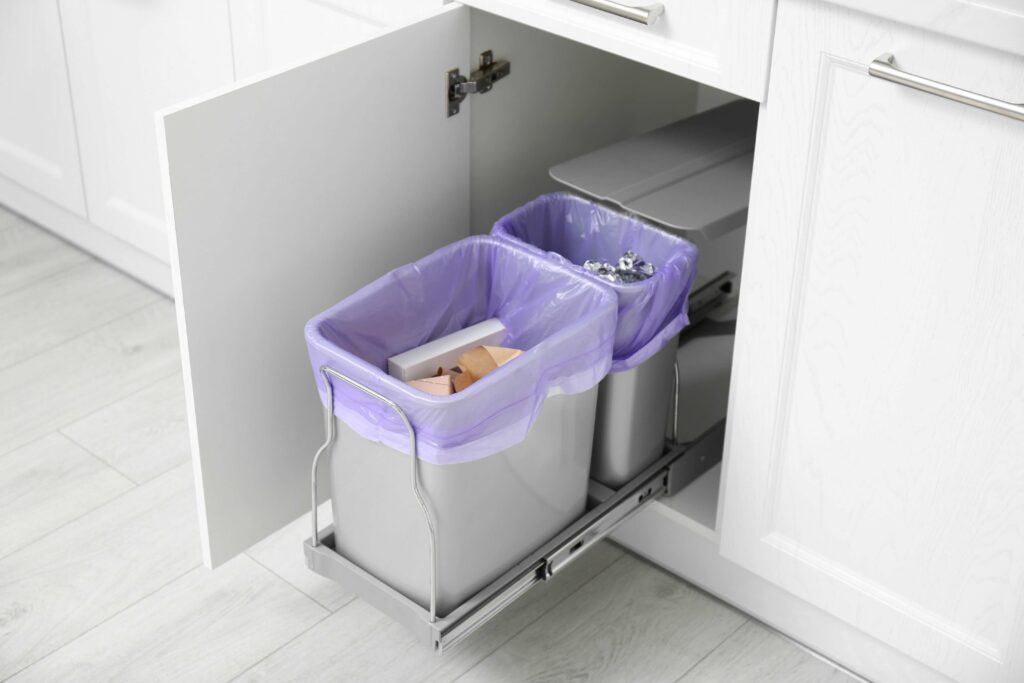
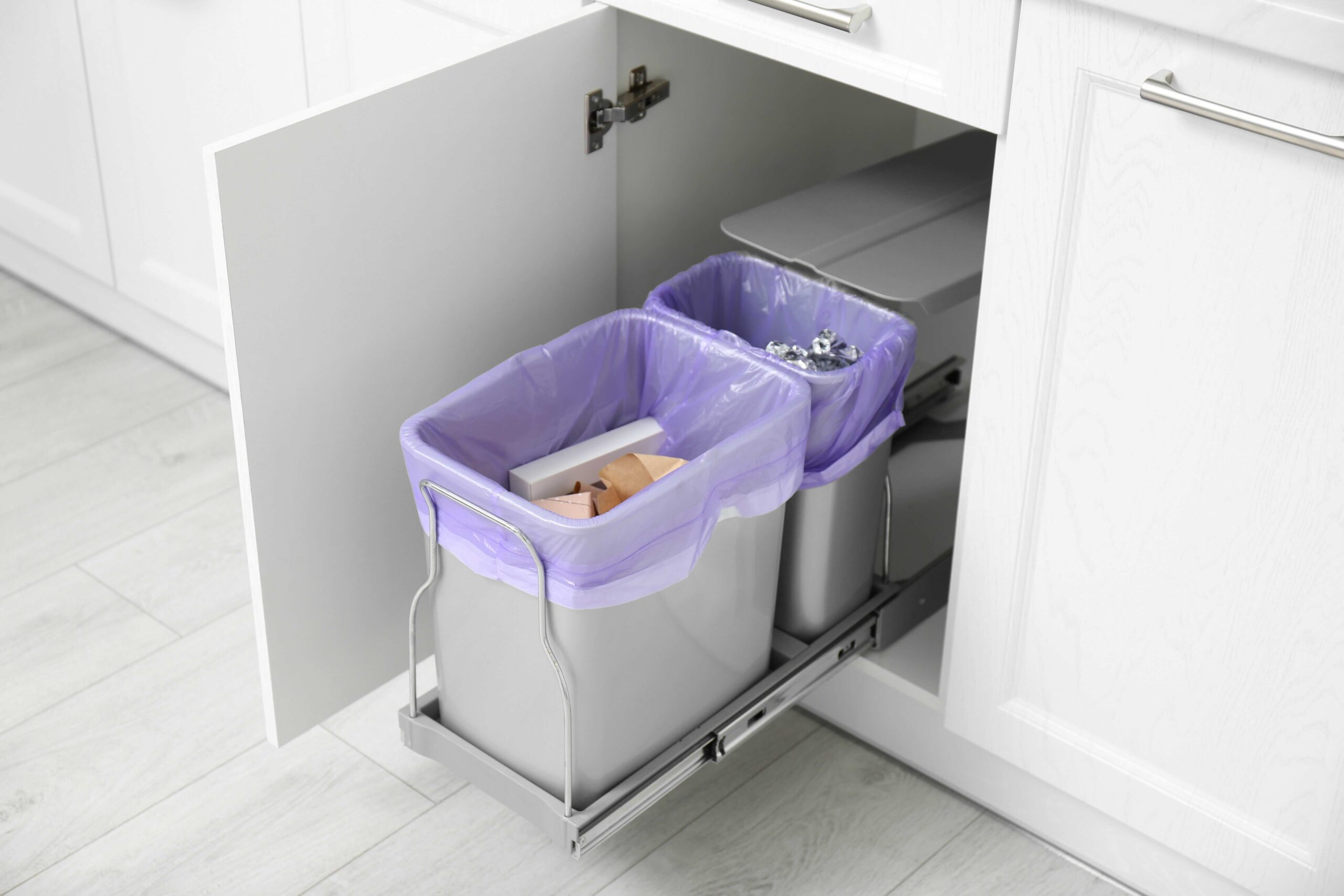
The distinction between built-in and freestanding models matters more than it might initially seem. Built-in trash compactors are designed to integrate seamlessly with your cabinetry, fitting flush with your countertops and surrounding cabinets. They typically require a dedicated cabinet opening and some degree of installation work. Freestanding models offer more flexibility since they can be placed in a garage, utility room, or wherever they fit without requiring a cabinet cutout. Freestanding units are often a better choice for homeowners who are renting or who do not want to commit to a permanent kitchen modification. Built-in models, on the other hand, offer a cleaner aesthetic and a more permanent solution for homeowners who are renovating or building new.
Installation and Electrical Requirements
Most residential trash compactors operate on a standard 120-volt household circuit, which simplifies installation considerably compared to some other kitchen appliances. However, many manufacturers recommend a dedicated circuit to prevent tripping breakers, particularly in kitchens already loaded with appliances running simultaneously. Installation of a built-in model typically involves sliding the unit into the prepared cabinet opening, securing it in place, and connecting it to the electrical supply. Unless you are comfortable with basic electrical work and cabinetry fitting, professional installation is worth considering, especially if you need to modify an existing cabinet space or run a new circuit. Always consult local building codes before beginning any electrical work.
Maintenance Tips to Keep Your Compactor Running Well
Routine maintenance is what separates a trash compactor that lasts a decade from one that needs repair in the first two years. A few habits make a real difference:
- Clean the interior drawer and ram surface at least once a month using a mild disinfectant
- Replace charcoal filters or air freshener inserts according to the manufacturer’s schedule
- Never compact liquids, hazardous materials, glass, or aerosol cans
- Use only compactor-grade bags rated for the appliance, as standard bags will tear under pressure
- Inspect the door gasket and drawer slides periodically for wear or damage
- Avoid overfilling before each compaction cycle to reduce strain on the motor
Following these steps consistently helps extend the life of the motor and ram mechanism, which are the two most expensive components to repair or replace.
Why Home Warranty Coverage for Your Trash Compactor Matters
Here is where the practical reality of appliance ownership comes into clear focus. Trash compactors are mechanical appliances with motors, drive systems, and electrical components, which means they will eventually need repair. When a motor burns out or a drive mechanism fails, the repair bill can be several hundred dollars or more depending on parts and labor. That is where a reliable home warranty plan earns its place in your budget. Armadillo’s home warranty plans for kitchen appliances and built-in systems are designed to cover exactly these kinds of unexpected repair costs, giving homeowners real financial protection without the guesswork. Rather than scrambling to find a qualified technician and negotiating repair costs on your own, you have a plan in place that handles it. If your kitchen includes a built-in compactor alongside other appliances like a dishwasher, range, or refrigerator, the value of comprehensive coverage becomes even more obvious. You can get a personalized home warranty quote for trash compactor and appliance coverage in just a few minutes, which is a straightforward way to understand what protection looks like for your specific home setup.

Frequently Asked Questions About Trash Compactors
Answers to the questions homeowners ask most often about residential trash compactors.
What size trash compactor fits a standard kitchen cabinet?
Most built-in trash compactors are designed to fit a 15-inch wide cabinet opening, though 12-inch and 18-inch models are also available. Always measure your specific cabinet space before purchasing, including height and depth clearance.
Can a trash compactor handle glass bottles?
No. Glass should never be placed in a residential trash compactor. Broken glass can puncture the bag, damage the ram surface, and create a serious safety hazard during bag removal.
How often should you empty a trash compactor?
Most households empty their compactor every one to two weeks depending on usage volume. Waiting too long can lead to odor buildup, so monitor the fill level and odor regularly.
Do trash compactors require special bags?
Yes. Standard kitchen trash bags are not strong enough to withstand the pressure of a compaction cycle. Compactor-specific bags are thicker and puncture-resistant and are sold by most appliance and home improvement retailers.
Are trash compactors energy efficient?
Residential trash compactors use a relatively modest amount of electricity per cycle, comparable to running a microwave for a few minutes. However, energy efficiency varies by model, so checking the appliance’s wattage rating before purchase is a reasonable step.
Is a trash compactor covered under a standard home warranty?
Coverage depends entirely on the home warranty provider and the plan you select. Some plans include built-in kitchen appliances like trash compactors, while others may require an add-on. Reviewing your plan details carefully is always recommended.
What should never go into a trash compactor?
Avoid placing glass, aerosol cans, flammable materials, liquids, hazardous chemicals, and electronics in a trash compactor. These materials can damage the unit or create safety risks during and after the compaction process.
How long does a residential trash compactor typically last?
With proper maintenance and appropriate use, a well-built residential trash compactor can last between 8 and 12 years. Motor and drive system failures are the most common reasons for earlier-than-expected replacement.
Can a trash compactor reduce household recycling volume?
Yes, for compactable recyclables such as aluminum cans and certain plastics, a trash compactor can significantly reduce the volume before placing materials in your recycling bin. Check with your local recycling program to confirm which compressed materials they accept.
Is professional installation required for a built-in trash compactor?
Professional installation is not always legally required, but it is often recommended, particularly when modifying an existing cabinet space or adding a dedicated electrical circuit. Incorrect installation can void the manufacturer’s warranty and create safety issues.