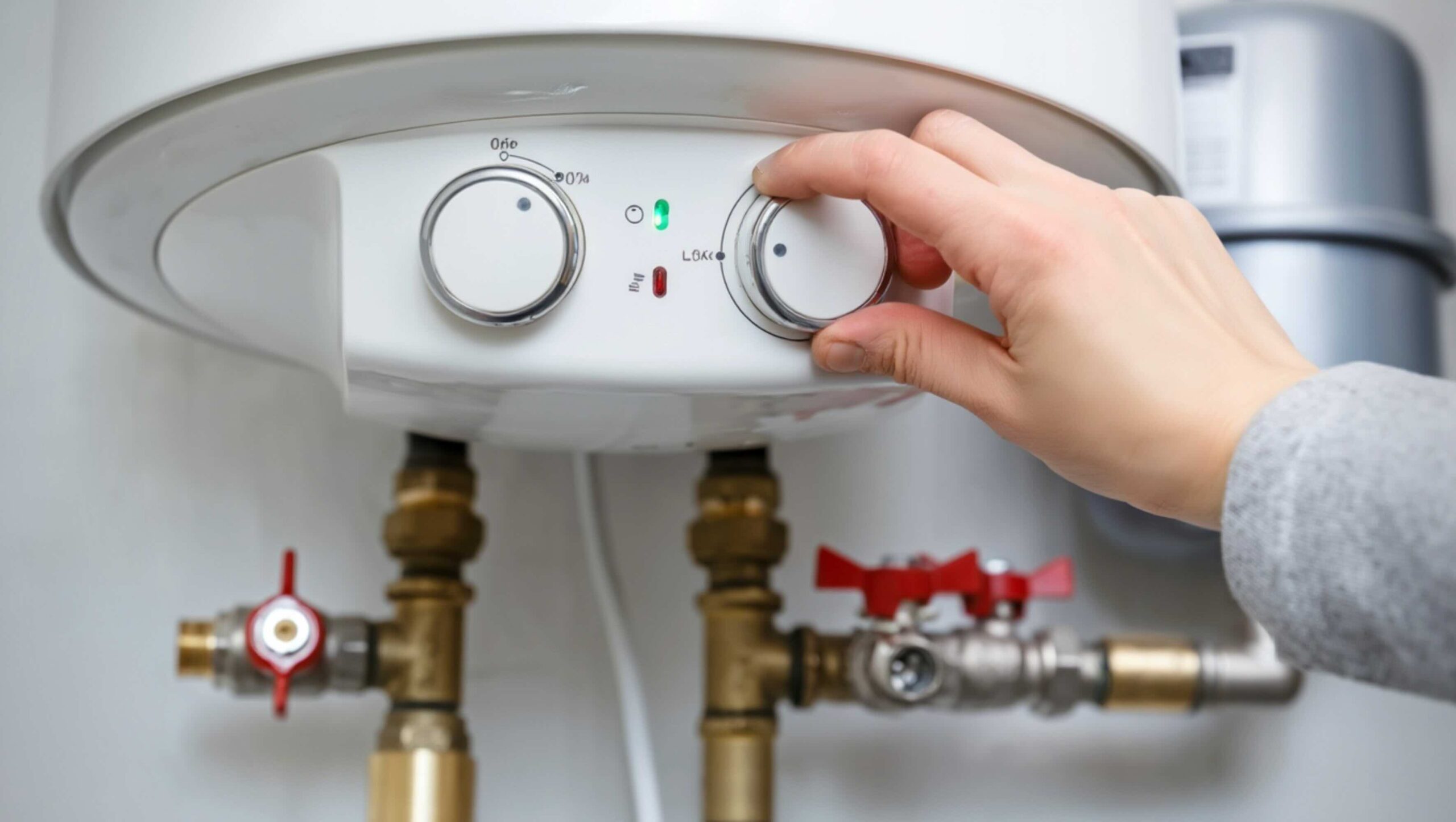
How to Troubleshoot a Hot Water Heater: A Homeowner’s Guide
Few things feel quite as jarring as turning on a shower only to be met with icy water. Your hot water heater silently supports comfort, cleanliness, and convenience every day—until it doesn’t. Whether you’re sipping morning coffee or washing dishes after dinner, reliable hot water is simply expected. So when your system falters, the sudden loss feels immediate and frustrating. Fortunately, troubleshooting a hot water heater, while technical, doesn’t need to be overwhelming. Armed with some fundamental knowledge, you can identify common issues, understand the basic function of this critical system, and make smart, timely repair or replacement decisions. Let’s examine what a hot water heater is, how it works, what typically goes wrong, and how a home warranty can help when it does.
What Is a Hot Water Heater and How Does It Work?
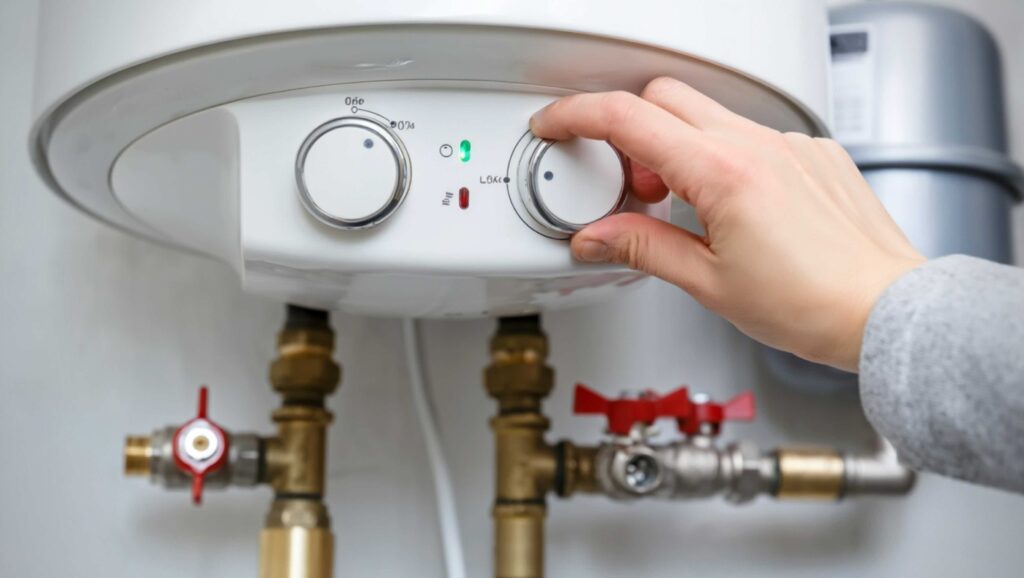
A hot water heater is a household appliance responsible for heating water and delivering it via your home’s plumbing system. There are a few primary types—most commonly tank and tankless—but the principle is always the same: cold water enters the unit and is heated through electric or gas energy before being routed to sinks, appliances, tubs, and showers. In a tank model, the water is stored in a large insulated tank, typically between 30 and 80 gallons. It’s held at the desired temperature until needed. Tankless units heat water on demand, which minimizes energy use but can struggle to meet high-demand needs simultaneously.
Basic components include a water inlet, heating element or gas burner, thermostat, anode rod to reduce corrosion, and a discharge valve. When functioning well, the process is nearly invisible. When it’s disrupted, everything from lukewarm showers to complete system failure can result—and understanding how to decode the early signs can make a substantial difference in repair cost and water damage prevention.
Common Problems With Hot Water Heaters
Before panicking, identify the symptom. Water not getting hot at all? Water lukewarm but not hot enough? Strange popping or sediment-like noises coming from the tank? Any of these could point to issues ranging from sediment buildup to thermostat malfunctions to component failure.
No hot water from a gas heater could mean the pilot light is out, the thermocouple is malfunctioning, or there’s a gas supply disruption. For electric models, a tripped circuit breaker or a failed heating element are common culprits. Discolored water? You might be looking at rust inside the tank or corrosion of the anode rod. A leaking unit can indicate failing seals, connections, or—worse—a compromised tank. Addressing minor signs early can often spare long-term headaches. That’s why it pays to know what to listen and look for before a system fails entirely.
How to Troubleshoot Your Water Heater: Step-by-Step
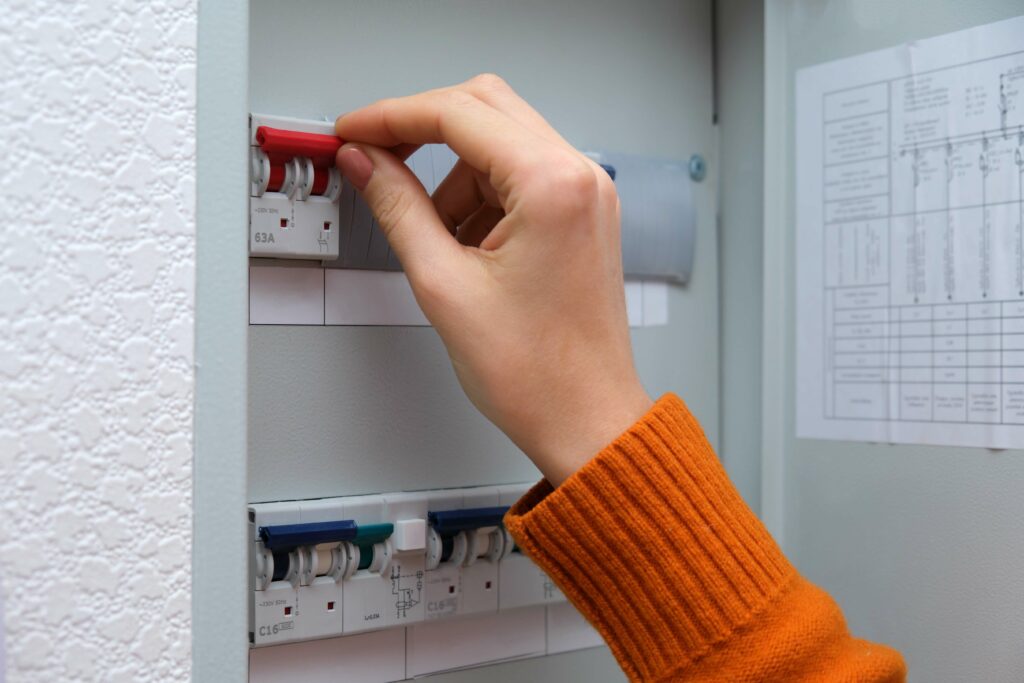
First, identify your water heater type—gas or electric—and confirm whether it’s tank or tankless. For electric heaters, begin by checking the circuit breaker and resetting the thermostat. If there’s still no hot water, inspect the heating elements with a multimeter to ensure continuity. These can be replaced without a full system overhaul if caught early. For gas units, follow your manufacturer’s steps to safely relight the pilot light. Smell gas? Do not attempt DIY fixes—contact a professional immediately.
If the water is discolored or smells metallic, check the anode rod; it may be time to replace it. Inconsistent water temperature or long recovery times could mean sediment buildup is insulating the heating element. A full flush of your tank can improve performance and prevent long-term damage. Hearing a rumbling or popping noise? That’s also likely sediment. If water is leaking from the base of the tank, that could signal internal corrosion—which often means the unit needs full replacement. Knowing which repairs are manageable and which require replacement is key, especially if your unit is more than 8 to 10 years old.
Benefits of a Well-Maintained Hot Water Heater
When your hot water heater stays in optimal condition, you experience reliable performance, quieter operation, consistent water temperatures, and lower energy bills. Systems without sediment buildup heat faster and more efficiently, which takes less strain on components over time. Proactively checking key elements such as the anode rod, thermostat settings, and flushing the tank annually can improve longevity by several years. You also decrease the risk of water leaks, corrosion damage, and poor water quality—common issues in aging or neglected units. Simply put: routine maintenance and quick troubleshooting promote both comfort and cost savings.
Drawbacks and Limitations of Hot Water Heater Systems
While invaluable in modern homes, water heaters aren’t without limitations. Standard tank models can run out of hot water during peak usage or large family needs. They also consume energy continuously to keep water heated, regardless of use. Tankless heaters, though more energy-efficient, may falter during multi-demand use—like two showers and the dishwasher running at the same time. The internal components of both systems are vulnerable to sediment, corrosion, and wear, particularly in hard water areas. Installation location can make access for repairs inconvenient. And over time, nearly all units will require part replacement or full upgrade, making a water heater a significant but recurring home investment.
Should You Repair or Replace the Water Heater?
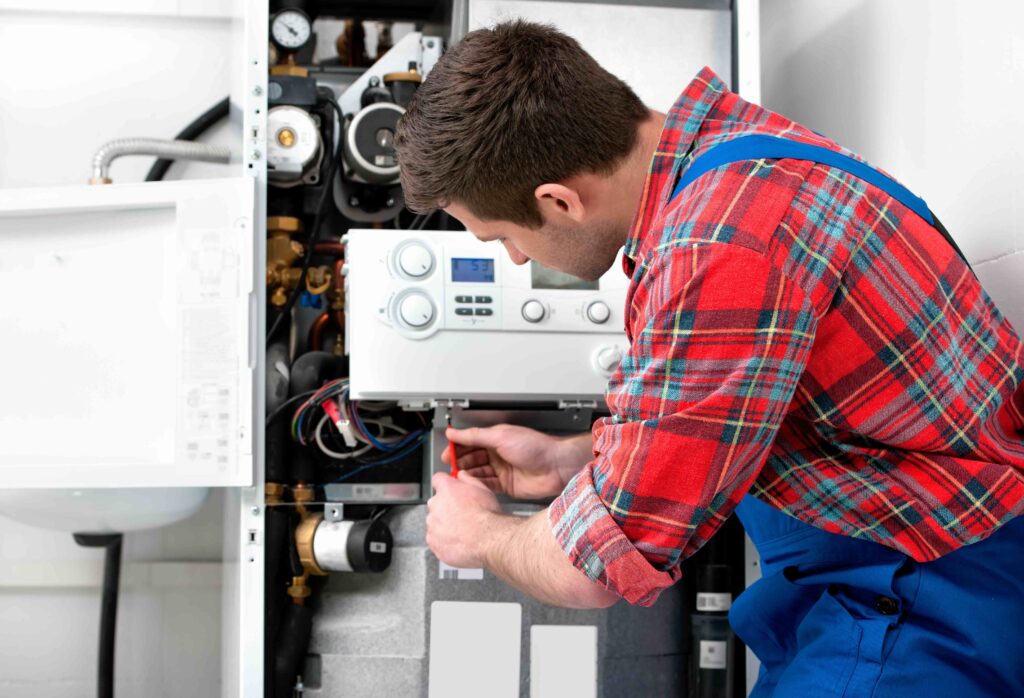
This decision often depends on a combination of age, efficiency, and cost of repair relative to replacement. If your unit is over a decade old and needs multiple parts replaced—think heating element, thermostat, and pressure relief valve—it can be more economical to upgrade to a newer, more efficient model. Frequent breakdowns also indicate internal deterioration, especially in hard water regions where mineral deposits wear components faster. However, a relatively new water heater with isolated issues, such as a failed thermocouple or faulty thermostat, may run like new after a single repair. Consult a licensed plumber or technician if you’re uncertain. They can run diagnostics and offer detailed cost comparisons.
How a Home Warranty Can Help With Water Heater Issues
When hot water heater trouble strikes, it inevitably causes stress—expenses spike, urgency looms, and finding reliable service can feel overwhelming. A robust home warranty experiences these situations with you and translates them into pre-negotiated service calls and covered repairs or replacements. With a home warranty from a provider like Armadillo, water heater breakdowns become a manageable inconvenience instead of a budget-wrecking crisis. Coverage typically includes repair or replacement of failed units due to normal wear and tear, often with same-day dispatch and access to trustworthy local technicians.
This protection is especially valuable if you’re not prepared for unexpected out-of-pocket costs—say a sudden corroded tank or failed burner assembly. The warranty steps in to help cover costs and reduce stress. It also supports budget consistency, turning unpredictable breakdowns into manageable service requests. Knowing your hot water heater is covered encourages peace of mind, especially during busy weeks when troubleshooting feels like the last thing you want to do. Stay warm, prepared, and covered.
Why Armadillo Is the Smart Choice for Water Heater Coverage
Hot water should never be a luxury. When your system falters, Armadillo makes it simple to get back on track—with smarter protection that puts you in control. Our home warranty plans offer fast, hassle-free solutions for covered water heater issues, with upfront pricing and a digital-first platform built for the modern homeowner. Experience hot water peace of mind and the confidence that comes from knowing your essential systems are professionally protected. Explore coverage options at armadillo.one and build your personalized plan in moments by visiting this plan builder page. Next time your water runs cold, we’ll be there to bring the heat back—quickly, quietly, and seamlessly.