No Hot Water? Diagnosing Your Gas Water Heater Woes
Cold water when you expect a steaming shower is more than annoying—it’s a disruption to daily life. If you’re not getting hot water from your gas water heater, you’re not alone. This is one of the most common home issues, and while it might seem like a major malfunction, it often originates from a few manageable causes. In this comprehensive guide, we’ll walk you through how a gas water heater works, what can go wrong, and how to address issues with confidence. You’ll gain clarity, reassurance, and actionable steps—whether you’re troubleshooting on your own or preparing to file a home warranty claim.
Understanding How a Gas Water Heater Works
To resolve an issue effectively, it helps to understand the system itself. A gas water heater uses natural gas or propane to generate heat inside a combustion chamber at the base of the tank. This heat transfers to the water stored in the tank, which then travels through your home’s plumbing system when you turn on a hot water tap. The essential components include a thermostatic control, gas burner, cold-water inlet, hot-water outlet, and in most models, a pilot light or an electric ignition system. The heater also features safety mechanisms like a temperature-pressure relief valve (T&P valve) and a thermostat that regulates the water temperature. When any of these components fail or operate out of sync, unexpected cold water results.
Common Reasons Your Gas Water Heater Stops Producing Hot Water
Before jumping to conclusions, pause to consider the most frequent culprits. A pilot light that’s gone out is a highly common issue, particularly in older models. Without that flame, no gas reaches the burner. For newer models, an electronic ignition system malfunction could be to blame. A faulty thermocouple or thermopile—sensors that detect whether the pilot light is burning—could prevent gas flow even if other parts are functional. Sediment buildup in the tank, particularly in hard water areas, can insulate the water from the burner’s heat. Or perhaps the thermostat is set too low or has simply failed. Even a tripped high-temperature cutoff switch can silently stop hot water from flowing, offering no visual cue until investigated directly.
How to Diagnose the Issue Safely
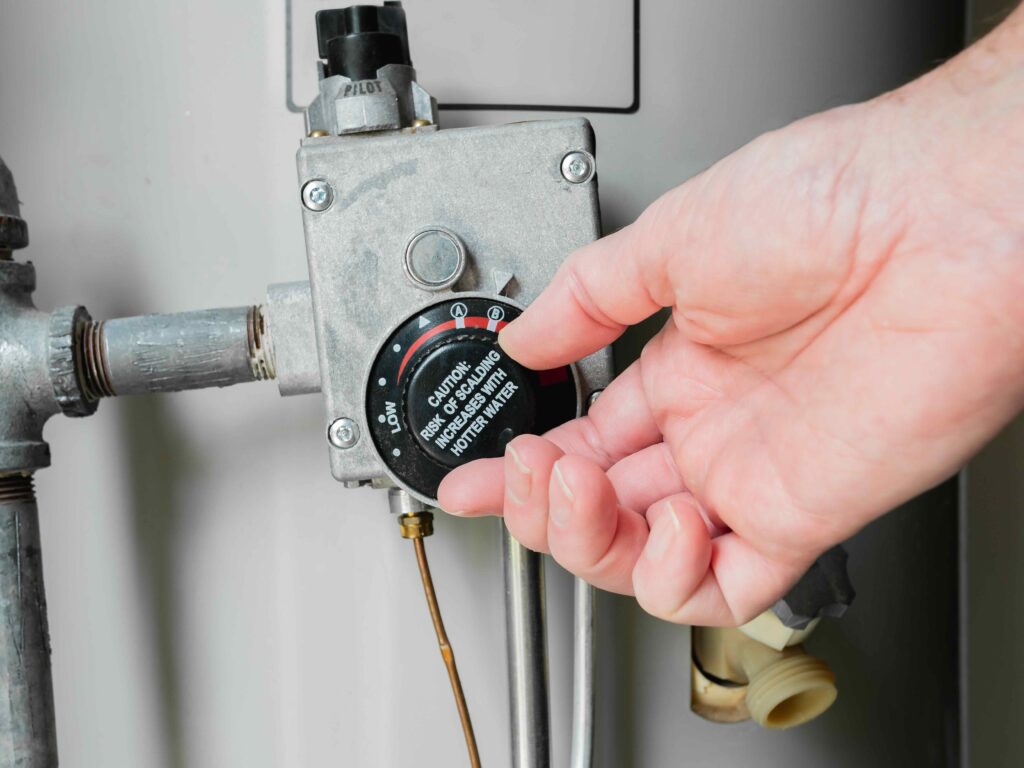
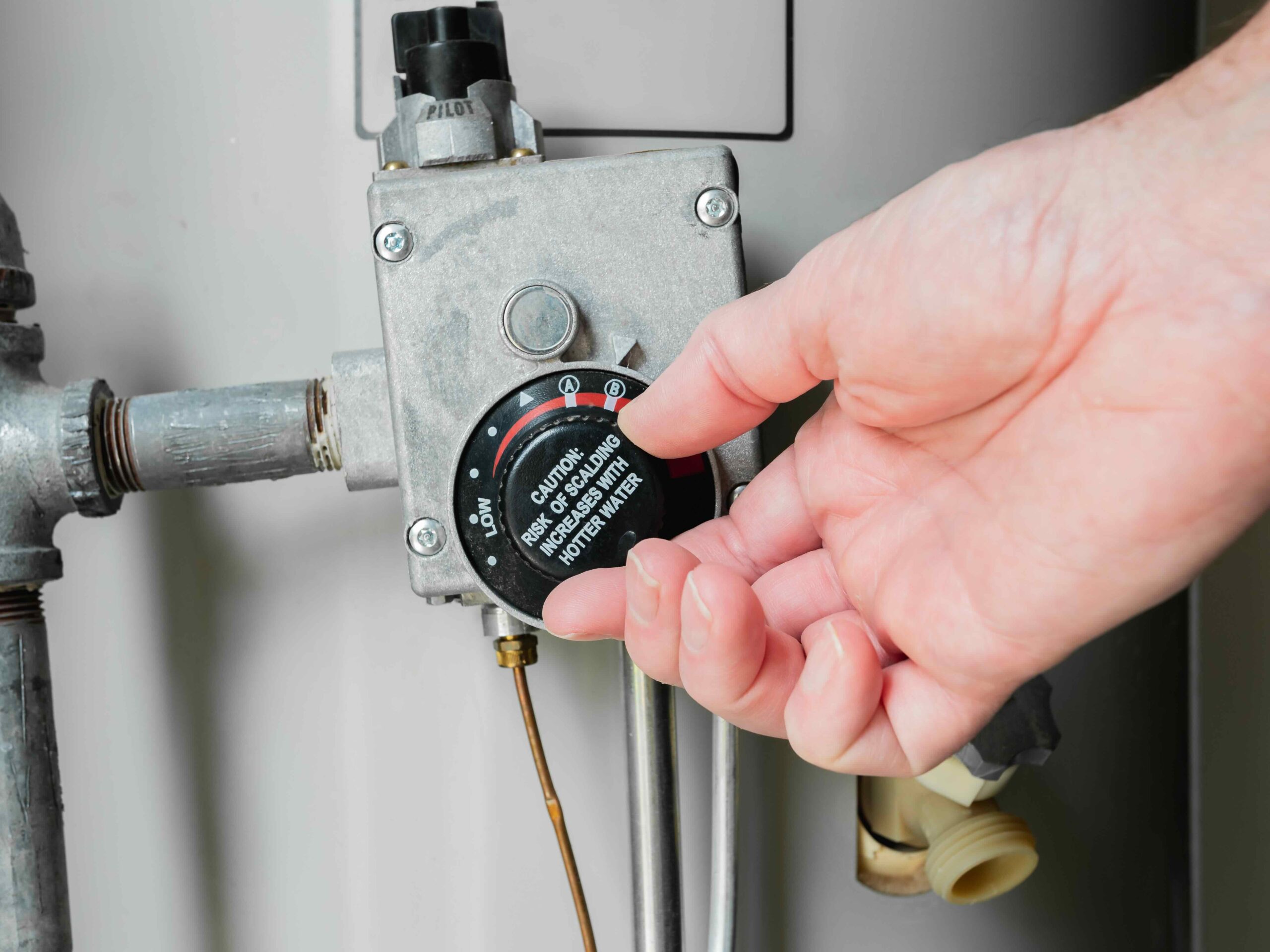
Begin with the obvious. Check whether the pilot light is lit. If it’s out, relighting it may restore normal function, provided no gas odor is present. Follow the manufacturer’s instructions exactly, as improper handling can be dangerous. If your unit has an electronic ignition system, listen for a clicking sound. No sound might indicate a failed igniter or electrical connection. Next, verify that the thermostat is set between 120 and 140 degrees Fahrenheit. If everything appears in order, inspect the tank for soot or rust-colored water—both signs that sediment or corrosion may be interfering. Finally, evaluate whether any recent plumbing changes or disruptions (like gas line maintenance) could contribute to the issue.
When It’s Time to Call a Professional
If resetting the thermostat, relighting the pilot, or performing a visual inspection does not resolve the issue, it’s time to contact a licensed technician or file a claim through your home warranty provider. Water heaters involve a combustible fuel source and pressurized systems, both of which require specialized knowledge to service safely. Avoid handling gas lines, removing burner assemblies, or draining tanks without proper training. Likewise, if your heater is more than 10 to 12 years old, the issue could stem from wear and tear that pushes it past the point of repair. A professional evaluation will confirm whether replacement or targeted repair is the best course.
Benefits of Gas Water Heaters
Despite occasional issues, gas water heaters continue to offer compelling advantages—chief among them, cost-efficiency and rapid heating. They are generally cheaper to operate than electric models due to the lower cost of natural gas. They can also heat a full tank of water more quickly and recover faster after demand spikes. This makes them particularly attractive for large households or homes with multiple bathrooms. Models with power venting technology offer more flexible installation options and improved energy efficiency. Maintenance, while essential, is not overwhelmingly complex when performed routinely. With proper care, many gas water heaters reliably deliver 10 to 15 years of service.
Drawbacks to Consider
The primary disadvantages stem from safety and maintenance factors. Gas water heaters require proper ventilation to prevent carbon monoxide accumulation, which means installation and repairs must follow strict codes. Sediment accumulation can reduce efficiency, shorten lifespan, and require periodic flushing—particularly in areas with mineral-heavy water. Gas leaks, though rare, present a serious hazard. Advanced features like electronic ignition systems or power venting motors, while helpful, can also increase costs upfront and expand the range of potential failure points. Finally, installation costs tend to be higher, especially when transitioning from electric to gas due to the need to add or modify gas lines and venting systems.
Tips to Keep Your Gas Water Heater Performing Optimally
Maintenance is the key to long-term performance. Flushing the tank annually can help prevent sediment buildup and corrosion. Check the anode rod every couple of years; it’s a small, replaceable component that protects your tank from rusting. Be proactive about inspecting the T&P valve to ensure it’s functioning properly to prevent overpressure. If your heater has a pilot light, make a habit of visually confirming it monthly, especially during colder months when condensation can extinguish it. For models with a venting system, ensure airflow is unobstructed. Schedule a professional inspection every two to three years to check for leaks, clean the burner, and ensure all components are safe and efficient.
Protecting Your Hot Water—and Your Wallet—with Armadillo
Hot showers shouldn’t be a gamble, and neither should your repair bills. If you’re tired of dreading the next plumbing or appliance issue, consider putting a home warranty like Armadillo to work for you. Our coverage helps shield your budget from the unpredictable reality of homeownership, including common gas water heater failures. Whether it’s a pilot light sensor failure, sediment-clogged tank, or a sudden shut-off with no warning, we have your back. Armadillo offers fast, friendly support and modern tools to simplify your claims experience. Start building your custom plan today at Armadillo.one or head straight to the sign-up process at our plan builder. Keep your home flowing and your costs predictable. Because hot water is never optional.