What Is a Tub Shower Faucet Diverter and Why Should You Care?
Most homeowners interact with a tub shower faucet diverter every single day without giving it a second thought. It is that small knob, lever, or button on your bathtub faucet that redirects water from the tub spout up to the showerhead. One pull or push, and suddenly water travels upward instead of pouring out below. Simple in theory, but when it stops working correctly, the frustration is immediate. Water dribbles from both the spout and the showerhead at the same time, pressure drops significantly, and what should be a quick shower becomes an exercise in patience. Understanding this component — how it works, what can go wrong, and how it fits into the broader picture of your home plumbing — is genuinely useful information for any homeowner.
How a Tub Shower Faucet Diverter Actually Works
At its core, the diverter is a valve. When you activate it, a gate or stopper inside the spout or faucet body shifts position to block the primary water flow path and redirect that pressure upward through the supply line connected to your showerhead. There are a few common configurations. The most basic is the pull-up diverter, which is built right into the tub spout itself — you pull a small ring or knob upward, and water reroutes to the shower. There is also the three-valve diverter, typically found on faucets with two separate handles, where a middle handle controls the redirection. Finally, the two-valve diverter operates similarly but is integrated differently into the faucet assembly. Regardless of the type, the mechanical principle is largely the same: create a pressure differential that forces water to take a different path.
Common Types of Diverters Found in Residential Bathrooms
Knowing which type of diverter your bathroom has matters when something goes wrong or when you are shopping for a replacement. Here is a quick breakdown of the most common configurations you will encounter in residential settings:
- Pull-up tub spout diverter: The most common and affordable type, integrated directly into the tub spout
- Three-valve diverter: A separate center valve between hot and cold handles, common in older or more traditional bathroom setups
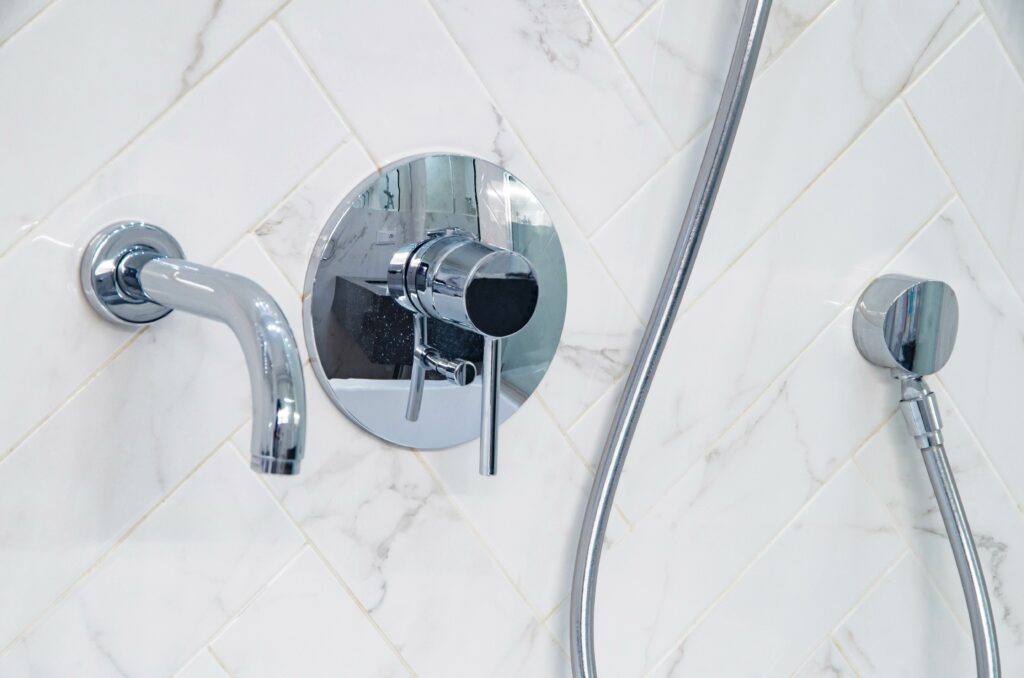
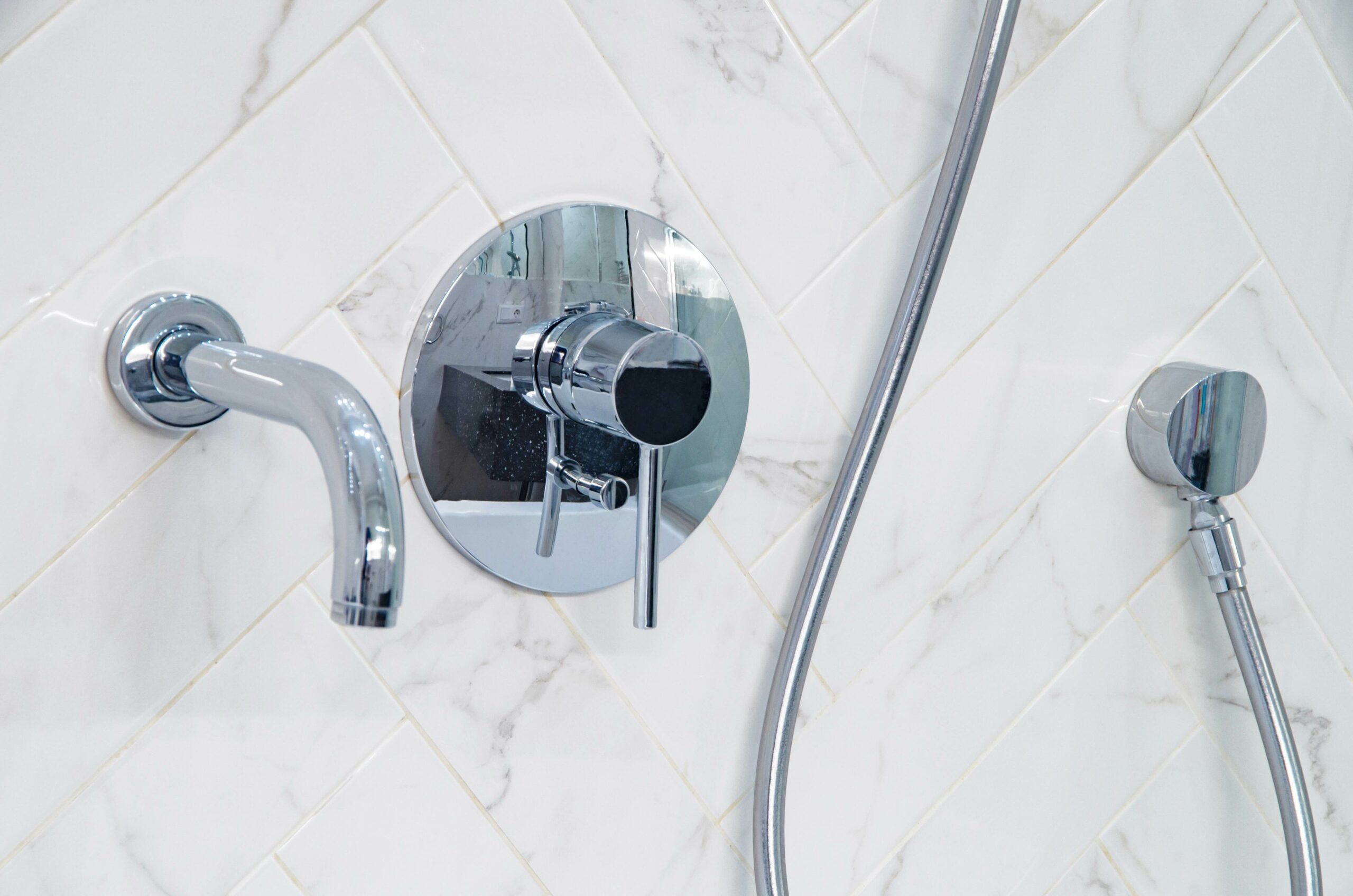
- Two-valve diverter: Built into a single-handle faucet system, redirecting flow through the handle mechanism itself
- Push-button diverter: Found in more modern or designer fixtures, activated by a button rather than a pull or twist motion
Key Advantages of a Properly Functioning Diverter
When the diverter is in good working order, it does exactly what it is supposed to do without drawing any attention to itself. That is honestly the best thing you can say about any plumbing component. A properly functioning diverter delivers full water pressure to whichever outlet you select, prevents water from simultaneously flowing through both the tub spout and the showerhead, and gives you clean, reliable control over your bathing experience. It also plays a quiet role in water conservation — when water is not split between two outlets inefficiently, you are using only what you need. Over years of use, that kind of efficiency adds up in a meaningful way.

Common Problems and Drawbacks to Know About
The diverter is not a particularly complex component, but it is one that wears out over time. Mineral deposits from hard water are among the most frequent culprits behind diverter failure. Calcium and lime build up inside the valve mechanism, making it difficult to engage or disengage properly. A worn rubber seal or O-ring can cause water to bypass the gate and leak through both outlets simultaneously. Pull-up diverters in tub spouts are especially susceptible to this — the spring mechanism inside weakens, and the diverter no longer holds its position under water pressure. You will also occasionally encounter diverters that simply become stuck, either frozen in one position due to mineral buildup or physically broken from years of use.
How to Tell If Your Diverter Needs Attention
The signs of a failing tub shower faucet diverter are usually pretty obvious once you know what to look for. Water flowing simultaneously from both the tub spout and showerhead is the clearest signal. Reduced water pressure in the shower, a diverter that will not stay in the engaged position, or one that is difficult to pull, push, or turn are all indicators that the component is wearing out. In some cases, you may notice water coming out at an uneven stream or with an unusual sound, which can point to internal obstruction from mineral buildup. These are not emergencies in most cases, but they are worth addressing sooner rather than later to prevent water waste and further wear on surrounding components.
DIY Repair vs. Professional Replacement
Here is where homeowners often face a decision. Replacing a tub spout diverter is generally considered a manageable DIY task for someone who is comfortable with basic plumbing. The spout itself typically unscrews from a threaded pipe or is held in place by a set screw, and replacement spouts are available at most hardware stores for a relatively modest cost. However, three-valve and two-valve diverters that are integrated into the faucet body can be considerably more involved to replace. The internal cartridge or valve stem may need to be swapped out, which sometimes requires turning off the water supply and disassembling part of the wall access panel. If there is any uncertainty, calling a licensed plumber is the smarter move — a small repair handled incorrectly can become a much larger issue behind the wall.
Maintenance Tips to Extend the Life of Your Diverter
Prevention is always more cost-effective than repair. A few straightforward habits can significantly extend the functional life of your tub shower faucet diverter. Periodically cleaning the tub spout and diverter with a vinegar solution helps dissolve mineral deposits before they become a problem. Avoiding excessive force when engaging or disengaging the diverter reduces mechanical wear on the internal components. If your home has hard water, installing a whole-home water softener or a showerhead filter can meaningfully slow the rate of mineral buildup throughout your plumbing system. These are small investments in maintenance that protect larger investments in fixtures and plumbing infrastructure.
How Diverter Issues Fit Into the Bigger Plumbing Picture
A tub shower diverter rarely fails in complete isolation. Often, when a diverter starts showing signs of wear, it is a signal that other components in the same fixture — the faucet cartridge, the washers, the O-rings — may not be far behind. Plumbing systems age as a whole, and the bathroom is one of the highest-use areas in any home. Staying proactive about minor repairs and understanding how individual components work within the system helps homeowners avoid the scenario where a small overlooked issue becomes a significant plumbing repair. This is also where having a home warranty in place becomes a genuinely practical financial consideration.
Why Armadillo Is the Smart Choice for Plumbing Coverage
When a tub shower faucet diverter fails or a related plumbing component needs professional attention, repair costs can catch homeowners off guard. That is exactly the kind of unexpected expense that a home warranty is designed to address. Armadillo home warranty coverage for plumbing systems and fixtures is built with real homeowners in mind — straightforward plans, honest terms, and coverage that actually applies to the systems you use every day. There are no complicated fine-print surprises, just dependable protection when something stops working the way it should. If you want to see what coverage looks like for your specific home without any commitment, you can get a free home warranty quote for your tub, shower, and plumbing systems in just a few minutes. Protecting the systems behind your walls — including the small but important components like diverters — is one of the most practical things a homeowner can do.

Frequently Asked Questions About Tub Shower Faucet Diverters
Here are answers to the questions homeowners ask most often about tub shower faucet diverters, how they work, and what to do when something goes wrong.
What does a tub shower faucet diverter do?
A tub shower faucet diverter redirects water flow from the tub spout to the showerhead. When activated, it blocks the primary outlet and forces water pressure upward through the shower supply line.
How long does a tub shower diverter typically last?
Most diverters last between five and fifteen years depending on water quality, frequency of use, and the quality of the original fixture. Hard water environments tend to shorten that lifespan significantly.
Why is water coming out of both the tub spout and showerhead at the same time?
This is the most common sign of a failing diverter. The internal gate or seal is no longer holding position, allowing water to bypass the diverter and exit through both outlets simultaneously.
Can I replace a tub shower diverter myself?
In many cases, yes. A pull-up tub spout diverter is one of the more accessible DIY plumbing repairs. More complex diverter valves integrated into faucet cartridges may require a licensed plumber.
How much does it cost to replace a shower diverter?
A replacement tub spout with an integrated diverter typically costs between fifteen and fifty dollars for the part. Professional installation can range from one hundred to three hundred dollars depending on the complexity of the repair and local labor rates.
What causes a diverter to fail?
Mineral buildup from hard water, worn rubber seals and O-rings, a weakened internal spring, and simple mechanical wear from years of regular use are the most common causes of diverter failure.
Is a failing diverter covered by a home warranty?
Coverage depends on the specific home warranty plan. Many plans cover plumbing systems and interior components including valves and faucet mechanisms. Reviewing your plan details or contacting your provider directly is the best way to confirm what is included.
How do I know which type of diverter I have?
Look at your tub faucet configuration. A pull ring or knob on the spout itself indicates a pull-up diverter. A separate center handle between hot and cold handles indicates a three-valve diverter. A single-handle faucet with a built-in redirect mechanism is a two-valve diverter.
Can hard water damage my diverter?
Yes. Hard water deposits calcium and lime inside the valve mechanism over time, which can restrict movement, cause the diverter to stick, and eventually prevent it from sealing properly. Regular cleaning and water softening can slow this process.
Should I repair or replace a failing diverter?
For pull-up tub spout diverters, replacement of the entire spout is often more practical than attempting to repair the internal mechanism. For valve-integrated diverters, a plumber can assess whether a cartridge replacement or full valve replacement is the appropriate solution.