What Is a Tub Water Diverter and Why Does It Matter in Your Home?
If you have ever pulled a small knob or lever near your bathtub faucet to send water up to the showerhead, you have already used a tub water diverter. It is one of those components most homeowners never think about until it stops working. And when it does stop working, the annoyance is immediate — water splits between the tub spout and the showerhead, pressure drops, and your shower suddenly feels like it is giving up on life. Understanding what this part does, how it functions, and what can go wrong is genuinely useful knowledge for any homeowner, especially when it comes to maintenance decisions and warranty coverage.
How a Tub Water Diverter Actually Works
The mechanics behind a tub water diverter are relatively straightforward, even if the name sounds more technical than it is. When water flows from your home’s plumbing supply, it enters the faucet and defaults toward the tub spout — that is the path of least resistance. The diverter is essentially a valve that interrupts that flow path. When you activate it, a gate or stopper blocks the tub spout outlet, which forces the water pressure to redirect upward through a separate pipe connected to the showerhead. Release the diverter and gravity does the rest, returning water flow to the spout. The entire system relies on pressure dynamics and a well-sealed internal valve to work properly. When that seal degrades, so does your shower experience.
The Different Types of Tub Diverters Found in Homes
Not all tub water diverters are the same, and knowing which type you have can save time when troubleshooting or shopping for a replacement. There are three common configurations found in residential bathrooms.
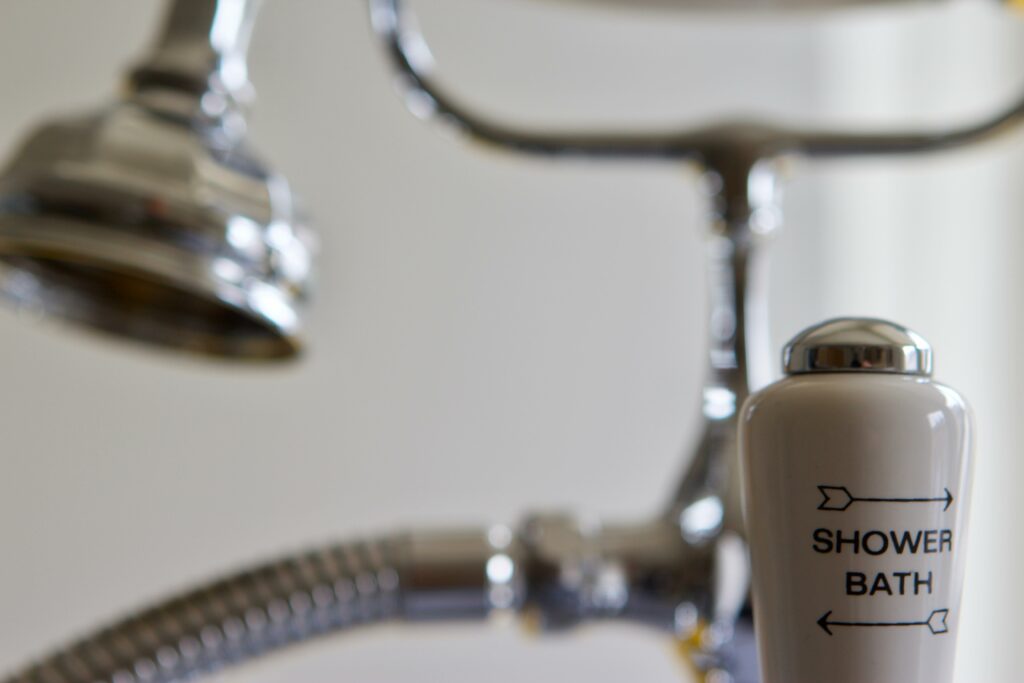
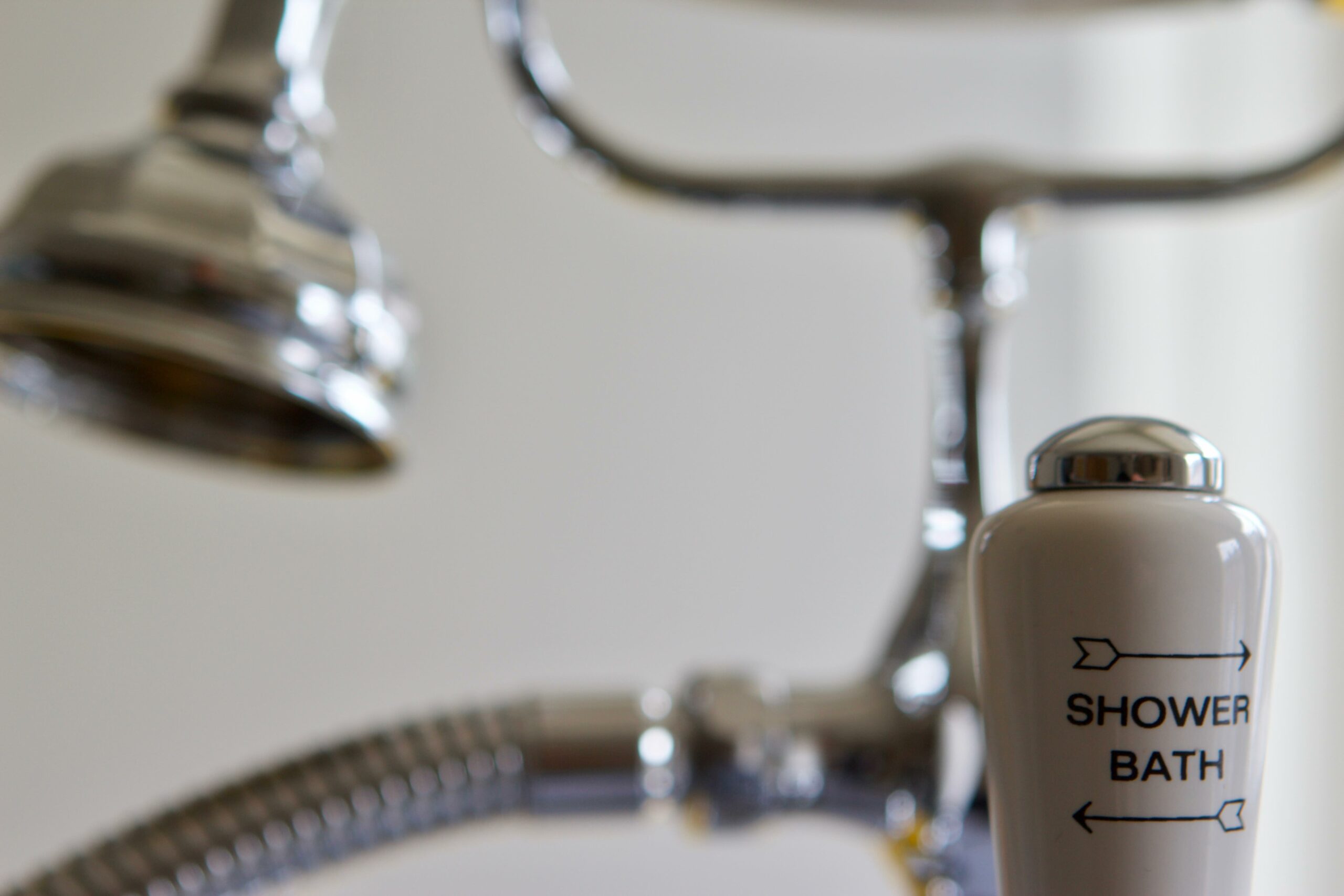
- Three-valve diverter: Found in setups with two separate handles for hot and cold, plus a third handle in the middle that controls the diversion. Rotating that center handle switches water between the tub and shower.
- Two-valve diverter: Typically a lever or knob built into the faucet body itself. Turning it redirects the flow without a separate dedicated valve.
- Tee diverter: The most basic type. It sits inside the tub spout and activates by pulling up a small tab or knob. These are extremely common in older homes and standard builder-grade setups.
Each type has a different lifespan and replacement process, which matters when you are trying to plan ahead for maintenance or file a service claim.
Key Advantages of a Properly Functioning Diverter
A tub water diverter might be a small component, but its performance has a real impact on daily life. When it is working the way it should, the benefits are easy to take for granted. Full water pressure reaches the showerhead without any split or leakage at the spout. You get a consistent, comfortable shower experience without having to hold anything in place or compensate for poor pressure. Beyond comfort, a fully functional diverter also protects your plumbing. When water is properly redirected, there is less stress on surrounding pipe joints and fittings. It is a simple mechanism, but one that touches both the user experience and the structural integrity of your bathroom plumbing system.

Common Problems and Drawbacks Homeowners Experience
Here is where things get practical. Tub water diverters are durable, but they are not indestructible. Mineral deposits from hard water are one of the most common culprits behind a diverter that sticks, slips, or fails to seal properly. Over time, calcium and lime buildup can prevent the internal gate from forming a complete seal, which means water leaks through the spout even when the shower is supposed to be running at full pressure. Worn rubber washers and O-rings are another frequent issue — they degrade with regular use and heat exposure, gradually reducing the diverter’s ability to block the spout outlet. In some cases, the diverter tab itself breaks off entirely, which makes it impossible to activate without replacing the spout or valve assembly. These are not catastrophic failures, but they are inconvenient ones that tend to happen at the least convenient times.
Signs Your Tub Diverter Needs Attention
Most diverter problems give early warning signs before they become full failures. Catching them early usually means a simpler and less expensive repair. Watch for reduced showerhead pressure even when the diverter appears fully engaged. Pay attention to water trickling from the tub spout while the shower is running — that is almost always a sign the internal seal is compromised. A diverter that feels stiff, grinds, or does not spring back into place after releasing is also signaling wear. If any of these symptoms are present, the diverter is worth inspecting sooner rather than later. Ignoring it tends to result in a complete replacement job rather than a simple washer swap.
DIY Repair vs. Calling a Plumber
The appeal of fixing a tub diverter yourself is understandable — parts are inexpensive and widely available. For a tee-style diverter built into a removable tub spout, replacement is often a manageable project. The spout typically unscrews or slides off with a set screw, and a matching replacement can be installed in a short amount of time without specialized tools. However, three-valve and two-valve diverters that are integrated into the wall valve body are a different story. Accessing those components usually requires shutting off the water supply, removing trim hardware, and potentially working behind the wall surface. If there is any uncertainty about the valve type or configuration, bringing in a licensed plumber is the smarter move. Improper repairs on integrated valve assemblies can lead to leaks inside the wall — a significantly more expensive problem than the original diverter issue.
How Long Should a Tub Water Diverter Last?
With normal use and reasonable water quality, a tub water diverter can last anywhere from five to fifteen years. Homes with hard water tend to see earlier deterioration because of the accelerated mineral buildup inside the valve. Frequency of use matters too — a guest bathroom diverter will naturally outlast one in a heavily used primary bathroom. Routine cleaning with a descaling solution can extend the life of the component meaningfully, particularly for tee-style spout diverters that are more exposed to water chemistry. Replacing rubber washers and O-rings at the first sign of wear is also a cost-effective maintenance habit that delays the need for a full replacement.
Does a Home Warranty Cover Tub Water Diverter Repairs?
This is the question that catches a lot of homeowners off guard. Whether a home warranty covers a tub water diverter depends heavily on how the policy defines plumbing system coverage. Many home warranty plans include plumbing system components, which often encompasses internal valves and supply-side mechanisms — and a diverter valve generally falls within that scope. The key is reading the coverage details carefully. Some plans exclude cosmetic components or external fixtures, which could affect coverage for a spout-integrated tee diverter. Understanding the specific language in your plan before a repair becomes necessary is genuinely important. Knowing in advance what is and is not covered eliminates surprises when something breaks.
Why Armadillo Is Worth Considering for Plumbing Protection in Your Home
When a tub water diverter fails, the repair itself is often quick — but identifying a reliable, responsive warranty provider to back you up is a longer-term decision that deserves real attention. Armadillo is built specifically for homeowners who want transparent, straightforward coverage without the fine-print frustration that tends to define the home warranty experience. If you are looking for a home warranty plan that covers essential plumbing components like tub diverters and valves, Armadillo offers clear terms, responsive service, and coverage that is designed around how real homeowners actually live. There are no confusing tiered structures designed to obscure what is actually protected. When something in your bathroom plumbing stops working, the last thing you want is to discover that your coverage has an asterisk attached. You can get a free home warranty quote for plumbing and appliance coverage in just a few minutes and know exactly what you are getting before you commit to anything. That kind of clarity is harder to find than it should be in this industry, and it is something Armadillo takes seriously.

Frequently Asked Questions About Tub Water Diverters
Here are answers to the most common questions homeowners have about tub water diverters, how they work, and what to expect when things go wrong.
What does a tub water diverter do?
A tub water diverter redirects water flow from the bathtub spout up to the showerhead when activated. It works by blocking the spout outlet, which forces pressurized water to travel through the shower pipe instead.
How do I know if my tub diverter is failing?
The most common signs include water leaking from the tub spout while the shower is running, reduced showerhead pressure, a diverter that sticks or does not return to its resting position, or a broken pull tab on the spout.
Can I replace a tub diverter myself?
If you have a tee-style diverter built into a removable tub spout, replacement is generally a straightforward DIY task. Diverters integrated into wall-mounted valve bodies are more complex and typically benefit from professional installation.
How long does a tub water diverter last?
A tub water diverter typically lasts between five and fifteen years depending on water quality, frequency of use, and whether routine maintenance such as descaling has been performed.
What causes a tub diverter to stop working?
Mineral buildup from hard water, worn rubber washers or O-rings, physical damage to the pull tab, and general wear from regular use are the most common causes of diverter failure.
Does hard water affect my tub diverter?
Yes. Hard water accelerates mineral deposit buildup inside the diverter valve, which can prevent it from sealing properly or cause it to stick. Regular cleaning with a descaling solution helps reduce this impact.
How much does it cost to replace a tub water diverter?
A basic tub spout with a built-in tee diverter typically costs between fifteen and fifty dollars in parts. If a plumber is needed for a wall-integrated valve diverter, labor costs can bring the total repair to one hundred fifty dollars or more depending on your location and the complexity of the job.
Is a tub diverter covered under a home warranty?
Many home warranty plans that include plumbing system coverage will cover internal valve components like diverters. Coverage for spout-style external diverters may vary by provider, so reviewing your specific plan terms is important before assuming coverage applies.
What type of tub diverter do I have?
The easiest way to identify your diverter type is to look at your faucet setup. A pull tab on the tub spout indicates a tee diverter. A center handle between two separate faucet knobs indicates a three-valve diverter. A single lever or knob built into the faucet body typically indicates a two-valve configuration.
Can a faulty tub diverter cause water damage?
A diverter that fails at the spout level primarily causes inconvenience rather than water damage. However, a diverter integrated into a wall valve that develops a leak internally can allow water to accumulate inside the wall cavity, which can lead to more serious structural or mold-related issues over time.