The Ultimate Guide to Understanding Your Home HVAC System
Your home is your sanctuary, and when it comes to maintaining that comfort, few systems are as critical as your HVAC system. Standing for Heating, Ventilation, and Air Conditioning, the HVAC system in your home plays a crucial role in regulating your indoor environment. Navigating the world of HVAC can feel overwhelming, but with the right insights, you can make informed decisions that enhance both comfort and efficiency in your living space. Let’s delve into the intricacies of this essential home system.
What is an HVAC System?
An HVAC system is a complex network of components that work together to control the climate of your home. It incorporates three fundamental functions: heating, cooling, and ventilation. The heating component typically revolves around a furnace or heat pump that warms the air using either electricity, gas, or oil. On the other hand, air conditioning systems cool down your home during warmer months. Ventilation, meanwhile, is responsible for circulating and purifying air, ensuring a constant supply of fresh air while filtering out allergens and other particles.
How Does an HVAC System Work?
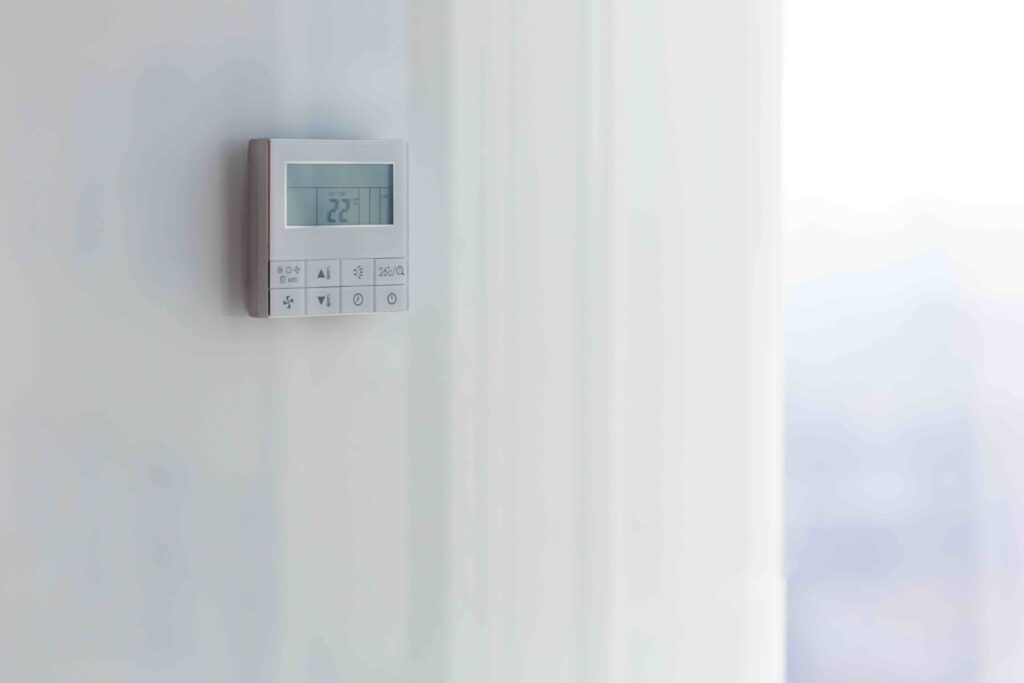
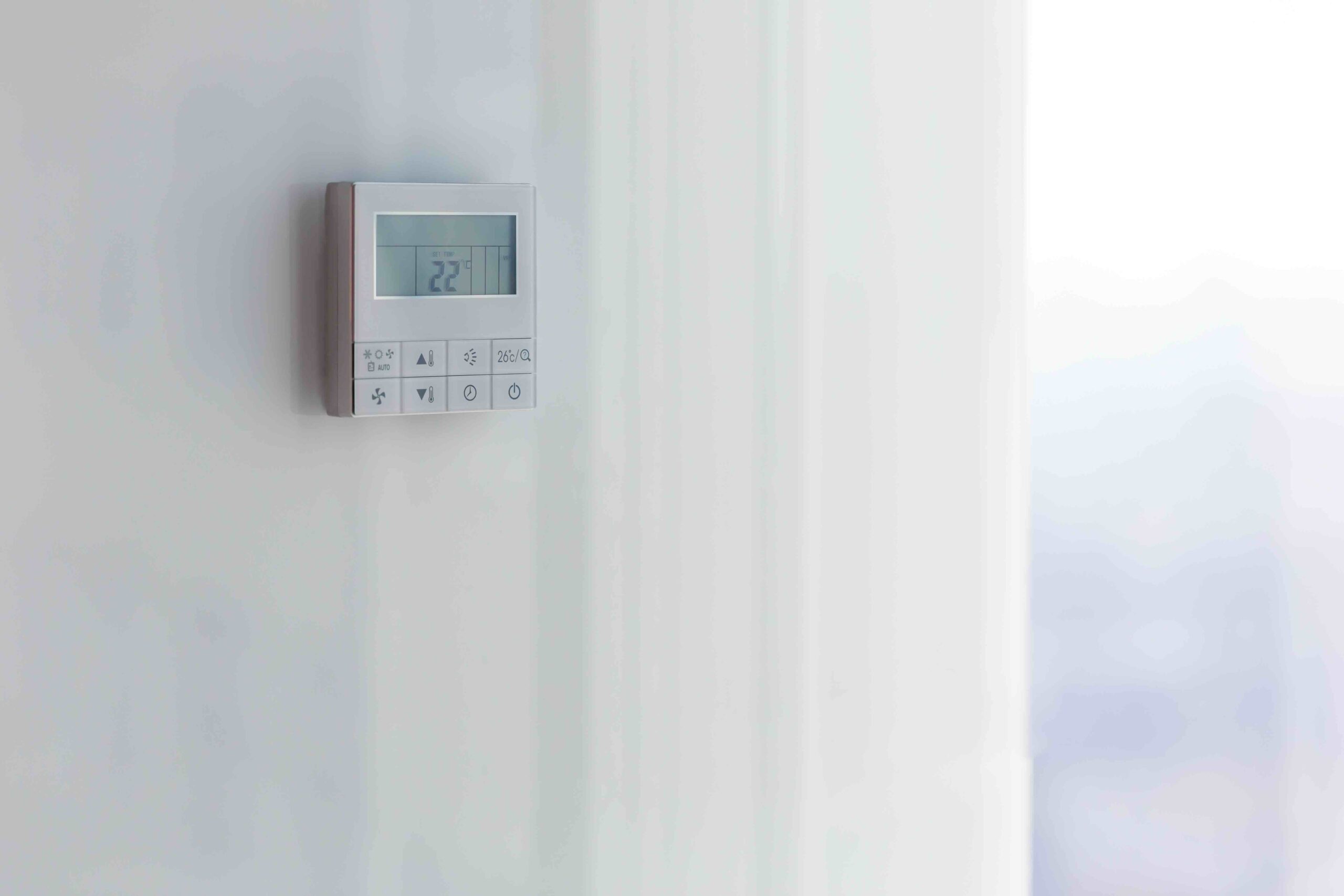
The HVAC system operates by manipulating air displacement through a series of ducts. The thermostat, which serves as the decision maker, detects the current indoor climate and adjusts the system to achieve the desired temperature. Heating entails drawing in cold air, heating it, and distributing it through the ducts. Conversely, air conditioning involves drawing in warm air, cooling it using refrigerants, and circulating it back into the home. Ventilation keeps the air fresh by extracting stagnant air and replacing it with outside air, filtered to remove impurities.
Key Advantages of an HVAC System
The primary advantage of an HVAC system lies in its ability to maintain a consistent and comfortable indoor environment year-round. It offers precise control over the temperature, which can benefit both health and mood. The system enhances air quality by reducing humidity and circulating filtered air, making homes allergen-free zones. Moreover, modern HVAC systems are increasingly energy-efficient, translating to reduced utility bills and a lower carbon footprint, aligning your home with sustainable practices.
Common Drawbacks of HVAC Systems
No system is without its drawbacks. For HVAC systems, the initial installation cost can be significant, especially for more advanced setups. Maintenance is another factor to consider, as neglecting regular servicing can lead to inefficiencies and costly repairs. Systems that are not correctly configured may lead to uneven air distribution, resulting in hot or cold spots within the home, which can be frustrating for homeowners aiming for uniform comfort.
Making Your HVAC System More Efficient
Efficiency is key to getting the most from your HVAC system. Regular maintenance, such as changing filters and ensuring that ducts are sealed, can optimize performance and reduce energy consumption. A programmable thermostat is an invaluable addition, allowing you to schedule temperature settings in advance, thereby optimizing usage. Additionally, considering upgrades to more energy-efficient systems, like high SEER-rated air conditioners, can significantly cut down on long-term costs.
Improving Your Home with an HVAC System
Integrating an HVAC system into home improvement plans can substantially increase comfort and even add to property value. When planning renovations, consider the layout and size of the system to ensure it complements the home’s design. Energy-efficient upgrades not only enhance comfort but can also serve as attractive features for potential buyers, positioning your home as environmentally conscious and cost-effective.
When to Repair or Replace Your HVAC System
Determining whether to repair or replace your HVAC system can be a dilemma. Routine breakdowns or increasingly high utility bills might signify that a replacement is on the horizon. Conversely, minor issues that can be quickly addressed through maintenance may not warrant a full system overhaul. The age of the unit is a reliable indicator—systems over 10-15 years old might benefit from replacement to leverage newer, more efficient technology.
Armadillo: Your Partner in Home Warranty Solutions
Understanding and maintaining your HVAC system is crucial, but having the right home warranty can provide an extra layer of assurance. Armadillo offers comprehensive home warranty plans that cover critical components like your HVAC system, ensuring peace of mind and financial protection against unforeseen breakdowns. Explore how Armadillo can safeguard your home investment by visiting our homepage or jumpstart the protection process by heading to our signup page to tailor a plan that meets your needs. Make Armadillo a part of your home strategy and enjoy the exceptional comfort and reliability of a well-maintained HVAC system.