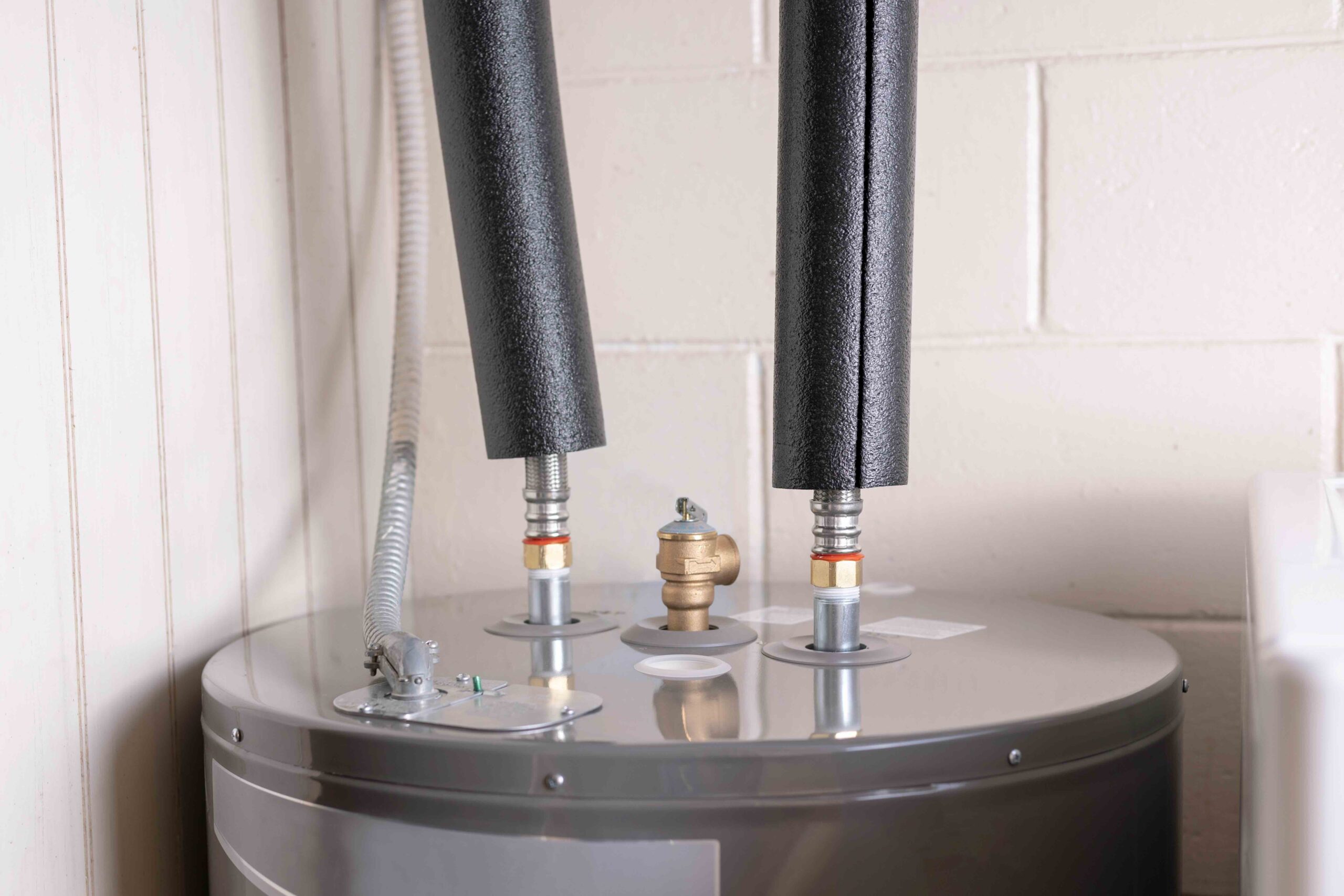
The Ultimate Guide to Insulating Your Hot Water Pipes: An Expert’s Approach to Efficiency and Savings
Insulating your hot water pipes may not be the first thing on your home improvement agenda. However, this straightforward enhancement can have a substantial impact on your home’s energy efficiency, energy bills, and even extend the life of your piping system. In this comprehensive guide, we delve into the essentials of pipe insulation, exploring how it works, its advantages and potential drawbacks, and why it should capture the attention of savvy homeowners everywhere.
Understanding the Basics: What is Hot Water Pipe Insulation?
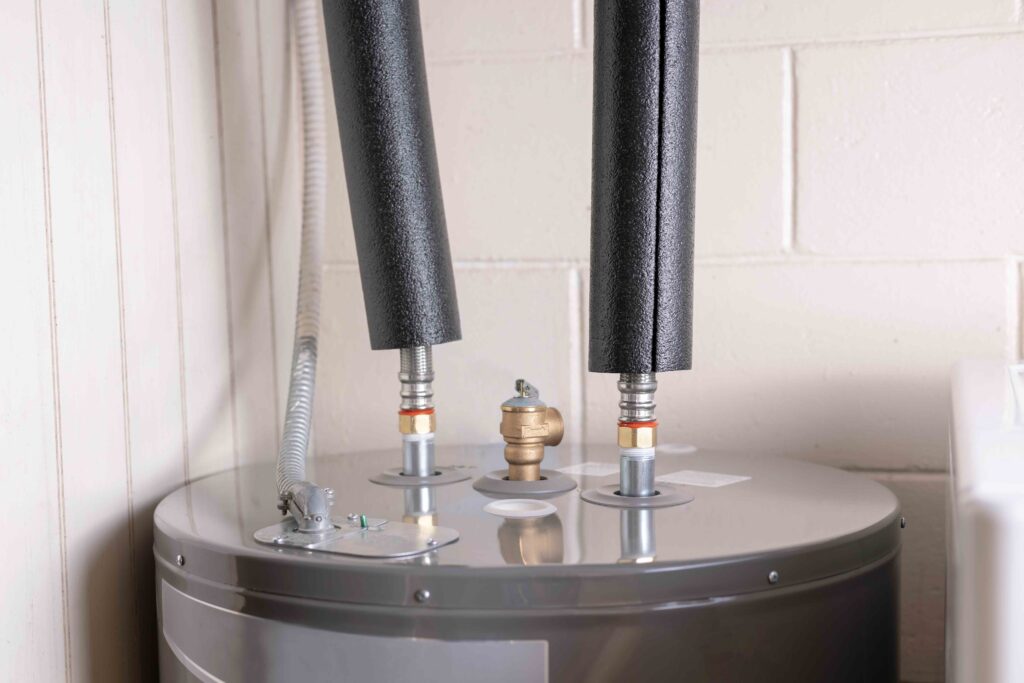
Before diving into the benefits, it’s crucial to define what hot water pipe insulation actually is. Essentially, it’s a material layer surrounded by your hot water pipes, designed to maintain the water temperature as it travels through your home. Not only does it keep hot water hot, but it also curtails heat loss, enhances energy efficiency, and prevents pipes from sweating in humid environments. Common materials include foam, fiberglass, and rubber, each with its unique properties and applications.

The Mechanics of Insulating Hot Water Pipes
Let’s dissect how this works. When you insulate your pipes, you add a barrier that reduces the rate at which heat escapes. It creates a more constant temperature and diminishes the energy consumed to heat your water. Proper insulation minimizes heat loss by up to 80%—an astounding figure when implemented throughout the plumbing system. This efficiency ensures faster delivery of hot water, saving time and reducing water waste while you’re waiting for that warm shower or a pot of boiling water.
Advantages of Pipe Insulation that Every Homeowner Should Know
Savvy homeowners who prioritize efficiency will quickly recognize the advantages of pipe insulation. Lower energy bills are an immediate benefit, since insulated pipes require less energy to maintain water temperature. Moreover, it enhances the speed of hot water delivery, reducing the running time of faucets and decreasing water usage—a boon for sustainability advocates. Furthermore, insulated pipes resist freezing in cold climates, minimizing the risk of pipe bursts and the expensive repairs they necessitate.
Potential Drawbacks: What Should Homeowners Be Aware of?
While the benefits are compelling, it’s crucial to acknowledge some potential downsides. The initial cost of materials and installation can be a consideration, although this is typically offset by long-term savings in energy costs. Additionally, incorrect installation can reduce efficiency and lead to moisture buildup or mold growth in extremely humid environments. Therefore, careful selection of materials and professional installation are recommended to mitigate these issues.
How to Choose the Right Insulation for Your Home
When selecting the best insulation for your hot water pipes, consider factors such as climate, pipe material, and budget. Foam pipe insulation is easy to install and cost-effective, suitable for interior applications. Fiberglass, on the other hand, offers superior temperature resistance, making it ideal for both heated and cooled environments. Rubber insulation, with its excellent moisture resistance, can be invaluable in environments prone to condensation. Your local climate plays a critical role in your selection, influencing both material choice and insulation thickness.
DIY vs Professional Installation: What You Need to Know
Deciding whether to tackle pipe insulation as a DIY project or hire a professional is an important decision. DIY enthusiasts will appreciate that foam insulation is relatively simple to install, often requiring just a few tools and basic know-how. However, for larger or more complex systems, professional installation ensures thorough coverage and optimal efficiency. Professionals can also identify and address potential issues such as leaks or pipe wear during installation.
Long-term Impact on Home Maintenance and Warranty Considerations
Investing in pipe insulation is an investment in your property’s longevity and efficiency. Insulated pipes are less prone to temperature-induced stress, reducing the likelihood of issues that could compromise your plumbing system. This proactive measure, besides lowering energy and maintenance costs, can also favorably impact home warranty coverage decisions. A well-maintained plumbing system might not only preserve warranty validity but also enhance your property’s resale value.
Future-Proof Your Home with Armadillo Home Warranty Services
As we’ve explored, insulating your hot water pipes is a smart way to increase home efficiency and safeguard your plumbing system. To further protect your investment, consider a comprehensive home warranty plan from Armadillo. Tailored to your needs, Armadillo’s services can provide peace of mind by covering unexpected maintenance costs, especially when your plumbing system and water heating components are involved. Visit Armadillo’s website to learn more, and get started with a personalized plan through our plan builder today. Safeguard your home alongside professional-grade insulation, and experience newfound energy savings and peace of mind.