The Ultimate Guide to Yard Drain Systems: Protecting Your Property from Water Damage
Excess water in your yard can be more than just an inconvenience—it can lead to long-term, costly damage to your home’s foundation, landscaping, and even interior spaces. Yard drain systems are essential tools for maintaining the integrity of your property and avoiding water-related disasters. For homeowners, understanding this system is both practical and crucial. A properly designed drainage network not only prevents standing water and soil erosion but also supports the overall health of your home’s structural systems. In this guide, we’ll explore how yard drain systems work, their benefits, drawbacks, and how home warranty protection intersects with outdoor systems that homeowners often overlook.
What Is a Yard Drain System?
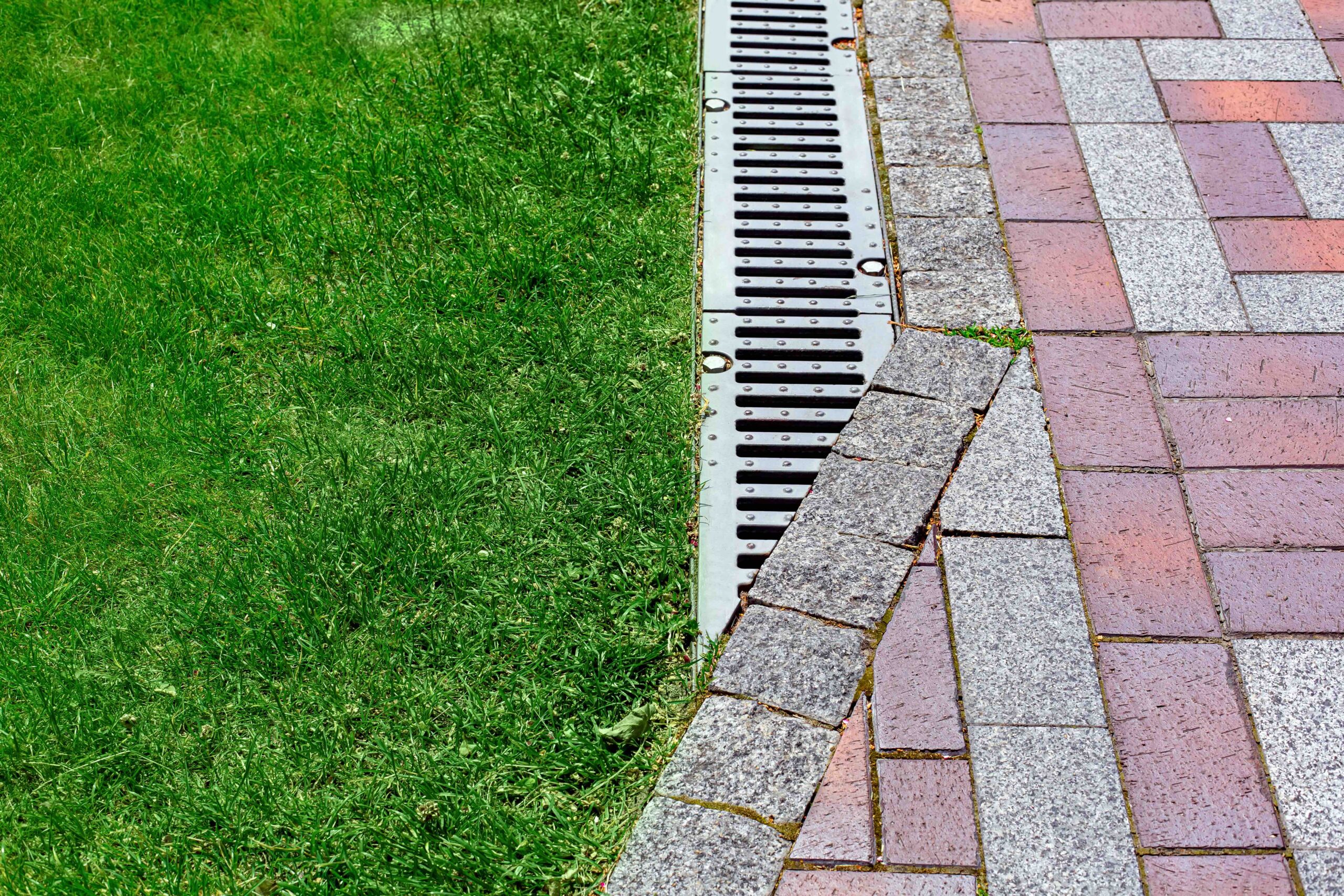
A yard drain system is a strategically designed underground network that redirects excess rainwater or runoff away from your home and landscaping. It’s most commonly used in areas where water pools after heavy rain, slopes toward a structure, or saturates the soil and creates drainage challenges. There are several types of drainage systems used in residential yards, the most common being French drains, catch basins, channel drains, and dry wells. Each serves a specific purpose depending on the layout and geological characteristics of the yard. At its core, a yard drain system acts like the circulatory system of your outdoor space—quietly efficient and critical to the health of your landscape and your home’s foundation.
How Does a Yard Drain System Work?
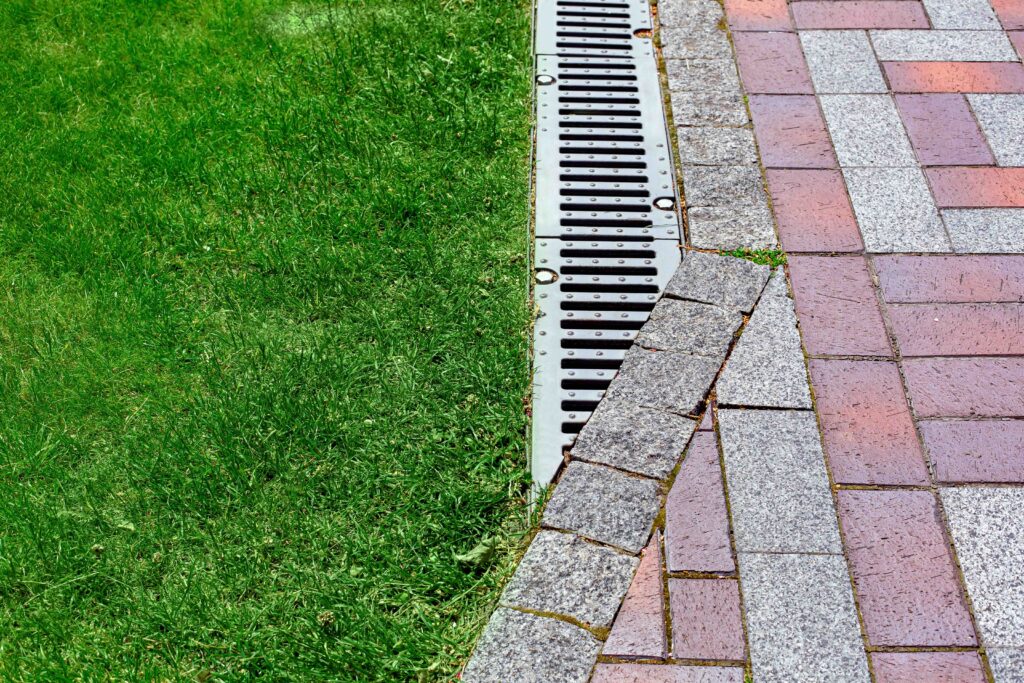
The operation of a yard drain system is simple in concept but nuanced in execution. The system collects water through surface inlets—like basins or grates—and then channels it through underground pipes to a designated drainage point, such as a curbside storm drain, a lower piece of property, or a dry well. Gravity typically does the heavy lifting, using slope angles to move the water without the need for pumps. In more advanced setups, especially for larger or flatter yards, sump pumps might be employed to assist with water flow. French drains use perforated pipes encased in gravel to absorb and move subsurface water, while catch basins collect water at ground level and contain debris filters to keep pipes clear. The key to performance lies in proper installation: poorly planned systems often create more problems than they solve by shifting the water instead of eliminating it.
Advantages of Installing a Yard Drain System
The benefits of a well-functioning yard drainage system are multifaceted. First and foremost, it protects your home’s foundation from water intrusion and soil shifting—two common but often undiagnosed causes of interior water damage and structural instability. Drainage helps preserve landscaping and prevents root rot in plants that can occur from oversaturated soil. It mitigates mosquito colonies that breed in standing water and reduces slip hazards, especially for households with pets, children, or frequent backyard use. A well-drained yard can also increase property value by enhancing curb appeal and safeguarding your investment over time. Beyond aesthetics and safety, drainage systems reduce the burden on sump pumps and interior waterproofing systems by intercepting the threat before it reaches the home.
Common Drawbacks and Considerations
That said, yard drain systems aren’t without their challenges. Improper installation is the most common pitfall. Without the right grading, water may pool in unintended areas or seep into nearby structures. Maintenance is another factor: over time, drains can clog with debris, sediment, or roots, requiring periodic clearing to maintain efficiency. Cost is also a consideration. Depending on the complexity of your property’s drainage needs, professional installation can range from a few hundred dollars for small interventions to several thousand for comprehensive systems. Additionally, some systems may require municipal approval or adherence to stormwater runoff codes. And while these systems are designed to last, they aren’t invincible—tree roots, shifting soil, and freeze-thaw cycles can damage pipes and disrupt flow.
Key Signs You May Need a Drainage System
Identifying the need for a yard drain system often starts with subtle indicators. If you notice persistent puddles, spongy grass, or downspout runoff pooling near your foundation, it’s time to investigate further. Water staining on basement walls, soil erosion around your patio or deck, or visible mold in crawlspaces are secondary signs tied to inadequate outdoor drainage. In heavy rainfall seasons, water should never linger for more than a few hours—its persistence is a red flag. Moreover, if your landscaping seems to be suffering despite proper care, excess water might be compromising root systems. These warning signs shouldn’t be overlooked, as they indicate more than cosmetic issues; they are direct threats to your home’s structure and health.
The Role of Yard Drainage in a Home Warranty Context
Home warranties typically focus on internal appliances and mechanical systems—HVAC, plumbing, electrical—but the connection between yard drainage systems and these indoor systems is tighter than most homeowners realize. Poor drainage can lead to flooding, which often impacts water heaters, HVAC components, and interior plumbing infrastructure. While external drainage solutions themselves may not be covered, a home warranty can provide an essential safety net when water damage indirectly affects covered systems. For instance, if standing water leads to sump pump failure, a sound policy would help offset repair or replacement costs. It’s critical for homeowners to understand what’s protected and how preventative measures like yard drainage can reduce claims or extend the life of covered components. Protecting the outside often helps protect what’s inside.
Best Practices for Choosing and Maintaining a Drainage System
Selecting the right drainage approach starts with an accurate assessment of your yard’s topography, soil composition, and existing water movement. For homeowners unsure where to start, a professional drainage consultation is well worth the investment. Maintenance is an ongoing commitment. Regularly remove leaves, sediment, and debris from grates and catch basins, especially after storms. Inspect outlet points seasonally to ensure unrestricted flow. For French drains, checking for signs of clogs or water backing up can help catch issues early. Be mindful of changes to your landscaping that could affect slope or create barriers to flow. Even adding a garden bed or new patio can impact drainage performance. The most effective systems are not only well-built but vigilantly maintained over time. Including drainage-focused inspections as part of your home upkeep checklist can pay long-term dividends.
Why Partner with Armadillo for Smarter Home Protection
Yard drain systems may exist outside the walls of your home, but their impact reaches far beyond the soil. When outdoor issues evolve into indoor problems—whether it’s basement flooding, sump pump overload, or foundation damage—they come with serious repair costs. That’s why having a reliable home warranty provider like Armadillo can make all the difference. While we focus on protecting your home’s covered systems, we understand how interconnected those systems are with the rest of your property’s environment. Proactive homeowners who tackle drainage issues early and invest in a robust home protection plan are building a stronger, safer space for the long haul. Discover how Armadillo can help protect not just the systems in your home, but your peace of mind. Learn more at Armadillo.one or start building your custom plan today at Armadillo Plan Builder.