Why Your Kitchen Sink Drains Slowly and What You Can Do About It
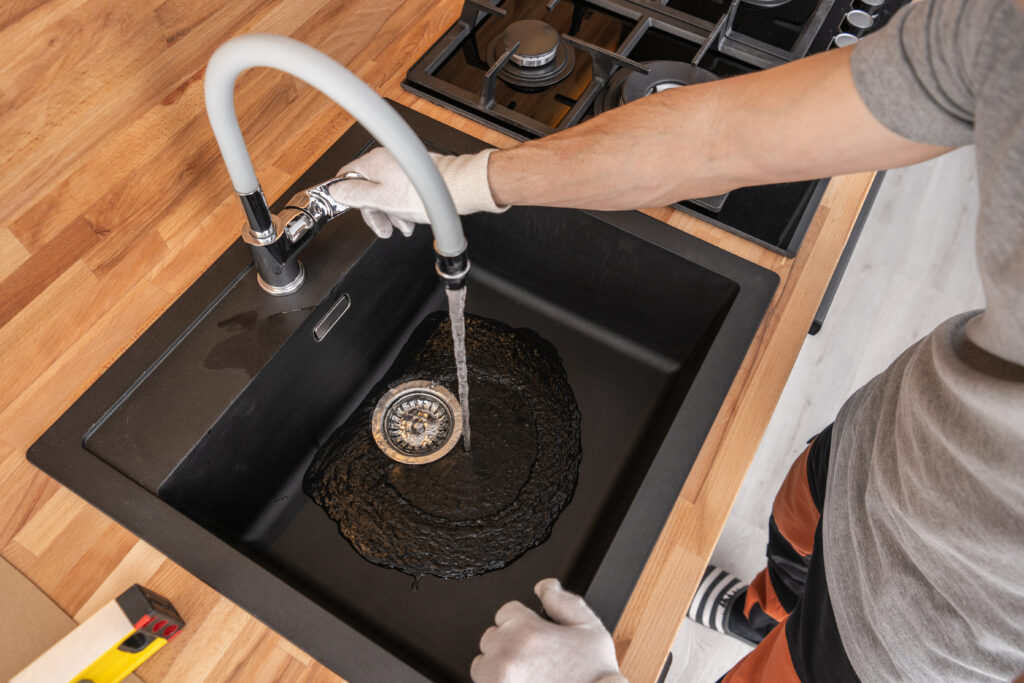
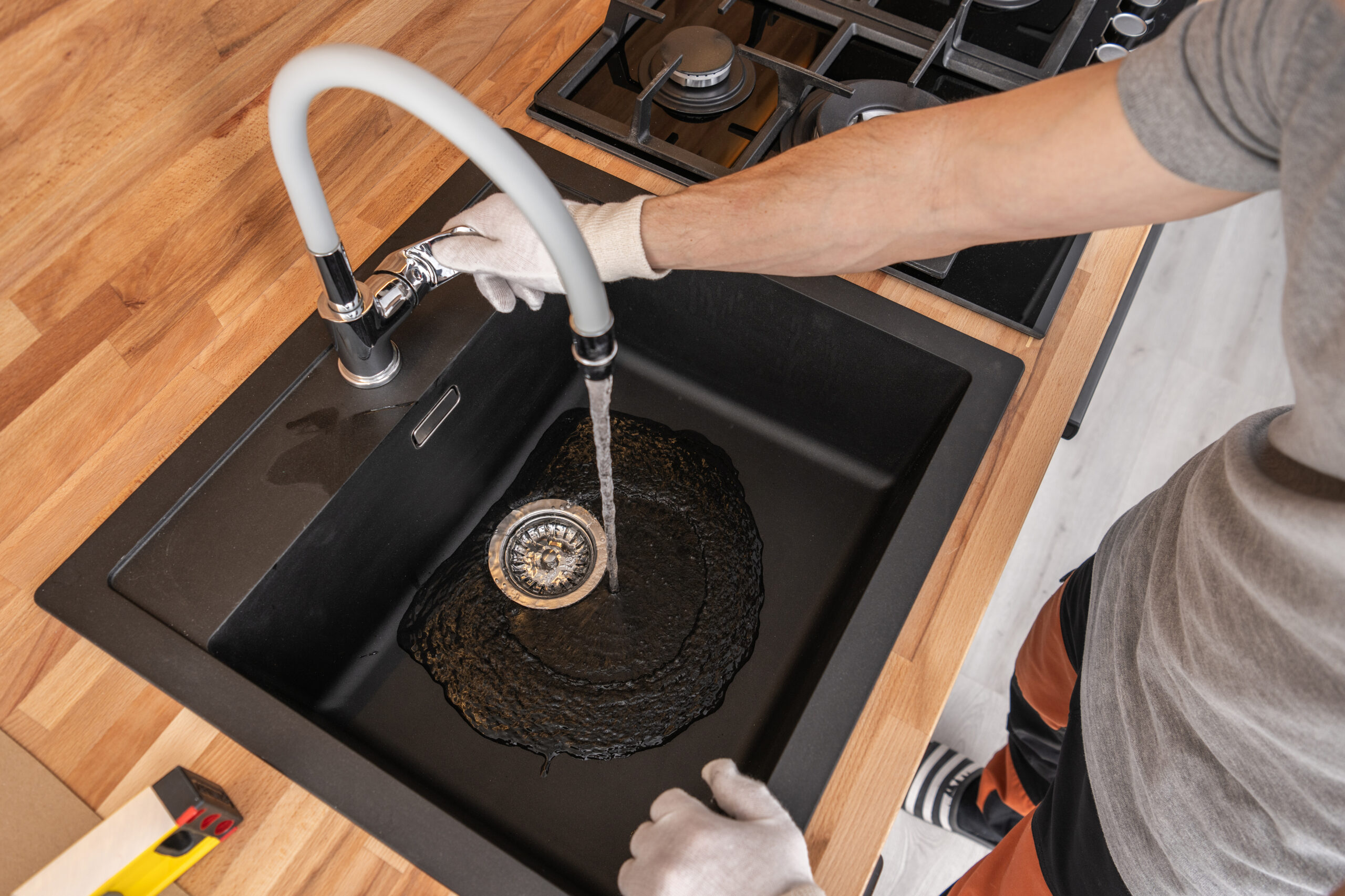
A slow-draining sink is one of those problems that starts as a minor annoyance and gradually becomes impossible to ignore. You run the water, step away, come back, and the basin is still half-full. It happens in kitchens, bathrooms, laundry rooms — anywhere water and daily life intersect. Before you reach for the phone to call a plumber, there is a surprisingly effective and low-cost method worth trying first. Unclogging a sink with vinegar — specifically a combination of white vinegar and baking soda — is a time-tested approach that homeowners have relied on for decades. Understanding how it works, when to use it, and what its limitations are can help you make smarter decisions about your home’s plumbing and long-term maintenance strategy.
What Actually Causes a Clogged Sink Drain
Most sink clogs do not appear overnight. They build gradually over weeks and months, layer by layer, as everyday residue accumulates inside the drain pipe. In kitchen sinks, the most common culprits are grease, cooking oil, food particles, and soap buildup. These substances coat the interior walls of the drainpipe and slowly narrow the passage through which water flows. In bathroom sinks, the story is slightly different — hair, toothpaste, soap scum, and skin cells tend to form a sticky, tangled mass near the drain stopper. In either case, what you end up with is a partial or complete blockage that disrupts normal drainage. The good news is that many of these organic, soft blockages respond well to non-chemical, non-mechanical intervention — which is exactly where the vinegar method comes into play.
How to Unclog a Sink with Vinegar and Baking Soda
The process is straightforward and takes about thirty minutes from start to finish. You do not need special equipment or professional-grade chemicals. Here is what to do:
- Start by removing any standing water from the sink basin so the drain is accessible.
- Pour one pot of boiling or very hot water directly down the drain to loosen initial buildup.
- Add one-half cup of baking soda to the drain and let it sit for a few minutes.
- Pour one cup of white vinegar down the drain immediately after the baking soda.
- Cover the drain opening with a stopper or a damp cloth to direct the reaction downward rather than upward into the basin.
- Wait at least fifteen to twenty minutes before flushing the drain with another round of hot water.
The fizzing reaction between baking soda (a base) and white vinegar (an acid) creates carbon dioxide, which helps dislodge and break apart soft blockages. It is not a miracle solution for every clog, but for grease, soap residue, and minor organic buildup, it works better than most people expect.
The Key Advantages of Using Vinegar to Clear a Drain
There are several compelling reasons why homeowners turn to this method before calling a professional or reaching for a chemical drain cleaner. First, the cost is minimal — baking soda and white vinegar are pantry staples that most households already have on hand. Second, this approach is non-toxic and environmentally responsible. Unlike commercial drain cleaners that contain harsh chemicals such as sodium hydroxide or sulfuric acid, the vinegar method poses no risk to your pipes, your household members, or the water supply. Third, it is gentle enough to use on a variety of pipe materials, including older pipes that might not tolerate aggressive chemical exposure. And finally, it doubles as a deodorizer. Drains that smell musty or sour — a common issue in kitchen sinks — often come out of this process smelling noticeably fresher. That is a hard outcome to argue with.

The Limitations You Should Understand Before You Start
It is worth being honest about what this method cannot do. Vinegar and baking soda will not dissolve a hardened mineral deposit, break apart a grease clog that has been building for years, or clear a blockage caused by a foreign object lodged deep in the pipe. If your sink drains extremely slowly or not at all, and the vinegar method produces no improvement after two or three attempts, that is a signal to escalate. A plunger or drain snake may be the appropriate next step, and if neither of those resolves the issue, a licensed plumber should be consulted. Persistent or recurring clogs can also indicate a deeper problem in your home’s plumbing system — such as a venting issue, pipe misalignment, or buildup deep in the main drain line — that no amount of vinegar can address.
When to Use Chemical Drain Cleaners Instead
Commercial drain cleaners are a common go-to, but they come with real trade-offs. Products containing lye or acid can be highly effective against tough clogs, but repeated use can degrade certain pipe materials over time, particularly older PVC and metal pipes. They also carry safety risks if mishandled. If the vinegar method and a plunger have both failed, a drain cleaner might be appropriate for a one-time situation, but it should not become a regular habit. Always follow the product instructions precisely, ensure the space is ventilated, and avoid mixing any chemical products with each other or with vinegar — that combination can produce harmful gases.
Preventive Drain Maintenance That Actually Works
The most effective clog is the one that never forms. A few consistent habits go a long way in keeping drains clear between cleanings. Running hot water down the drain for thirty seconds after washing dishes helps flush residual grease before it solidifies. Using a mesh drain strainer in the kitchen and bathroom catches debris before it enters the pipe. And performing the baking soda and vinegar treatment once a month — even when the drain seems fine — keeps buildup from accumulating to the point of obstruction. These are small, low-effort actions that can meaningfully reduce the frequency of drain problems over the life of your home.
How Plumbing Issues Connect to Your Home Warranty Coverage
Most homeowners do not think about plumbing coverage until something goes wrong. Drain clogs are generally considered maintenance issues and are not typically covered by a home warranty, but the broader plumbing system — water lines, pipe leaks, and certain fixture components — often is. Understanding the distinction matters. A clog that starts as a minor nuisance can develop into a leak or a burst pipe if left unaddressed, and that escalation is exactly the kind of event where home warranty coverage becomes relevant. Knowing what your policy covers before a problem occurs puts you in a much stronger position to act quickly and cost-effectively when something breaks down.
Signs a Clog Has Become a Bigger Plumbing Problem
Not all slow drains are created equal. Some are the result of localized buildup that a simple DIY fix can resolve. Others are early symptoms of a more serious issue developing somewhere in the plumbing system. Watch for these warning signs:
- Multiple drains in the home are slow or backed up simultaneously, which often points to a main line obstruction.
- Gurgling sounds coming from the drain after water flows down, suggesting a venting or blockage issue deeper in the pipe.
- Water backing up into a tub or shower when a different fixture is used — a strong indicator of a systemic drainage problem.
- A persistent sewage smell emanating from any drain, regardless of how often it is cleaned.
Any of these symptoms warrant a professional inspection rather than another round of vinegar and baking soda. Acting promptly can prevent a manageable issue from becoming a costly repair.
Why Armadillo Belongs in Your Home Protection Plan
Plumbing problems have a way of escalating at the worst possible time, and that reality is exactly why home warranty coverage for plumbing systems and household appliances deserves a place in every homeowner’s financial planning. Armadillo is designed for the way real homeowners live — straightforward coverage, honest terms, and a claims process that does not make you feel like you are navigating a bureaucratic maze. When a DIY fix like unclogging a drain with vinegar reaches its limits and something more serious is going on beneath the surface, having a plan in place means you are not starting from zero. If you want to understand exactly what is covered under your roof before something breaks, now is a good time to get a personalized home warranty quote for your plumbing and home systems and see what Armadillo can do for you.

Frequently Asked Questions About Unclogging a Sink with Vinegar
Does vinegar actually dissolve drain clogs?
Vinegar does not dissolve clogs in the way a chemical drain cleaner might, but the reaction between vinegar and baking soda creates fizzing action that can dislodge and loosen soft organic buildup such as grease, soap residue, and food particles commonly found in kitchen and bathroom drains.
How long should I let vinegar sit in the drain?
After pouring vinegar over the baking soda, cover the drain and allow the mixture to work for at least fifteen to twenty minutes before flushing with hot water. For more stubborn buildup, leaving it for up to thirty minutes may produce better results.
Is it safe to use vinegar in pipes regularly?
Yes. White vinegar is mild enough to use as a monthly maintenance treatment without damaging standard plumbing pipes, including PVC, copper, and older metal pipes. It is a much gentler option than commercial chemical drain cleaners.
What type of vinegar works best for unclogging a drain?
Plain white distilled vinegar is the most effective option for drain maintenance because of its consistent acidity level. Apple cider vinegar can be used in a pinch, but it is less potent and may leave residue behind.
Can vinegar and baking soda damage my pipes?
No. The chemical reaction between baking soda and vinegar is mild and will not corrode or degrade standard household plumbing. It is one of the safest DIY drain treatments available to homeowners.
What should I do if vinegar does not unclog my drain?
If the vinegar method does not improve drainage after two or three attempts, try using a plunger or a drain snake. If neither works, the blockage may be located deep in the pipe or in the main drain line, and a licensed plumber should be contacted.
Why does my sink keep getting clogged even after cleaning it?
Recurring clogs often indicate a systemic issue, such as pipe buildup that extends beyond the immediate drain area, a misaligned pipe, or a venting problem in the plumbing system. Frequent recurrence is a reason to schedule a professional inspection rather than continuing with DIY solutions.
Does a home warranty cover clogged drains?
Clogged drains are typically treated as a maintenance issue and are not covered under most standard home warranty plans. However, if a clog leads to a pipe failure, leak, or damage to a covered plumbing component, those resulting repairs may fall within warranty coverage depending on your specific plan terms.
Can I use boiling water alone to unclog a drain?
Hot water can help loosen grease and soap buildup, and it is a useful first step, but boiling water alone is rarely sufficient to fully clear a clog. It works best as a preparatory step before applying the baking soda and vinegar treatment.
How can I prevent sink clogs from forming in the first place?
Using a mesh drain strainer, avoiding pouring grease down the drain, running hot water after each use, and performing a monthly baking soda and vinegar treatment are among the most effective strategies for preventing drain clogs before they form.