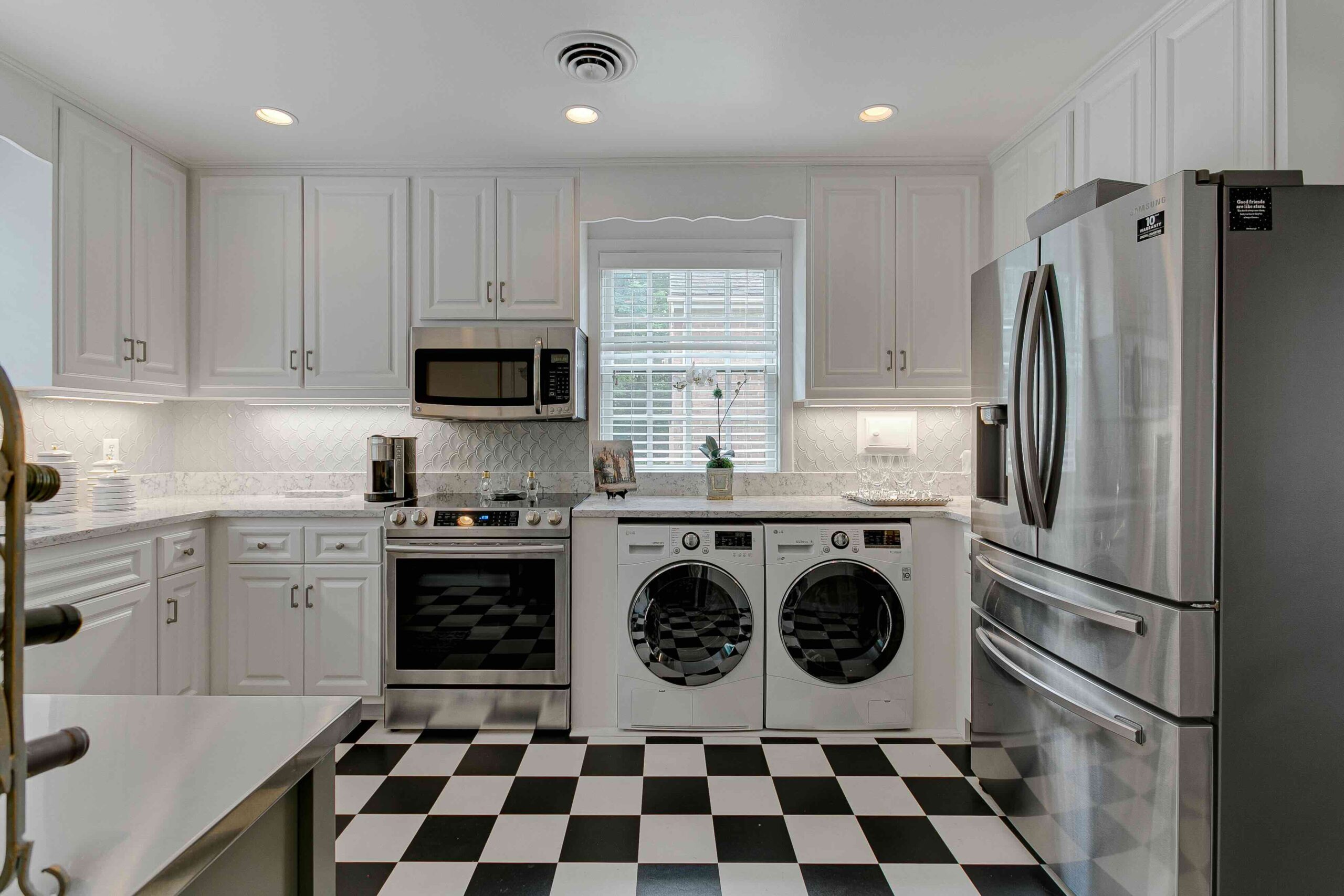
What Is an Under Counter Washer and Dryer — And Should You Have One in Your Kitchen?
Most people picture a washer and dryer tucked away in a dedicated laundry room, a basement, or maybe a hallway closet. But if you live in a smaller home, an apartment, a condo, or a space where square footage is precious, that setup is not always an option. Under counter washers and dryers installed in the kitchen have become a practical, space-conscious solution for homeowners who need laundry functionality without sacrificing an entire room to get it. It sounds unconventional at first, and honestly, it kind of is — but the concept works better than most people expect.
How Under Counter Laundry Units Actually Work
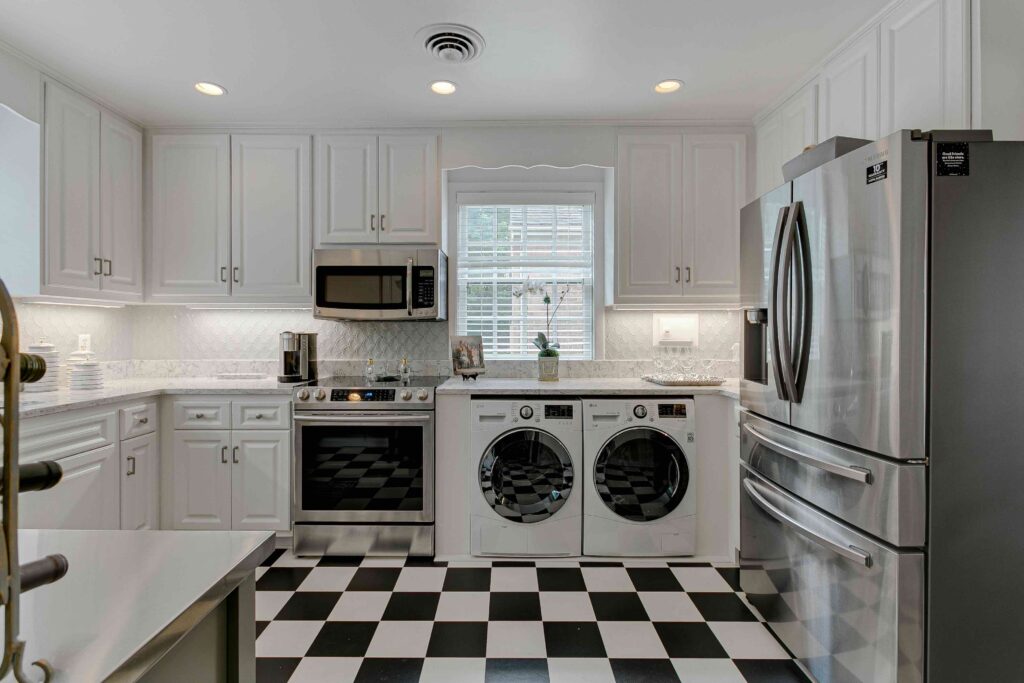
Under counter washer and dryer units are compact appliances designed to fit within standard cabinetry dimensions, typically 24 inches wide, which allows them to slide neatly beneath a countertop the same way a dishwasher would. Some setups use two separate units stacked or placed side by side, while others rely on a combination washer-dryer in a single unit. The washer connects to your home’s existing water supply and drain lines, which is why the kitchen — already plumbed for the sink and dishwasher — is such a natural fit. The dryer portion typically operates as a ventless condenser dryer or a heat pump dryer, which means no external venting is required. That alone removes one of the biggest installation hurdles.
The Advantages That Make This Setup Worth Considering
There are some genuinely compelling reasons why under counter laundry in the kitchen has gained traction among homeowners and designers alike. The space efficiency is the most obvious win, but there are other benefits worth noting as well.
- Maximizes square footage in small homes, condos, and apartments where dedicated laundry space is not feasible
- Kitchen plumbing connections are already in place, which simplifies installation and can reduce costs
- Ventless dryer technology eliminates the need for exterior duct work, making placement more flexible
- Keeps laundry accessible without long trips to a basement or shared laundry facility
- Modern units are surprisingly quiet and designed to minimize vibration during operation
- Can blend seamlessly with cabinetry when panel-ready models are used, maintaining kitchen aesthetics
The convenience factor is significant. Having the washer and dryer in the same room where you spend a meaningful portion of your day makes laundry feel less like an event and more like background noise — in the best possible way.
The Drawbacks You Should Not Overlook
No home system is without its trade-offs, and under counter laundry in the kitchen is no exception. Capacity is the most consistent complaint. Compact units simply cannot handle the same load sizes as full-sized appliances, which means more frequent wash cycles for larger households. If you are a family of four running multiple loads a week, this setup may feel limiting rather quickly. Beyond capacity, the combination washer-dryer units — those single-drum machines that wash and dry — tend to have longer cycle times and can leave laundry slightly damp at the end of a drying cycle, which is worth knowing upfront. Repair access is another consideration. When a compact unit installed under a counter needs service, getting a technician in to diagnose and fix the issue can be more involved than servicing a standard freestanding machine.

Ventless vs. Vented Dryers in a Kitchen Setting
Understanding your dryer options is important before committing to this setup. Vented dryers expel warm, moist air through a duct to the outside of the home. In a kitchen setting, adding that ductwork may not be feasible depending on your floor plan, wall construction, or exterior access points. Ventless dryers, on the other hand, use condenser or heat pump technology to remove moisture from the drum and either collect it in a reservoir that you empty manually or route it directly to the drain. Heat pump dryers are the more energy-efficient of the two ventless types and have become the preferred option in energy-conscious households. They run at lower temperatures, which can also be gentler on fabrics over time.
Installation Considerations for Under Counter Laundry in the Kitchen
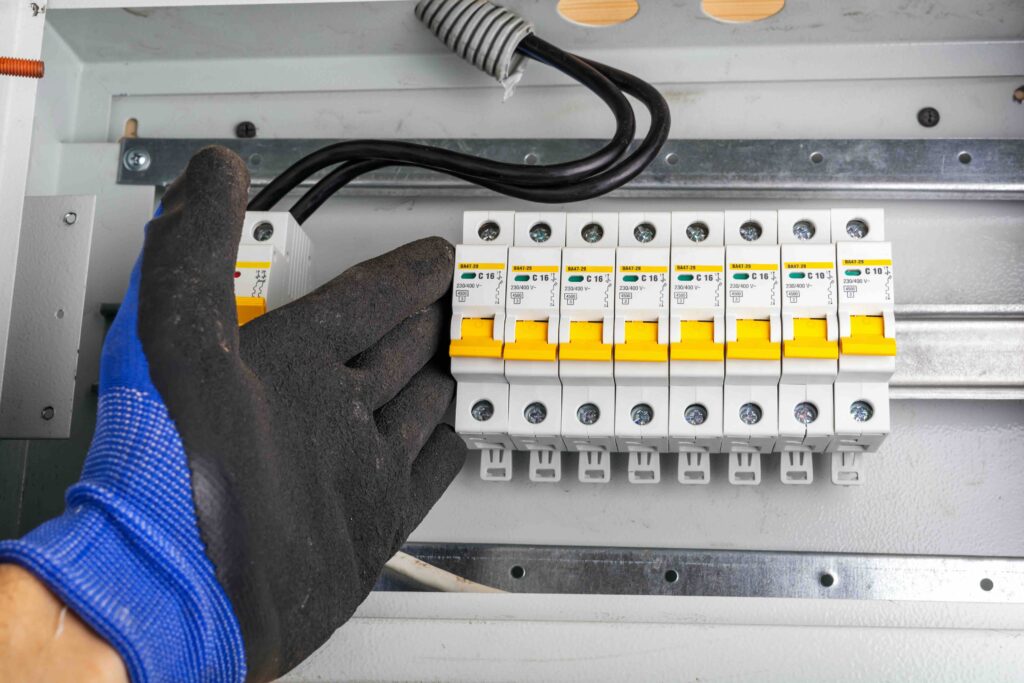
Getting this setup right from the start matters. The kitchen already has water supply lines and drain access, which is the foundation for a straightforward washer installation. However, the electrical requirements for a dryer may introduce additional complexity. Many compact dryers operate on a standard 120-volt outlet, while others require a 240-volt dedicated circuit. Having an electrician assess your panel and existing circuits before installation is a smart move. You will also want to confirm that the cabinetry dimensions accommodate the appliance, that the floor can support the weight during spin cycles, and that there is adequate clearance for the door or door panels to open without obstruction. Skipping those steps is where homeowners get into trouble.
Maintenance Tips to Keep Compact Laundry Running Smoothly
Compact appliances installed in tight spaces tend to accumulate lint, dust, and moisture more quickly than their full-sized counterparts, which makes routine maintenance non-negotiable.
- Clean the lint filter after every dryer cycle without exception
- Check and clean the condenser unit on ventless dryers every one to three months
- Inspect the water inlet hoses annually for cracks, bulging, or mineral buildup
- Run a drum cleaning cycle monthly using a washing machine cleaner tablet or white vinegar
- Ensure the drain hose is properly secured and free of kinks that could cause backups
- Wipe down door seals regularly to prevent mold and mildew buildup in humid kitchen environments
Small maintenance habits extend the life of the appliance considerably and reduce the likelihood of unexpected breakdowns that disrupt daily routines.
Is This Setup Right for Your Home and Lifestyle?
The honest answer is that under counter laundry in the kitchen works exceptionally well for certain homeowners and feels like a compromise for others. If you live alone, with a partner, or with one other person, and your home lacks a practical laundry space, this is a genuinely strong solution. If you have a large household with heavy weekly laundry demands, the capacity limitations will likely become a frustration before long. Think about your specific usage patterns before investing. Consider how often you do laundry, what types of items you wash most frequently, and whether the cycle time of a combination unit is something you can build into your routine. Those questions matter more than the size of the appliance itself.
Home Warranty Coverage and Compact Kitchen Appliances
Here is something that often catches homeowners off guard: not all home warranty plans provide coverage for compact or under counter laundry appliances. Coverage terms vary widely by provider, and some plans specifically exclude appliances that are not considered standard-sized or standard-placement. Before assuming your washer and dryer are protected, review your warranty documentation carefully and confirm whether compact and ventless units are included. If you are purchasing a home warranty while already having or planning to install an under counter laundry setup, ask directly about coverage eligibility. Clarity upfront prevents disputes later when a repair or replacement is needed.
Why Armadillo Is the Right Partner for Homes With Under Counter Laundry
When your home includes appliances that fall outside the ordinary — like a compact washer and dryer tucked neatly under your kitchen counter — having a home warranty provider that keeps pace with how modern homes actually look matters. Armadillo is built for exactly that kind of homeowner. Whether you are protecting a small-space setup or a full system of appliances spread across a larger home, Armadillo home warranty coverage for washers and kitchen appliances is structured to provide real protection without the fine print surprises that make claims feel like battles. The process is transparent, the plans are straightforward, and getting started does not require a phone call you have to mentally prepare for. If you are ready to stop wondering what would happen if your compact dryer stopped working mid-cycle on a Tuesday, take two minutes and get a free home warranty quote for your washer and dryer coverage right now. Your kitchen laundry setup deserves protection that actually holds up.

Frequently Asked Questions About Under Counter Washers and Dryers in the Kitchen
Answers to the most common questions homeowners ask about compact laundry units installed in kitchen spaces.
Can you really put a washer and dryer under a kitchen counter?
Yes. Compact washer and dryer units are specifically designed to fit within standard 24-inch cabinet openings, making them compatible with kitchen cabinetry layouts. The kitchen’s existing plumbing makes it one of the most practical locations in the home for this type of installation.
Does a kitchen under counter dryer need to be vented to the outside?
Not necessarily. Most under counter dryers used in kitchen settings are ventless condenser or heat pump models that manage moisture internally and route condensation to a drain or a collection tank, eliminating the need for exterior ductwork.
How much laundry can an under counter washer handle per cycle?
Most compact under counter washers have a capacity of around 2.2 to 2.5 cubic feet, which accommodates roughly eight to ten pounds of laundry per cycle. This is roughly half the capacity of a standard full-sized washing machine.
Are combination washer-dryer units effective for drying clothes?
They are functional but slower than separate units. Combination machines typically take longer to complete a full wash-and-dry cycle, and results can vary depending on load size. Smaller loads tend to dry more thoroughly than fuller ones.
What type of electrical connection does a compact dryer require?
This depends on the specific model. Some compact dryers operate on a standard 120-volt household outlet, while others require a dedicated 240-volt circuit. Always check the manufacturer specifications and consult an electrician before installation.
Will a home warranty cover an under counter washer and dryer in the kitchen?
Coverage varies by provider and plan. Some home warranty companies cover compact laundry appliances while others exclude them based on size or placement. It is essential to verify coverage eligibility directly with your warranty provider before assuming protection applies.
How noisy are compact washers and dryers during operation?
Modern compact units have improved significantly in terms of noise and vibration. Many are rated comparably to dishwashers in terms of operational sound levels, though spin cycles may produce some vibration depending on the installation surface and floor type.
Is it safe to have a washer near kitchen appliances and food preparation areas?
When properly installed with secure water connections and no active leaks, under counter washers in the kitchen are generally considered safe. The key is ensuring proper installation, routine maintenance, and regular inspection of hoses and drain connections to prevent water damage.
How long do compact washers and dryers typically last?
With consistent maintenance, compact washer and dryer units generally have a lifespan of eight to twelve years, which is somewhat shorter than full-sized machines. Proper care, including regular cleaning and timely repairs, helps maximize the unit’s operational life.
What should I look for when buying an under counter washer and dryer for a kitchen?
Prioritize capacity relative to your household size, energy efficiency ratings, noise levels, ventless dryer capability, and whether the unit is panel-ready for a built-in aesthetic. Also confirm the electrical and plumbing requirements before purchasing to avoid installation surprises.