
Everything Homeowners Should Know About Under Counter Washer and Dryer Units
Space-saving appliances have become a top priority for homeowners looking to get the most out of compact living spaces. Among the most sought-after configurations are under counter washer and dryer units. These sleek systems fit seamlessly beneath countertops, freeing up valuable square footage while still delivering full-function laundry capabilities. Whether you’re redesigning your laundry room, outfitting a small home, or upgrading rental property appliances, under counter units are worth consideration. This article will walk you through what under counter washer and dryer units are, how they function, the key pros and cons, and how they tie into your total home maintenance strategy—especially if you’re smart enough to maintain coverage under a home warranty.
What Is an Under Counter Washer and Dryer?
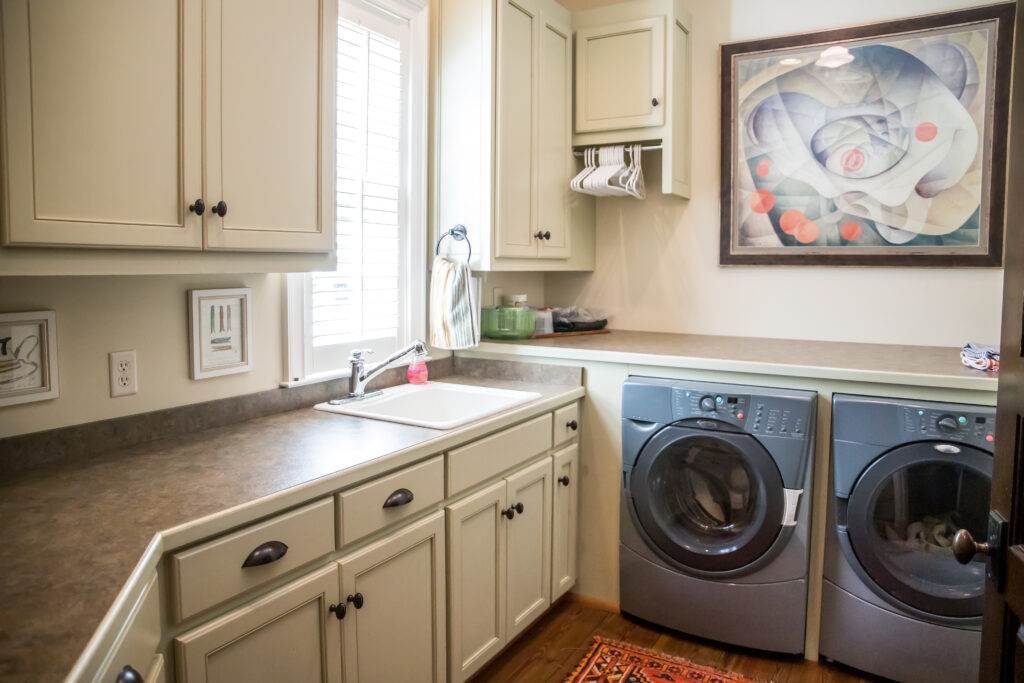
An under counter washer and dryer system refers to a pair—or sometimes a single combination unit—designed to fit underneath standard-height countertops, typically around 34 to 36 inches in clearance. These appliances are often front-loading to allow for easy loading when installed under a surface. Unlike stackable units, which prioritize vertical space, under counter units help maximize horizontal surface area, often allowing a workspace or folding station above the machines. They are especially popular in European-style homes, condos, apartments, and auxiliary living spaces like in-law suites or basement conversions, where every inch counts. Many under counter models are marketed as compact or apartment-sized, yet still deliver comparable performance to full-sized versions.
How Under Counter Units Work
Functionally, under counter washers and dryers operate much like their full-sized counterparts. The washer connects to standard hot and cold water supply lines and drains through a hose, while the dryer—depending on whether it’s electric or gas—requires either a 240-volt outlet or a gas line, along with a vent system or condensate drainage if it’s ventless. Some all-in-one models combine washing and drying cycles, using a condenser dryer mechanism that doesn’t require external venting. These multifunctional units use lower heat and longer drying cycles, cycling air through a heat exchanger to remove moisture. Under counter units are generally more energy-efficient than traditional-sized appliances, partially because of their smaller drum capacities, which encourage shorter cycles and lighter loads.
Key Advantages of Under Counter Laundry Units
The primary benefit is space efficiency. Planning your laundry setup under a counter not only makes the room look neater, it frees up surface area on top for storage, folding laundry, or completing other tasks. The built-in aesthetic makes these units especially attractive in modern, minimal, or open-concept designs. Additionally, because they are lower to the ground, they can be more accessible for users with mobility concerns. Energy efficiency is another notable benefit; many under counter models meet high energy standards and use less water per cycle. Homeowners who value quiet performance will also appreciate that many of these compact machines are engineered for quieter operation, which is ideal for smaller homes or multi-use spaces like kitchen-laundry combos.
Common Drawbacks That Homeowners Should Consider
Of course, there are trade-offs. Under counter washer and dryer units tend to have smaller load capacities, which could be an issue for larger households or those who prefer fewer, larger washes. Additionally, the more compact design may limit the number of features or have longer cycle times—especially in all-in-one washer-dryer combos. Installation can also be tricky depending on your existing cabinetry and utility connections. Unlike freestanding units, these require precise measurement and fitting. And should you opt for a ventless dryer, you may experience longer drying times and more routine maintenance to clean moisture capture containers. Finally, from a service perspective, compact units may have performance quirks specific to brand and model that require specialized repair knowledge.
Installing and Maintaining an Under Counter System
If you’ve chosen to install an under counter washer or dryer, ensure accurate dimensions are taken—both unit size and counter clearance are non-negotiable. Weight capacity of the underlying cabinetry or shelving also needs to be accounted for. Proper ventilation is often the most overlooked factor; even ventless dryers must have adequate airflow around them to operate efficiently. Draining and waterline connections should be sealed tightly to avoid leakage inside cabinetry. Once installed, consistent maintenance is key. Lint traps must be emptied regularly, filters should be cleaned, and waterproof seals on door gaskets inspected for mold or buildup. And because these units usually operate in tighter spaces, checking for overheating and airflow obstruction is essential. Malfunctions can escalate quickly in such confined systems—and that’s where a home warranty becomes invaluable.
Under Counter Units and Home Warranty Coverage
Repair costs for compact models can be noticeable—parts may not be as readily available or affordable as their full-size counterparts. Integrating an under counter appliance into your home’s laundry system also means it might require extra technical expertise for service. That’s why homeowners should ensure the appliance is covered under a policy like a comprehensive home warranty. Coverage can safeguard you from costly repairs or replacements due to wear and tear or unexpected issues. With appliances pulling double duty in tighter spaces, they’re more susceptible to misuse or overlooked maintenance. The right plan protects your investment while streamlining your service calls. Far too many homeowners assume these small units are too modern or specialized to cover with a warranty plan. That assumption leads to frustration—and expenses—when something does break down. Don’t be blindsided.
Cost Considerations and Long-Term Value
Pricing for under counter washer and dryer units ranges significantly, depending on technology, brand reputation, and add-on features. A separate washer and dryer pair might run between $1,500 to $3,000, while all-in-one units can range from $1,000 to $2,500. Although the upfront cost might seem higher than conventional appliances, the real value can be found in their durability, energy savings, and usability in smaller spaces. When factoring in long-term use, energy-efficient models frequently qualify for local or federal rebates, which can offset initial costs. Beyond energy considerations, smart homeowners view appliance purchase and warranty coverage as interlocking decisions. Without a support structure in place—especially in small homes where one appliance failure can disrupt everyday life—that investment becomes fragile. Planning ahead with robust coverage increases your peace of mind and the utility of your home systems year after year.
Why Armadillo Makes Sense for Protecting Compact Laundry Systems
If you’re investing in under counter laundry appliances, protecting them with a reliable home warranty only makes sense. Armadillo offers modern home warranty coverage tailored for all types of homes—including those relying on compact and integrated systems. Our plans cover a wide range of laundry appliances, giving homeowners financial relief and streamlined repair assistance when inevitable wear and tear takes its toll. Unlike traditional warranties, Armadillo plans are digital-first, responsive, and designed to fit modern living. Plus, claims are handled fast and transparently—no surprise paperwork or unclear limitations. Start safeguarding your compact appliances today by visiting our homepage, or take the first step in building your tailored plan with our plan builder. Because when systems are tucked neatly under the counter, the last thing you want is for a repair issue to go unnoticed—and uncovered.