
What Is an Under Counter Washing Machine and Dryer?
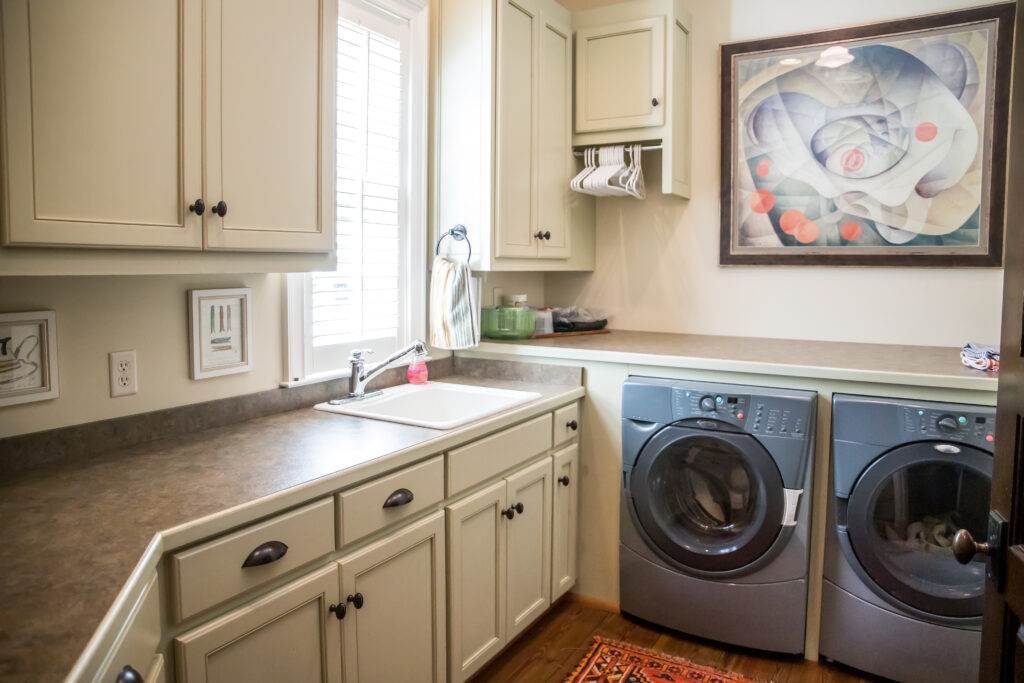
Space is a premium in modern homes, and laundry appliances have had to evolve right along with the shrinking square footage of contemporary living. Under counter washing machines and dryers are compact laundry units designed to fit neatly beneath a standard countertop, typically measuring around 24 inches wide and 34 inches tall. They function exactly like their full-sized counterparts, just in a smaller, more manageable form. You get the wash cycle, the spin, the dry, all of it, just without the machine eating up half a utility room. For apartment dwellers, condo owners, or anyone working with a tight laundry space, this setup has become increasingly popular and honestly, kind of impressive once you see it in action.
How Under Counter Laundry Units Actually Work
The mechanics behind under counter washers and dryers are not dramatically different from standard laundry machines. The washer uses a drum, water intake, and a drain hose just like a traditional unit. Most under counter washers are front-loading, which makes them easier to stack or slide under a surface without the top-loading lid getting in the way. The dryer component either operates as a separate unit placed beside the washer or as a combination washer-dryer in a single machine. Ventless dryer technology is common in these compact units, using condensation or heat pump systems to dry clothes without requiring an external exhaust duct. That detail matters a lot when you are retrofitting laundry into a space that was never originally designed for it.
Where Homeowners Are Installing These Units
The flexibility of under counter laundry setups is one of their biggest selling points. Homeowners are getting creative with placement, and it is working. Common installation spots include:
- Kitchen islands or under kitchen counters near existing plumbing
- Bathroom vanity areas with enough clearance and water access
- Hallway closets converted into compact laundry nooks
- Home offices or studio apartments where traditional laundry rooms simply do not exist
- Garage utility areas where overhead clearance is limited
The key requirement across all of these locations is proximity to a water supply line and a drain. The closer you are to existing plumbing, the less invasive and expensive the installation tends to be. Electrical access for a standard 120-volt or 240-volt outlet is also necessary depending on the unit, so that is worth factoring in early.
Key Advantages of Under Counter Washers and Dryers
There are real, practical reasons why these machines have found a loyal following. Space savings are the obvious headline, but the advantages go further than that. Ventless dryer options mean installation flexibility expands significantly since you are not tied to exterior wall access. Energy efficiency is another notable benefit, particularly with heat pump dryer models that consume considerably less electricity than traditional heated drum dryers. Under counter units also tend to be quieter during operation, which matters if your laundry space is adjacent to a bedroom or living area. For homeowners who rent out a secondary suite or in-law unit, adding an under counter laundry setup can meaningfully increase the appeal and rental value of that space without a major renovation footprint.
The Drawbacks You Should Know Before Buying
No appliance is perfect, and under counter laundry units come with a few genuine limitations worth understanding before you commit. Load capacity is the most common frustration. These machines hold significantly less laundry per cycle than full-sized units, which means larger households may find themselves running multiple loads where one used to suffice. Cycle times on ventless dryers can also run longer than vented models, sometimes adding 30 to 60 minutes to a drying cycle. Repair accessibility can be trickier when a unit is tucked under a counter, requiring the machine to be pulled out for service. And replacement parts for compact European-style units, which dominate this category, can sometimes take longer to source depending on where you are located.

Installation Considerations Every Homeowner Should Review
Installing an under counter washer and dryer is not usually a weekend DIY project, even if the machines themselves seem manageable in size. Plumbing connections need to be properly fitted and leak-tested, electrical requirements vary by unit, and ensuring the countertop structure above can handle any vibration from spin cycles is worth verifying before anything gets bolted into place. Combination washer-dryer units, while convenient, also require thoughtful drain planning since the condensate from drying needs somewhere to go. Hiring a licensed plumber and electrician for the initial setup is the practical move. Getting it right on day one saves a significant amount of headache later, especially if the unit is tucked into a finished space where water damage would be particularly costly.
Maintenance Tips to Keep Your Compact Laundry Running Smoothly
Compact laundry units reward consistent maintenance attention. Because these machines work harder per cycle relative to their drum size, small issues can develop faster than they might in a larger unit. Cleaning the door gasket and drum regularly prevents mildew buildup, which is especially important in ventless systems where moisture management is a core function. Descaling the machine every few months helps if you live in a hard water area, as mineral buildup can affect both wash performance and long-term component health. For dryer functions, cleaning the lint filter after every cycle without exception is non-negotiable. For condensation dryer models, emptying the water reservoir regularly and cleaning the condenser unit periodically keeps drying efficiency where it should be.
Cost Expectations: Purchase, Installation, and Long-Term Ownership
Budget planning for an under counter laundry setup involves more than just the sticker price on the machine. Entry-level compact washers start around $600 to $800, while quality combination washer-dryer units from reputable brands can run from $1,200 to over $2,500. Installation costs vary widely based on whether new plumbing or electrical work is required, but budgeting an additional $300 to $800 for professional installation is reasonable. Long-term ownership costs include energy consumption, which is generally favorable for modern units, and periodic maintenance or repair costs. Repair costs for compact European-style appliances can sometimes be higher than domestic full-sized units simply due to parts availability and specialized labor, which is something to think about before you purchase.
How Home Warranty Coverage Applies to Under Counter Laundry Units
This is where things get practically important for homeowners who have invested in an under counter washer or dryer setup. Home warranty plans can provide meaningful protection for these appliances when mechanical or electrical failures occur outside of manufacturer warranty periods. Coverage typically applies to the internal components of the washer and dryer, including motors, pumps, control boards, and drum mechanisms, provided the failure is due to normal wear and use. It is worth reviewing your plan carefully to confirm compact or combination units are specifically covered, as some older or more basic warranty offerings may default to coverage language written around traditional full-sized appliances. Always disclose the type of unit you have when purchasing or reviewing a home warranty plan.
Why Armadillo Is the Smart Choice for Protecting Your Compact Laundry Investment
Compact laundry appliances represent a real financial commitment, and when something goes wrong with a unit tucked under your kitchen counter or fitted into a laundry nook, the last thing you want is to navigate that repair bill alone. That is exactly the situation Armadillo home warranty coverage for washers and dryers is designed for. Armadillo offers straightforward, homeowner-friendly protection that covers the mechanical and electrical components of your laundry appliances without the fine print gymnastics that leave you frustrated when you actually need to file a claim. The plans are transparent, the service is responsive, and the coverage is built around how real homeowners actually live. If you are ready to make sure your under counter laundry setup is protected from unexpected repair costs, you can get a free home warranty quote for compact appliance protection in just a few minutes. Peace of mind for your home does not need to be complicated.

Frequently Asked Questions About Under Counter Washing Machines and Dryers
Here are answers to the questions homeowners ask most often about under counter laundry appliances and related home warranty considerations.
What is the standard size of an under counter washing machine?
Most under counter washing machines measure approximately 24 inches wide, 24 inches deep, and 33 to 34 inches tall, designed to fit beneath a standard 36-inch countertop with a small clearance gap at the top.
Can an under counter dryer be vented like a traditional dryer?
Some compact dryers do offer vented options, but the majority of under counter dryers are ventless, using either condensation or heat pump technology to remove moisture without requiring an external exhaust duct.
Are combination washer-dryer units reliable for everyday use?
Combination washer-dryer units are reliable for everyday laundry needs in smaller households, though they do require longer cycle times for drying and have smaller load capacities than separate full-sized machines.
How much does it cost to install an under counter washing machine?
Installation costs typically range from $300 to $800 depending on whether new plumbing or electrical connections are needed, the complexity of the space, and local labor rates.
Does a home warranty cover under counter washing machines and dryers?
Most home warranty plans cover washers and dryers including compact units, though you should confirm with your provider that combination or under counter models are explicitly included in your specific plan terms.
How long do under counter washing machines typically last?
With proper maintenance, under counter washing machines generally last between 8 and 12 years, which is somewhat shorter than full-sized units due to the higher cycle-to-capacity ratio these machines operate under.
Do ventless dryers take longer to dry clothes?
Yes, ventless dryers, particularly condensation models, typically add 30 to 60 minutes to a standard drying cycle compared to traditional vented dryers, though heat pump ventless models have improved significantly in recent years.
What maintenance does an under counter washer-dryer require?
Regular maintenance includes cleaning the door gasket and drum, descaling for hard water buildup, emptying condensate reservoirs on ventless dryers, and cleaning the lint filter after every drying cycle without exception.
Can I install an under counter washer anywhere in my home?
You can install an under counter washer in most areas of your home provided there is access to a cold water supply line, a proper drain connection, and the correct electrical outlet for the unit’s power requirements.
Are under counter laundry units energy efficient?
Many modern under counter laundry units, especially those using heat pump dryer technology, are highly energy efficient and can consume significantly less electricity per cycle than older or full-sized traditional laundry appliances.