
What Is Underground Irrigation and Why Does It Matter for Your Home?
If you have a lawn, garden, or landscaped yard, there is a good chance you have thought about how to keep it watered without standing outside with a hose every other day. Underground irrigation systems, often called in-ground or subsurface sprinkler systems, do exactly that. They deliver water directly to your lawn and plant beds through a network of buried pipes, valves, and sprinkler heads that operate on a timer or smart controller. It sounds simple enough, but the system underneath your yard is actually more complex than most homeowners realize, and when something goes wrong underground, it can get expensive fast.
How an Underground Irrigation System Actually Works
The basic idea is straightforward. Water from your home’s main supply line is routed through a backflow preventer, which keeps irrigation water from contaminating your drinking water. From there, it travels through a series of zone valves that control different sections of your yard. Each zone has its own set of sprinkler heads or drip emitters, and a controller, either a traditional timer box or a smart Wi-Fi-enabled device, tells each zone when to open and for how long. The pipes connecting everything are buried a few inches below the surface, which keeps them out of the way but also puts them in a position where roots, soil movement, freezing temperatures, and accidental digging can cause real damage. The whole system depends on pressure balance, clean valves, and intact pipes, so one weak link can affect the performance of the entire yard.
The Real Benefits of Having an In-Ground Sprinkler System
There are some genuinely strong reasons homeowners invest in underground irrigation, and it goes beyond convenience. Here is what makes these systems worth considering:
- Consistent watering schedules reduce over- and under-watering, which protects plant health and conserves water over time.
- Smart controllers can adjust automatically based on weather data, meaning your system will skip a cycle if rain is expected.
- Property value tends to benefit from a well-maintained irrigation system, particularly in regions where lawn care is a selling point.
- Time savings are significant for larger properties where manual watering would be impractical.
- Drip irrigation zones can deliver water directly to root zones, reducing evaporation and improving efficiency in garden beds.
The efficiency argument is probably the most compelling one. A properly calibrated underground system wastes far less water than manual watering or surface-level sprinklers because it delivers water with more precision and at the right time of day.
Common Problems With Underground Irrigation Systems
This is where things get real. Underground irrigation systems are reliable when they are well-maintained, but they are also susceptible to a specific category of problems that are harder to detect and more expensive to fix than surface-level issues. Leaks underground can go unnoticed for weeks or months, quietly driving up your water bill and saturating the soil in ways that damage roots or create erosion. Broken sprinkler heads are easier to spot, but valve failures, cracked pipes, and clogged emitters are not always visible until the damage is already done. Freezing temperatures are another major culprit, especially in climates where the ground gets cold enough to expand and contract. If the system is not properly winterized by blowing out the lines with compressed air, you can end up with cracked pipes that require excavation to repair come spring.
Understanding Underground Irrigation Repair Costs
Repair costs for underground irrigation systems vary widely depending on the nature of the problem and where it is located. Replacing a sprinkler head is relatively inexpensive and something many homeowners handle themselves. But repairing a broken lateral line, a failed zone valve, or a damaged main supply connection underground is a different story. Excavation labor alone can push a simple pipe repair well past several hundred dollars, and if the system has multiple damaged zones or aging components, the total cost can climb into the thousands. Diagnosing the issue is sometimes its own cost, since irrigation contractors may charge a service fee just to assess the system before any work begins. This is exactly the kind of unpredictable expense that catches homeowners off guard.

Signs Your Underground Irrigation System Needs Repair
Catching a problem early usually means a smaller repair bill and less damage to your yard. Some signs are obvious and some are easy to overlook, so it pays to stay attentive throughout the season. Unusually high water bills without a change in usage are one of the first indicators that something is leaking. Soggy or waterlogged patches of lawn that never seem to dry out, even between watering cycles, suggest a subsurface leak. Low water pressure across a zone, uneven spray patterns, or heads that fail to pop up are all signs of possible valve failure or pipe obstruction. If you notice areas of your lawn turning brown while the rest stays green, an emitter may be clogged or a zone may not be activating at all. Running a manual zone check at the start of each season is one of the simplest ways to catch these issues before they escalate.
Maintenance Tips That Can Extend the Life of Your System
A little proactive care goes a long way with underground irrigation. Most systems are designed to last for many years, but neglect is the fastest way to shorten that lifespan. Winterizing the system before the first freeze is non-negotiable in colder climates. Adjusting sprinkler head direction and coverage at the start of each season helps ensure even watering and prevents runoff. Checking the backflow preventer annually keeps your water supply safe and your system compliant with most local codes. Cleaning or replacing filters in drip emitters prevents clogging that can stress plants or cause uneven watering. Upgrading to a smart controller if you have not already is one of the best investments you can make, since it reduces water waste and gives you real-time visibility into how each zone is performing.
What Home Warranties Typically Cover Regarding Irrigation Systems
Here is something worth paying close attention to. Standard home warranty plans do not always include underground irrigation systems as a default covered item. Coverage for sprinkler systems, when it exists, is often offered as an add-on or is limited to specific components such as valves or controllers rather than buried pipe. This matters because the most expensive repairs, the ones involving excavation and underground pipe work, are precisely the ones that homeowners most need financial protection for. Before assuming your plan covers irrigation, it is worth reading the terms carefully and understanding what components are included, what the service call process looks like, and whether there are caps on repair costs. Knowing the limits of your coverage before you need it is significantly better than discovering them mid-repair.
Why Armadillo Is Worth a Look for Homeowners With Irrigation Systems
When underground irrigation repairs come up, cost predictability is everything. One unexpected excavation and pipe repair can disrupt a household budget without much warning. That is exactly the kind of scenario where a home warranty built with real homeowner needs in mind makes a meaningful difference. Armadillo home warranty coverage for irrigation systems and underground repairs is designed to take the guesswork out of what is and is not protected. The plans are transparent, the service process is straightforward, and the coverage is built to reflect how real home systems actually fail, not just the easy stuff. If you want to stop bracing for the next unexpected repair bill and start knowing your home is backed by something reliable, get a free home warranty quote that includes underground system protection and see what a plan built for your specific home looks like. It is a practical step toward protecting an investment that runs a lot deeper than your lawn.
Frequently Asked Questions About Underground Irrigation Repair and Home Warranty Coverage
Here are answers to the questions homeowners ask most often about underground sprinkler systems, common repair needs, and how home warranties apply to this type of coverage.
How do I know if my underground irrigation system has a leak?
The most common signs include a spike in your water bill, soggy patches of lawn that stay wet between cycles, reduced water pressure in one or more zones, and visible erosion or sinkholes forming in your yard. Running each zone manually and watching for irregularities is a reliable first diagnostic step.
Can I repair underground irrigation pipes myself?
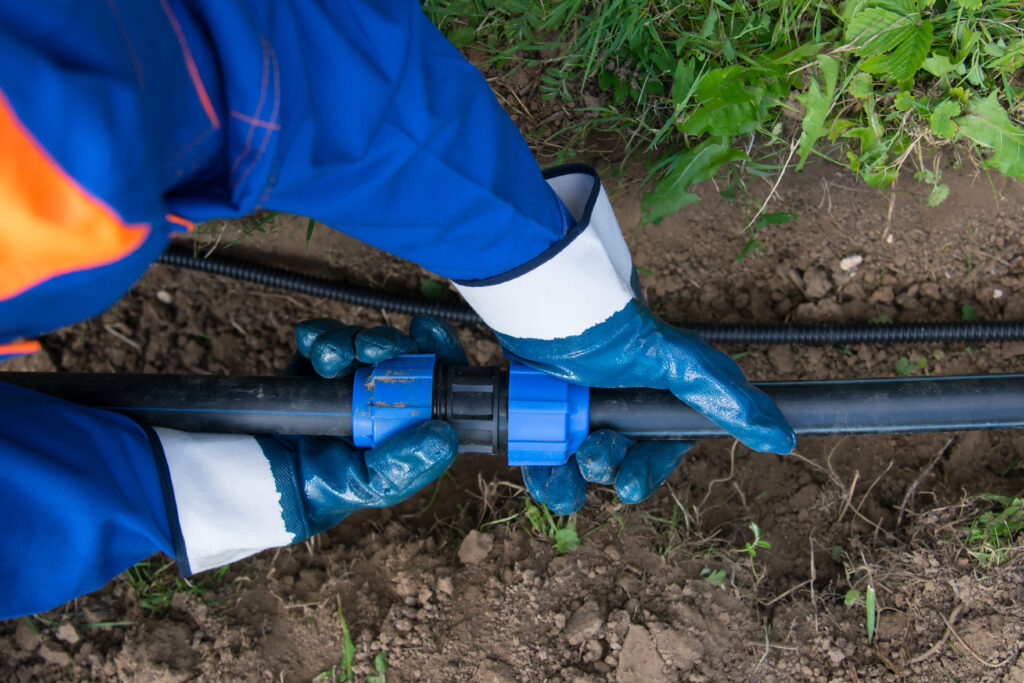
Minor repairs like replacing a sprinkler head or adjusting a riser are well within a capable DIYer’s range. Underground pipe repairs are more complex and typically require locating the break, excavating the area, cutting out the damaged section, and splicing in new pipe. Most homeowners benefit from hiring a licensed irrigation contractor for anything below the surface.
How much does it cost to repair an underground irrigation line?
Costs vary significantly based on the depth of the pipe, the accessibility of the damaged area, and local labor rates. Simple repairs may run a few hundred dollars while extensive excavation or multiple zone repairs can reach well over one thousand dollars. Getting multiple estimates before approving work is a reasonable approach.
Does homeowners insurance cover underground irrigation system damage?
Standard homeowners insurance typically does not cover irrigation system repairs unless the damage is caused by a covered peril such as a sudden pipe burst from a named storm. Wear and tear, root damage, and age-related failure are generally excluded. A home warranty with irrigation add-on coverage is a more applicable form of protection for these scenarios.
How often should I have my irrigation system professionally inspected?
An annual inspection at the start of the irrigation season is the baseline recommendation. Homeowners in climates with freezing winters should also have the system winterized in fall and re-commissioned in spring by a professional. More frequent checks make sense if the system is older or if you have had prior repair issues.
What does irrigation system winterization involve?
Winterization typically involves using a commercial air compressor to blow all remaining water out of the irrigation lines, valves, and heads before temperatures drop below freezing. Water left in the pipes can expand as it freezes and crack the pipes from the inside out. This is one of the most important seasonal maintenance steps for any in-ground system.
Are smart irrigation controllers worth the investment?
For most homeowners, yes. Smart controllers connect to local weather data and adjust watering schedules automatically, which reduces water waste and can lower utility bills over time. They also provide zone-by-zone monitoring through a smartphone app, making it easier to detect irregularities early before they become costly repairs.
What is a backflow preventer and why does my irrigation system need one?
A backflow preventer is a device installed where the irrigation system connects to the home’s main water supply. It stops irrigation water, which may contain fertilizer, pesticides, or soil contaminants, from flowing backward into your drinking water. Most local plumbing codes require one, and it should be tested annually to confirm it is working correctly.
How long does an underground irrigation system typically last?
A well-maintained system can last twenty years or more, though individual components like heads, valves, and controllers may need replacement sooner. Pipe lifespan depends heavily on material and soil conditions. PVC pipe in stable soil with proper winterization tends to hold up well, while older polyethylene or rigid pipe in shifting soils may degrade more quickly.
Is underground sprinkler repair covered under a home warranty?
It depends on the provider and plan. Some home warranty companies offer irrigation coverage as an optional add-on while others exclude it entirely. The key is to review what components are covered, whether underground pipe is explicitly included, and what any per-repair cost caps may be. Reading the contract before purchasing is the best way to avoid surprises when a claim arises.