Understanding Drain Water Tanks: A Homeowner’s Guide to Function, Benefits, and Smart Maintenance
Whether you’re a new homeowner or deep in renovation plans, you’ve probably encountered more than a few terms that make you pause. “Drain water tank” might be one of them. It may not grab headline attention like solar panels or smart thermostats, but drain water tanks do play a critical role in maintaining the comfort, safety, and efficiency of your home. So, let’s demystify the function, explore the pluses and pitfalls, and help you make sense of how this one component can positively impact your living space—and why understanding its role now can help you avoid expensive headaches later.
What Is a Drain Water Tank?
A drain water tank is designed to temporarily collect and store greywater—the mildly used water from sinks, showers, tubs, and washing machines—before redirecting it to its final disposition. It is not the same as a septic tank or a sewage system component, although their plumbing may occasionally cross paths. These tanks are especially common in larger homes, properties using greywater recycling systems, or in locations where municipal drains cannot manage sudden water surges during storms or heavy use.
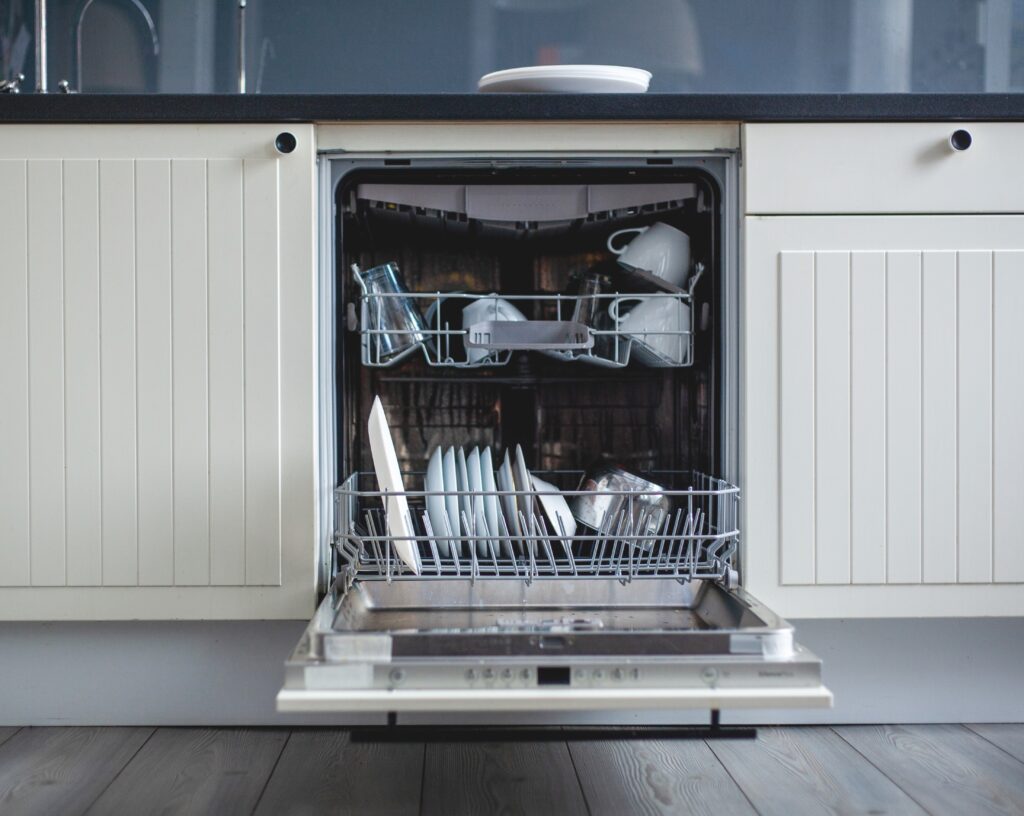
Depending on how your home’s plumbing is set up, a drain water tank might work behind the scenes, integrated with pumps and drains, to make sure water is managed effectively without causing backups, overflows, or damage. In homes with basement bathrooms, laundry rooms, or dishwashers located below the main sewer line, drain water tanks are a strategic solution to lift the greywater to an elevation where it can be safely expelled.
How Do Drain Water Tanks Work?
The underlying mechanics are precise but fairly straightforward. As greywater flows from sinks, showers, or appliances, it drains into the tank. A series of float switches or pressure sensors determine current water levels. Once a predetermined level is reached, the tank triggers an automatic pump that moves the water out through a discharge pipe—either back into your landscape (if part of a reclaim system) or into the standard municipal drainage infrastructure.
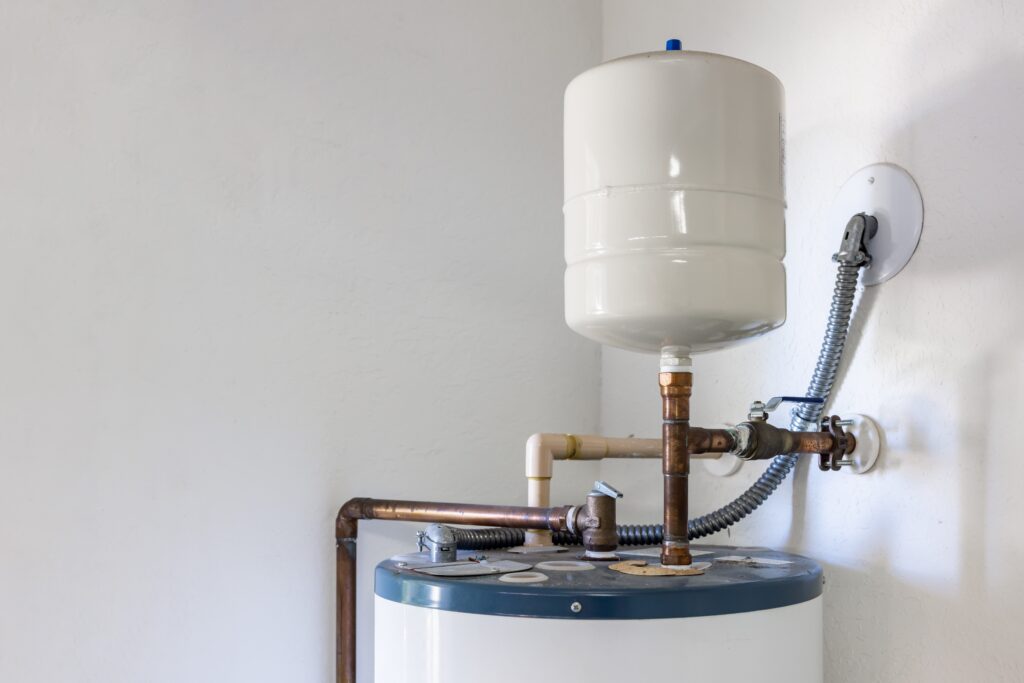
These tanks are usually crafted from polyethylene or another durable, corrosion-resistant material. Most are sealed with access openings that allow for maintenance and cleaning. Their internal components, including pumps and valves, require periodic care, which is a detail too often overlooked by homeowners—until something breaks.
Why Are Drain Water Tanks Important?
Drain water tanks serve multiple functions in various home settings. In some regions where greywater recycling is recommended or mandatory, they help reduce the volume of used water going to public sewage systems. In homes with low elevation drainage challenges, they provide the essential lift-to-drain function that keeps wastewater in motion. They also act as temporary buffers during heavy use periods—for example, households with multiple running showers or simultaneous appliance usage.
In short, when paired with the right water pump and system design, a drain water tank ensures seamless operation in daily living. It moves water quietly, erases potential flood risks, and supports plumbing stability that your sinks and tubs largely depend on. Its absence—or failure—can be glaring, often showing up as pooling in the basement or a longer-than-usual drain cycle. Awareness of its function is the first layer of defense against costly surprises.
Essential Benefits of Drain Water Tanks
Resilience is one of the most notable advantages. With a drain water tank, your drainage system can retain its functionality even when gravity isn’t on your side. Homeowners particularly appreciate how these tanks help avoid backflow issues. For homes prioritizing eco-friendly initiatives, drain water tanks are the backbone in advanced water recycling setups, providing filtered greywater for non-potable uses like lawn irrigation or toilet flushing.
Add to that the fact that they reduce pressure on your home’s plumbing infrastructure. Drain water expelled via controlled, timed discharges lessens wear on underground pipes and helps avoid common issues like clogging, cracking, or burst pipes—issues that often start small but can snowball into major repair bills. With a well-maintained drain water tank, the plumbing system inside your walls and beneath your floors lasts longer and works more reliably.
Drawbacks and Risks to Keep in Mind
Of course, no component is truly hands-off. One of the primary challenges of owning a drain water tank is maintenance. Tanks that aren’t flushed or emptied regularly can emit odors, promote biofilm buildup, or strain their pump systems. There’s also the risk of electrical failure in the pump mechanism. In colder climates, inadequate installation or poor insulation can result in frozen tanks or cracked pipes. Regular inspections and servicing—typically once or twice a year—mitigate most of these concerns.
Another drawback? Compliance. Not all municipalities encourage greywater reuse. Some restrict what types of greywater may be stored or discharged onsite. Always check zoning regulations and plumbing codes before modifying or adding a tank to ensure your system meets local health and environmental standards.
When Should a Home Have a Drain Water Tank Installed?
Understanding your home’s layout is step one. If your laundry room or basement shower is located below the point at which your home’s main sewage pipes meet the municipal line, a drain water tank is usually necessary to ensure proper drainage. Similarly, if you’re installing a greywater reclamation system or if your outdoor terrain slopes against plumbing flow, a tank becomes more than a preference—it’s a requirement.
Additionally, homes in regions with frequent rainfall, unreliable municipal drainage, or older plumbing infrastructures may benefit from the added buffer a tank provides. Planning a large renovation that alters water pressure or appliance layout? That’s often the perfect time to consider a professional system assessment and possibly introduce a tank where it makes sense from a long-term efficiency standpoint.
Best Practices for Maintenance
Caring for your drain water tank is mostly about consistency. Begin with visual inspections every few months. Look for signs of moisture around the tank, listen for unusual pump sounds, and note changes in drainage flow. Keeping debris, hair, and harsh chemicals out of your greywater sources reduces sediment buildup inside the tank. Popping open the lid and doing a general trash check—yes, sometimes things slip down drains that shouldn’t—is a smart habit.
Schedule professional servicing annually through a licensed plumbing expert. If your tank includes a filtration system or UV sanitation, follow recommended servicing timelines. Never let a malfunctioning pump linger unattended. One delay can lead to water overflow, damaged insulation, mold risk, and even foundation erosion. A few minutes of attention now prevents costly interventions later. And for added peace of mind, explore which components of your system are covered under a home warranty.
Worry-Free Coverage Starts with Armadillo
Homeownership is everything all at once—rewarding, demanding, unexpected. A drain water tank might not be the most glamorous appliance in your home, but when it needs repair, there’s nothing small about the hassle. That’s where Armadillo steps in. Our comprehensive home warranty plans cover essential systems like greywater tanks, pumps, and plumbing infrastructure, saving you time, money, and stress when it matters most. Explore how Armadillo can protect your home, starting with a quick visit to our personalized plan builder. Because what you don’t have time for—we’ve already thought of.