Understanding Grounded Electrical Outlets: A Homeowner’s Guide
For most homeowners, the electrical system inside your walls is easy to overlook—until something goes wrong. Whether you’re plugging in a coffee maker, phone charger, or home entertainment system, a small but critical component is working behind the scenes to keep your home safe: the grounded electrical outlet. Grounding may sound technical, but it’s an essential safety feature you rely on every day. In this guide, we’ll explain what grounded outlets are, how they work, why they matter, and what every homeowner needs to know about maintaining a safe and compliant electrical system.
What Is a Grounded Electrical Outlet?
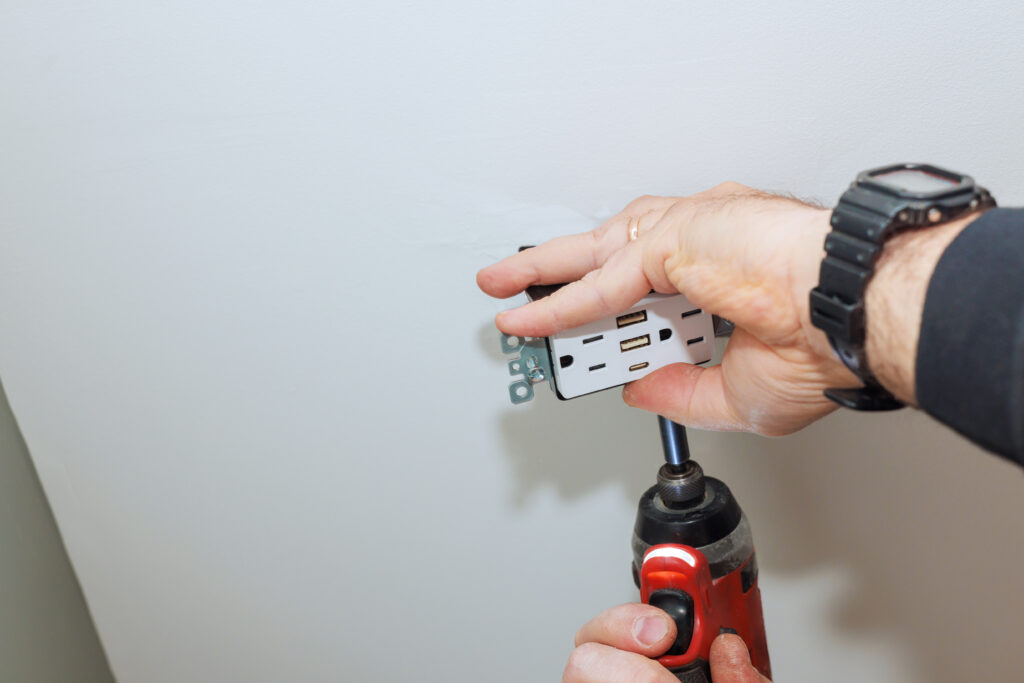
A grounded electrical outlet is a type of power receptacle that includes a third prong—the round one beneath the two vertical slots. This third prong connects to the ground wire in your home’s electrical system. It allows excess electrical current to safely travel into the earth instead of causing a short circuit, damaging appliances, or sparking a fire. Grounded outlets have become the standard in modern American homes since the National Electrical Code (NEC) began requiring them in most new residential construction in the 1960s.
How Grounding Works Inside Your Walls
When you look at the outlet on your wall, you see the faceplate, the prongs, maybe a little dust. But behind it is a complex network of wires that power your home. Each outlet is wired with three components: a hot wire that carries electricity, a neutral wire that completes the circuit, and a ground wire for safety. If something goes wrong—say a fault causes electricity to flow where it shouldn’t—the ground wire redirects that flow safely into the earth. This prevents shocks, overloads, and potentially dangerous situations. In short, grounding does not power your devices; it protects your home and everything in it.
Why Grounded Outlets Are a Safety Essential
There’s a reason building codes are strict about grounding—it’s not optional when it comes to safety. Grounded outlets protect your electronics from power surges, prevent electrical fires, and reduce your risk of electric shock. Grounding also plays a key role in how circuit breakers function. If a short circuit occurs, the breaker needs the ground pathway to detect the fault and shut off power. This process happens in fractions of a second and can mean the difference between a minor issue and a major disaster. Without grounding, the risk of electrical injury or property loss increases dramatically.
Signs Your Home May Have Ungrounded Outlets
If your home was built before the mid-1960s and hasn’t had its electrical system upgraded, you may still have ungrounded outlets. These are typically two-prong outlets with no space for the grounding prong. Visually, the difference is obvious, but it’s also something that should be confirmed by a licensed electrician. In some cases, you’ll find three-prong outlets that are falsely grounded or not grounded at all; previous homeowners may have installed them without updating the wiring. This creates a false sense of security and violates modern code standards. If in doubt, a professional inspection is a smart move.
Common Problems With Grounded Outlets
Grounding is not a set-it-and-forget-it feature. Just like other systems in your home, outlets, wires, and junctions can wear out over time. Corroded wires, loose connections, and rodent damage can all interfere with grounding effectiveness. Moisture is another threat—especially in kitchens, bathrooms, basements, and outdoor setups. GFCI (Ground Fault Circuit Interrupter) outlets are designed to offer extra protection in these areas, but they too need to be maintained and tested regularly to ensure they work properly. And perhaps the most dangerous issue? DIY electrical repairs. Too often, shortcuts result in improperly grounded outlets that only appear safe on the surface.
When and Why to Upgrade Your Electrical Outlets
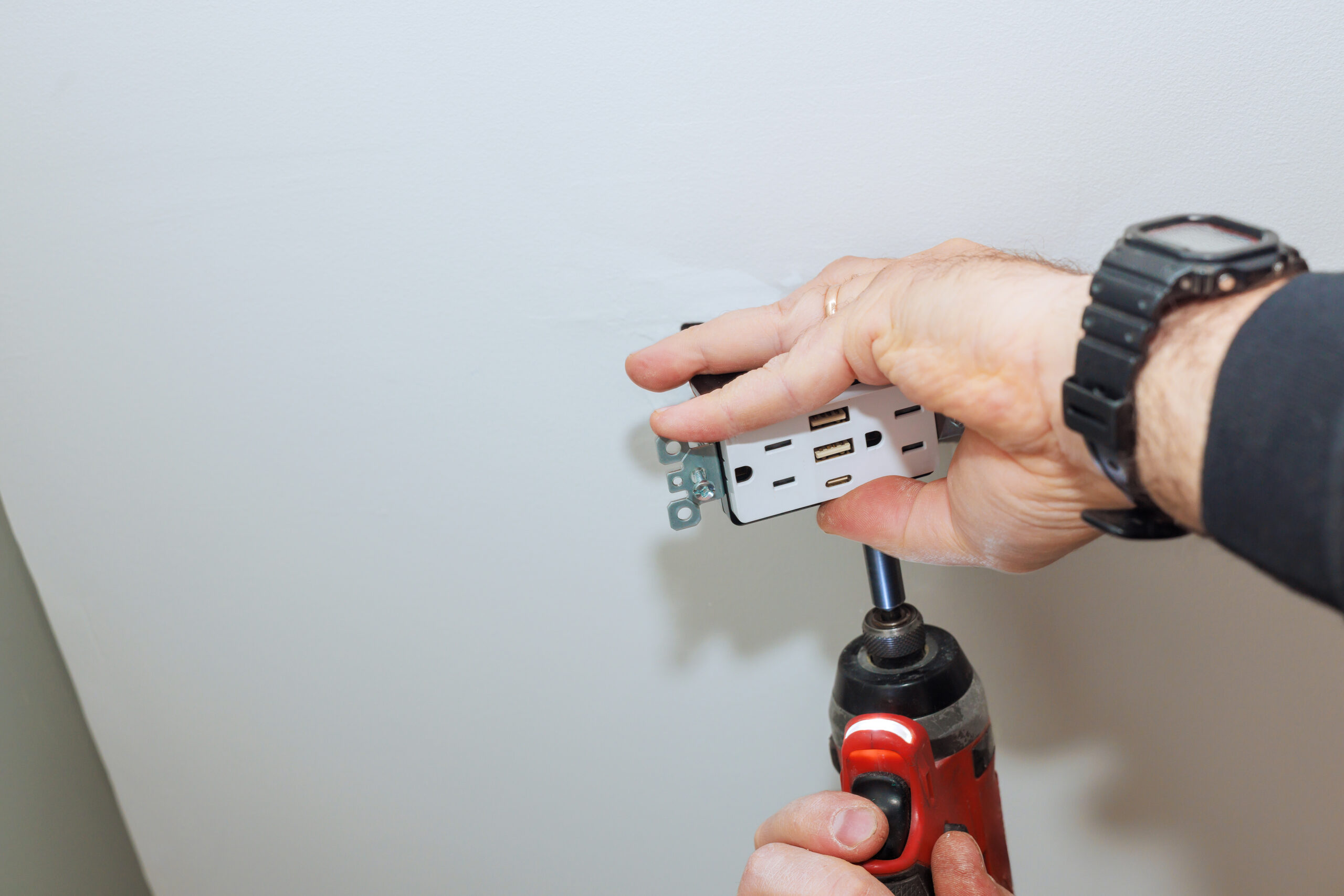
There are several situations where upgrading outlets is not just smart, but necessary. If you’re renovating a home, preparing to sell, or adding new appliances, updating your electrical system can protect your investment and increase your home’s market value. Insurance companies and home warranty providers often require grounded electrical systems to maintain full coverage. Beyond safety, modern outlets offer features like USB charging ports, smart controls, and surge protection that align better with how we live today. If your home still has ungrounded outlets, or outdated knob-and-tube wiring, consider a professional inspection followed by an update plan that prioritizes the most-used or most-exposed circuits first.
Homeowner Tips for Maintaining a Safe System
Knowledge is your first line of defense. Know which outlets in your home are grounded and which are not. Test outlets using a plug-in circuit tester, available at most hardware stores. Schedule periodic inspections by a qualified electrician—especially if your home is older or you’ve recently purchased it. Avoid overloading outlets with extension cords or power strips, and keep moisture away from non-GFCI outlets. And never, under any circumstances, attempt to modify electrical outlets without proper training. Electrical systems are tightly regulated for good reason. A licensed expert has the tools and experience to ensure your home stays safe, efficient, and code-compliant.
Why a Home Warranty From Armadillo Adds Confidence
Grounding may be hidden behind the walls, but its importance in keeping your home safe cannot be overstated. That’s why protecting your electrical system with a comprehensive home warranty just makes sense. With Armadillo, you won’t be navigating complex repairs or electrical failures alone. Our modern, transparent plans are designed around the real needs of today’s homeowners—and yes, they cover essential home systems like electrical wiring. Explore how our protection goes beyond the surface and provides peace of mind for both new and seasoned homeowners. Visit armadillo.one to learn more about what we cover, or start building your custom plan today at armadillo.one/plan-builder. Your home is grounded. Your confidence should be, too.