Understanding the American Home Stove: How It Works, Why It Matters, and What Homeowners Need to Know
The stove is one of the most relied-upon appliances in any American kitchen. It’s where families cook meals, where holiday feasts come to life, and where everyday routines play out in real time. Despite its central role, many homeowners don’t actually understand how their stove works, what types exist, or how to keep this essential appliance operating smoothly over the long term. Whether you’re considering a home warranty or simply want to make a smart, informed decision about stove maintenance or upgrades, learning the fundamentals of this indispensable appliance can pay off in more ways than one.
What Is a Stove and What Purpose Does It Serve?
A stove, often called a range, is a kitchen appliance designed to cook food by using direct heat on a cooktop or from an internal oven. Most American households feature either a standalone range with both a cooktop and oven, or a separate cooktop paired with a wall-mounted oven. Stoves are powered by electricity, gas, or sometimes both, and come in a wide variety of designs, from traditional coil stovetops to sleek induction surfaces. Common among all stoves is their function: to provide controlled heat for boiling, frying, baking, roasting, and more. It seems simple at first glance, but beneath the surface are complex systems that quietly manage safety, efficiency, and performance to meet food preparation demands day in and day out.
How Do Different Types of Stoves Work?
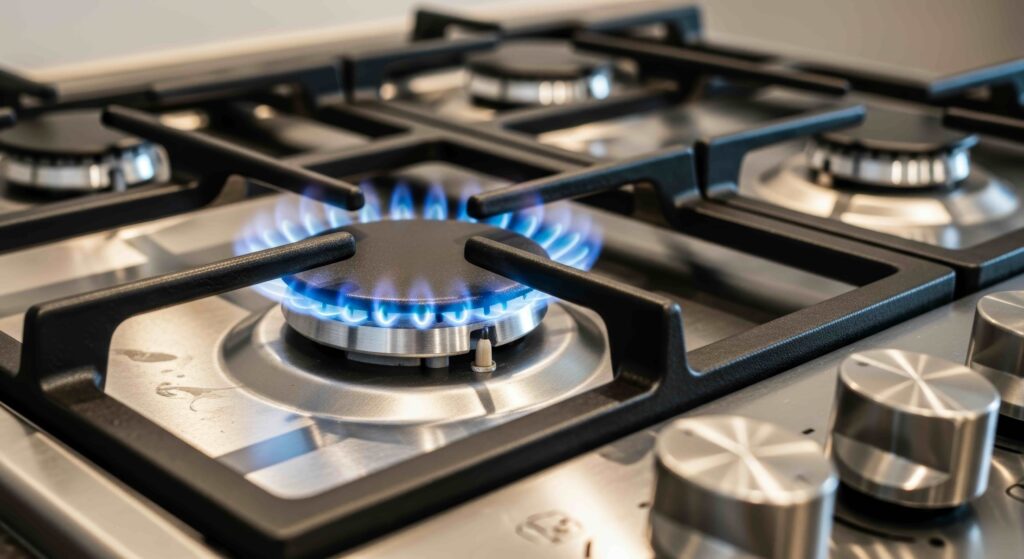
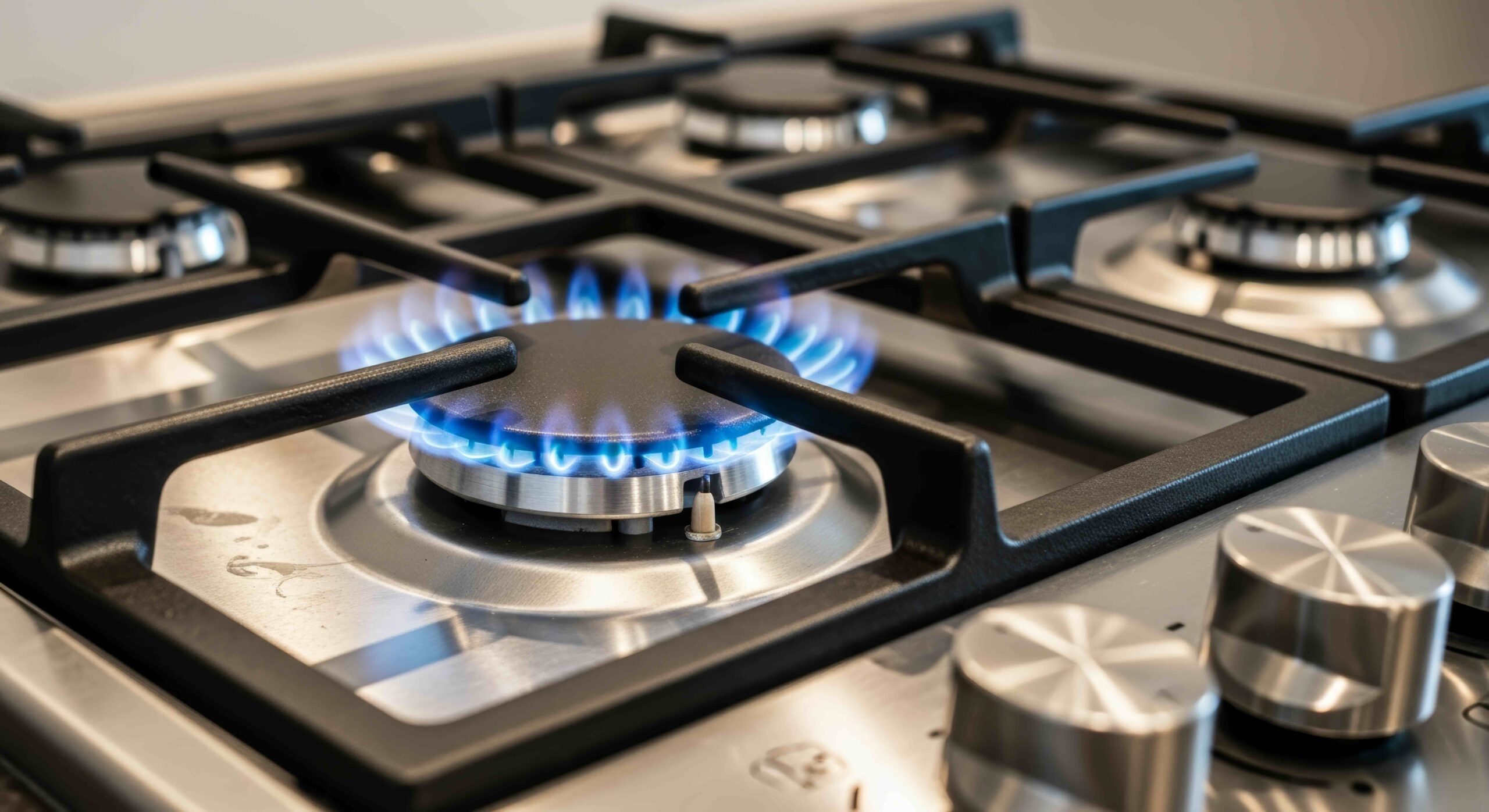
Most American homes are equipped with one of three common stove types: electric, gas, or induction. Electric stoves use a resistive heating coil or glass-ceramic surface to warm cooking elements. These are easy to clean and widely available, though they tend to be slower to heat than gas or induction models. Gas stoves use an open flame powered by natural gas or propane, offering better temperature control and immediate heat responsiveness. Induction stoves use electromagnetic fields to directly heat cookware, leaving the surface relatively cool—efficient and precise, though compatibility with specific cookware is necessary. Within the oven itself, whether electric or gas, thermostats, heating elements, and convection fans work together to maintain consistent internal temperatures for baking or broiling. Understanding these varied heat sources gives homeowners options tailored to their preferences, cooking style, and existing energy infrastructure.
Advantages of Having a Reliable Home Stove
The benefits of owning a reliable stove are both practical and financial. First and foremost is convenience—you have immediate access to prepare food at home, which reduces dependency on dining out and helps maintain a healthier diet. Next is energy savings; newer stove models feature energy-efficient technology that uses less power to reach and maintain optimal temperatures. Then there’s the added home value. A kitchen with a modern, well-maintained stove is more attractive to prospective buyers. Finally, a dependable stove is central to everyday routines and special occasions—you rely on it far more frequently than you may realize. From morning coffee to midnight snacks, your stove is a quiet partner in the background of life. A high-performance stove reduces cooking times, produces more consistent results, and minimizes the risk of electrical or gas-related hazards when installed and maintained properly.
Potential Drawbacks and Common Issues
While stoves are reliable workhorses, they are not without issues. Electric models may suffer from faulty burners, oven element failures, or wiring problems. Gas stoves can experience pilot light instability or gas leaks, both of which introduce safety concerns. Even high-end induction models aren’t immune; they rely on complex circuit boards and sensors that can fail over time. Beyond mechanical failures, there’s the constant need for cleaning and general upkeep. Spills, splatter, and baked-on food can degrade performance quickly if left unchecked. Additionally, incorrect installation—often by DIY attempts—can introduce venting issues or power load imbalances. When your stove goes down, it’s more than just an inconvenience—it’s a disruption to your daily rhythm and something that may result in costly repairs if not covered by a protection plan.
How to Maintain Your Stove for the Long Haul
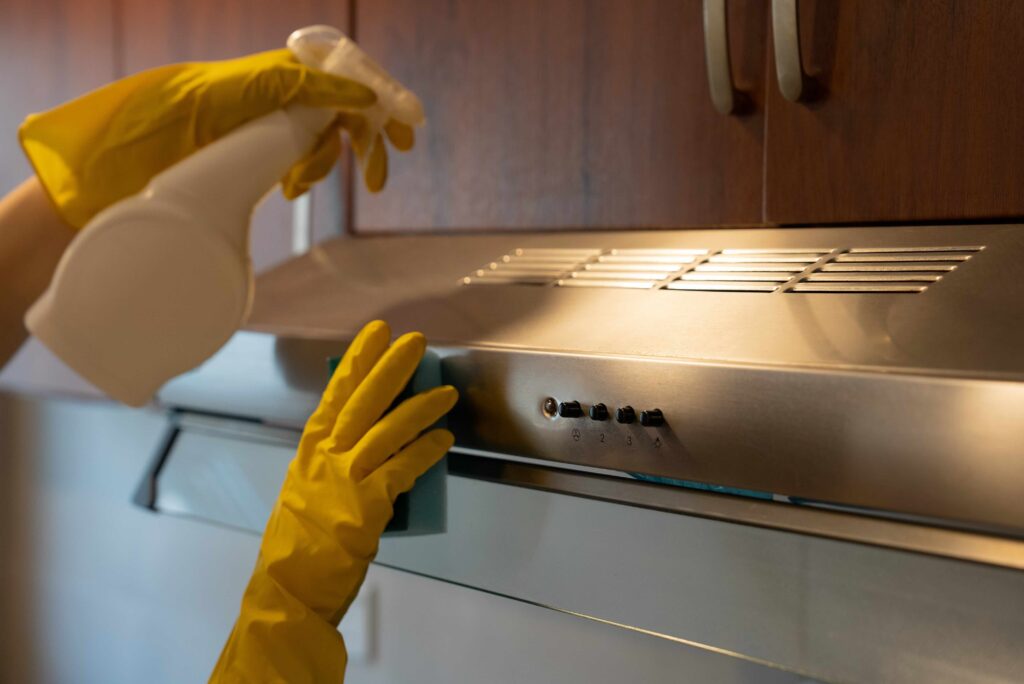
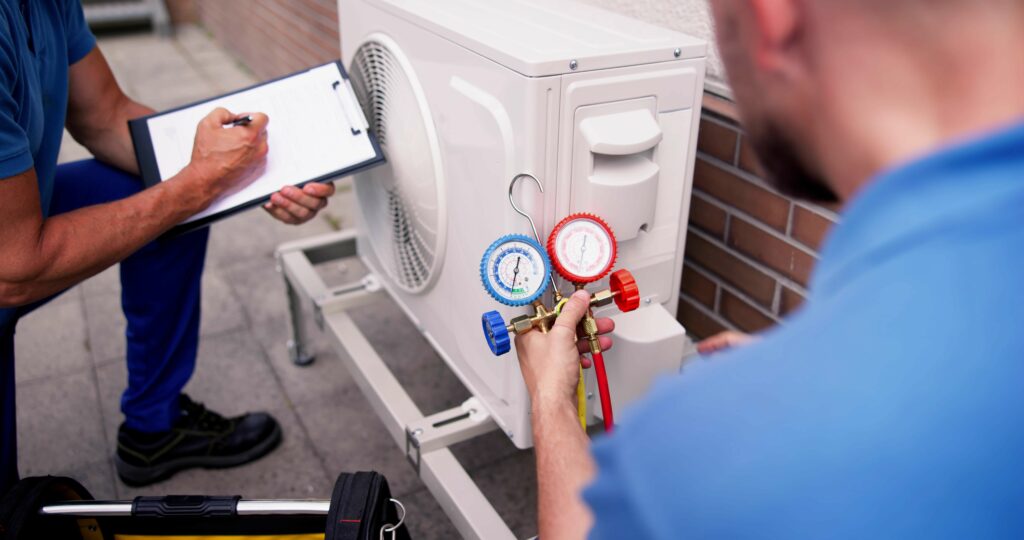
Preserving the performance and extending the life of your stove can be straightforward with regular care. Begin with the basics: clean the cooktop after each use, using a soft cloth and stovetop-appropriate cleaner. For electric coils, remove and check them periodically to ensure there are no signs of burning or corrosion. Gas burners should be kept free of food debris to prevent clogs that can impact flame output. An annual inspection of gas connections or electrical wiring is also recommended, preferably by a certified technician. Don’t overlook the oven. Self-cleaning features are useful but can strain components; use sparingly and opt for manual cleaning when possible. Always reference your manufacturer’s guidelines and stick with OEM parts if replacement is necessary. Like any appliance, treating your stove with regular attention will inevitably reduce the likelihood of a major breakdown.
Should Stoves Be Covered Under a Home Warranty?
Yes, and for good reason. Stoves aren’t luxury appliances—they’re daily-use essentials. When they stop working, the cost and inconvenience can add up quickly. A comprehensive home warranty offers financial protection against mechanical breakdowns due to normal wear and tear, something not typically covered by homeowners insurance. This includes key stove components like igniters, control boards, burners, or sealed cooktop parts. With warranty coverage, instead of scheduling a repair, sourcing a technician, and paying out of pocket, you make one call and let your provider coordinate the fix for a predictable service fee. Kitchen appliances are among the most frequently used in the home, and stoves sit at the center of that usage. Including them in your plan ensures you’re not left cold—literally—should something go wrong.
What Homeowners Should Know Before Purchasing or Replacing a Stove
There are a few factors homeowners should evaluate before purchasing a new stove or replacing an old unit. Energy source comes first—do you currently use electric, gas, or are you open to converting (and paying the added installation costs)? Then comes size and style. Standard widths are typically 30 inches, but check your kitchen’s layout carefully to avoid installation issues. Then evaluate extra features: convection settings, smart technology, self-cleaning ovens, or dual-fuel capabilities. Each adds convenience, but also adds to the price. Before investing, review your current electrical panel or gas hookup to verify compatibility. Last but not least, consider how the new stove fits into your long-term maintenance plan. A sleek, smart-enabled stove offers advantages, but it also means more internal systems that may require professional support in the future. Knowing what you’re getting into reduces surprise expenses and helps ensure ongoing performance aligns with your cooking habits.
Why Homeowners Turn to Armadillo Home Warranty for Stove Coverage
Think about how many times you use your stove in a given week. Now imagine it sitting idle because of a failed part or hard-to-diagnose issue. Unplanned appliance repairs can disrupt your entire budget and timeline—not to mention the stress of finding a technician you trust. That’s where Armadillo comes in. A trusted leader in the home warranty space, Armadillo offers customized protection plans that cover vital appliances like your stove and oven, shielding you from surprise costs and frustrating service calls. With Armadillo, repairs are handled quickly, efficiently, and by qualified professionals. If you’re ready to protect your kitchen’s most-used appliance, visit their homepage at armadillo.one or start building your plan today at this link. Peace of mind is one stove cycle away.