Understanding the GFCI Reset Button: What Every Homeowner Should Know
Electrical safety is one of the most important, yet frequently overlooked, aspects of homeownership. While most people encounter a GFCI reset button at some point, few understand its vital role in protecting homes from electrical hazards. In this article, we’re taking a magnifying glass to one small but crucial component of your home’s electrical system: the Ground Fault Circuit Interrupter, or GFCI. By the time you finish reading, you’ll know what a GFCI is, how it works, why it’s important, and how you can use this knowledge to better manage your home’s safety—and even your home warranty coverage.
What is a GFCI Outlet and Why Does It Matter?
A GFCI outlet is an advanced type of electrical outlet specifically designed to protect against electrical shock and reduce the risk of fire. It operates by constantly monitoring the flow of electricity through a circuit. If the GFCI detects any imbalance—like when electricity takes an unintended path, such as through water or a human body—it acts within milliseconds to shut off the power to that circuit. GFCI outlets are required by code in certain areas of the home, particularly where electricity could come into contact with moisture: kitchens, bathrooms, garages, laundry rooms, and exterior spaces.
How Does a GFCI Work?
The GFCI senses the difference between the hot and neutral wires in the circuit. Normally, the electricity flowing out through the hot wire is equal to the electricity returning through the neutral wire. If there’s a slight difference—as small as 4 to 5 milliamps—the GFCI jumps into action. This usually means electricity is leaking somewhere it shouldn’t be, potentially through water or a person. Instead of relying on a fuse to blow or a breaker to trip, the GFCI almost instantaneously cuts power at the outlet to prevent harm.
The Role of the Reset Button
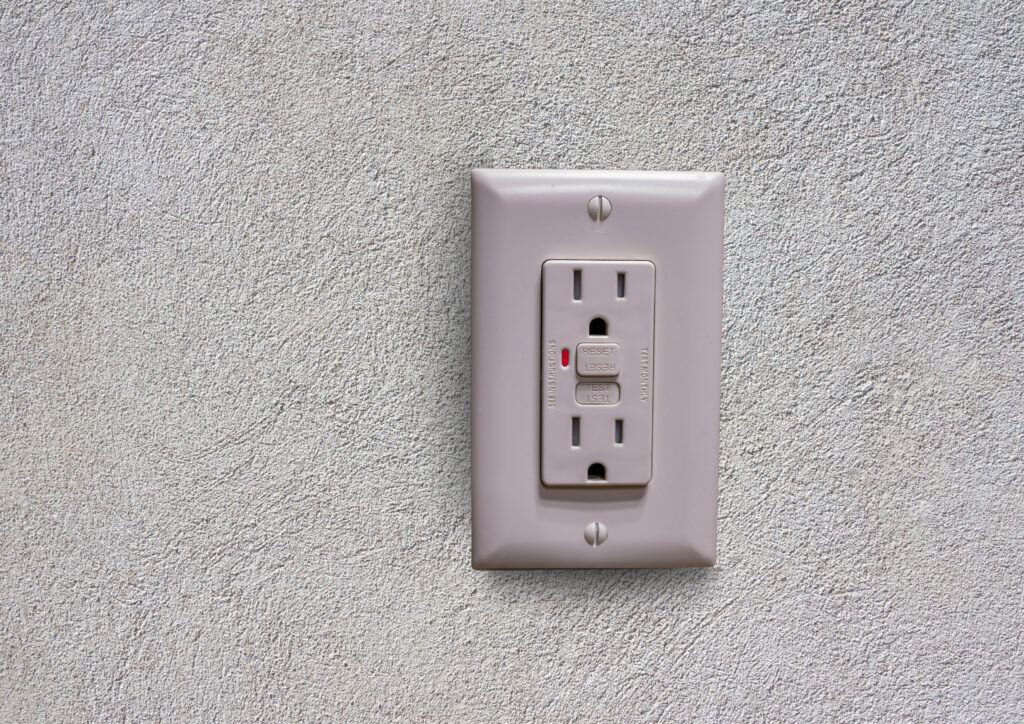
When a GFCI outlet trips, it cuts off electricity and the reset button pops out. Pressing this button restores power, assuming the fault that caused the interruption has been resolved. Think of the button as both a diagnostic tool and a manual override. If you’ve lost power at an outlet and suspect a trip, testing and resetting the GFCI is a critical first step. Importantly, if the outlet won’t reset, that typically signals a persistent issue—possibly moisture, a faulty appliance, or aging wiring—requiring further investigation or electrical service.
Common Advantages of GFCI Outlets
The most immediate benefit is protection against electrocution and electrical fires. This is particularly important in homes with children, aging electrical panels, or unpredictable exposure to moisture. In addition to improved safety, these outlets are often required for compliance with modern electrical codes. Another advantage is that they’re relatively affordable to install and easy to use. Homeowners can test and reset them without specialized tools or training. For those maintaining coverage through a home warranty, properly installed and functioning GFCI outlets can streamline claims processing and reduce disputes related to appliance damage caused by electrical issues.
What Are the Drawbacks You Should Watch Out For?
Like most electrical components, GFCI outlets aren’t flawless. One common drawback is nuisance tripping. This happens when the outlet trips due to harmless electrical anomalies instead of genuine hazards. For example, high-powered motors like those found in hairdryers or power tools can sometimes cause unintentional trips. Also worth noting, GFCI outlets aren’t always obvious in appearance. If wired in series, a trip at one outlet can disable downstream outlets, which makes diagnosis a bit more challenging. Lastly, GFCIs must be tested regularly. Without periodic testing, they may silently fail—and that’s a recipe for hidden electrical danger.
Maintenance Tips for GFCI Outlets
To make sure your GFCI outlets perform reliably, test them monthly using the built-in test and reset buttons. Press ‘Test’ and verify that the outlet powers down—then press ‘Reset’ and confirm that power has been restored. This ensures the internal mechanism is functioning. Also, keep an eye out for signs of moisture or damaged appliances that repeatedly trigger a trip. If you find yourself resetting an outlet frequently, it’s a sign to dig deeper—either with a multimeter or professional electrician. GFCIs aren’t a “set it and forget it” feature. Like smoke detectors, they need occasional attention to keep your home safe.
Why Homeowners Should Consider Armadillo for Their Home Warranty Coverage
Electrical issues can be unpredictable, and as we’ve discussed, even minor components like GFCI outlets can influence the reliability of your home systems. A home warranty provider like Armadillo understands these details. With coverage designed to go beyond the surface, Armadillo helps homeowners manage unexpected repair costs related to appliances, wiring, and key systems. Our transparent, real-time service model ensures you’re never left in the dark—literally or figuratively. Learn more about how we protect your home essentials at armadillo.one or start customizing your protection plan now with our intuitive online plan builder. When it comes to protecting your home and your peace of mind, powering up with the right support is just as important as knowing how to reset an outlet.