What Is the Outside Part of the Air Conditioner Called? Everything Homeowners Need to Know
If you’ve ever stood next to your home’s humming air conditioning unit and wondered what exactly happens out there—or even what it’s called—you’re not alone. HVAC systems may seem complicated, but understanding the air conditioner’s outdoor component is more than just trivia. It puts homeowners in a smarter position when it comes to maintenance, upgrades, and home warranties. Whether you’re facing rising summer temperatures or planning preventative HVAC care, getting acquainted with this essential part of your cooling system is a practical move. Let’s explore what the outside part of an air conditioner is, how it works, and why it matters to you.
What Is the Outdoor Unit of an Air Conditioner?
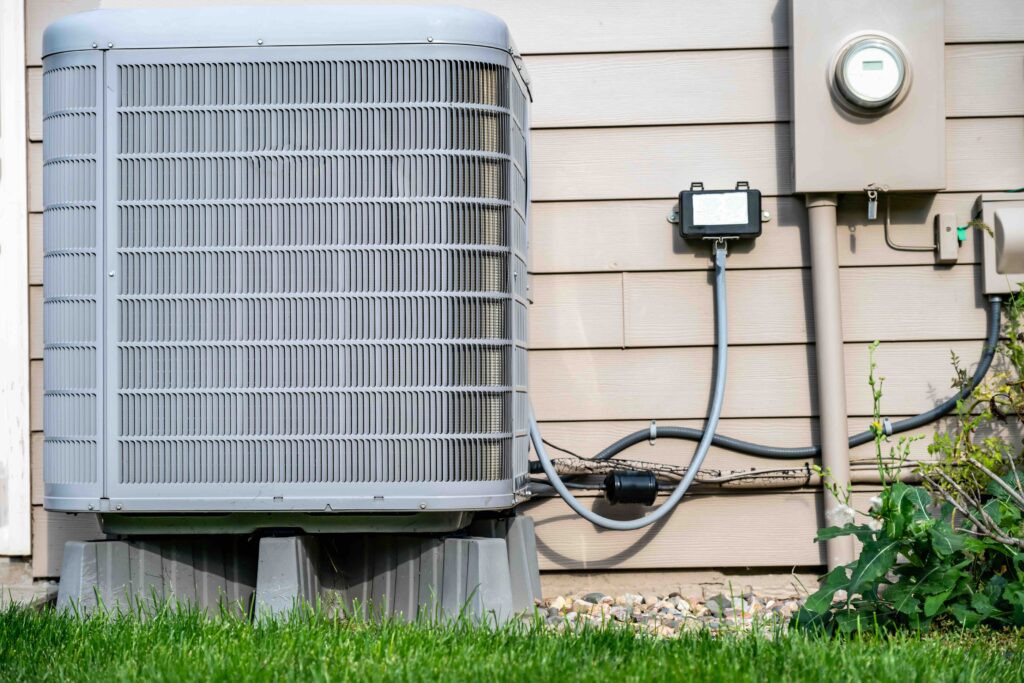
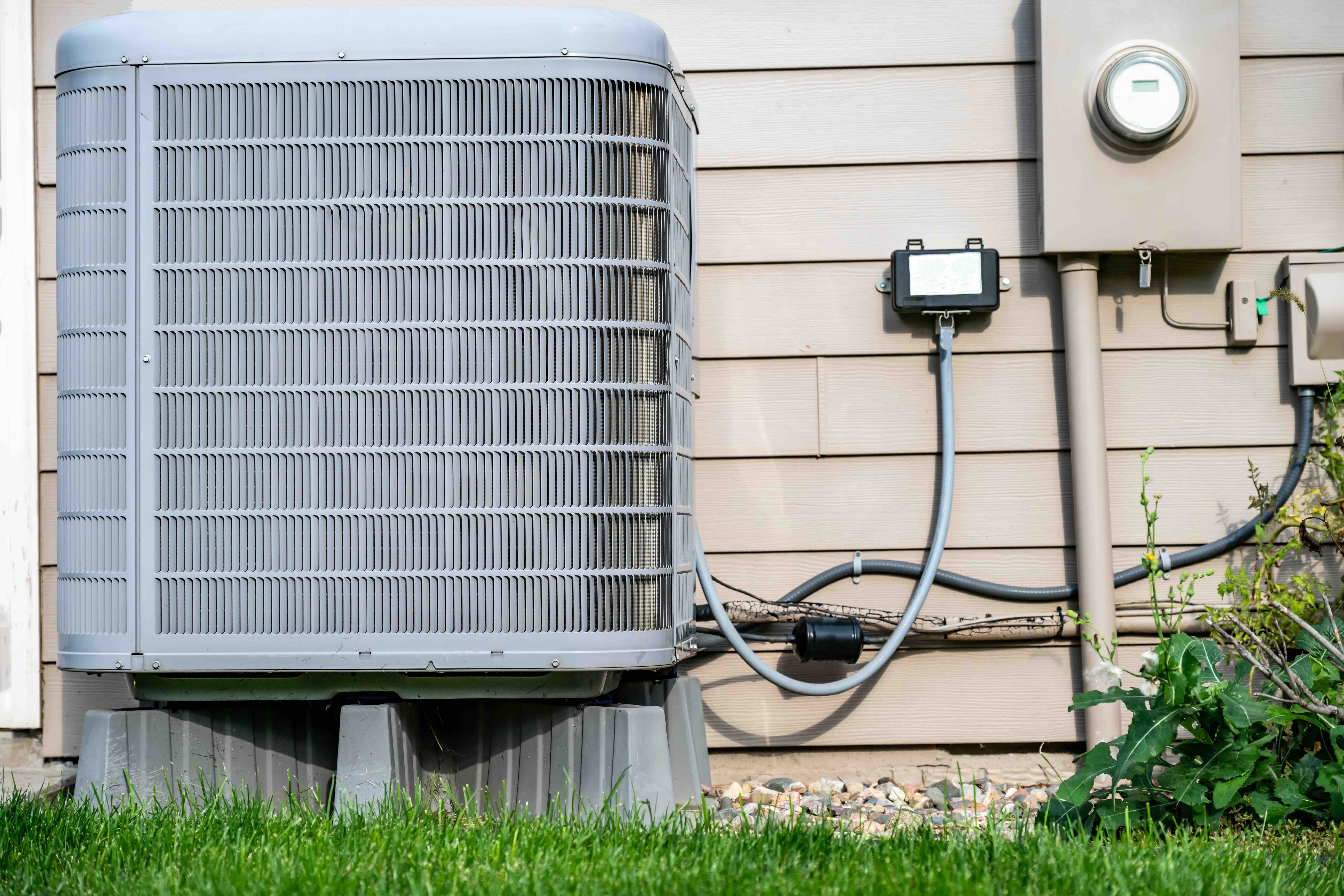
The technical name for the outside part of your air conditioner is the condenser unit—or more formally, the condenser coil system. This is the part of your split-system air conditioner that sits outside your home and plays a crucial role in removing heat from your interior spaces. In a central air system, the condenser partners with the indoor evaporator coil and air handler, forming a tandem that regulates indoor comfort. While the indoor components absorb heat from the indoor air, the condenser’s job is to release that heat outdoors. When you understand what the condenser does and why it matters, everything from energy efficiency to repair considerations becomes clearer.
How the Air Conditioner Condenser Works
The refrigeration cycle is the driving mechanism behind how air conditioners cool your home, and the condenser unit is the final stage in that process. Once the refrigerant inside your system absorbs indoor heat via the evaporator coil, it travels to the condenser coil in a high-pressure, gaseous state. Here, the condenser fan pulls in outdoor air and blows it across the coil, allowing the refrigerant to release the absorbed heat and condense back into a liquid. This cooled refrigerant then cycles back indoors to capture more heat, and the system repeats this loop until your thermostat setting is achieved. It’s a remarkably efficient process—but one that relies heavily on every component, especially the outdoor condenser, functioning properly.
Main Components Inside the Outdoor Unit
Inside the condenser cabinet, you’ll find several key parts working together. The most visible is the fan, usually located at the top of the unit, which helps expel heat. Underneath is the compressor, a critical piece that acts like the system’s pump, compressing low-pressure gas from the indoor coil into a high-pressure state. The condenser coil wraps around the compressor and serves as the heat exchanger that releases the heat to the surrounding air. Many modern units also include a control board and capacitor module, both of which regulate electrical flows and startup sequence. When any of these pieces fail, the entire system’s performance suffers, which is exactly why proactive maintenance and warranty protection are so valuable.
Advantages of a Well-Maintained Outdoor Condenser
Let’s talk outcomes. A well-maintained outdoor condenser directly impacts your comfort and your wallet. First, a clean, unobstructed fan and coil allow the system to release heat more efficiently, meaning your air conditioner doesn’t have to work as hard or as long to cool spaces. That efficiency translates into lower energy bills, longer equipment life, and fewer unexpected repair calls. Another benefit is steadier indoor comfort—if the condenser’s airflow is restricted, the system loses cooling power quickly. Lastly, many home warranties cover this unit’s parts and labor, so long as regular maintenance is performed. Protecting the condenser by keeping it clean and ensuring adequate airflow is one of the most accessible, high-impact things homeowners can do year-round.
Common Issues That Can Affect the Outdoor Unit
Even the best air conditioning systems are not immune to age, weather, or wear. Homeowners should be aware of several common issues that can impact the condenser’s performance. The most frequent is a dirty coil—grass clippings, pet hair, and dust can accumulate on the exterior, insulating it and preventing efficient heat exchange. Electrical component failures are also common, especially with capacitors that regulate system startups. Damage from landscaping or hail can dent coil fins, compromising airflow. And finally, the compressor itself is an expensive component that can fail due to overheating, power surges, or other systemic issues. Recognizing signs early, such as odd noises, warm air blowing from vents, or a unit that constantly cycles on and off, can mitigate the risk of full system failure.
Can You Repair or Replace Just the Outdoor Unit?
In certain scenarios, yes—you can replace or repair the outdoor condenser without touching the indoor components. However, HVAC systems are designed as matched sets, so simply replacing the outdoor unit with a newer one may not be compatible with older indoor parts. This can result in reduced efficiency and even void warranties. Furthermore, changes in refrigerant standards (such as the phase-out of R-22 in favor of R-410A) can complicate matters. Only HVAC professionals can evaluate how well your current setup aligns with newer technology. If your system is aging or out-of-warranty, replacing the entire unit is often more cost-effective than mixing old and new components.
Why Homeowners Should Consider Armadillo for Home Warranty Coverage
Your home’s air conditioning system isn’t just a luxury—it’s essential, especially in warmer climates or during peak summer months. And the outdoor condenser makes it all possible. That’s why protecting it with a comprehensive home warranty plan isn’t just smart, it’s strategic. Armadillo offers plan options tailored to everyday homeowners who value both comfort and cost predictability. Coverage includes major HVAC components like the compressor, condenser fan motor, and control systems—backed by technicians you can trust. Visit armadillo.one to learn more, or head directly to our plan builder to customize your home protection today. Peace of mind is just a few clicks away.