Why Is My Breaker Tripped and Grounded? Understanding Electrical Breaker Safety in Your Home
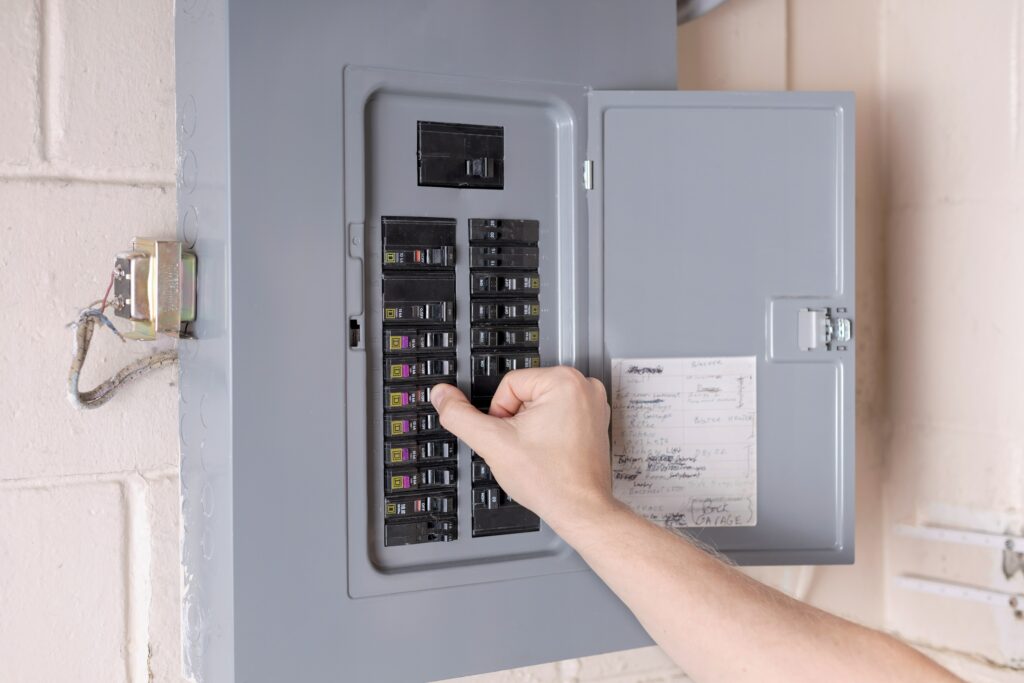
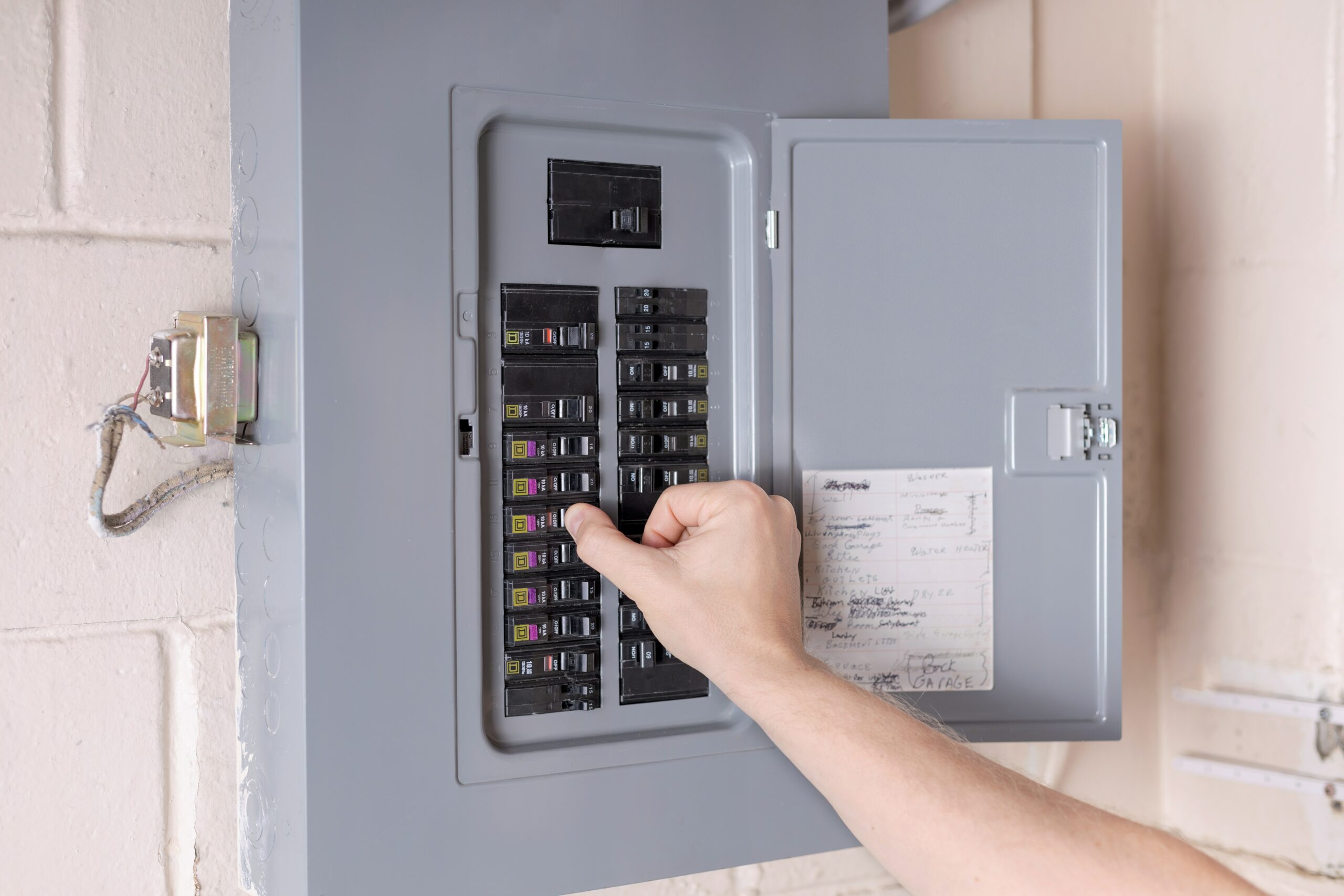
It’s a moment most homeowners experience at some point. You go to plug in your coffee maker, and… nothing. No power. You check the panel and see it: a tripped breaker. Maybe it’s even grounded. But what exactly does that mean, and what should you do next? More importantly, how can having a home warranty help you avoid unexpected surprises like these? Understanding your home’s electrical system may not be the most glamorous task, but it’s undeniably essential. This guide explores how breakers work, why they trip—especially when grounding is involved—and how you can make informed decisions to protect both your home and your peace of mind.
What Is a Circuit Breaker and How Does It Work?
A circuit breaker is one of the most critical safety devices in your home’s electrical system. Installed inside your electrical panel, its core purpose is to protect your home from damage caused by excessive electrical current. It automatically disconnects power when it detects a fault—either an overload, a short circuit, or a ground fault. Simply put: your breaker is the last line of defense against fires, appliance damage, and even electrocution. It monitors the current flow constantly, and if that flow exceeds safe levels, it trips—cutting power before things escalate.
Why Do Breakers Trip?
There are a few primary reasons why your breaker might trip. Overloaded circuits are the most common, where more devices are plugged in than the circuit can support. Then there are short circuits, which occur when a hot wire touches a neutral wire, causing a surge. Finally, there are ground faults—where a hot wire contacts the ground or a grounded part of your system. When it trips due to grounding, specifically, the breaker identifies that electricity is going where it shouldn’t be. This is especially hazardous because it can result in electric shock or fire if left unresolved.
What Does It Mean When a Breaker Is Grounded?
A grounded breaker typically refers to a condition where there is a ground fault that has caused the breaker to trip. It doesn’t mean the breaker itself is “grounded” in the traditional sense (all breakers are grounded by design), but rather that it has detected a grounding issue elsewhere in the system. Ground faults often occur due to damaged wires, faulty appliances, or water exposure. These situations allow current to divert from its normal path, which can be dangerous. Breakers designed with ground fault circuit interrupter (GFCI) technology are especially sensitive to these anomalies and will trip instantly in response.
The Importance of Grounding in Modern Homes
Grounding in a home’s electrical system provides a safe pathway for electricity in the event of a fault. When your system is properly grounded, excess electricity flows harmlessly into the earth. This is crucial in minimizing risk from lightning strikes, power surges, or faults in appliances. Without proper grounding, any such malfunctions could result in shocks or fires. If your home is older, it might not have the same grounding protection as modern systems, which increases the importance of proactive maintenance and reliable home protection plans.
Common Issues Leading to Breaker Trips in Grounded Systems
Understanding the causes behind tripped breakers—even in grounded systems—can help you prevent them. Common culprits include overloaded circuits from kitchen appliances or portable heaters, frayed extension cords, or moisture intrusion in areas like bathrooms or basements. Sometimes, the issue isn’t the appliance at all, but wiring that has degraded over time. Loose connections, rodent-chewed wires, or improperly installed outlets can all trigger recurring breaker trips. These aren’t just inconveniences—they can indicate deeper safety concerns that require licensed electrical intervention.
How Homeowners Can Respond When a Breaker Trips
When a breaker trips, the first step is to unplug or power off devices connected to the circuit in question. Then, reset the breaker by flipping it fully to the off position before switching it back on. If the breaker trips again immediately, stop. This usually signals a more serious issue such as a ground fault or damaged wiring. In these situations, avoid attempting DIY fixes unless you are trained. Schedule an inspection with a licensed electrician—and be thankful if you have a home warranty that covers electrical diagnostics and repairs. Not every policy does, but the right one will take the sting out of emergency calls.
How a Home Warranty Like Armadillo Helps You Handle Breaker Issues
Tripped breakers, wiring faults, or system grounding issues are never convenient—but they don’t have to be disastrous. With the right home warranty partner, you avoid the stress of finding a qualified technician and managing out-of-pocket expenses. Armadillo home warranty plans offer coverage that includes essential home systems like electrical wiring, breaker panels, and outlets. So when something trips—literally—you can focus on staying safe while we handle the logistics. Learn more at Armadillo.one or build your perfect protection plan today with our easy plan builder.