Understanding Your Water Heater: The Unsung Hero of Home Comfort
For many homeowners, the water heater remains an underappreciated marvel—quietly working in the background, providing hot water to keep life moving smoothly. Yet, when there’s “no water in the water heater,” it roars to the forefront of our concerns, demanding attention and understanding. By diving into the world of water heaters, this article decrypts their complexities, explores their benefits, and scrutinizes potential issues. After this comprehensive read, grasping the nuances of your water heater will not only empower you but also ensure you’re making informed maintenance and investment decisions.
What is a Water Heater?
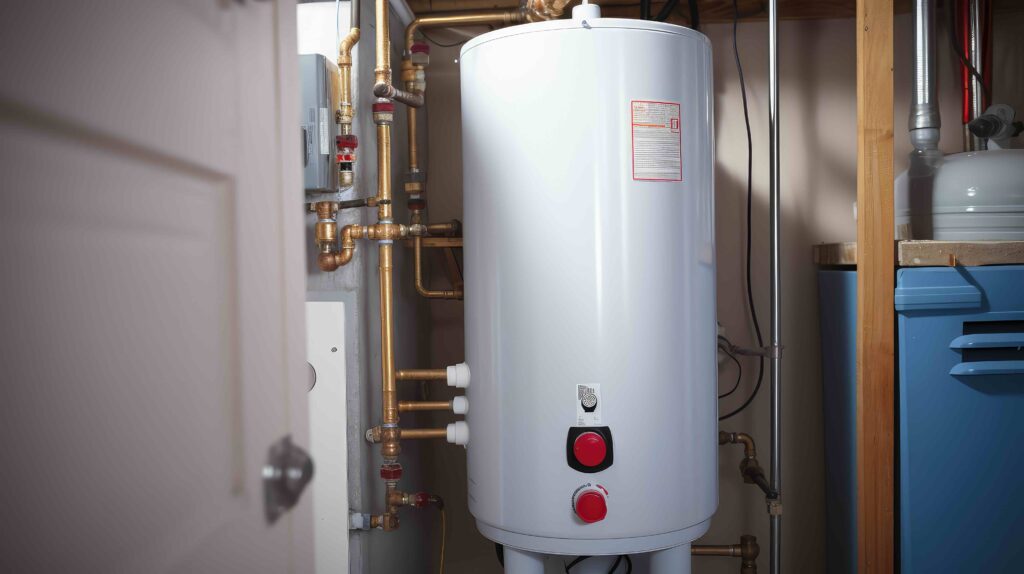
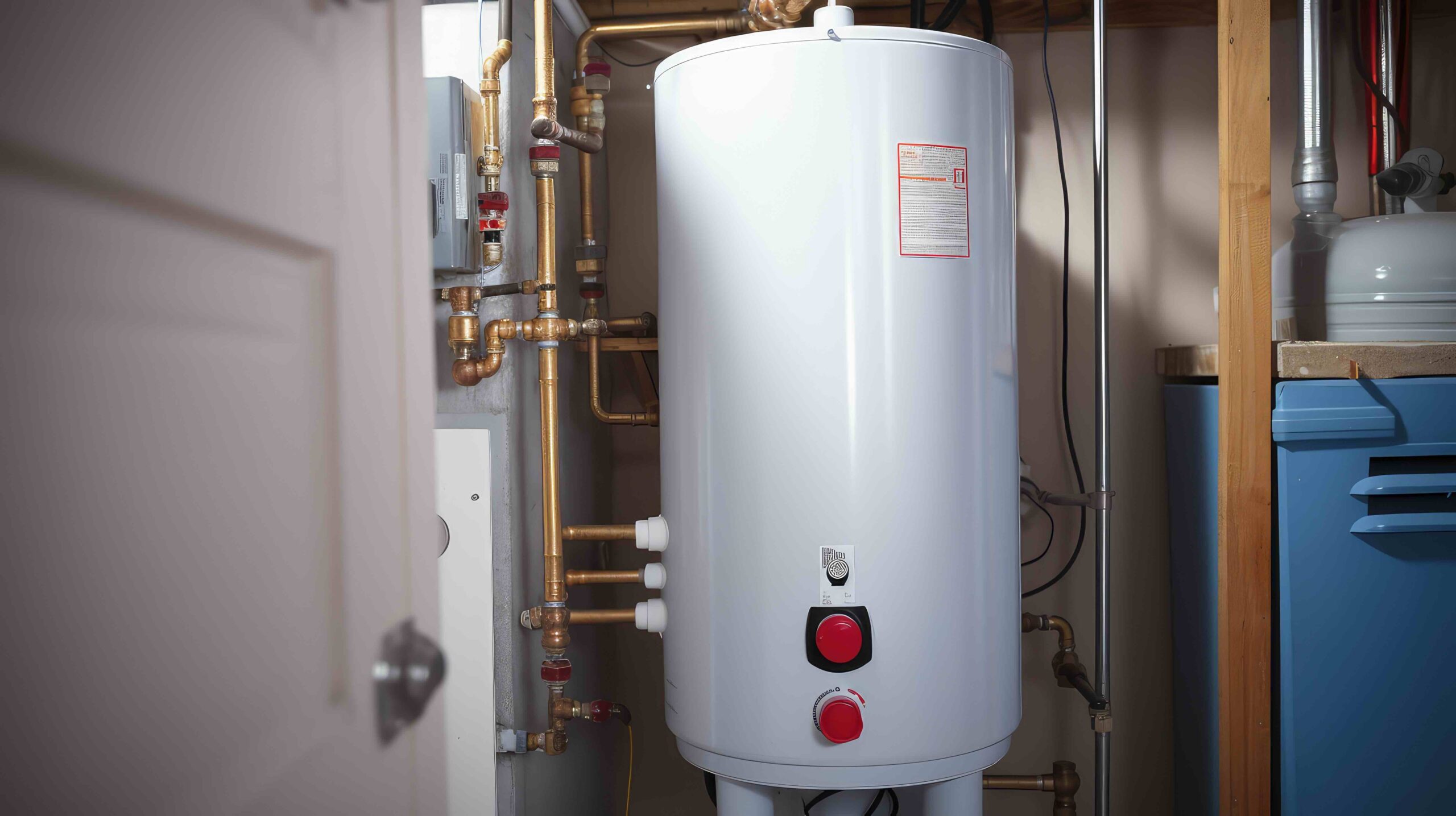
A water heater is an indispensable component of modern homes, designed to heat and supply hot water on demand. Installed in basements, garages, or dedicated spaces, these devices store and heat water, ensuring that every time you turn on a tap or hop in the shower, hot water flows readily. Essentially, they are home appliances fueled by gas, electricity, or alternative energy sources, tasked with maintaining a reservoir of heated water. Their fundamental role in daily comfort cannot be overstated, from aiding in hygiene to supporting household chores.
How Does a Water Heater Work?
The inner workings of a water heater are deceptively simple yet ingeniously effective. Standard tank models feature a series of intricate components: a tank, thermostat, heating mechanism, and exhaust or ventilation system. Cold water enters the tank through a dip tube, then the desired temperature is maintained by heating elements or a burner. Thermostats regulate temperature levels to safeguard against overheating. For tankless models, water is heated instantaneously as it flows through the system, offering an energy-efficient alternative by eliminating standby heat loss found in tank models. The harmonious operation of these elements ensures your household’s hot water demands are consistently met.
Key Advantages of Water Heaters
Water heaters offer a plethora of advantages, starting with the obvious—convenience and comfort. The accessibility of hot water at any time enhances the quality of life significantly. Furthermore, modern water heaters are designed with energy efficiency in mind, reducing utility bills and environmental impact, particularly in the case of tankless models. Many newer units come equipped with advanced features like Wi-Fi connectivity and smart thermostats, providing users with real-time monitoring and control over their water heating systems. This combination of technological innovation and practical application makes water heaters indispensable assets for homeowners.
Common Drawbacks of Water Heaters
Despite their myriad benefits, water heaters are not without their flaws. Perhaps the most apparent drawback is their maintenance needs. Sediment build-up can occur within tank models, reducing efficiency and leading to potential malfunctions. Additionally, older models may suffer from slower recovery times and less effective energy use. Budget constraints pose another challenge, as initial installation costs—especially for energy-efficient models—can be significant. Awareness of these potential pitfalls can aid homeowners in timely maintenance and informed financial planning, ensuring their water heaters operate optimally for years to come.
Signs Your Water Heater Needs Attention
Recognizing when your water heater requires attention is crucial. Indicators include a lack of hot water, unusual noises emanating from the unit, rust-colored water, or visible water leakage around the tank. These symptoms signify underlying issues such as sediment build-up, worn-out components, or structural corrosion. Regular inspection and maintenance can prevent minor inconveniences from escalating into costly repairs or complete system failures. Proactively addressing these signs ensures the longevity and efficiency of your water heater, maintaining uninterrupted comfort and convenience in your home.
Choosing the Right Water Heater for Your Home
Selecting the appropriate water heater necessitates careful consideration of several factors. Evaluate your household’s hot water consumption patterns, available installation space, fuel options, and budget constraints. Tank or tankless, gas or electric, each model has distinct benefits and potential limitations that should align with your specific needs. Consulting with a trusted professional can provide clarity on these options, guaranteeing your choice not only meets current demands but accommodates future requirements. Thoughtful selection reflects an investment not only in a product but in sustained home comfort.
Maintaining Your Water Heater
Proactive maintenance is the cornerstone of water heater efficiency and longevity. Regularly checking the system for leaks, inspecting the pressure relief valve, and draining a portion of the tank to eliminate sediment are foundational practices. Enlisting professional services annually ensures thorough inspections and tune-ups. Incorporating a maintenance routine into your home care schedule safeguards against unexpected failures and exorbitant repair bills, promoting peace of mind and financial savings in the long run. An attentive approach to maintenance promises consistent, reliable water heating in your home.
Consider Armadillo for Your Home Warranty Needs
Entrusting your water heater’s care to a reliable partner can ease the burden of unexpected repairs or replacements. Armadillo offers comprehensive home warranty plans tailored to safeguard your vital home systems, including water heaters. By choosing Armadillo, you’re opting for peace of mind, knowing that expert assistance is just a call away. For more information on protecting your investment and ensuring home comfort, visit the Armadillo homepage (https://www.armadillo.one). Ready to take the next step? Begin the sign-up process here (https://app.armadillo.one/plan-builder?current=zip) and experience the security of comprehensive home coverage.