Understanding HVAC Systems: How They Work, Why They Matter, and What Homeowners Should Know
Heating, Ventilation, and Air Conditioning—commonly abbreviated as HVAC—is one of the most critical systems that keeps your home livable throughout the year. Whether you’re bundled up in January or trying to escape an August heatwave, your HVAC system is likely working silently in the background. But many homeowners don’t fully understand how it operates, the advantages it offers, the challenges it poses, or how to protect it. This piece demystifies the HVAC system and offers a clear homeowner-focused guide to its key components, what to watch out for, and how to make sound decisions for the long-term health of your home.
What Exactly Is an HVAC System?
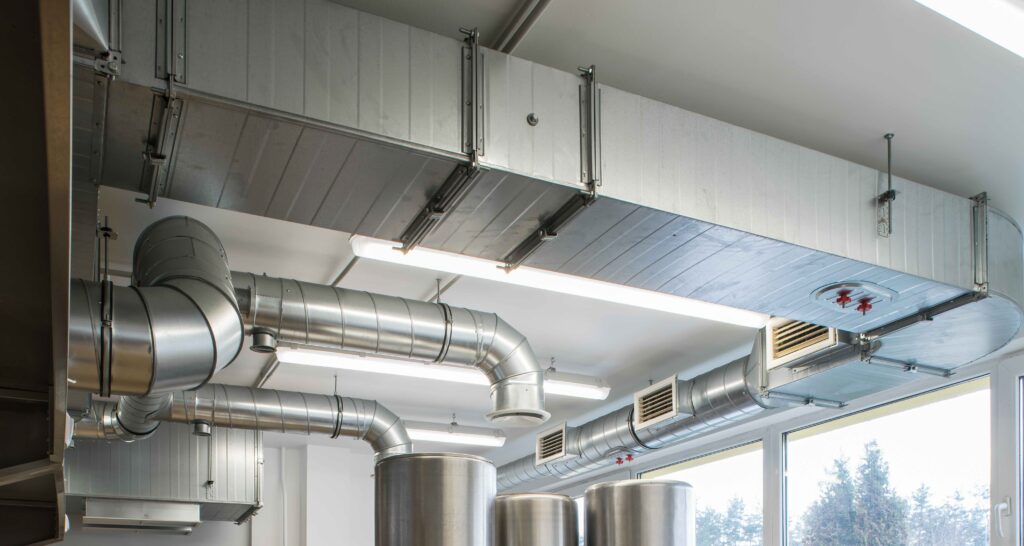
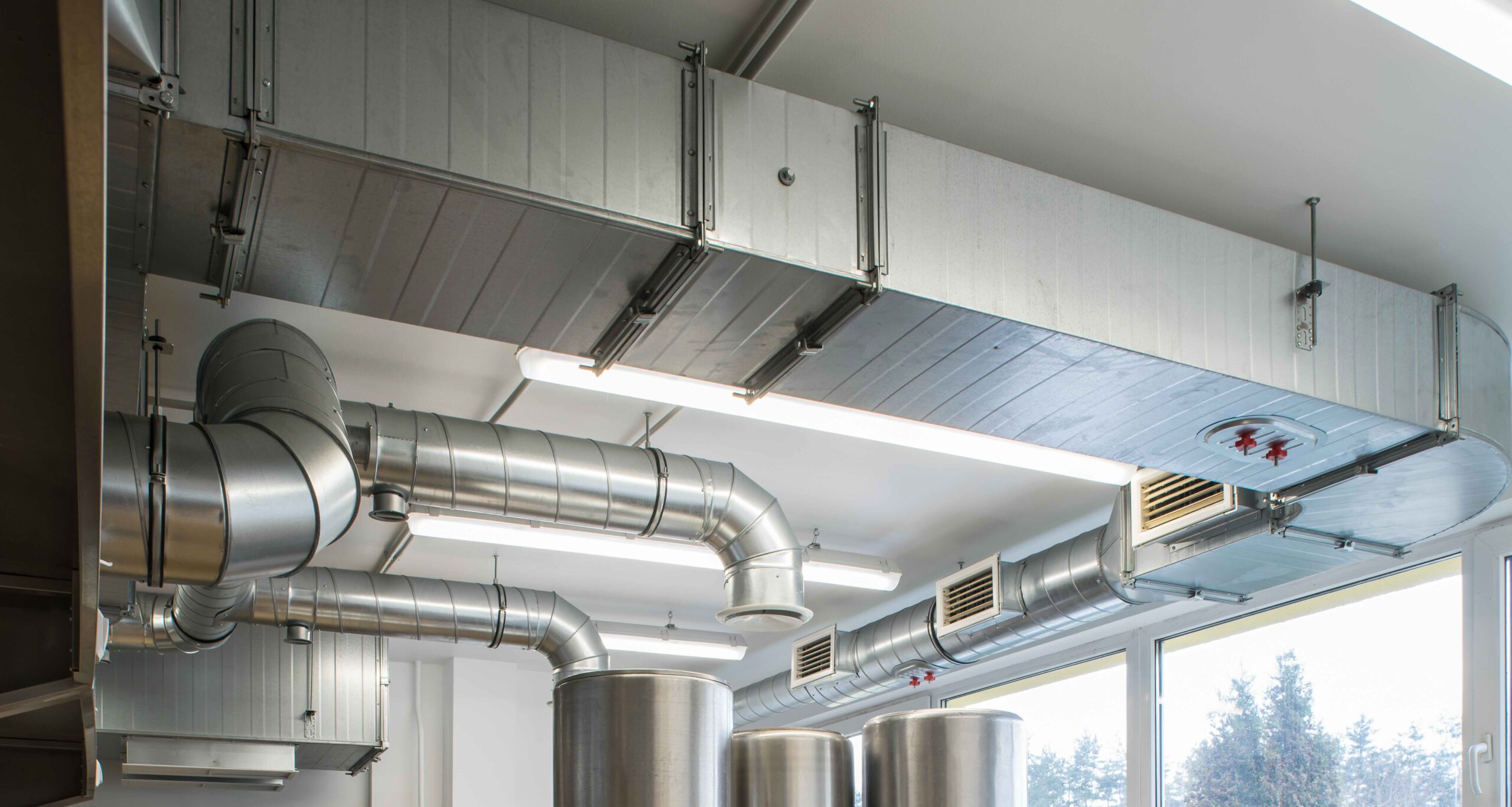
An HVAC system is the heart of your home’s indoor climate control. It manages air circulation, heating, and cooling to maintain consistent and comfortable conditions inside. The core components generally include a furnace, air conditioner, ductwork, thermostat, and often a ventilation system or heat pump. These pieces work together to filter air, control humidity levels, and maintain your preferred temperature. While the exact design varies depending on the age and layout of your home, the goal remains the same—year-round comfort through efficient climate control.
How the Components Work Together
The HVAC system operates on a synchronized cycle. First, the thermostat senses changes in interior temperature and signals the furnace or air conditioner to activate. The furnace heats air, typically using natural gas or electricity, while the air conditioner uses refrigerant to absorb interior heat and release it outside. Ductwork then distributes conditioned air evenly throughout your home. Ventilation removes stale air and introduces fresh air, ensuring healthy air quality. All of this is powered by electrical systems, fans, compressors, and sometimes supplementary components like filters and humidifiers. Despite the complexity, when one element falters, you’ll likely notice quickly—either through noise, temperature imbalances, or increased utility bills.
The Benefits of a Modern HVAC System
A well-functioning HVAC system contributes directly to your quality of life. Energy-efficient models can significantly reduce utility costs while minimizing your environmental impact. Consistent airflow improves air quality, reducing allergens, dust, and humidity-related mold growth. Comfort is also psychological. A stable indoor environment creates a sense of consistency and security, promoting better sleep and healthier living conditions. Many newer systems come with smart thermostats and programmable settings, offering convenience and control at the touch of a button. And yes, that silent hum you hear sometimes in the background? That’s your HVAC system working hard so you don’t have to think about it.
Common Issues Homeowners Encounter
Unfortunately, HVAC systems aren’t immune to wear and tear. Dirty filters are at the top of that list—clogged or unchanged filters can reduce airflow and overwork the motor. Leaky ductwork undermines efficiency and affects indoor air quality. Weak airflow could point to failing compressors or motor issues, and refrigerant leaks are common culprits in underperforming air conditioning units. Thermostats also fail, sometimes displaying incorrect readings or not engaging the system at all. These issues often begin subtly but can lead to urgent repairs or complete system failure if ignored. Preventive maintenance is non-negotiable here; regular checkups catch problems before they escalate.
When to Repair vs. Replace
Deciding whether to repair or replace your HVAC system depends on factors like age, efficiency, and cost of repairs. Systems older than 10 to 15 years typically require more frequent fixes and may struggle to meet current energy standards. If repair costs exceed half the price of a new unit, replacement usually offers better long-term value. New systems also qualify for energy rebates in some regions, offsetting initial investment. However, not all issues warrant full replacement. For newer systems or isolated issues, targeted repairs and part replacements can extend the life of the unit. A qualified technician can evaluate your system and recommend the most cost-effective solution tailored to your home’s needs.
The Role of HVAC in a Home Warranty
HVAC systems are among the most expensive and essential parts of any home, which makes them a central focus of comprehensive home warranty plans. Traditional homeowners insurance won’t cover breakdowns due to normal wear and tear—that’s where a home warranty becomes key. A smart warranty plan can help absorb the cost of repairs or replacements when HVAC components break down, offering peace of mind and financial predictability. It’s also a structured way to access qualified, vetted technicians quickly, without scrambling during peak heating or cooling months. For homeowners who want to protect both comfort and budget, securing HVAC coverage through a trusted home warranty provider is a logical step.
Tips to Extend the Life of Your HVAC System
Keeping your HVAC system in peak condition isn’t complicated, but it does require consistency. Start by changing filters every one to three months depending on usage and system guidelines. Schedule professional inspections at least twice a year—typically in spring and fall—before extreme weather kicks in. Clear outdoor units of debris, leaves, and snow, and ensure indoor vents are unblocked by furniture or curtains. Set your thermostat to reasonable temperatures to reduce system stress, and consider investing in a programmable or smart thermostat to manage energy use more efficiently. These small steps can delay major repairs and prevent system burnout prematurely.
Why HVAC Protection with Armadillo Makes Sense
Given the HVAC system’s central role in home comfort and its potential repair costs, protecting it with a home warranty isn’t just smart—it’s essential. Armadillo offers modern, flexible home warranty solutions that keep pace with today’s homeowners. Our plans include coverage for heating, cooling, and ventilation systems, with fast, app-based claims handling and access to trusted service professionals. Instead of reacting to a broken HVAC system on a sweltering day or during a freezing night, you get proactive risk management and responsive support. Start by exploring coverage options on our homepage or dive directly into building your customized home warranty plan by visiting our Plan Builder. A well-guarded HVAC system means comfort, safety, and peace of mind—and we’re ready to make that happen.