Understanding the Wall Plug to USB Outlet: A Simple Upgrade That Powers Today’s Homes
Our homes are evolving—more outlets, more devices, and a growing need for convenience. One of the most practical and cost-effective upgrades a homeowner can make is replacing standard wall outlets with ones that include built-in USB ports. It’s an understated modern convenience that improves charging efficiency, reduces cable clutter, and subtly increases home value. At the intersection of technology and daily life, USB wall outlets have become an increasingly common improvement option. Whether you’re renovating or just trying to reduce your reliance on clunky charging bricks, understanding how these outlets work and when it’s worth upgrading is essential. In this article, we’ll cover what USB wall outlets are, how they function, why they’re worth considering for your home, some of the limitations, and how to ensure your home warranty covers electrical improvements like this smart switch.
What Is a Wall Plug USB Outlet and How Does It Work?
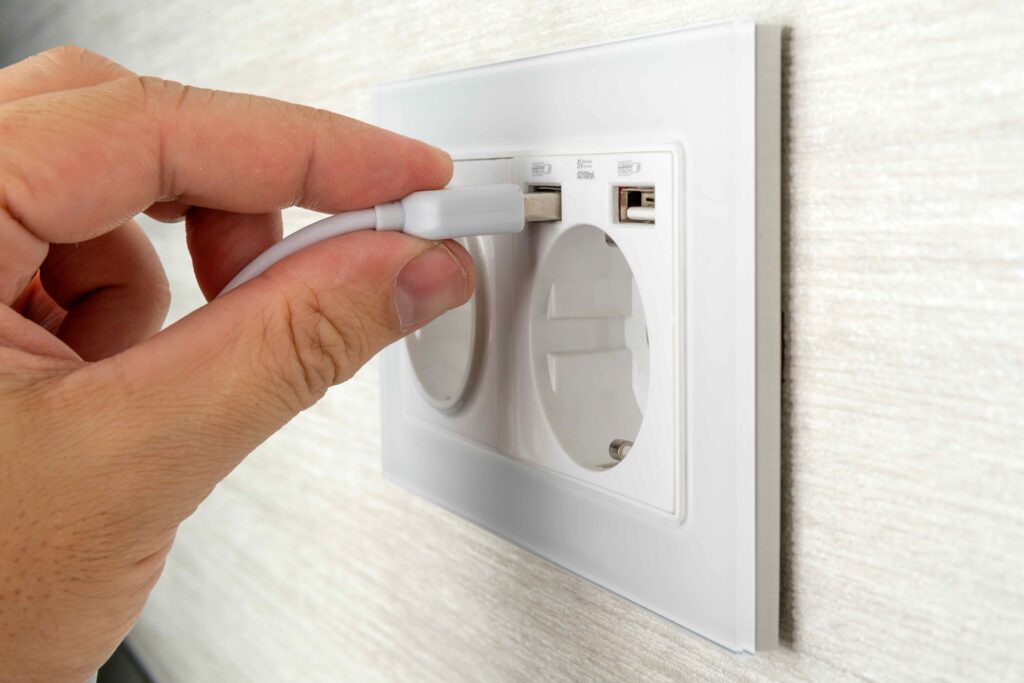
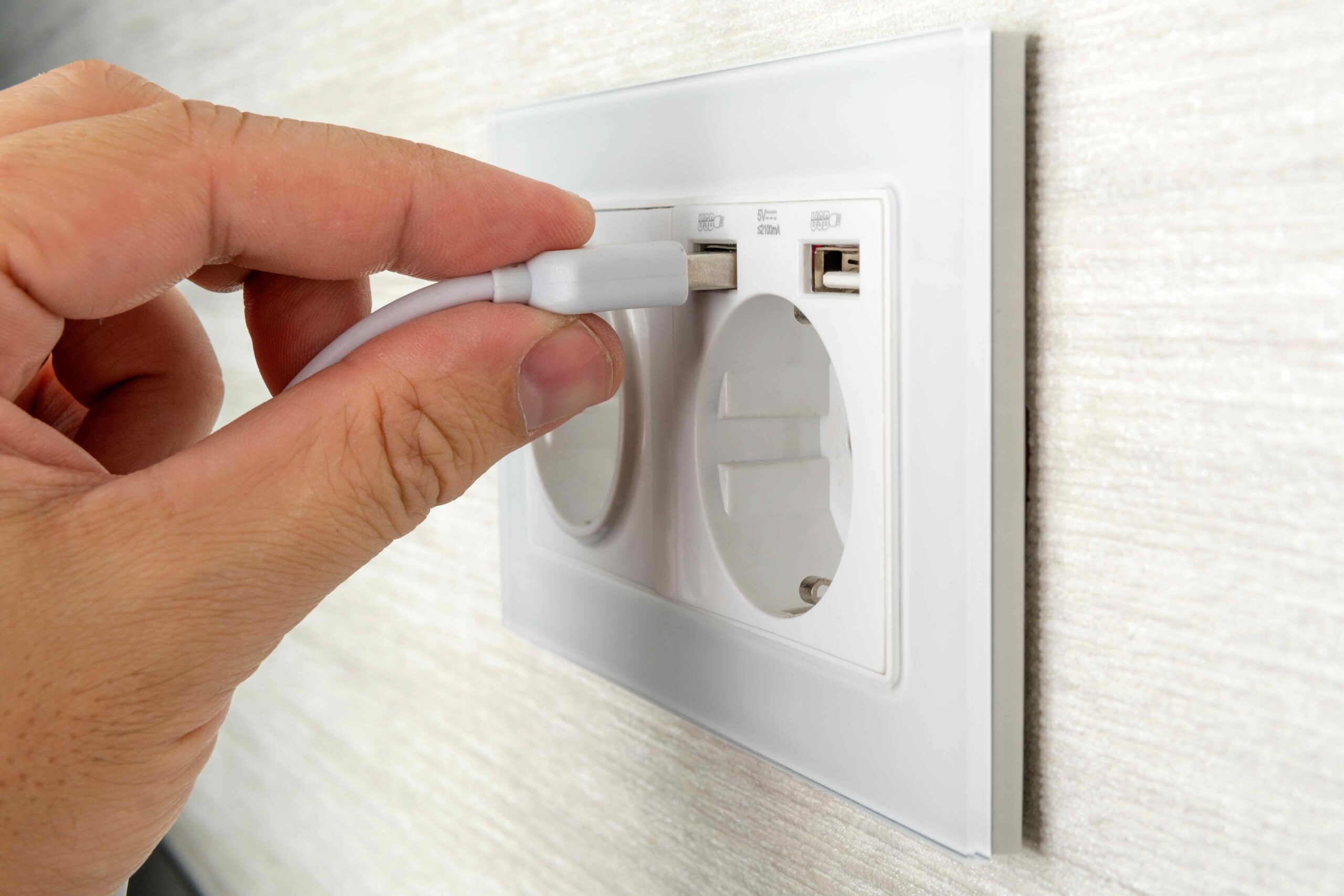
A wall plug USB outlet—sometimes called a USB wall receptacle—is a standard electrical outlet that includes one or more integrated USB charging ports. These ports allow electronic devices such as smartphones, tablets, and wearables to be charged directly, without the need for a separate plug-in adapter. Instead of using an outlet to power a charger that then charges your device, the USB wall outlet eliminates that intermediary by baking this functionality into the wall unit itself.
The outlets typically include two standard AC plug receptacles along with one or two built-in USB ports. Some models provide USB-A ports, while more modern versions offer USB-C—a newer industry standard that enables faster charging and higher power throughput. The advantage here isn’t enormous at first glance, but when multiplied across a home or apartment, the efficiency adds up quickly.
The Technology Behind USB Wall Outlets
The concept is simple, but the internal mechanics are worth understanding. Inside the unit, there’s a small transformer that converts the high-voltage AC power from your home into the low-voltage DC power that USB devices require. This DC power is delivered straight to your connected device through the USB port. Advanced units also include smart-charging technology, which detects your device’s optimal charge rate and adjusts output accordingly—cutting down on charging time while preserving battery health.
Importantly, these outlets are installed just like any other electrical receptacle, typically requiring the same wiring infrastructure using a ground wire, hot wire, and neutral. The grounding element is particularly relevant for homeowners interested in long-term safety and compliance. Grounded USB outlets reduce the risk of electrical faults by channeling stray current away from sensitive devices—and from people—which is why building codes often require grounded connections in newer home builds.
Advantages for Homeowners: More Than Just Convenience
The real value of USB wall outlets lies in their subtle but meaningful efficiency gains. First and foremost, there’s convenience. Not having to search for—and wrestle with—dedicated charging adapters is a daily time saver. You’ll no longer need to prioritize which family member’s device gets the plug, nor will you be forced to dig through drawers filled with mismatched adapters. That’s a small but persistent source of frustration eliminated.
Then there’s the aesthetic payoff. Removing adapters from your walls declutters your space instantly. Whether in kitchens, bedrooms, or tucked behind a living room side table, USB wall outlets maintain a neater appearance. This makes a noticeable difference in environments where minimalism and functionality are highly valued. They also free up the AC plug itself for other electronics—desk lamps, alarm clocks, or air purifiers—keeping your outlets versatile and multipurpose.
For home equity, these outlets represent small investments that communicate broader modernization. Real estate agents increasingly highlight smart upgrades like this as indicators that a home is well-maintained and current. That subtle value impression can noticeably factor into competitive selling situations.
Common Limitations and Considerations
As useful as these outlets are, there are a few important caveats to understand. Primarily: power output. Not all USB wall outlets deliver the same charging speed. Older models may deliver lower voltage and amperage, which leads to slower charging times compared to modern adapters or fast-charging bricks. For households filled with power-hungry tablets, laptops, and gaming controllers, this can become a functional bottleneck. Choosing USB-C models with higher wattage delivery—think 18W and up—is essential if you’re expecting rapid performance.
Another concern is complexity during installation. Though they’re designed to fit into standard junction boxes, USB wall outlets can be bulkier than traditional duplex receptacles. That means tighter fitment into wall boxes that weren’t sized for these newer configurations. It’s a minor obstacle, but one that can stall a DIY project or drive up a contractor’s hourly rate if you’re upgrading at scale across multiple rooms.
Long-term viability must also be taken into account. USB standards evolve, and what is considered “future-proof” today may be obsolete down the road. For instance, having only USB-A ports now limits your ability to charge newer devices without converters. The addition of USB-C or dual-outlet configurations is fast becoming a requirement rather than a luxury.
Should You DIY or Hire a Professional?
While many homeowners are willing and able to switch out standard outlets for USB models on their own, installation is best left to a licensed electrician if you’re unsure about wiring or local code requirements. Grounding must be done correctly and securely. Mistakes here can lead to unintended damage or even safety risks. Moreover, if your outlets are part of a larger modernization project—involving smart switches or integrated lighting systems—having a professional ensures the broader electrical architecture stays consistent and secure.
How This Integrates With Home Warranty Coverage
Electrical systems are commonly covered under most comprehensive home warranty plans, provided the system is in proper working condition at the time coverage begins. That includes receptacles, wiring, and sometimes even breaker service panels. So if you’re upgrading to USB-capable outlets, it’s critical to document the installation and keep records of the electrical condition. Certain warranty providers, like Armadillo, offer flexible plans that extend coverage to include updates and modernizations as long as installation has followed code-compliant practices. A worthwhile investment like USB outlets should be protected, especially since homeowner error or power surges can occasionally compromise these units.
Protect Your Home Improvements with Armadillo
Upgrades like wall plug USB outlets add real value to your home while improving daily convenience. But every improvement carries a degree of risk—surges, improper installations, or unexpected system failures. That’s where Armadillo steps in. With flexible and comprehensive home warranty plans that protect electrical systems, appliances, plumbing, and more, Armadillo ensures that peace of mind is part of your home’s new features. If you’re adding or have already installed USB outlets, it’s worth making sure they’re backed by a warranty that doesn’t cut corners. Start by learning more about Armadillo at armadillo.one. Ready to tailor a home protection plan to match your upgrades? Begin building your coverage instantly at our plan builder.