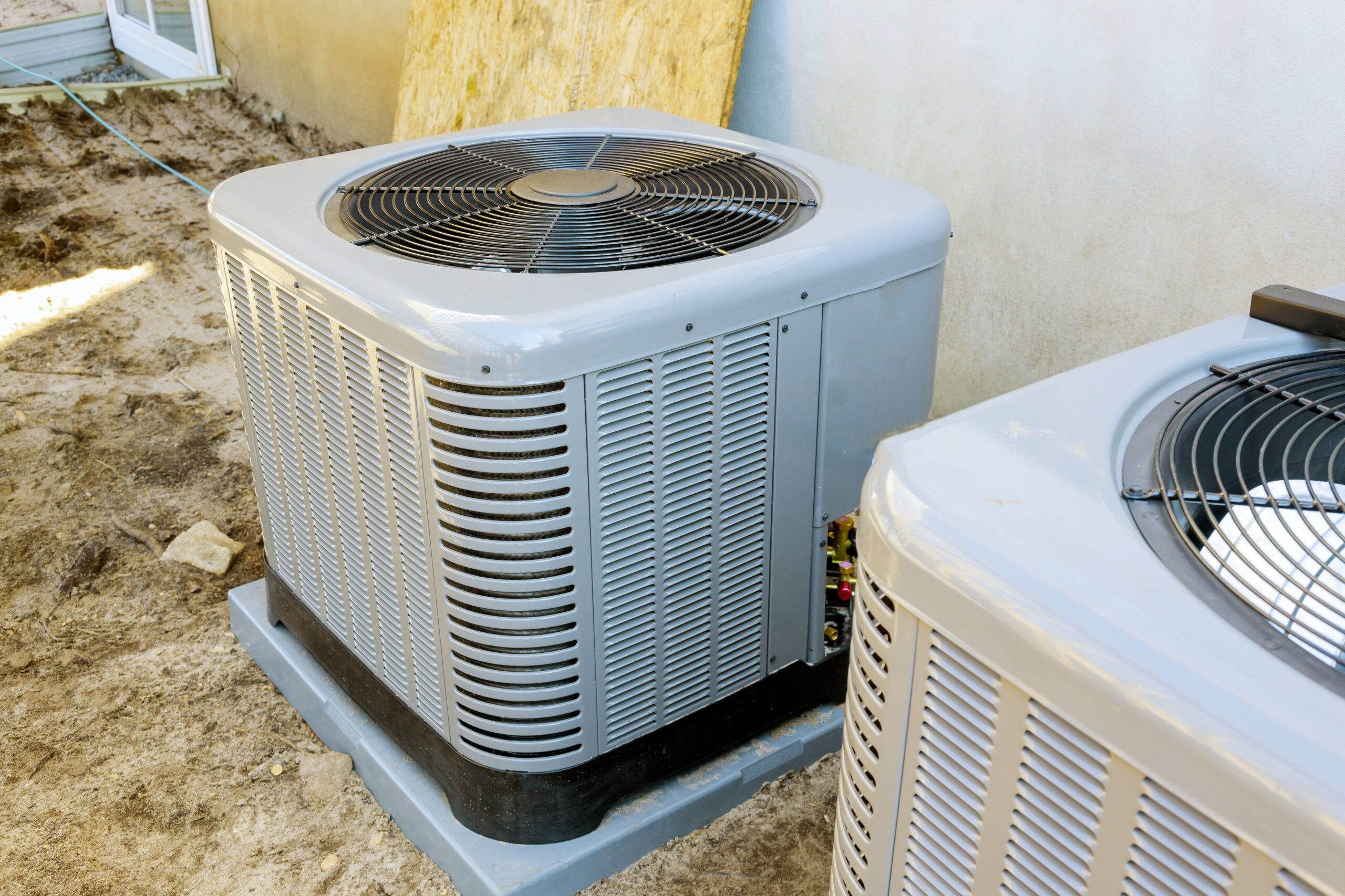
Upgrading Your Home’s Air Conditioning System: What Every Homeowner Needs to Know
Upgrading your home’s air conditioning system isn’t just about keeping cool. It’s about improving efficiency, enhancing indoor comfort, and potentially increasing your property value. But for homeowners navigating the complexities of HVAC systems, replacement options, energy ratings, and long-term maintenance costs, the upgrade process can quickly feel overwhelming. Whether your system is outdated, underperforming, or on the brink of total failure, understanding your options can make all the difference. This guide is designed to help homeowners make confident, informed decisions when upgrading their AC system—grounded in the realities of home ownership, and the support systems that make it manageable.
Why Homeowners Upgrade Their Air Conditioning Systems
Many homeowners wait until their AC breaks down to consider an upgrade. While that’s certainly a wake-up call, it’s far from the only reason to consider replacing your system. Rising energy bills, uneven cooling, frequent repairs, system age, or poor air quality are often early indicators that it’s time to explore newer, more efficient models. Modern AC units not only reduce your monthly utility costs but also come with technology that offers better temperature regulation and quieter operation. In today’s climate-conscious world, energy efficiency plays a critical role in both environmental responsibility and financial prudence. If your current unit is more than 10-15 years old, the jump to modern standards can be significant.
Understanding How an Air Conditioning System Works
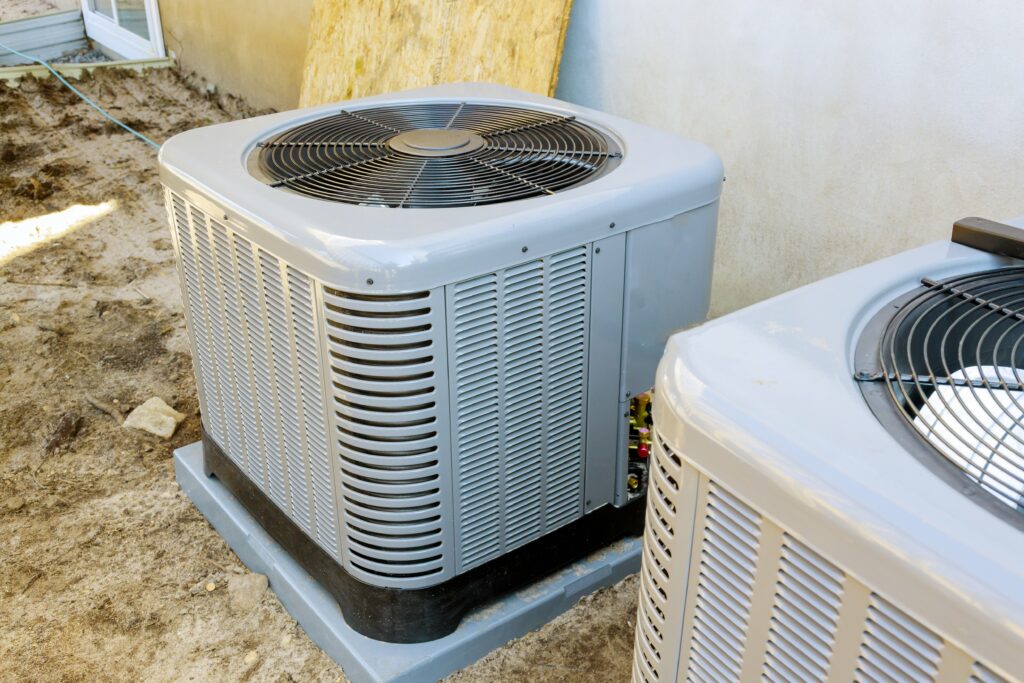
To make a smart upgrade, it helps to understand the basics of how air conditioning systems work. At their core, air conditioners are heat transfer machines. They remove heat and humidity from inside your home and push it outside, cooling your indoor air as a result. This process involves five key components: the refrigerant, compressor, condenser coil, expansion valve, and evaporator coil. The refrigerant cycles through the system, absorbing heat from indoor air at the evaporator coil and releasing it outside via the condenser coil with the help of the compressor. Blower fans then circulate the cooled air back into your home. Understanding this process, even in simplified terms, can help you have more productive conversations with HVAC contractors and home warranty providers alike.
Key Advantages of Upgrading Your AC System
There are several compelling benefits to replacing an aging or underperforming air conditioning system. First, energy efficiency. Newer units, especially those with a Seasonal Energy Efficiency Ratio (SEER) rating of 16 or higher, can significantly reduce your monthly energy use. Second, improved indoor comfort. Modern systems cycle more efficiently and offer advanced zoning capabilities, leading to more consistent temperatures throughout your home. Third, lower repair costs. As systems age, parts wear out. Upgrading reduces your exposure to the cascade of maintenance issues that tend to follow older units. Fourth, environmental consideration. More efficient units consume less power, reducing strain on the grid and shrinking your carbon footprint. And finally, property value. Buyers increasingly factor in major home systems when making decisions. An upgraded, well-documented HVAC system can make your property more appealing.
Common Drawbacks and Challenges to Be Aware Of
Despite the advantages, there are valid considerations that can slow down or complicate the decision to upgrade. Cost is typically at the top of that list. A full AC replacement can range anywhere from $4,000 to $12,000 or more, depending on the size of your home, system complexity, and regional labor costs. Installation disruption is another concern. Swapping out units may require ductwork modifications, electrical upgrades, or patching drywall. Choosing the wrong size unit—either too large or too small—can reduce efficiency and shorten equipment lifespan. Additionally, homeowners often underestimate the importance of ongoing professional maintenance, which is essential for preserving warranties and extending system life. Navigating these issues without expert help can be daunting, but manageable with proper planning and trusted advisors, like HVAC technicians or your home warranty provider.
The Role of SEER Ratings and Other Performance Metrics
If you’ve started researching new AC units, you’ve probably come across the acronym SEER—Seasonal Energy Efficiency Ratio. This number, regulated by federal mandates, indicates how efficiently a unit cools your home across a typical cooling season. The higher the number, the better the efficiency. Federal minimums vary by region, but most newer systems average between SEER 14 and SEER 21. While higher-SEER systems often have a higher upfront cost, they can save hundreds per year in energy bills over the life of the unit. Other helpful metrics include Energy Star certification, BTU (British Thermal Unit) capacity, and decibel ratings for sound. Understanding what these numbers mean in context—and how they correspond to your household’s size and usage pattern—is vital when selecting the right unit.
How Home Warranties Support AC System Upgrades
This is where the home warranty conversation becomes directly relevant. While warranties don’t typically cover the cost of a full AC system replacement due to normal wear and tear, a solid home warranty plan will cover breakdowns, specific system components, and sometimes even the diagnostic visits associated with system assessments. More importantly, a warranty provides ongoing support and financial protection as you manage your new system long-term. Breakdowns, refrigerant leaks, thermostat malfunctions—these still happen, regardless of new installation. With a home warranty, homeowners can mitigate costs and avoid unplanned headaches. Some plans even facilitate discounts on system upgrades or connect homeowners with certified service providers they can trust. In any case, aligning your AC system investment with a home warranty plan creates a safety net that supports long-term performance and homeowner peace of mind.
Protect Your New Investment with Armadillo
Upgrading your air conditioning system is one of the most important investments you’ll make in your home. It enhances comfort, optimizes energy usage, and future-proofs your home for years to come. But no system is immune to time, wear, and surprise repairs. The support of a reliable home warranty provider, like Armadillo, can help you protect that investment with fast, transparent, and expert-backed service. Armadillo’s flexible plans cover heating and cooling systems, giving homeowners exactly the kind of backup they need when systems misbehave. Explore how we can keep your home running right by visiting our homepage, or take the first step toward coverage with our custom plan builder. Your home deserves great support. We’re here to deliver it.