What Is a USB Electrical Outlet and Why Is It in Your Wall?
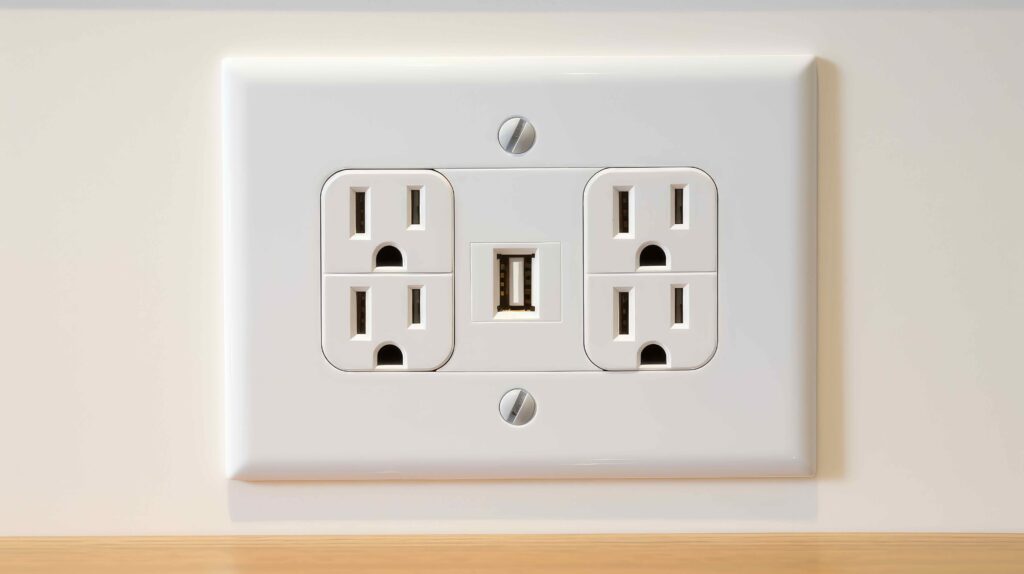
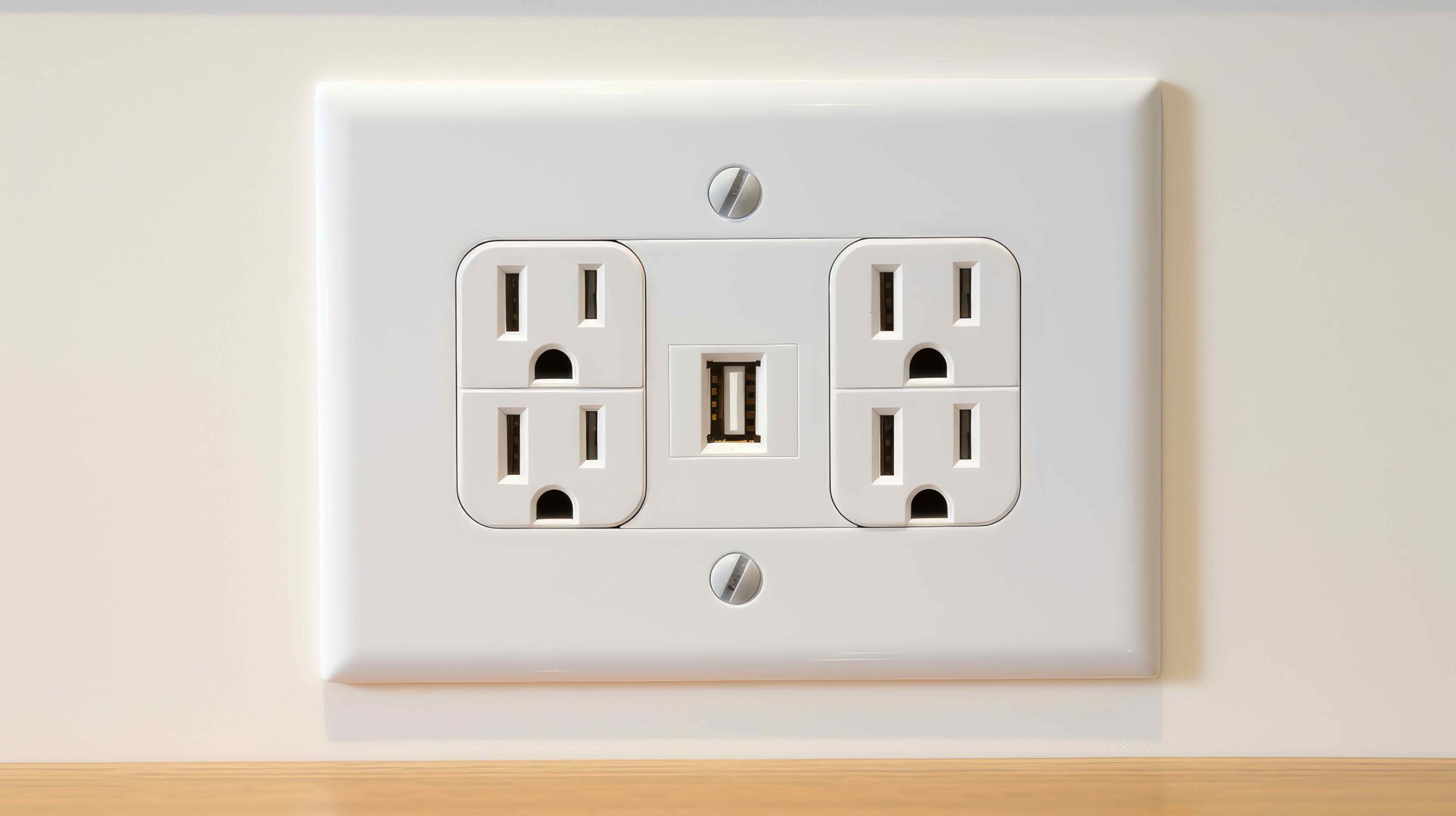
You have probably noticed them showing up in newer homes, hotel rooms, and even airport waiting areas — those outlets that look almost like a standard wall plug but with two small USB ports built right in. They are called USB electrical outlets, and they are exactly what they sound like: a standard electrical outlet that has been retrofitted or installed from scratch with built-in USB charging ports. No adapter required. No bulky charging brick taking up the only available outlet in the room. Just plug your phone, tablet, or other USB-powered device directly into the wall. It sounds simple, and honestly, it mostly is.
How USB Outlets Actually Work Inside Your Wall
Here is where it gets a little more interesting. A standard wall outlet delivers alternating current at 120 volts. USB devices, on the other hand, run on low-voltage direct current — typically 5 volts. So what a USB outlet does is essentially embed a small power converter inside the outlet housing itself. That converter steps down and transforms the current from your home’s electrical panel into something a phone charger can use. The outlet still functions like a normal outlet for your standard two and three-prong plugs. The USB ports are just an added layer of functionality built into the same space. Installation is handled by an electrician and typically connects to the same wiring already running to that location in your wall.
The Different Types of USB Outlets You Will Find
Not all USB outlets are created equal, and this is worth paying attention to before you buy or request an installation. The USB-A port has been the standard for years — it is the rectangular slot most people recognize. USB-C ports are newer and support faster charging speeds and a reversible connector design. Many modern USB outlets now offer a combination of both, which is genuinely useful as households tend to have a mix of older and newer devices. There is also a meaningful difference in charging output. Some USB outlets deliver a standard 2.4 amps per port, while others advertise higher output or even Power Delivery (PD) technology, which can charge compatible devices at significantly faster rates. If you are installing new outlets, it is worth choosing one that supports at least USB-C with Power Delivery.

Key Advantages of Installing USB Outlets in Your Home
The appeal of USB outlets is practical and pretty immediate once you think about it. Here is what makes them genuinely worth considering as a home improvement upgrade:
- They eliminate the need for bulky USB charging adapters, freeing up your standard outlet slots for other devices.
- They provide a cleaner, more streamlined look on walls in bedrooms, kitchens, and living areas where charging happens most frequently.
- They are a relatively affordable upgrade — most USB outlet units themselves cost between fifteen and forty dollars, and installation time is minimal for a licensed electrician.
- They add real convenience in high-traffic areas like home offices, nightstands, and kitchen counters.
- Modern versions with USB-C Power Delivery can charge laptops and tablets significantly faster than older adapter-based methods.
Common Drawbacks Worth Knowing Before You Commit
USB outlets are not without their limitations, and it would be a disservice not to walk through them honestly. First, the built-in converter inside the outlet does generate a small amount of heat during use. This is normal, but it does mean the outlet is doing more work than a standard receptacle. Over time, that internal hardware can wear out — and unlike a traditional outlet that can last decades with virtually no degradation, a USB outlet may need replacement sooner. Second, the USB ports on any given outlet become outdated as charging standards evolve. The USB-A ports installed five years ago may feel sluggish against today’s fast-charging norms. Third, if the USB charging circuitry fails, the entire outlet unit typically needs to be replaced, not just repaired. That said, none of these drawbacks are dealbreakers — they are just things a smart homeowner should factor in.
Where to Install USB Outlets for Maximum Practical Value
Placement matters quite a bit here. Installing a USB outlet in your garage workshop is fine, but it probably will not change your daily quality of life the way a bedroom installation will. The highest-value locations tend to be bedside in every bedroom, especially if you or your family charges phones overnight. Kitchen counters near a sitting area are another strong choice. Home offices where multiple devices are consistently in rotation benefit enormously. Entryways where people drop bags and immediately reach for a charger are underrated spots as well. If you have a dedicated home entertainment setup, adding a USB outlet nearby keeps remote controls, gaming headsets, and streaming device remotes charged without the clutter of adapters.
Installation Basics and What to Expect from the Process
USB outlet installation is not a complicated project for a licensed electrician, and in most cases a homeowner with solid DIY experience can handle it as well — though any electrical work should be approached carefully and in accordance with local code requirements. The process involves turning off the breaker to that circuit, removing the existing outlet, disconnecting the wiring, and connecting it to the new USB outlet according to the manufacturer’s instructions. Most USB outlets are designed to be compatible with standard 15-amp and 20-amp circuits. The whole swap can take under thirty minutes per outlet. If you are upgrading several outlets throughout the home at once, bundling the work with an electrician is typically the most cost-efficient approach.
What USB Outlets Mean for Your Home’s Overall Electrical System
One thing homeowners sometimes overlook is the broader context of their electrical system when making upgrades like this. Adding USB outlets does not significantly increase your electrical load — the power draw from USB charging is relatively small. However, this kind of upgrade is often a good moment to take stock of your home’s wiring more generally. Older homes with outdated wiring, insufficient grounding, or panels that have not been inspected in years may have underlying issues that a newer outlet cannot address. USB outlets work best in a home where the foundational electrical infrastructure is already in good shape. If your home is older, having a licensed electrician assess the panel and wiring before or during any outlet upgrade is a genuinely smart move.
How a Home Warranty Factors Into Your Electrical System Coverage
When thinking about upgrades like USB outlets, it helps to zoom out and think about how your home’s electrical system fits into your overall protection strategy. A home warranty is a service contract that covers the repair or replacement of major home systems and appliances when they break down due to normal wear and tear. Electrical systems — including wiring and certain outlet components — are commonly included in home warranty coverage. That means if something fails in your home’s electrical infrastructure, a home warranty can help offset the cost of diagnosis and repair. For homeowners making incremental upgrades or simply trying to stay ahead of costly surprises, home warranty coverage that protects your electrical system and major appliances is a layer of financial protection worth having in place. Armadillo offers transparent, modern home warranty plans built around what homeowners actually need — and you can take the first step by choosing to get a personalized home warranty quote for your electrical systems and home coverage needs in just a few minutes. The peace of mind is real, and the process is refreshingly straightforward.

Frequently Asked Questions About USB Electrical Outlets
Homeowners considering USB outlet upgrades tend to have a consistent set of questions. Here are the most common ones, answered directly.
Are USB outlets safe to install in a home?
Yes, USB outlets are safe when installed correctly and when the unit itself is UL-listed or carries another recognized safety certification. Always choose outlets from reputable manufacturers and have the installation performed by a licensed electrician if you are not confident working with household wiring.
Do USB outlets wear out faster than standard outlets?
The USB charging components inside these outlets do have a shorter functional lifespan than traditional receptacles due to the internal converter hardware. Depending on usage, the USB ports may degrade in performance over several years while the standard outlet portion continues functioning normally.
Can I install a USB outlet myself or do I need an electrician?
Homeowners with experience in basic electrical work can often handle this swap themselves, but it must be done with the breaker off and in compliance with local electrical codes. For most homeowners, hiring a licensed electrician is the safer and more reliable choice.
Will a USB outlet charge my devices as fast as a dedicated wall adapter?
It depends on the outlet. Standard USB-A outlets charge at comparable speeds to basic adapters. USB-C outlets with Power Delivery technology can match or exceed the charging speeds of many premium wall adapters, especially for phones and tablets.
How much does it cost to install USB outlets throughout a home?
The outlets themselves typically range from fifteen to forty dollars per unit. Electrician labor for a straightforward swap is usually billed by the hour or as a flat rate per outlet. Installing several outlets in one visit is generally more cost-efficient than scheduling separate appointments.
Are USB outlets covered under a home warranty?
Coverage depends on the specific home warranty plan. Most home warranty plans cover the broader electrical system, including wiring and standard receptacles. USB outlet components, being relatively new and considered an upgrade, may or may not be included depending on how the plan defines covered components. Review your plan details carefully.
Do USB outlets work with all USB devices?
USB outlets with USB-A ports work with any device that uses a USB-A cable. Outlets with USB-C ports work with USB-C devices. Combination outlets offer compatibility across both. Always check the amperage and voltage output of the outlet to confirm compatibility with power-hungry devices like tablets or laptops.
Can USB outlets overheat?
USB outlets do generate some heat due to the internal voltage conversion process. Under normal use conditions this is not a safety concern. However, using damaged or counterfeit cables, overloading ports, or installing a low-quality outlet can increase heat buildup. Always use quality cables and certified outlet units.
How do I know if my home’s wiring can support USB outlet installation?
USB outlets have minimal impact on your electrical load, so most standard home wiring can support them without modification. However, if your home has older wiring or an outdated panel, having an electrician evaluate the system before making any changes is a prudent step.
What is the difference between USB-A and USB-C outlets and which should I choose?
USB-A is the older rectangular port found on most traditional chargers. USB-C is the newer oval-shaped port that supports faster charging and a reversible connection. For a future-ready installation, choosing an outlet that includes both USB-A and USB-C ports — ideally with Power Delivery on the USB-C side — offers the broadest compatibility across current and upcoming devices.