What Is a Vent Pipe in the Attic and Why Should You Care?
Most homeowners spend very little time thinking about what is happening above the ceiling. The attic tends to be one of those out-of-sight, out-of-mind spaces. But running through that dusty, dimly lit space is a component that plays a surprisingly important role in how your home functions every single day. The vent pipe in the attic is part of your home’s plumbing drain-waste-vent system, and without it working properly, you would notice the difference fairly quickly. Understanding what it does, how it can fail, and when it becomes a concern can save you from costly repairs and a lot of frustration down the line.
The Role of the Vent Pipe in Your Home’s Plumbing System
Here is the basic idea. Every time water drains from a sink, toilet, or tub, it creates a pressure shift in the plumbing pipes. Without a way to equalize that pressure, you get slow drains, gurgling sounds, and in some cases, sewer gases being pushed backward into your living spaces. The vent pipe solves that problem by allowing air into the drainage system. It essentially acts as a pressure valve, letting the water flow freely while also channeling any gases safely out through the roof. The section of this pipe that runs through the attic is a critical stretch of that system, and it is more exposed to temperature swings and potential damage than the portions concealed within walls.
How Attic Vent Pipes Are Constructed and Routed
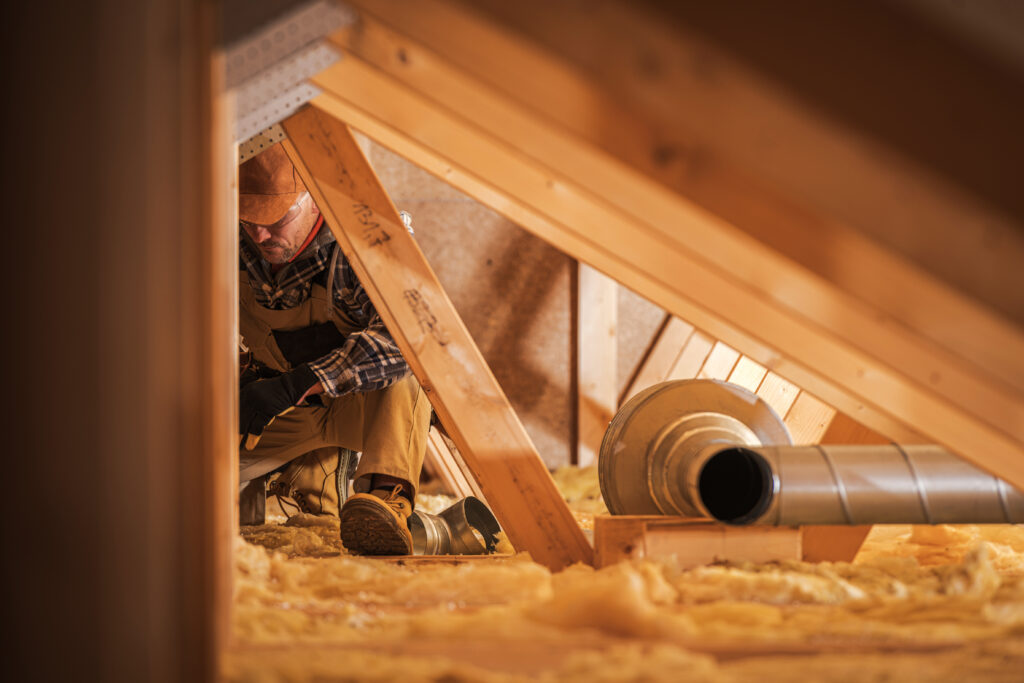
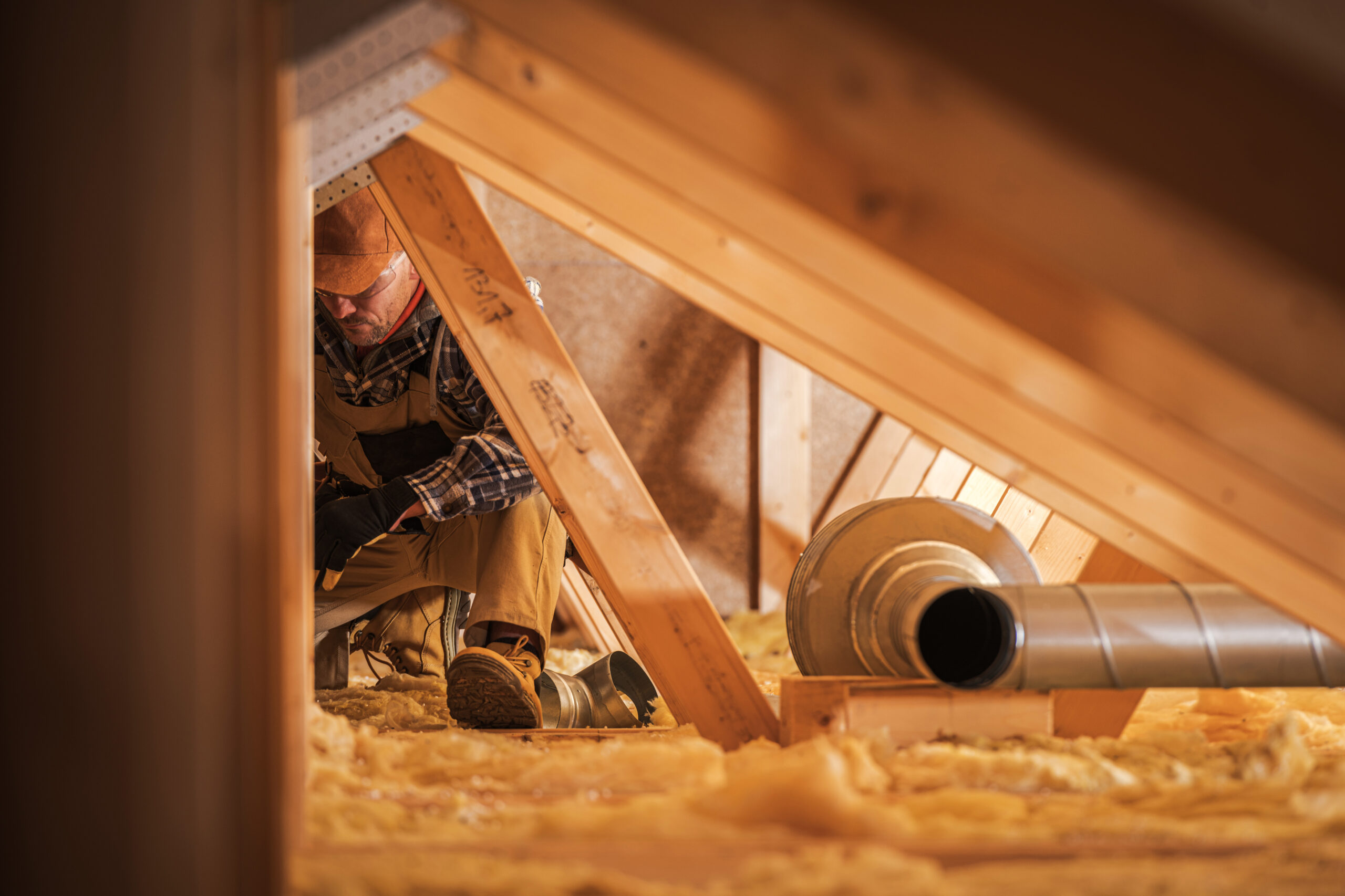
The vent pipe typically starts at a plumbing fixture, runs vertically up through the interior walls, passes through the ceiling into the attic space, and then continues upward through the roof deck. Depending on your home’s layout, you might have a single main stack or multiple branch vents that tie together before exiting the roof. In the attic, these pipes are usually made from ABS plastic, PVC, or older cast iron in homes built several decades ago. They need to be properly secured, insulated in colder climates, and sealed where they penetrate the roof to prevent both air leaks and water intrusion. That intersection point is one of the more common spots where problems begin.
Common Problems That Develop With Attic Vent Pipes
A few things tend to go wrong with vent pipes in the attic, and knowing what to look for makes a real difference. Some of these issues develop slowly over time, while others can show up after a single storm or freeze event. Here are the most frequently reported problems homeowners and inspectors encounter:
- Cracked or separated pipe joints caused by temperature expansion and contraction over years of use
- Improperly flashed or deteriorated roof boot seals that allow rainwater to leak into the attic around the pipe
- Ice dams or frost buildup inside the pipe during winter months, which can restrict airflow and cause drainage issues
- Animal intrusion through an unscreened pipe opening at the roofline
- Disconnected pipes that were never properly secured during original construction or a previous renovation
Each of these problems can have downstream effects that show up somewhere else in the house, which makes diagnosis a little tricky if you do not know to look at the vent system first.
Signs That Your Attic Vent Pipe May Be Failing
You might never go into your attic and spot a problem directly. More often, the symptoms show up in the living spaces below. A slow-draining sink or a toilet that gurgles after flushing can point to a venting issue. A persistent sewer smell inside the home, particularly near bathrooms or the kitchen, is another red flag. Water stains on the ceiling near where a vent pipe penetrates the roof often indicate a failed flashing seal rather than a roof problem. If you are noticing any combination of these, it is worth having a plumber or home inspector take a look at the vent pipe routing through your attic before assuming the worst about other systems.

The Advantages of a Well-Functioning Vent Pipe System
It is easy to overlook something that works quietly in the background, but a properly functioning vent pipe system delivers real benefits to your home. Drainage operates at full capacity without slow-moving water or frequent clogs. Sewer gases are directed away from occupied spaces, which protects indoor air quality and eliminates unpleasant odors. The overall plumbing system experiences less strain because pressure is consistently balanced. And from a structural standpoint, a well-sealed roof boot around the vent pipe prevents moisture from entering the attic, which protects against mold growth and wood rot. It is genuinely one of those systems that earns its keep every single day without asking for much attention.
Maintenance Tips Every Homeowner Should Know
Regular attention to your vent pipe does not require advanced plumbing knowledge. Most of what matters comes down to periodic inspection and awareness. A few practical maintenance habits can keep things running without issue for years at a time.
- Schedule a roofline inspection once a year to check the condition of the rubber or lead boot seal around the vent pipe where it exits the roof
- During attic walkthroughs, visually check for separated joints, sagging pipe sections, or any signs of moisture near the vent stack
- In colder climates, confirm that the pipe is adequately insulated through the attic to reduce the risk of frost accumulation inside the pipe
- Make sure the vent pipe opening at the roof is screened or capped appropriately to keep birds and rodents from nesting inside
When to Call a Professional for Vent Pipe Issues
There are situations where a homeowner can reasonably handle minor maintenance, and there are situations where calling a licensed plumber is clearly the right move. If you are detecting sewer gas odors persistently, that is not something to defer. Hydrogen sulfide and methane are both health hazards, and a disconnected or cracked vent pipe in the attic can allow those gases to migrate into the living space. Similarly, if you notice active water intrusion around the vent pipe penetration during or after rain, a roofing professional needs to address the flashing immediately. Waiting tends to compound these issues, and what starts as a minor seal failure can develop into a significant mold or structural repair situation over a single rainy season.
How Home Warranties Treat Plumbing Vent Pipes
This is a detail that catches many homeowners off guard. Home warranty coverage for plumbing systems typically includes components that have failed due to normal wear and tear, but coverage specifics vary widely between providers. Some plans cover the interior plumbing vent stack as part of the broader drain, waste, and vent system. Others exclude vent pipes explicitly or limit coverage to portions of the system within the walls. Roof boot seals and exterior flashing are often treated as structural components rather than plumbing components, which can create gray areas in a claim. Reading the coverage terms carefully and asking specific questions about vent pipe inclusion before purchasing a plan is genuinely worth the time.
Why Armadillo Is the Right Partner for Protecting Your Home’s Plumbing
When a plumbing problem develops, the last thing a homeowner needs is confusion about who is responsible for what. Armadillo was built with that frustration in mind. As a trusted home warranty provider for plumbing systems and whole-home coverage, Armadillo offers straightforward plans that cover the systems homeowners actually rely on, with clear terms and a service experience that does not leave you guessing. Whether it is a venting issue that is affecting your drains or a broader plumbing failure that seems to appear out of nowhere, having coverage in place makes the repair process significantly less stressful. If you have been putting off getting protected, now is a reasonable time to get a free home warranty quote that includes plumbing system protection and see exactly what Armadillo can do for your home.

Frequently Asked Questions About Attic Vent Pipes
These are the questions homeowners ask most often when learning about vent pipes in the attic and how they connect to overall home health and warranty coverage.
What does a vent pipe in the attic actually do?
It allows air into the plumbing drain system to equalize pressure, which keeps water flowing freely through drains and prevents sewer gases from being pushed back into the home.
How do I know if my attic vent pipe is the source of a plumbing problem?
Common indicators include slow drains, gurgling sounds after flushing or draining, and persistent sewer odors inside the home. A plumber can confirm the diagnosis through an inspection.
Can a cracked vent pipe in the attic cause a sewer gas smell indoors?
Yes. A cracked or disconnected vent pipe can allow hydrogen sulfide and other sewer gases to migrate into the attic and eventually into living spaces, which is both unpleasant and potentially hazardous.
Is the roof boot seal around the vent pipe considered a plumbing or roofing component?
It sits at the intersection of both systems. Roofers typically handle the flashing and boot seal, while plumbers address the pipe itself. Home warranty plans may treat them differently.
Does a home warranty cover vent pipe repairs?
Coverage depends on the specific plan. Some home warranties include the drain-waste-vent system as part of plumbing coverage, while others exclude vent pipes or limit coverage to certain sections. Always review the terms before purchasing.
How long does a PVC or ABS vent pipe typically last?
PVC and ABS pipes are generally durable and can last several decades under normal conditions. Failure is more often caused by improper installation, joint separation, or physical damage than material degradation.
Can ice form inside an attic vent pipe during winter?
Yes. In colder climates, warm moist air rising through the vent pipe can condense and freeze near the roof opening. Proper insulation around the pipe in the attic helps reduce this risk significantly.
Should the vent pipe opening at the roof be covered or screened?
It should have some form of protection to prevent animals from nesting inside, but it must never be fully sealed. Vent pipes need to remain open to air to function correctly.
What happens if a vent pipe becomes completely blocked?
A blocked vent pipe disrupts pressure balance in the drain system, causing slow drainage, gurgling, and potential siphoning of water from P-traps, which eliminates the barrier that keeps sewer gases out of the home.
How often should a homeowner inspect the attic vent pipe?
A basic visual inspection once a year is a reasonable habit. This should include checking both the pipe joints visible in the attic and the exterior boot seal at the roofline, ideally after winter weather has passed.