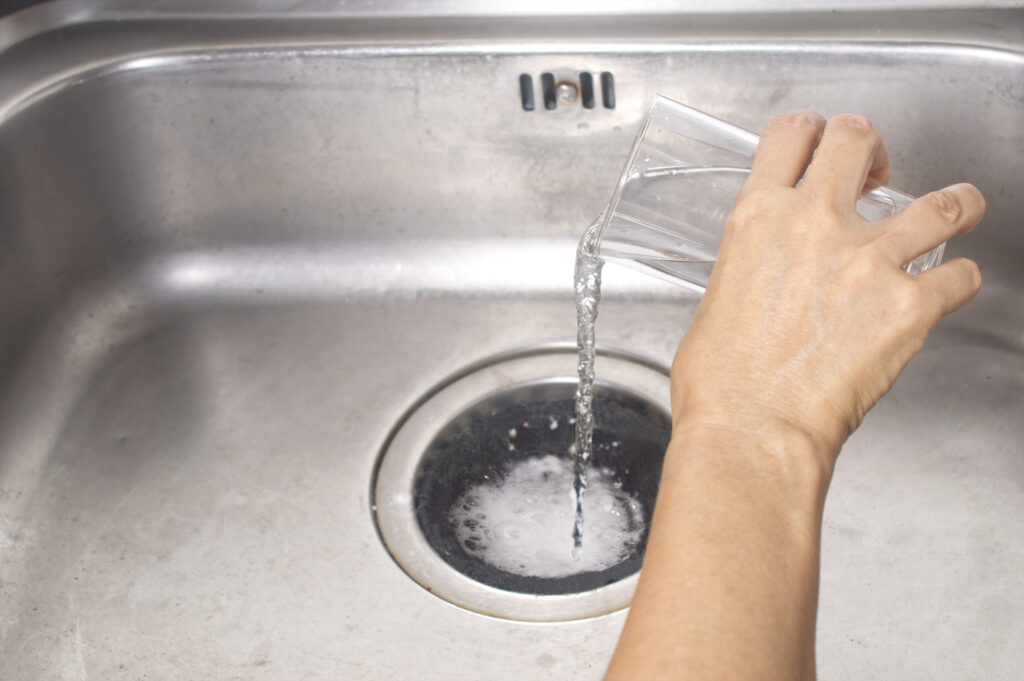

What Is a Washer Drain and Why Does It Matter More Than You Think?
Most homeowners do not spend much time thinking about their washer drain — until something goes wrong. And when it does, the results can range from mildly inconvenient to genuinely disruptive. Standing water, slow drainage, strange odors coming from behind the machine — these are the kinds of problems that stop your day cold. The washer drain is the unsung component of your laundry setup, quietly doing its job every cycle without much recognition. Understanding how it works, what can go wrong, and how to keep it running smoothly is one of those small investments of knowledge that pays off in a big way over time.
How a Washer Drain Actually Works
Here is the basic picture: your washing machine uses a pump to push water out of the drum once a wash or rinse cycle ends. That water travels through a drain hose — typically a corrugated plastic tube — and exits into what is called a standpipe, which connects directly to your home’s plumbing drain system. The standpipe is usually 30 to 36 inches tall, and there is a reason for that height. It creates an air gap that prevents dirty drain water from siphoning back into the machine. Simple in concept, but the system depends on everything being properly sized, correctly installed, and reasonably well maintained. When one part of that chain breaks down, the whole process can back up — literally.
The Key Components Involved in Washer Drainage
It helps to know the players here. The washer drain system involves more than just a hose. Each part carries a specific role, and failure in any one area affects the whole system.
- Drain pump: Moves water from the wash drum out through the hose. If this fails, water stays in the machine.
- Drain hose: The flexible tube that carries wastewater away from the machine. It can kink, clog, or crack.
- Standpipe: The vertical pipe that receives the drain hose. It must be the right diameter — usually 2 inches — to prevent overflow.
- P-trap: Located beneath the standpipe, this curved pipe holds water to block sewer gases from entering your home.
- Vent pipe: Allows air into the drain system so water can flow freely without creating a vacuum.
Common Washer Drain Problems Homeowners Encounter
Even a well-maintained system runs into trouble eventually. The most frequent complaint is slow or incomplete draining, which typically points to a clog somewhere in the hose or standpipe. Lint, soap residue, small articles of clothing — these build up over time. Another common issue is the drain hose backing water out of the standpipe and onto the floor. This usually happens when the hose is inserted too far into the standpipe, creating a siphoning effect, or when the standpipe is not vented properly. Odors are another telltale sign — if the P-trap dries out or gets bypassed, sewer gases have a clear path into your laundry room. Then there is the drain pump itself, which can burn out or get jammed with debris and stop working altogether.

Signs Your Washer Drain Needs Attention
Your washing machine is usually pretty communicative when something is off. The trick is knowing what to look for before a minor issue becomes a major repair. Water pooling around the base of the machine is an obvious red flag, but there are subtler indicators too. If your machine is taking longer than usual to complete a drain cycle, or if you hear a gurgling sound from nearby drains while the washer is running, the drain system is likely struggling. Error codes on modern front-load or high-efficiency machines can also flag drainage failures specifically. Do not ignore those codes — they exist precisely to give you early warning.
DIY Maintenance Tips to Keep Your Washer Drain Clear
There is quite a bit you can do yourself to extend the life of your washer drain system and avoid the kind of mess that requires a plumber. Cleaning the drain hose periodically is one of the most effective steps — disconnect it, flush it out, and check for cracks or kinking. Many washing machines also have a small filter near the drain pump access panel, typically at the front lower section of the unit. Cleaning that filter every few months can dramatically reduce clogging. Running a hot water cycle with a washing machine cleaner helps break down soap buildup inside the drum and hose. And always make sure the drain hose is secured at the correct depth in the standpipe — the manufacturer’s manual will specify the right insertion length.
When to Call a Professional for Washer Drain Issues
Some problems are beyond the scope of a weekend fix, and that is completely fine. If you have cleaned the filter, checked the hose, and ensured the standpipe is clear but the machine still is not draining, the issue is likely with the drain pump itself. Pump replacement is not especially complicated for an experienced appliance technician, but it does require disassembly of the machine and access to internal components. Similarly, if you suspect the issue is in your home’s drain plumbing — not the machine — a licensed plumber should assess the standpipe, P-trap, and vent system. Persistent sewer odors, especially, are not something to guess at. Those gases can be a genuine safety concern.
Advantages of Understanding Your Washer Drain System
Knowledge here is genuinely protective. Homeowners who understand how their washer drain works tend to catch problems earlier, spend less on emergency repairs, and avoid the kind of water damage that can follow an undetected drain failure. Water damage from appliances is one of the more common and costly homeowner claims — and much of it is preventable with basic awareness. Knowing that a slow drain is an early warning sign, not just a nuisance, changes how quickly you respond. That response time matters a lot when you are talking about water near flooring, walls, or cabinetry.
Drawbacks and Limitations to Keep in Mind
Even with good maintenance habits, the washer drain system has natural limitations. Drain pumps have a finite lifespan — typically around eight to twelve years depending on usage and build quality. Standpipes can develop slow leaks at connection points that go unnoticed for months. Older homes with original plumbing may have drain lines that are simply undersized for modern high-efficiency washers, which move water faster than older machines did. And if your laundry setup is on an upper floor, the consequences of a drainage failure are significantly more serious than a ground-floor situation. These are not reasons to worry constantly — they are reasons to stay informed and have a plan.
How Armadillo Helps When Your Washer Drain System Fails
Here is the part worth paying attention to. Even the most diligent homeowner cannot prevent every appliance failure. When your washer drain pump gives out unexpectedly or a related component fails, repair costs can add up quickly — and they always seem to happen at the worst possible time. That is exactly the kind of scenario where a home warranty from Armadillo home warranty coverage for washers and appliances makes a real difference. Armadillo covers key appliances including your washing machine, which means when a drain pump fails or an internal component breaks down, you are not stuck figuring out the cost alone. If you want protection that actually makes sense for the way real homeowners live, take a minute to get a free washer and appliance home warranty quote from Armadillo and see what coverage looks like for your home. It is straightforward, honest, and built around the reality that home systems break down — not around finding reasons to deny claims.

Frequently Asked Questions About Washer Drains
What is the correct height for a washing machine standpipe?
The standpipe should be between 30 and 36 inches tall. This height prevents dirty water from siphoning back into the washing machine during a drain cycle.
Why is my washing machine not draining completely?
Incomplete draining is most often caused by a clogged drain hose, a blocked pump filter, or a failing drain pump. Start by checking and cleaning the pump filter, then inspect the hose for kinks or obstructions.
How often should I clean my washer drain hose?
Cleaning the drain hose once or twice a year is generally sufficient for most households. If you do large loads frequently or notice slow draining, clean it more often.
Can a washer drain cause sewer smell in my home?
Yes. If the P-trap beneath the standpipe dries out or is improperly installed, sewer gases can travel back through the drain line and into your laundry area. Running water through the standpipe periodically helps keep the trap wet and sealed.
What diameter should a washing machine standpipe be?
The standpipe should have an interior diameter of at least 2 inches. A smaller diameter will restrict water flow and cause the drain hose to back up or overflow.
Is it normal for my washer drain to gurgle?
Occasional gurgling can indicate a partial clog or a venting issue in the drain line. If it happens consistently, the vent pipe or P-trap may need to be inspected by a plumber.
How long does a washing machine drain pump typically last?
Most drain pumps last between eight and twelve years with normal use. Heavy loads, hard water, and debris in the drum can shorten that lifespan considerably.
Can I use a home warranty to cover washer drain pump repairs?
Yes, many home warranty plans that include washing machine coverage will cover the drain pump when it fails due to normal mechanical breakdown. Review your specific plan’s terms to confirm what components are included.
What happens if my washer drain hose is inserted too far into the standpipe?
Inserting the hose too far creates a sealed connection that can cause siphoning, which means water continuously drains from the machine even when it should not. Most manufacturers recommend inserting the hose no more than 6 to 8 inches into the standpipe.
Should I be concerned about water damage from a washer drain failure?
Absolutely. A failed washer drain can release significant amounts of water onto flooring, walls, and subflooring in a short period. Addressing drain issues promptly and ensuring your machine is installed correctly are the best ways to reduce this risk.