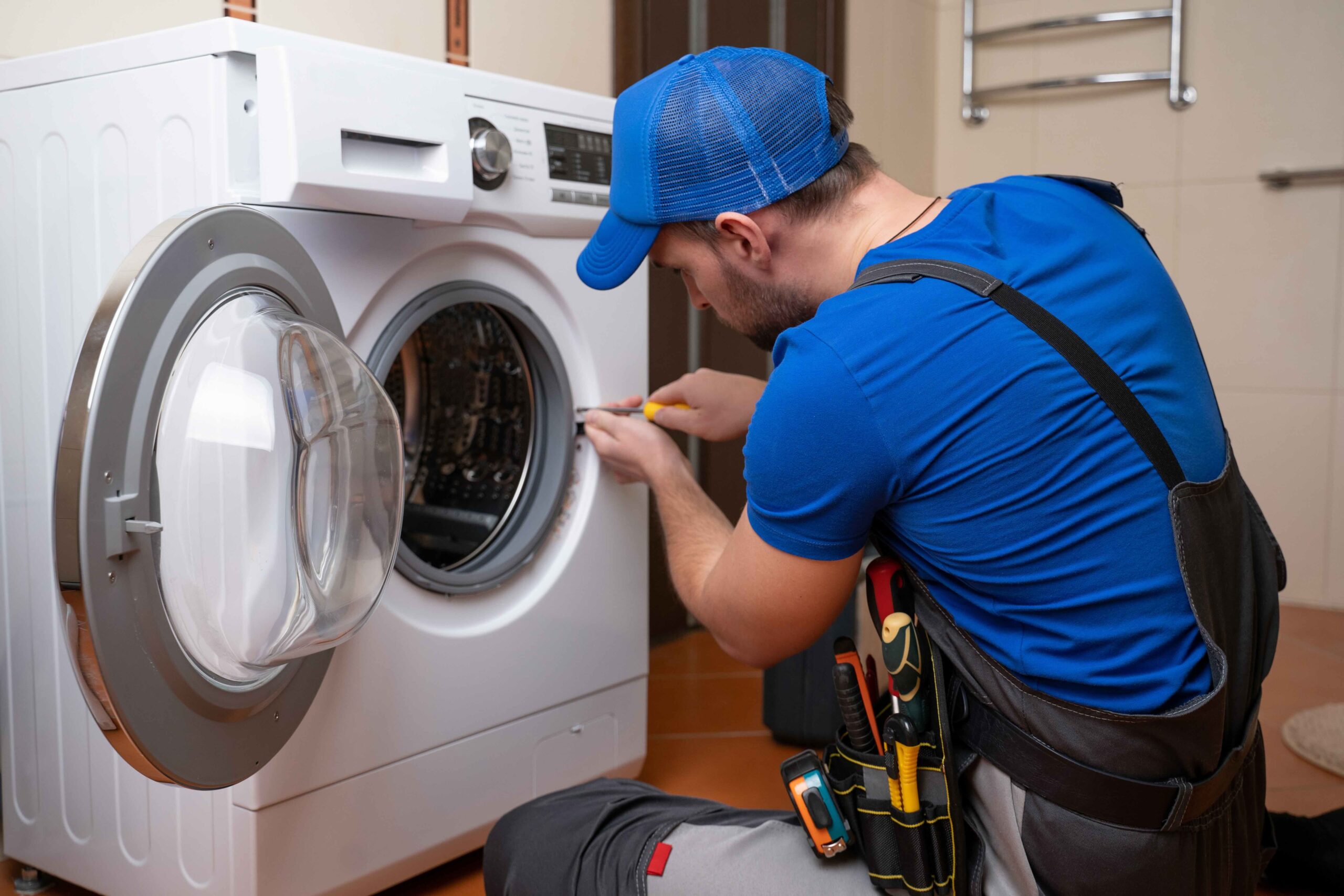
Why Your Washer Is Not Draining and What to Do About It
There are few household surprises more frustrating than opening your washing machine to find your clothes still sitting in a tub full of murky water. Your washer is not draining, and now you have a soggy mess, a blocked laundry routine, and zero idea what went wrong. Before you panic or reach for your phone to call a repair technician, take a breath. A washer that will not drain is actually one of the more common appliance issues homeowners encounter, and in many cases, it has a straightforward explanation. Understanding how your washing machine drains water, why it sometimes fails to do so, and what your repair options look like can save you time, money, and a whole lot of stress.
How a Washing Machine Drain System Actually Works
Your washing machine relies on a pump-driven drainage system to move water out of the drum and into your home’s standpipe or utility drain. After a wash or rinse cycle completes, the drain pump activates, pulling water through a filter or lint trap and pushing it through the drain hose and out of the machine. Most modern washers, whether front-load or top-load, follow this same basic process. The pump is typically electric and controlled by the machine’s control board. If any component in that chain fails, whether it is the pump itself, a clogged filter, a kinked hose, or a software glitch, water stays exactly where it should not: in your drum.
The Most Common Reasons a Washer Will Not Drain
Drainage issues tend to come from a handful of usual suspects. Knowing which one you are dealing with makes all the difference in how you approach the fix.
- Clogged drain pump filter: This is the most frequent culprit. Small items like coins, hair ties, lint, and fabric debris can accumulate in the filter over time and restrict water flow.
- Kinked or blocked drain hose: If the hose running from the back of your washer to the wall drain is bent, pinched, or obstructed, water cannot exit the machine.
- Failed drain pump: The pump motor can burn out or seize, especially in older units, leaving the system with no mechanism to move water.
- Lid switch or door latch malfunction: Many washers will not initiate draining if the machine believes the lid or door is open. A faulty switch tricks the machine into thinking it is unsafe to proceed.
- Control board errors: In newer machines, electronic control board glitches can interrupt cycle sequences, including the drain cycle.
- Blocked standpipe or household drain: Sometimes the issue is not the washer at all. If your home’s drain line is clogged, water has nowhere to go.
What to Check Before Calling a Technician
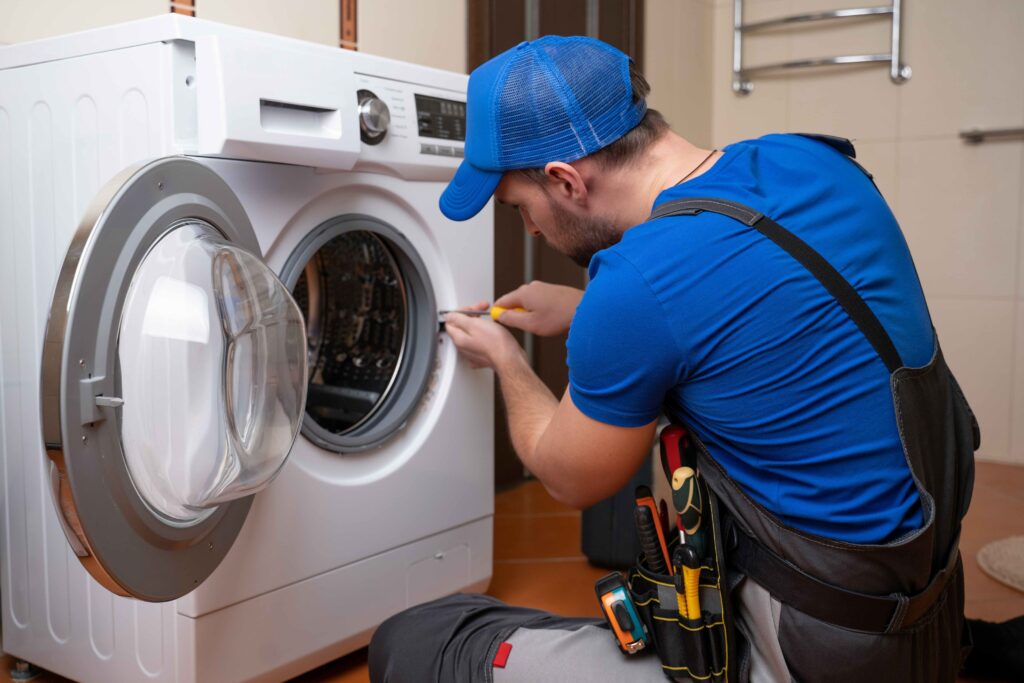
A few simple checks can help you diagnose the problem or at least rule out the easy fixes before committing to a service call. Start by running a drain-only cycle if your machine offers that option. If nothing happens, manually check the drain hose at the back of the machine for kinks or blockages. Next, locate your washer’s drain pump filter, usually found behind a small access panel near the bottom front of front-load machines, and inspect it for debris. Clear it out, reinstall it carefully, and try running the drain cycle again. You should also confirm the drain hose is not inserted too far into the standpipe, which can create a siphoning issue that interferes with drainage. If none of these steps resolve the problem, you are likely looking at a mechanical or electrical component failure that warrants professional attention.

The Real Cost of Washer Drain Repairs
Repair costs for washer drainage issues vary depending on what component has failed. Cleaning a clogged filter yourself costs nothing but time. Replacing a drain pump, however, can run anywhere from $150 to $350 when you factor in the part and labor. A faulty lid switch or door latch typically falls in the $85 to $200 range. If the control board is the issue, you could be looking at $200 to $500 or more, depending on the make and model of the machine. For older washers, repair costs can creep close to the cost of a replacement unit, which makes the repair-versus-replace decision a real consideration. This is exactly the kind of situation where having a home warranty in place changes the financial equation entirely.
Front-Load vs. Top-Load Washers and Drain Issues
The type of washer you own can influence both the nature of drainage problems and how accessible repairs are. Front-load washers tend to be more prone to drain pump filter clogs because their filters are positioned to catch debris more actively. They are generally easier to access for routine maintenance. Top-load machines, particularly older agitator models, may be more susceptible to lid switch issues interrupting the drain cycle. High-efficiency top-load washers, which use less water, can sometimes experience drainage problems related to soap residue buildup, particularly when non-HE detergent is used. No matter which style you own, the core drainage mechanics are similar enough that the troubleshooting approach remains consistent.
Preventive Maintenance Tips to Avoid Future Drain Problems
Staying ahead of washer drainage issues is largely a matter of routine upkeep. A few habits can dramatically reduce your chances of dealing with a flooded drum.
- Clean the drain pump filter every one to three months, more often if you wash items that shed heavy lint or debris.
- Check pockets before washing to prevent coins, tissues, and small objects from entering the pump system.
- Use the correct detergent type and amount for your machine. Excess suds can interfere with drainage sensors.
- Inspect the drain hose periodically for wear, kinks, or signs of blockage, and ensure it is properly secured.
- Run a monthly cleaning cycle using a washing machine cleaner or a mixture of hot water and white vinegar to clear residue from the drum and internal components.
When Repair Is Not Worth It
Sometimes a washing machine drainage problem is the symptom of a larger issue with an aging appliance. If your washer is ten or more years old and the repair estimate is approaching half the cost of a new unit, replacement may be the more economical long-term decision. Technicians often use a rule of thumb that if a repair costs more than fifty percent of the appliance’s current value, replacement deserves serious consideration. That said, if your machine is relatively new or a high-end model, investing in a repair almost always makes sense. The key is having access to a trusted technician and, ideally, a financial safety net that keeps unexpected repair bills from disrupting your household budget.
Understanding Home Warranty Coverage for Washing Machines
A home warranty is a service contract that covers the repair or replacement of major home systems and appliances when they fail due to normal wear and tear. Unlike homeowner’s insurance, which focuses on damage from events like fires or floods, a home warranty is designed specifically for mechanical and functional breakdowns. Most comprehensive home warranty plans include coverage for washing machines, which means that when your washer stops draining because the pump fails or the control board malfunctions, the repair cost falls on the warranty provider rather than your wallet. You pay a service fee to have a technician dispatched, and the covered repair is handled without a large out-of-pocket expense. For appliances like washing machines that get heavy daily use, this type of coverage is genuinely valuable.
Why Armadillo Is the Right Choice When Your Washer Stops Draining
Appliance breakdowns have a habit of happening at the worst possible time, and a washer that will not drain is no exception. If you are tired of being caught off guard by repair bills, Armadillo home warranty coverage for washers and major appliances offers a smarter way to protect your home. Armadillo provides straightforward, transparent plans built for real homeowners who want reliable coverage without the confusion of fine print. When your drain pump fails or an electrical fault leaves your laundry sitting in standing water, Armadillo connects you with qualified technicians quickly and covers the cost of covered repairs so you are not left doing the math on whether you can afford the fix. You can get a free home warranty quote for washing machine and appliance protection in minutes and know exactly what your plan covers before you commit. That kind of clarity and confidence is what makes Armadillo a different kind of home warranty experience.

Frequently Asked Questions About Washer Drainage Problems
Answers to the questions homeowners ask most often when their washing machine will not drain.
Why is my washing machine not draining or spinning?
A washer that will not drain or spin is often dealing with a clogged drain pump filter, a failed drain pump, or a lid switch or door latch that is not signaling properly to the machine’s control board. Start by checking the filter and door components before assuming a major mechanical failure.
Can I fix a washer that will not drain myself?
Yes, in some cases. Cleaning a clogged filter, straightening a kinked drain hose, or running a reset cycle are all DIY-friendly fixes. However, replacing a drain pump or diagnosing a control board issue typically requires a qualified appliance technician.
How do I manually drain a washing machine?
Most front-load washers have a small drain tube near the filter access panel at the bottom of the unit. Place a towel and shallow pan beneath it, then slowly pull out the tube and uncap it to allow water to drain out gradually. Top-load machines may require you to lower the drain hose below the level of the drum to siphon water out.
How much does it cost to fix a washer that will not drain?
Costs range from nothing if it is simply a clogged filter you can clean yourself, to $150 to $350 for a drain pump replacement, to $200 or more for control board issues. Labor costs vary by region and technician.
Does a home warranty cover washing machine drain problems?
Most comprehensive home warranty plans cover washing machine failures caused by normal wear and tear, which includes drain pump failures, motor issues, and control board malfunctions. Always review your specific plan documents to confirm what is included.
How often should I clean my washer’s drain pump filter?
Cleaning the filter every one to three months is a reasonable maintenance schedule for most households. If you frequently wash items like pet bedding, heavily soiled work clothes, or items with significant lint, monthly cleaning is advisable.
What does it mean when my washer shows a drain error code?
Error codes related to draining, often labeled as E3, F21, or similar depending on the brand, typically indicate the machine attempted to drain but could not complete the process within the expected time. This usually points to a clog, pump issue, or hose restriction.
Can a clogged drain hose cause a washer not to drain?
Yes. A drain hose that is kinked, blocked by debris, or improperly installed can prevent water from exiting the machine entirely. Inspecting and clearing the drain hose is one of the first steps to take when troubleshooting a drainage issue.
Is it worth repairing an older washer that will not drain?
It depends on the age of the machine and the cost of the repair. If the washer is less than eight years old and the repair is under half the cost of a replacement unit, repairing is generally the better financial decision. For machines ten years or older with significant repair costs, replacement may offer better long-term value.
How does a home warranty help when my washer breaks down?
A home warranty covers the cost of repairing or replacing covered appliances when they fail due to mechanical or electrical breakdown from normal use. Instead of paying the full repair bill out of pocket, you pay a service fee and the warranty provider manages the rest, including dispatching a technician and covering eligible repair costs.