How to Fix a Washer That Will Not Drain: A Homeowner’s Guide to Troubleshooting and Solutions
Few household inconveniences disrupt daily life like a washing machine that refuses to drain. It’s an unexpected hiccup that brings laundry day to a halt and can leave you staring into a drum full of water and soggy clothes. While annoying, a washer that won’t drain is not an uncommon issue—and the good news is, many of the most frequent causes can be addressed at home with a bit of guidance. For homeowners, understanding how your washing machine works, why it might stop draining, and how to correct or prevent the problem provides peace of mind and—for those with a home warranty—greater awareness of what’s covered and what isn’t.
Understanding How a Washing Machine Drains
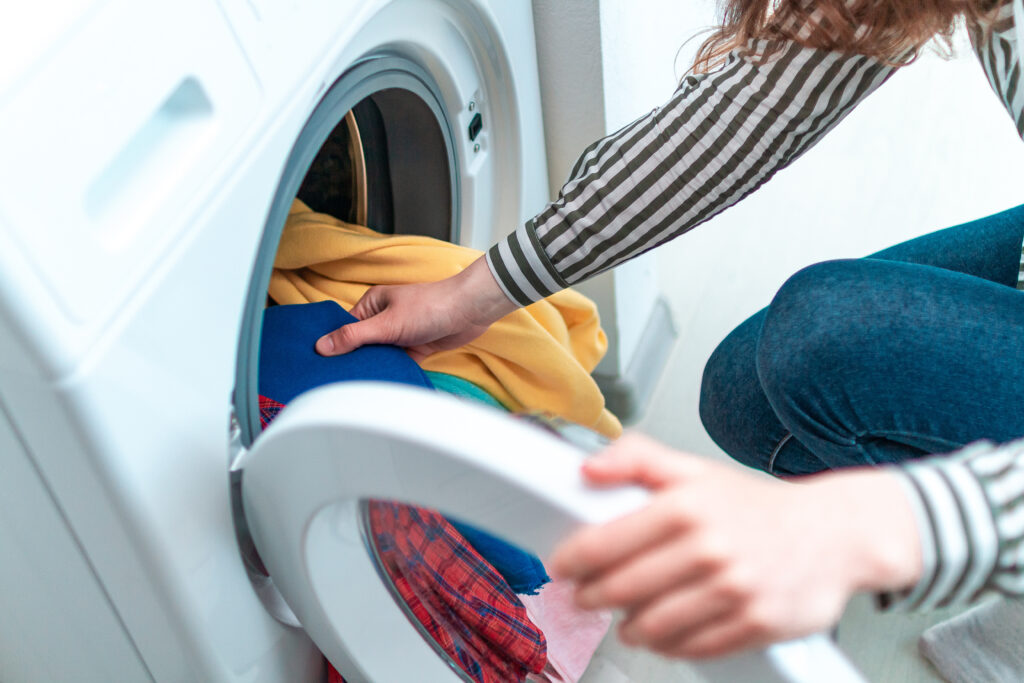
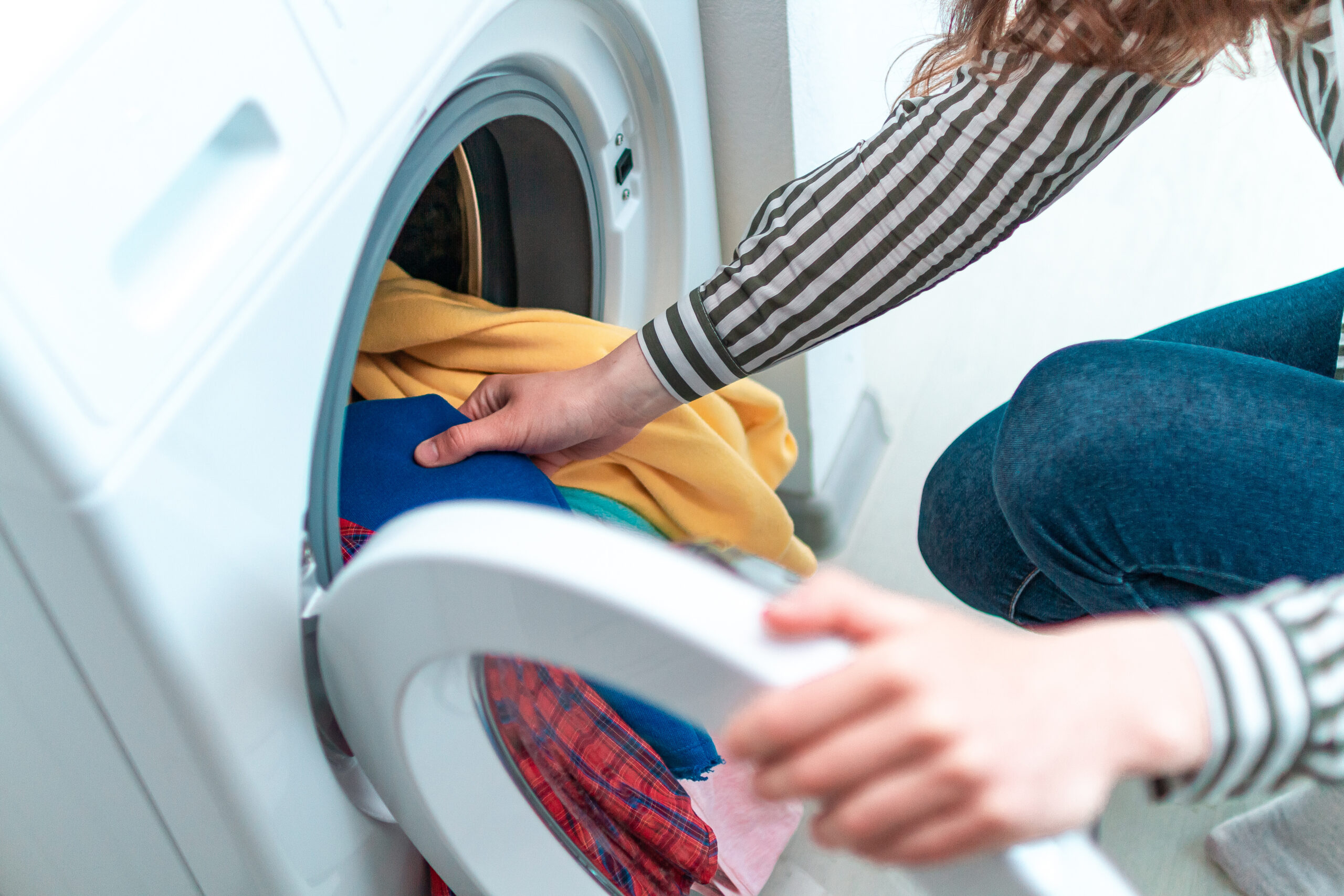
A washing machine’s draining process is relatively straightforward. After the wash or rinse cycle finishes, the washer signals the drain pump to activate. This pump pulls water from the drum and expels it through a drain hose into your plumbing system. Many machines also rely on a lid switch or door lock mechanism to ensure safety during cycles. When any of these components fail or become obstructed, your washer may stop draining completely or only partially.
Common Causes of a Washer Not Draining
Several things can interfere with the draining function of your washer, each requiring a slightly different approach. The first and most common culprit is a clogged drain pump filter or hose. Over time, foreign objects like socks, coins, or accumulated lint can block the path. If your washer displays error codes or seems sluggish when cycling, it’s likely the pump filter needs to be checked. Another frequent issue is a faulty or worn drain pump—a component that, if burned out or broken, cannot effectively push water out. Occasionally the issue lies not in the appliance itself but the plumbing connection to which it expels water; for instance, a clogged standpipe or drain can cause backflow or incomplete draining.
Step-by-Step Fixes You Can Try at Home
If you’re comfortable working with household appliances, there are a few tried-and-true steps worth testing before calling a professional. First, unplug your washer and inspect the drain hose. Look for bends or kinks, and if it’s removable, try flushing it with water from both ends. Next, locate and clean the drain pump filter—often behind a front-facing panel or under the drum—and remove any visible debris. If clogs aren’t the issue, check the lid switch or door lock mechanism; depending on your model, these can affect whether the machine initiates a drain cycle. Finally, manually test the pump if accessible. If you notice screeching sounds or feel it isn’t engaging, the pump motor may be the issue. In this case—even if you’re handy—sourcing and replacing the part may be better left to a service provider or a home warranty technician.
When to Call in a Professional
While some homeowners are entirely capable of DIY troubleshooting, there are scenarios where it simply makes more sense to involve a technician. If your washer displays persistent error codes, if there’s standing water even after basic cleaning, or if your attempts to disassemble key components raise the risk of voiding manufacturer warranties, stop and consult a professional. Certain modern machines include electronic control boards that require diagnostic tools or software updates unfamiliar to most. If your washer is under a home warranty, schedule a claim visit rather than attempting complicated fixes. In many cases, a qualified technician can address the issue without out-of-pocket repair cost to you. It’s also worth noting that continuous problems could indicate a larger systemic issue, such as outdated plumbing or surges that affect multiple appliances.
Keeping Your Washer in Working Order
Preventing drain issues starts with consistent care. Avoid overloading your machine with clothes—too much weight strains the drum and pump. Be selective about the items you wash; check pockets and avoid washing small items loose that can become trapped in the system. Clean your machine’s filter monthly and use the manufacturer’s recommended detergent in appropriate doses to minimize sudsy residue. Consider periodically draining your washer manually, especially if you live in a hard water area, as mineral buildup contributes to internal wear. For front-load washers, keep the door ajar after use to allow any residual moisture to evaporate, helping reduce the chance of mold near filtration systems or drainage ports.
Are Washer Drainage Issues Covered by Home Warranty?
If you have an appliance plan with your home warranty provider, drainage issues on washing machines are often covered—especially if the root cause involves a mechanical failure. However, it’s critical to understand the specifics. Blockages due to foreign objects may be considered preventable and could fall outside the scope of coverage, depending on your provider. Drain pump failure, electrical faults in the control panel, or defective sensors are typically covered. Before attempting any repairs yourself, check your warranty contract and submit a service request if you suspect the issue is mechanical. For homeowners weighing the value of a home warranty, coverage that includes both diagnosis and labor can offset serious repair costs long-term.
Protecting Your Home’s Appliances with Armadillo
A sudden washer malfunction is stressful. But with dependable coverage, it doesn’t have to upend your week. That’s where a plan from Armadillo comes in. With transparent pricing, fast claims processing, and expert technicians ready to resolve your appliance issues—including washing machines that won’t drain—Armadillo offers the confidence homeowners need. Whether you’re experiencing your first issue or just want peace of mind for the future, explore options at armadillo.one or start building your personalized plan today at this link. With Armadillo, your home’s essentials are never left to guesswork.