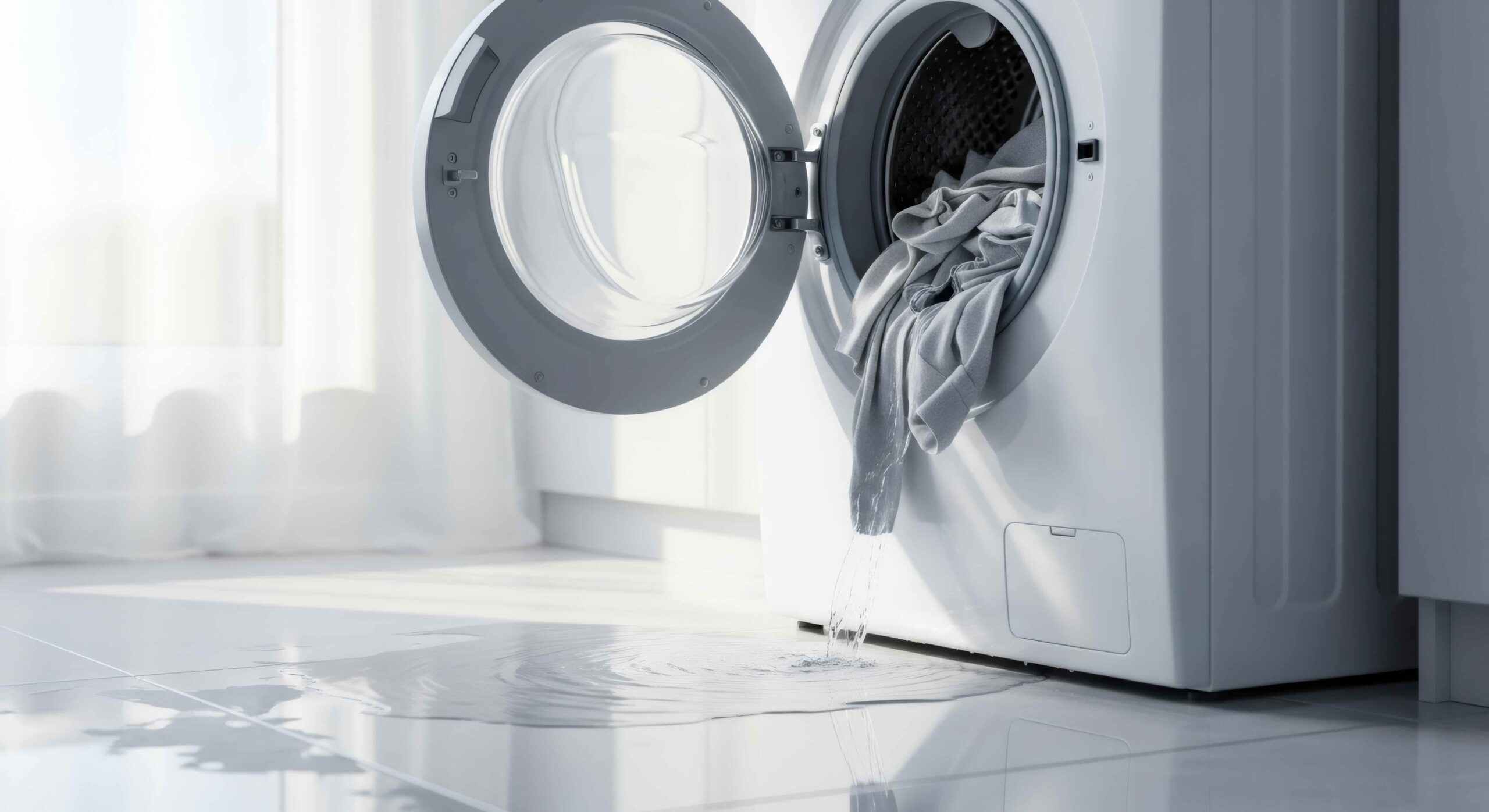
Why Your Washer Won’t Empty Water and What You Should Do About It
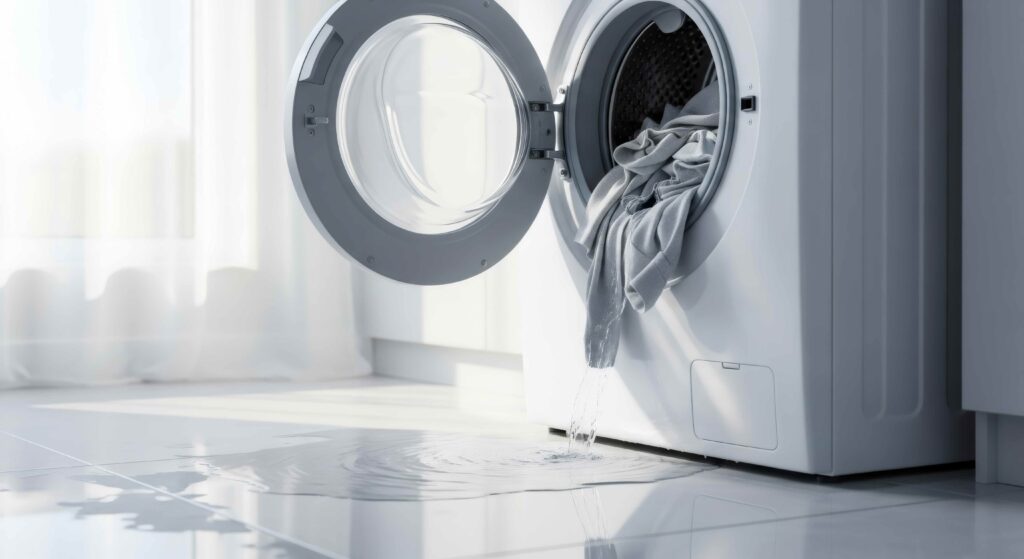
You open the washing machine expecting clean, damp clothes. Instead, you find a tub full of murky standing water and laundry that has basically been soaking in its own mess. It is one of those household moments that is equal parts frustrating and confusing, especially if the machine was running just fine a week ago. The good news is that a washer that will not drain is one of the more diagnosable appliance issues out there. The causes are usually predictable, and understanding them puts you in a much better position to decide whether this is a weekend DIY fix or something that needs professional attention and, ideally, warranty coverage.
How a Washing Machine Drain System Actually Works
Before getting into what goes wrong, it helps to understand what is supposed to happen. After a wash cycle completes, the washer activates a drain pump that forces water out of the tub and through a drain hose. That hose connects to a standpipe or utility sink, which routes water into your home’s plumbing. On most modern machines, a lid switch or door latch must also register as closed for the drain cycle to engage. The control board, drain pump motor, pump filter, and the hose all have to cooperate in sequence. When any one of those components falls out of sync, water stays exactly where it is.
The Most Common Reasons a Washer Will Not Drain
There is rarely one universal culprit when a washing machine holds water, but a few causes show up repeatedly. Knowing which ones to check first can save you a lot of time and guesswork.
- Clogged pump filter or coin trap catching lint, coins, or small fabric items
- Kinked, blocked, or improperly positioned drain hose preventing water flow
- Faulty or burned-out drain pump motor that can no longer move water
- A malfunctioning lid switch or door latch preventing the drain cycle from starting
- Overloaded drum causing an imbalance that interrupts the spin-drain sequence
- Control board failure sending incorrect signals to the drain pump
- Clogged household standpipe that has nothing to do with the washer itself
That last one is worth calling out specifically. Sometimes the machine is perfectly fine and the blockage is in your home’s plumbing. A slow-draining standpipe can back up into the washer and create the exact same symptom. Ruling out the drain hose and standpipe first is always a smart move before assuming the machine is broken.
Step-by-Step Troubleshooting Before You Call Anyone
Start simple. Check the drain hose at the back of the machine to confirm it is not kinked or pinched. If the hose is inserted too far into the standpipe, it can create a siphon effect that prevents drainage. The hose should sit about six to eight inches into the standpipe, no more. Next, locate the pump filter, which on front-load washers is usually behind a small access panel near the bottom front of the unit. Place a shallow pan underneath, unscrew the cap slowly, and prepare for residual water. Clean out whatever is in there thoroughly. Debris in that filter is responsible for a significant percentage of washer drainage failures. If neither of those resolves the issue, the next step involves listening. Run a drain cycle and pay attention to whether the pump sounds like it is running. A humming sound with no water movement often points to a blocked impeller. Silence from the pump area suggests the motor may have failed entirely.
Front-Load vs. Top-Load Washers and Drainage Differences
The drainage mechanics are largely similar across both machine types, but there are a few distinctions worth knowing. Front-load washers almost universally have an accessible pump filter that is relatively easy to clean without tools. Top-load machines, particularly older agitator models, may route the pump differently and require removing the back panel or accessing the pump from below. High-efficiency top-loaders with no agitator tend to be more sensitive to overloading, which can cause mid-cycle drain interruptions that look like failures but are actually protection features. Knowing your machine type before you start troubleshooting helps narrow the list considerably.

When DIY Stops Making Sense
Cleaning a pump filter is well within reach for most homeowners. Replacing a drain pump motor is a different conversation. It involves disconnecting power, removing the back or front panel depending on the model, unclipping the pump assembly, and sourcing a compatible replacement part. If you are comfortable with appliance repairs and have some experience, it is doable. But if the diagnosis is unclear, if the control board appears to be involved, or if the machine is still under a manufacturer warranty, bringing in a technician is the smarter play. Attempting a repair that causes further damage can complicate warranty claims and occasionally turns a fixable situation into a full replacement scenario.
Repair Costs and What to Expect
Drain pump replacements typically run between one hundred fifty and three hundred fifty dollars when a technician handles the job, parts and labor included. A clogged filter cleaning performed by a professional on a service call usually falls in the eighty to one hundred fifty dollar range, which admittedly stings a bit when you realize it takes ten minutes and a towel. Lid switch replacements tend to land in the one hundred to two hundred dollar range. Control board failures are the expensive end of the spectrum, sometimes pushing four hundred to six hundred dollars or more depending on the brand. At that point, the age of the machine becomes a relevant part of the financial decision. A repair that equals half the cost of a new unit on a machine that is already eight or ten years old deserves serious consideration.
Preventive Maintenance That Actually Makes a Difference
Most washing machine drain failures are preventable with some basic upkeep. The filter should be cleaned every one to three months depending on how frequently the machine is used. Using the correct type and amount of detergent matters more than most people realize. Excess suds from too much detergent or the wrong formula in an HE machine can overwhelm the drain cycle and leave residue that builds up over time. Running a monthly hot water cleaning cycle, either with a commercial washer cleaner or plain white vinegar, helps break down soap deposits before they accumulate. Checking the drain hose connections annually for any signs of wear or loosening is a small habit that prevents larger issues down the road.
How a Home Warranty Factors Into Washer Drain Repairs
Here is where things get practical for homeowners who are tired of unexpected repair bills disrupting their budget. A home warranty that covers appliances is specifically designed for situations like this. A washer drain pump failure is not something you can predict and is not caused by misuse or neglect in most cases. It is mechanical wear, and that is exactly what appliance coverage is intended to address. When a covered component fails, the warranty handles the cost of the repair or replacement after the service call fee, which is typically a flat rate far below what you would pay out of pocket. For homeowners with appliances that are no longer under manufacturer warranty, this kind of protection is genuinely useful.
Why Armadillo Is Worth Considering When Your Washer Fails
When a washer stops draining in the middle of a load, the last thing you want is to navigate a confusing claims process or wait days for a callback. That is where Armadillo approaches home warranty coverage differently. Designed with real homeowners in mind, Armadillo offers appliance protection that covers the kind of mechanical failures that send repair bills through the roof, including drain pump failures, motor issues, and the other internal breakdowns that make owning a washing machine stressful. If you are looking for a home warranty plan that covers washing machine repairs and major appliances, Armadillo brings transparency and straightforward service to a category that has historically been anything but. There are no confusing exclusions buried in fine print and no runaround when you need a technician. Whether you are dealing with this drain issue right now or simply trying to get ahead of the next unexpected breakdown, you can get a free quote for washer and appliance coverage from Armadillo in just a few minutes. Protection that works when your home does not is the whole point.

Frequently Asked Questions About a Washer That Won’t Drain
Why is my washing machine not draining but still spinning?
The spin cycle and drain cycle are two separate functions. If the machine spins but water remains in the tub, the drain pump or filter is likely blocked, preventing water from exiting even though the motor is otherwise operational.
Can a clogged lint filter cause my washer to stop draining?
Yes, absolutely. The pump filter, sometimes called a coin trap or lint filter, catches debris before it reaches the pump. When it becomes fully blocked, water cannot pass through, and the machine will hold water at the end of the cycle.
How do I know if my washing machine drain pump has failed?
If you run a drain cycle and hear nothing from the pump area, or if you hear humming without any water movement, those are strong indicators of pump failure. A functioning pump typically produces an audible motor sound as it operates.
Is it safe to leave standing water in the washing machine?
No, not for an extended period. Standing water encourages mold and mildew growth inside the drum and rubber door gasket, which creates odor and can damage the machine over time. Remove clothing and manually bail out water if a repair will take more than a few hours.
Can using too much detergent cause drainage problems?
Yes. Excess detergent, especially in high-efficiency machines, creates oversudsing. The machine may pause or extend the cycle to compensate, and residue builds up over time in the pump and hoses, eventually contributing to drainage failure.
How much does it cost to fix a washing machine that won’t drain?
Costs vary depending on the cause. A filter cleaning by a technician typically runs eighty to one hundred fifty dollars. A drain pump replacement usually falls between one hundred fifty and three hundred fifty dollars. Control board issues can cost significantly more.
Does a home warranty cover a washing machine that won’t drain?
Most home warranty plans that include appliance coverage will cover mechanical failures like drain pump breakdowns, provided the failure is due to normal wear and not physical damage or misuse. Always review your specific plan terms for confirmation.
How often should I clean my washer’s pump filter to prevent drainage issues?
Every one to three months is a reasonable target, depending on how frequently the machine runs and whether you regularly wash items that shed lint, pet hair, or contain small debris like coins or tissues.
Can a blocked standpipe in my home cause the washer to not drain?
Yes, and this is often overlooked. If your home’s standpipe is partially clogged, water from the washer has nowhere to go and backs up into the hose or drum. Test by checking if other nearby drains are also slow before assuming the machine is the problem.
Is replacing a washing machine drain pump a DIY job?
It is possible for a confident DIYer with some appliance repair experience, but it requires disconnecting power, accessing internal components, and sourcing a compatible part. If the diagnosis is uncertain or the machine is still under warranty, a qualified technician is the safer choice.