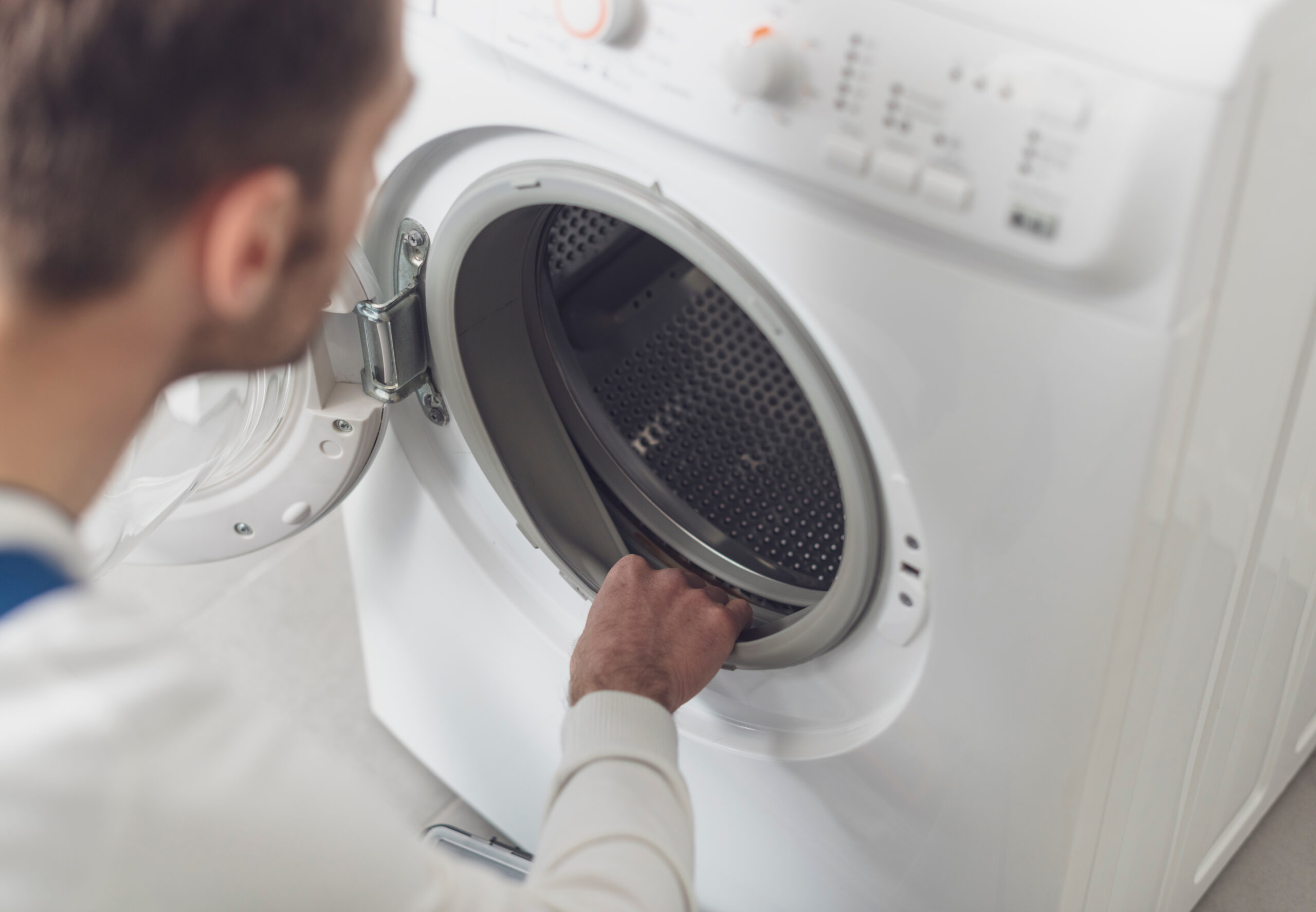
When Your Washer Won’t Drain or Spin: What’s Really Going On
You opened the lid expecting a load of freshly spun laundry. Instead, you found a tub full of standing water and clothes that feel like they just returned from a swim meet. A washer that won’t drain or spin is one of the most disruptive appliance failures a homeowner can face, and it almost always happens at the worst possible time. The good news is that this issue is more common than you think, and understanding what causes it puts you in a much better position to deal with it quickly and confidently.
How a Washing Machine Drain and Spin Cycle Actually Works
Before diving into what goes wrong, it helps to understand what’s supposed to go right. During a normal wash cycle, your washing machine uses a drain pump to push water out through a drain hose, which typically connects to a standpipe or utility sink. Once the water clears, the motor engages the spin cycle, using centrifugal force to extract moisture from the fabric. These two functions, draining and spinning, are closely linked. If the machine cannot drain, it often will not spin. Most modern washers are programmed to pause or abort the spin cycle entirely when they detect residual water in the drum. So what looks like two separate problems is usually one core issue.
The Most Common Reasons a Washer Won’t Drain or Spin
There is rarely one universal culprit here, but several causes show up repeatedly in service calls and repair diagnostics. Knowing the likely suspects can help you narrow things down before a technician even arrives.
- Clogged drain pump filter: Most front-load washers have a small filter near the bottom of the unit that catches lint, coins, and debris. If this clogs, water cannot exit the machine.
- Kinked or blocked drain hose: A hose that is bent, pinched, or pushed too far into the standpipe can restrict water flow entirely.
- Failed lid switch or door latch: On top-loaders, the lid switch tells the machine it is safe to spin. If it fails, the machine simply will not engage the spin cycle as a safety precaution.
- Worn or broken drive belt: Some washers use a belt to connect the motor to the drum. A snapped or slipped belt will prevent the drum from spinning even if everything else is functioning.
- Faulty drain pump motor: The pump itself can wear out over time. When it does, water sits in the drum regardless of the cycle selected.
- Control board or sensor error: Modern washers rely on electronic controls and water-level sensors. A glitch or failure in either component can interrupt the cycle unexpectedly.
What You Can Check Yourself Before Calling a Technician
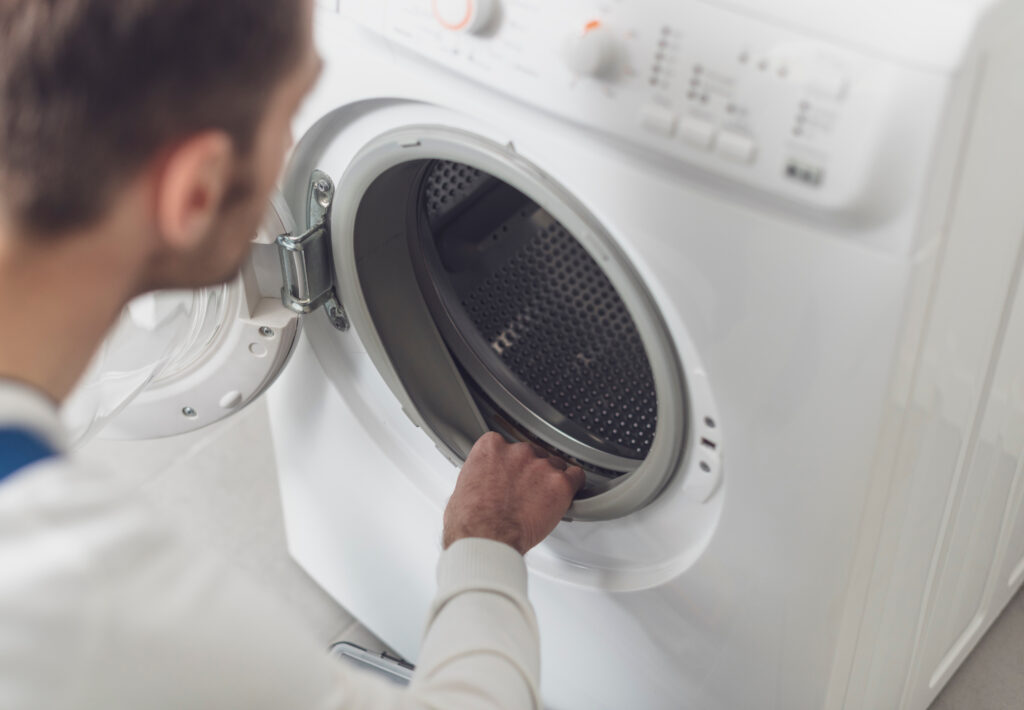
Some of this is actually within reach for a homeowner willing to roll up their sleeves a little. Start by checking the drain hose at the back of the machine to make sure it is not kinked or pressed too deep into the standpipe. A hose inserted more than about six inches into the standpipe can create a siphoning effect that interferes with drainage. Next, if your machine has an accessible filter panel, usually a small door near the bottom front of the unit, open it carefully with a towel on the floor and check for debris. It is amazing what accumulates in there. Finally, run a diagnostic cycle if your machine supports it, many modern washers will display an error code that points directly to the issue. Write that code down before anything else.

Front-Load vs. Top-Load Washers: Does the Type Matter?
It does, actually. Front-loading machines are generally more prone to drain pump filter clogs because of how water circulates during the wash cycle. They also rely more heavily on door latch sensors to authorize the spin cycle, meaning a worn seal or latch can trigger a no-spin condition without any mechanical failure at all. Top-loading machines, on the other hand, are more susceptible to lid switch issues and, in older models, belt-related failures. That said, both machine types can experience control board and pump failures regardless of design. The diagnostic approach is slightly different depending on which type you own, but the core principles remain the same.
When a Simple Fix Becomes a Costly Repair
Not every drainage or spin issue is a quick filter clean or a hose adjustment. Drain pump replacements can run between one hundred fifty and three hundred fifty dollars depending on the brand and model. Control board failures are even more expensive, sometimes exceeding five hundred dollars in parts and labor. Drive belt replacements tend to be more affordable, but accessing the belt often requires partially disassembling the machine, which is not a trivial task. If the machine is older than eight to ten years, some repair professionals will recommend replacement over repair once costs approach half the value of a new unit. That calculation changes significantly when a home warranty is in play.
How Overloading and Laundry Habits Contribute to the Problem
This is one of those things nobody really talks about, but it matters more than homeowners realize. Consistently overloading a washer puts excessive strain on the drum bearings, the motor, and the belt. It can also cause unbalanced loads during the spin cycle, which the machine detects and responds to by stopping or reducing spin speed. Over time, these repeated stresses accelerate wear on the very components most likely to fail. Using too much detergent, particularly in high-efficiency machines, creates excessive suds that interfere with the drain pump sensor’s ability to detect water levels accurately. Simple habits like loading the machine correctly, using the right detergent in the right quantity, and cleaning the filter every few months can meaningfully extend the life of the appliance.
Signs That Point Toward a Bigger Mechanical Issue
There is a difference between a washer that occasionally acts up and one that is signaling a deeper problem. Pay attention to these indicators, because they tend to show up before a complete failure occurs.
- Unusual humming or grinding sounds during the drain or spin phase
- Burning smell coming from the machine during operation
- Visible water pooling beneath the machine after a cycle
- Drum that moves sluggishly or unevenly during spin
- Repeated error codes even after a reset
- Clothes that are consistently wetter than normal after a full cycle
The Real Cost of Ignoring the Problem
Leaving a washer that won’t drain unaddressed is not just inconvenient. Standing water inside the drum creates a breeding ground for mold and mildew, which can penetrate the drum seal, the gasket on front-loaders, and even the interior components of the machine. That mold smell that seems impossible to fully eliminate in some households often traces back to a drainage issue that went unresolved for too long. Beyond the appliance itself, a slow drain or a leak from a failing pump can cause water damage to the flooring or cabinetry in your laundry area. What started as a repair bill can escalate into a restoration project. Acting early almost always costs less than waiting.
Why a Home Warranty Makes All the Difference for Washer Repairs
Here is where things get practical. Washing machine repairs are unpredictable by nature, and they tend to arrive without warning or budget planning. A home warranty designed to cover major appliances means that when your washer refuses to drain or spin, you are not scrambling to evaluate repair estimates while wet laundry piles up. Armadillo home warranty plans built for everyday appliance protection are designed with exactly these scenarios in mind, offering straightforward coverage without the fine-print surprises that make traditional warranty claims so frustrating. The process of filing a claim should feel like a relief, not another obstacle. If you want to understand what coverage could look like for your home before anything breaks, you can get a personalized washer repair home warranty quote in seconds and see exactly what protection fits your situation. Peace of mind is not a luxury when it comes to the appliances your household depends on every single day.

Frequently Asked Questions About a Washer That Won’t Drain or Spin
Homeowners dealing with a washer that won’t drain or spin often have the same pressing questions. Here are clear, direct answers to the ones that come up most often.
Why is my washer full of water and won’t drain?
The most common causes are a clogged drain pump filter, a kinked drain hose, or a failed drain pump motor. Check the filter and hose first before assuming a mechanical failure.
Can I manually drain a washing machine that is full of water?
Yes. Most front-load washers have a drain hose near the filter access panel. Place a shallow pan underneath, open the hose cap, and allow water to drain out slowly. For top-loaders, you may need to use a wet vacuum or bail water out manually.
Why won’t my washer spin even though it drains fine?
If draining is not the issue, the most likely causes are a faulty lid switch or door latch, a broken drive belt, or an unbalanced load that triggered the machine’s safety detection system.
How do I know if my drain pump is bad?
A failing drain pump often produces a loud humming sound during the drain phase but fails to move water. In some cases it makes no sound at all. An error code displayed on the control panel can also indicate pump failure.
Is it worth repairing a washing machine that won’t drain?
It depends on the age of the machine and the cost of the repair. If the washer is under eight years old and the repair cost is less than half the replacement cost, repair is usually the more economical choice.
How often should I clean my washing machine filter?
Cleaning the drain pump filter every one to three months is a reasonable maintenance schedule for most households. Homes with pets or heavy laundry loads may benefit from monthly cleaning.
Can too much detergent cause a washer to stop draining?
Yes. Excess suds can confuse the machine’s water level sensor, causing it to believe the drum is still full when it is not. This can interrupt or delay the drain cycle, particularly in high-efficiency washers.
Does a home warranty cover washing machine drain pump failure?
Many home warranty plans that include appliance coverage will cover mechanical failures like a drain pump or motor breakdown. Coverage terms vary by provider, so reviewing what is included before a failure occurs is always the smarter move.
What error codes are associated with draining issues?
Common codes include F21 or F9 on Whirlpool and Maytag machines, E21 on some Bosch models, and 5E or nF on Samsung washers. Each manufacturer uses different codes, so consulting the owner’s manual or the manufacturer’s website for your specific model is advisable.
How long does a washing machine drain pump typically last?
A washing machine drain pump generally lasts between eight and twelve years with normal use. Frequent overloading, hard water buildup, and failure to clean the filter regularly can shorten that lifespan considerably.