Why Your Washing Machine Won’t Drain or Spin: A Homeowner’s Guide to Troubleshooting and Prevention
When your washer won’t drain or spin, laundry day takes an unwelcome turn. Wet clothes, standing water in the drum, and an error code flashing in defiance—these are more than just inconveniences. They can be signs of underlying mechanical or electrical issues that impact the efficiency and longevity of your washing machine. This article explores the core functions of your washer, explains how drainage and spin cycles actually work, and covers the most common reasons for failure in these specific stages. We will also break down preventative maintenance and the potential role a home warranty can play in protecting your appliance investment over time.
Understanding How Washing Machines Drain and Spin
At their core, modern washing machines follow a relatively straightforward process: fill, agitate, drain, and spin. The drain and spin cycles are crucial among these steps. Draining expels the soapy water through a pump and into the home’s plumbing. The spin cycle then removes excess moisture from clothes using centrifugal force. If your washer isn’t completing these functions, it’s not just about inconvenience. You could be facing water damage risks, mold buildup, and a shortened appliance life cycle. Knowing how these systems interconnect helps homeowners identify where something might be going wrong.
What Causes a Washer to Stop Draining Properly?
Drainage failure typically originates from a few diagnosable root issues. A clogged or kinked drain hose is most common and usually easy to inspect. If lint, fabric, or small objects like coins obstruct the hose, water cannot exit the drum. Internal pump issues are another frequent culprit. Over time, the drain pump may lose power or become blocked. In washers with electronic controls, a faulty sensor or door latch switch might prevent the machine from initiating drain or spin cycles as a safety measure. Finally, the plumbing in your home could be part of the problem. A slow or completely blocked household drain pipe can cause backups that mimic washer failure.
Why Your Washer Might Skip the Spin Cycle
The spin function relies heavily on balance and proper drainage. If the washer detects that the load is unbalanced—often due to bulky or improperly distributed clothing—it may skip or abort the spin cycle altogether. Washing a single heavy item like a comforter can trigger this safeguard. A failing motor coupling, drive belt, or lid switch may also prevent spinning. Additionally, if the washer senses retained water from a failed drain cycle, it often won’t engage the spin setting as it assumes something is mechanically wrong. Whether front load or top load, the machine’s internal programming identifies potential hazards and reacts accordingly.
Diagnosing the Issue at Home
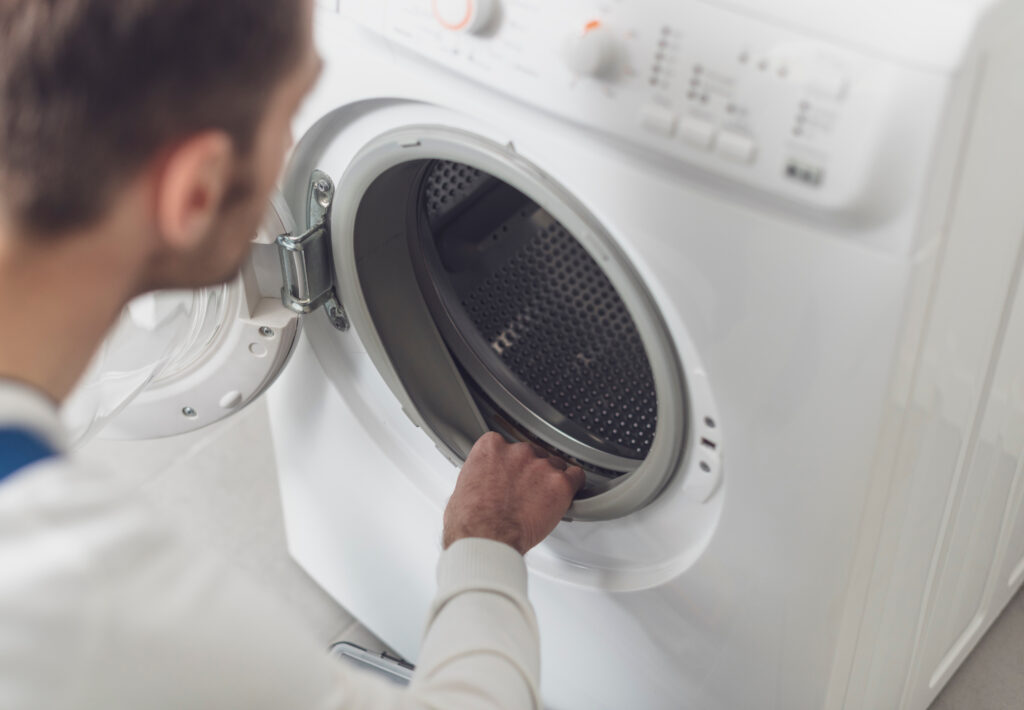
It’s possible to safely conduct preliminary diagnostics before calling for professional help. Start by unplugging the washer and removing the drain hose to inspect for clogs. Manually draining the drum with a shallow pan and towel setup can also reveal obstructions inside the pump filter. Check for visible damage to hoses or signs of corrosion at the base of the appliance. Resetting the machine by unplugging it for 5 minutes may clear a software glitch, although this is not a fix for mechanical issues. If the drum spins freely by hand, but won’t operate under power, the problem is likely electrical. Knowing what you can check before initiating a service call reduces unnecessary expenses and streamlines the repair process.
Preventing Drain and Spin Problems Through Routine Maintenance
Routine maintenance dramatically reduces the likelihood of spin and drain failure. Always check pockets for coins, tissues, and hairpins before loading your washer. Periodically clean the lint trap (if applicable) and run a monthly cleaning cycle using either a washing machine cleaner or a diluted vinegar solution. Avoid overloading the washer, and balance loads with a mix of small and large items. Every few months, inspect hoses for cracks and make sure they are secured without kinks. Preventative habits keep your washer running longer and more reliably, while also avoiding the need for costly emergency repairs.
When It’s Time to Call a Professional
If you’ve ruled out clogs and power resets but the machine still refuses to drain or spin, professional assessment becomes necessary. Certified technicians can safely disassemble components like the pump and motor housing. They use diagnostic tools to test continuity in switches and fuses—elements that homeowners may not easily access. While it’s tempting to delay the call, unresolved drain and spin problems often accelerate wear on other internal parts. Prolonging attention can turn a simple maintenance issue into a full appliance replacement scenario.
Protection Matters: How Armadillo Simplifies Washing Machine Repairs
Washer breakdowns happen. And when they do, scrambling for repair options in the middle of laundry day isn’t ideal. That’s why having a home warranty plan through Armadillo makes an impactful difference. With customized protection that includes coverage for major appliances like washing machines, Armadillo handles the coordination, cost, and peace of mind—so you don’t have to. If a critical component like the drain pump or spin motor fails, our guided claims process ensures you’re not starting from zero. Explore our coverage plans at armadillo.one. Ready to protect your laundry room today? Begin building your personalized plan in just minutes at our Plan Builder.