What Is a Washing Machine Catch Basin and Why Should You Care?
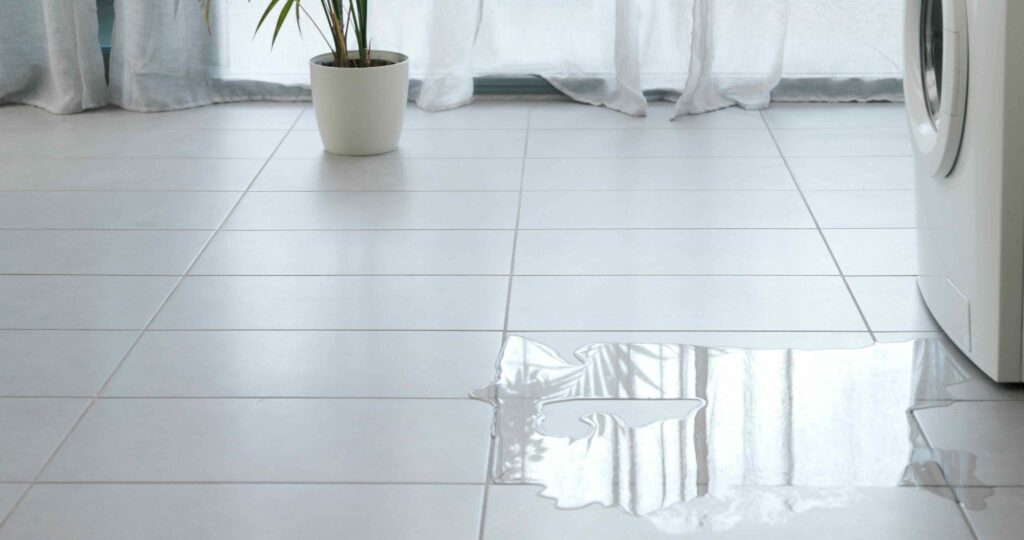
If you have ever walked into your laundry room and found water pooled across the floor, you already understand the panic that comes with a washing machine leak. It is one of those moments where you realize just how much damage a single appliance can do in a short amount of time. A washing machine catch basin — sometimes called a washer pan or drain pan — is a simple but effective device designed to sit beneath your washing machine and collect any water that leaks or overflows from the unit. It is not a glamorous home addition, but it is absolutely one of the smarter preventive measures a homeowner can install. Think of it as a first line of defense, quietly doing its job while you are busy doing laundry or going about your day.
How a Washing Machine Catch Basin Actually Works
The concept is straightforward enough. The pan itself is a shallow, rectangular or square tray — usually made from galvanized steel, stainless steel, or heavy-duty plastic — that slides under your washing machine and sits flush with the floor. If the machine develops a slow leak from a hose connection, a worn door seal, or an internal component failure, the water drips down and collects in the pan rather than spreading across your floor or seeping into the subfloor below. Most catch basins also include a drain outlet on the side or bottom, which can be connected to a drain line or a floor drain. Some homeowners even install a float alarm or water sensor inside the pan that triggers an alert the moment water levels rise, giving them a heads-up before things get out of hand.
The Key Benefits of Installing a Washer Pan in Your Home
There are real, tangible reasons why building codes in many states actually require catch basins for washing machines installed on upper floors or in finished living spaces. The benefits go beyond just keeping your floors dry.
- Protects hardwood floors, tile grout, and subfloor materials from water damage and warping
- Reduces the risk of mold and mildew growth beneath and around the appliance
- Can lower the severity of damage if a hose bursts or a seal fails unexpectedly
- Provides a simple, low-cost solution that could save thousands in water damage repairs
- Compatible with water sensors and alarms for added early warning capability
- May support your homeowner’s insurance claim documentation if a leak does occur
When you think about the cost of replacing a water-damaged subfloor, refinishing hardwood, or remediating mold in a wall cavity, a catch basin that costs somewhere between twenty and one hundred dollars starts to look like one of the most cost-effective home decisions you can make.
Common Materials Used for Washing Machine Catch Basins
Not all pans are built the same, and the material matters depending on your specific setup. Plastic pans — often made from high-density polyethylene or ABS plastic — are lightweight, affordable, and resistant to corrosion. They are a popular choice for most residential setups and work well in situations where weight is a concern. Galvanized steel pans offer more structural rigidity and can support heavier front-loading machines, though they are more susceptible to rust over time if the finish gets compromised. Stainless steel is the premium option: durable, rust-resistant, and capable of handling significant weight loads. Your choice should account for the weight of your machine when full, the type of flooring beneath it, and whether you plan to connect the pan to an active drain line.

Drawbacks and Limitations Worth Knowing
A catch basin is not a magic shield. It has real limitations that homeowners should understand before assuming the pan alone will protect them. Standard residential pans typically hold only a small volume of water — often one to three gallons — which means a significant hose burst or supply line failure can overwhelm the pan quickly. If the pan is not connected to a drain, that water has nowhere to go once it reaches capacity. Additionally, the pan does nothing to address the source of the leak itself; it only manages the water after the fact. And if the pan develops a crack or is improperly sized for the machine sitting on top of it, it offers minimal protection at all. The bottom line is that a washer pan works best as part of a broader approach to appliance maintenance, not as a standalone solution.
Installation: What to Expect and When to Call a Professional
Installing a catch basin under a top-loading washing machine that has not yet been placed is relatively simple — you set the pan down, position the machine on top, and connect the drain outlet if applicable. The challenge comes when you need to install one under an existing machine. Moving a full-size washer, especially a front-loader, requires disconnecting water supply lines, unplugging the unit, and often having a second person assist with the physical lift. If your machine is on a raised pedestal or if your laundry room has limited clearance, it becomes even more involved. For most homeowners, this is a manageable DIY project on a new installation. For retrofits, it is worth considering whether a plumber or appliance technician might save you time and potential frustration.
Pairing Your Catch Basin with a Water Leak Sensor
One of the smartest upgrades you can pair with a catch basin is a water leak sensor or smart water alarm. These small devices sit inside the pan and detect the presence of moisture, sending an alert to your phone or triggering a local alarm before water reaches a damaging level. Several smart home platforms now offer leak sensors that integrate with broader home monitoring systems, allowing you to shut off water remotely or receive real-time notifications while away from home. Given that washing machine hose failures are one of the most common sources of significant residential water damage, combining a physical catch basin with an electronic sensor creates a much more complete early-warning system than either solution on its own.
Maintenance Tips to Keep Your Washer Pan Effective
A catch basin requires almost no ongoing maintenance, which is part of its appeal. That said, there are a few things worth checking periodically to make sure it is doing its job properly.
- Inspect the pan annually for cracks, warping, or signs of corrosion, especially if it is made of galvanized steel
- Clear the drain outlet of any lint, debris, or buildup that might block water flow
- Test your water leak sensor’s battery and responsiveness every six months
- Check the condition of your washing machine hoses at the same time — look for bulging, cracking, or mineral deposits near the connections
- Confirm the pan is still properly positioned and has not shifted from routine vibration during spin cycles
These are quick checks that take minutes but can confirm that your protection layer is actually in place and functional when you need it most.
How Home Warranties Relate to Washing Machine Leaks and Water Damage
This is the part where a lot of homeowners discover a gap they did not know existed. A standard home warranty plan typically covers the mechanical components of your washing machine — the motor, the pump, the drum, the controls — if they fail due to normal wear and tear. However, water damage to surrounding floors, walls, or cabinetry caused by a washing machine leak is almost universally a homeowner’s insurance matter, not a warranty claim. The appliance warranty covers the appliance. The property damage coverage lives elsewhere. Understanding that distinction helps you build the right combination of protections — a catch basin for physical containment, a leak sensor for early detection, a home warranty for mechanical repair costs, and homeowner’s insurance for structural or cosmetic damage. Each layer serves a different purpose, and having all of them working together is what genuine home protection looks like.
Why Armadillo Is the Right Home Warranty Partner When Appliance Issues Strike
When your washing machine starts acting up — whether it is a mechanical failure, an unexpected breakdown, or a component issue that sends water where it should not go — having the right home warranty in place makes an enormous difference. Armadillo home warranty coverage for appliances and home systems is built around transparency and simplicity, without the fine print surprises that tend to define less trustworthy providers. Armadillo covers the repair and replacement of major appliances, including washing machines, when internal components fail from normal use — which means you are not left scrambling for a technician or absorbing the full cost out of pocket. If you want to understand exactly what is covered and what your home qualifies for, you can get a free washing machine warranty quote for your home in seconds and see your options clearly before making any decisions. Pairing a physical safeguard like a catch basin with a reliable warranty plan is the kind of layered approach that protects your budget as well as your floors.

Frequently Asked Questions About Washing Machine Catch Basins
Answers to the most common questions homeowners have about washer pans, leak protection, and what it all means for your home.
What is a washing machine catch basin used for?
A washing machine catch basin is a shallow tray installed beneath a washing machine to collect water from leaks, overflows, or hose failures before that water can damage your floor, subfloor, or surrounding areas.
Is a washer pan required by building code?
In many jurisdictions, catch basins are required by code when washing machines are installed on upper floors, over finished living spaces, or in areas where water damage would be difficult or costly to repair. Requirements vary by state and municipality, so check your local building codes.
What size catch basin do I need for my washing machine?
Washer pans are typically sized to accommodate standard washing machine dimensions, usually around 28 to 32 inches wide. You should measure the footprint of your specific machine and choose a pan that extends at least one to two inches beyond the machine on all sides.
Can I install a washing machine catch basin myself?
Yes, installation is generally a manageable DIY task for new appliance setups. Retrofitting a pan under an existing machine requires moving the appliance, which can be physically demanding and may benefit from professional assistance depending on machine size and placement.
How much water can a washing machine catch basin hold?
Most standard residential washer pans hold between one and three gallons of water. This is sufficient for minor leaks and slow drips but may not contain the volume released by a burst supply hose, which is why connecting the pan to an active drain line is strongly recommended.
Does a home warranty cover water damage from a washing machine leak?
Home warranties generally cover the mechanical components of a washing machine that fail due to normal wear. Water damage to floors, walls, and surrounding structures is typically covered under homeowner’s insurance, not a home warranty policy.
What material is best for a washing machine drain pan?
Plastic pans are lightweight and corrosion-resistant, making them suitable for most setups. Stainless steel pans offer greater durability and load capacity, which is preferable for heavier front-loading machines. Galvanized steel sits in the middle but may rust over time if the coating is compromised.
Should I connect my washer pan to a drain?
Connecting the pan to a floor drain or standpipe drain is strongly recommended. Without an active drain connection, the pan will fill and eventually overflow, eliminating most of its protective benefit during anything more than a minor drip.
Can a water sensor work with a washing machine catch basin?
Yes, and pairing the two is considered a best practice. A water leak sensor placed inside the pan will detect moisture early and send an alert, giving you the opportunity to respond before the pan reaches capacity or a larger failure develops.
How often should I inspect my washing machine catch basin?
An annual inspection is a reasonable minimum. Check for cracks, rust, or debris blocking the drain outlet. It is also a good opportunity to inspect your washing machine hoses for signs of wear, which are one of the leading causes of residential water damage from laundry appliances.