What Is a Washing Machine Drain Pan and Why Does It Matter?
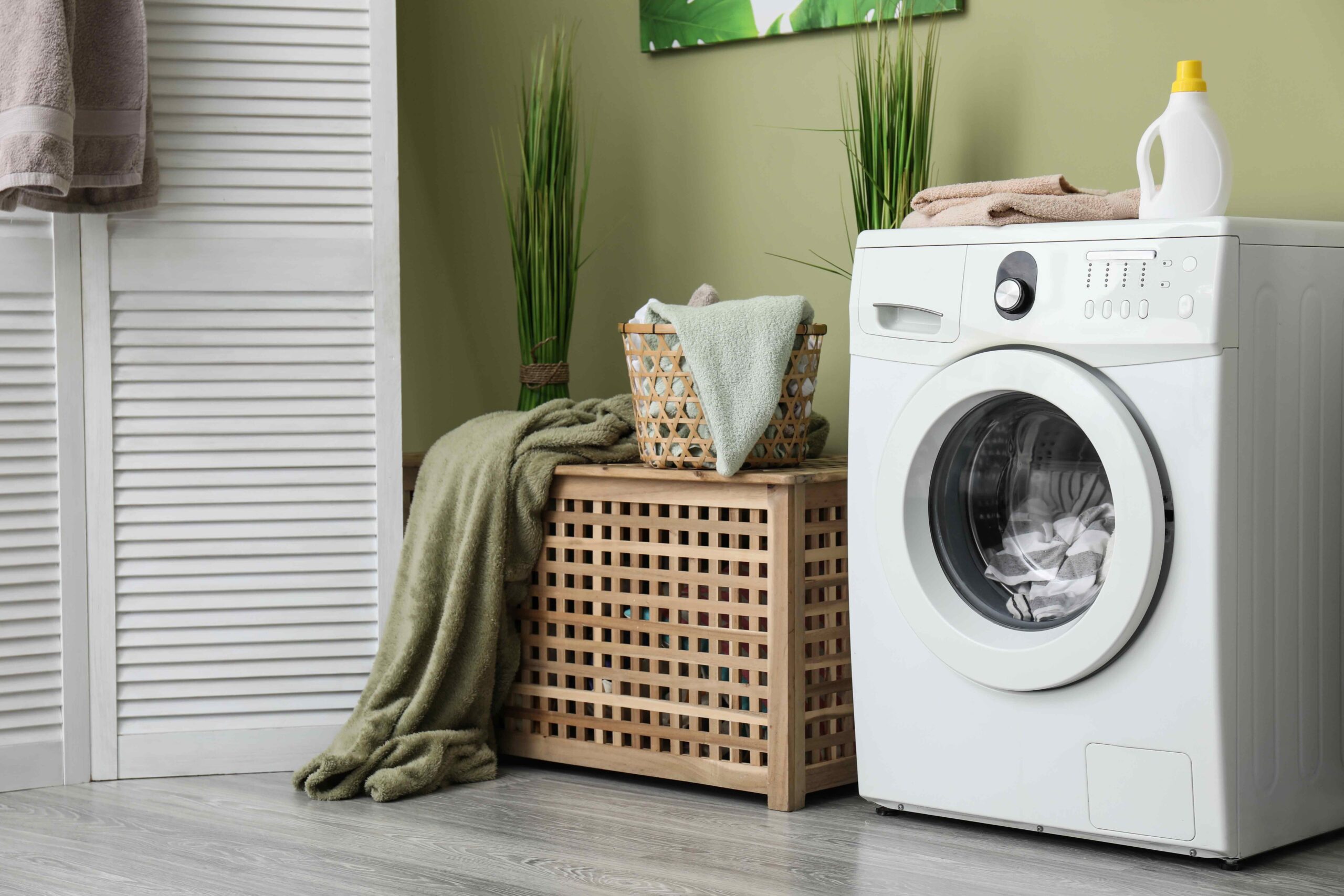
A washing machine drain pan is exactly what it sounds like — a shallow, tray-like basin that sits underneath your washing machine and catches any water that escapes from the unit. It sounds simple, maybe even a little underwhelming, but do not let that fool you. This unassuming piece of equipment is one of the most cost-effective protective measures a homeowner can install. Water damage is quiet, slow, and devastatingly expensive. A drain pan does not stop your washer from leaking — it stops that leak from becoming a disaster.
How Washing Machine Drain Pans Actually Work
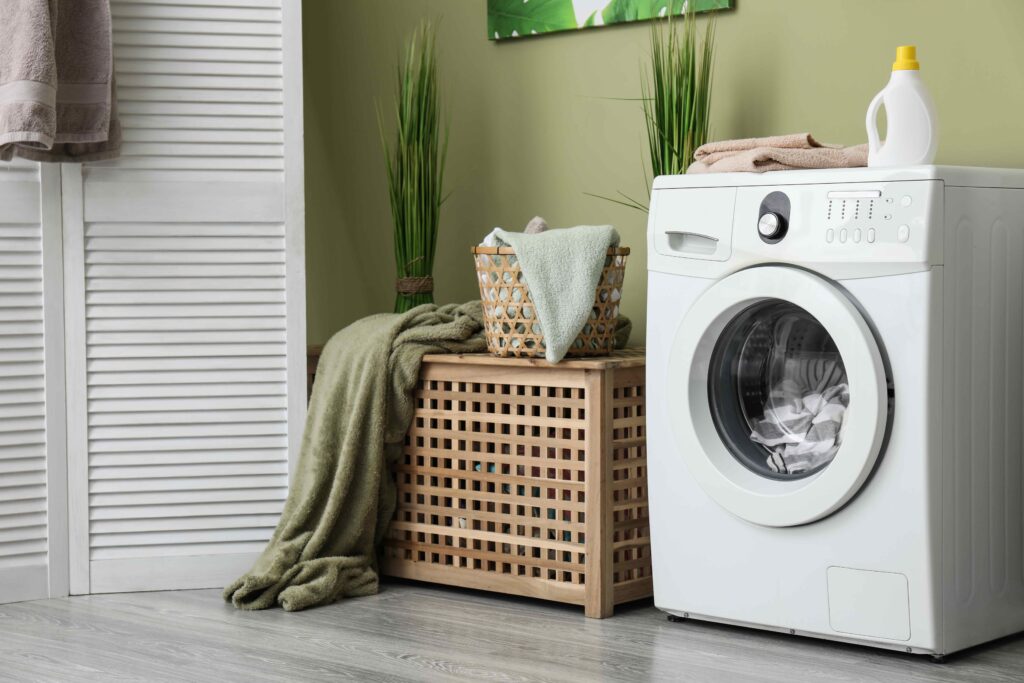
The mechanics here are refreshingly straightforward. The pan sits flush on the floor beneath your washing machine, with the machine resting inside it. If water escapes — from a loose hose connection, a worn door seal, or a slow internal drip — the pan collects it before it reaches your flooring, subfloor, or the room below. Most pans come equipped with a drain outlet, usually a one-inch opening near the edge, which connects to a drain line that routes water safely away. Without that outlet properly connected, the pan eventually fills and overflows, so installation matters as much as having the pan in the first place.
Washing Machine Drain Pan Sizes: What You Need to Know
This is where many homeowners get tripped up, and honestly, it is an easy mistake to make. Drain pans are not one-size-fits-all. Standard washing machine drain pan sizes typically fall into the following categories:
- 28 x 30 inches — fits most top-loading washing machines with standard footprints
- 30 x 32 inches — a common size for larger top-loaders and some front-loading models
- 28 x 28 inches — often used for compact or apartment-sized washing machines
- 32 x 34 inches — designed for oversized or high-capacity units
The rule of thumb is that the pan should extend at least one inch beyond each side of the washing machine. Before purchasing, measure your machine’s base dimensions and add two inches to each measurement to ensure adequate coverage. Fitting matters — a pan that is too small defeats its own purpose entirely.
Materials Used in Drain Pans and What They Mean for You
Drain pans are typically manufactured from one of three materials: plastic, galvanized steel, or stainless steel. Plastic pans are the most affordable and widely available, though they can crack over time — especially in utility rooms where temperatures fluctuate. Galvanized steel pans offer more durability but are susceptible to rust if the coating is compromised. Stainless steel options sit at the higher end of the price range, but they resist corrosion and hold up significantly better over the long term. If your washing machine is located on an upper floor or above a finished living space, investing in a higher-quality stainless steel pan is simply the smarter call.
Key Benefits of Installing a Washing Machine Drain Pan
Beyond the obvious water containment function, drain pans offer several advantages that are worth calling out directly. Homeowners who have them installed often report fewer insurance claims related to appliance water damage — and that is not a coincidence. Here is what a drain pan brings to the table:
- Prevents costly water damage to flooring, subfloor, and structural materials
- Reduces the risk of mold and mildew growth caused by undetected slow leaks
- Provides an early warning system when water collects visibly in the pan
- May be required by local building codes, particularly in multi-story homes
- Can be paired with a flood sensor or water alarm for automated leak detection
Common Drawbacks and Limitations to Keep in Mind
No protective measure is without limitations, and drain pans are no exception. First, a pan with a disconnected or clogged drain line is essentially just a bowl with a time limit — once full, the water goes somewhere you do not want it. Second, most standard pans are only about two to three inches deep, meaning they can only hold a limited volume of water before overflowing. A catastrophic hose failure can release gallons of water in minutes, far exceeding what any drain pan can manage on its own. Third, if the pan is not the correct size for your machine, it offers minimal protection. Thinking a pan is doing its job when it is actually too small is arguably worse than having no pan at all — it creates a false sense of security.
Installation Tips for Getting It Right the First Time
Installing a drain pan is a manageable DIY project for most homeowners, but there are a few things worth getting right from the start. Always connect the drain outlet to a proper drain line rather than leaving it capped. If you are installing on a second floor, ensure the drain line runs to a floor drain, utility sink, or exterior exit point. Use Teflon tape on threaded drain connections to prevent slow seeps. If the laundry area is tight, measure twice before purchasing — moving a fully loaded washing machine to swap out a pan that does not fit is a frustrating afternoon you do not need. Some homeowners also install a water leak detector inside the pan for an extra layer of protection.

When Should You Replace Your Drain Pan?
Drain pans do not last forever, and that is a fact many homeowners overlook entirely. A plastic pan can develop hairline cracks after five to seven years, particularly in environments with high humidity or temperature swings. Galvanized steel pans may begin to rust along the bottom or around the drain opening. If you notice any discoloration, warping, visible cracks, or rust staining in the pan, it is time for a replacement. When you purchase a new washing machine, it is also an excellent opportunity to inspect or replace the pan proactively, especially if it has been in service for several years.
Drain Pans, Building Codes, and Home Insurance Implications
Many jurisdictions require washing machine drain pans when laundry appliances are installed on any floor above the ground level. This is particularly common in condominiums and multi-family dwellings where a leak on one floor directly affects the unit below. Beyond code compliance, some homeowner’s insurance policies factor in whether protective measures like drain pans were in place when evaluating water damage claims. While a drain pan alone is not a guarantee of coverage, it demonstrates a reasonable standard of care — and that context matters when an adjuster is reviewing your claim. Always verify your local code requirements before installation and document your setup for insurance purposes.
How Armadillo Helps Protect Your Home Beyond the Drain Pan
A drain pan is a smart, proactive step — but it only handles so much. When the washing machine itself starts failing, when hoses deteriorate, or when internal components give out entirely, you need protection that actually covers the repair or replacement cost. That is where Armadillo home warranty plans for appliance and system protection come in. Armadillo offers straightforward, honest coverage built for homeowners who want real protection without the fine print headaches. Washing machines are among the most frequently claimed appliances in any home warranty program — the combination of constant use, water exposure, and mechanical complexity makes them genuinely prone to breakdowns over time. If you are already thinking carefully about protecting your laundry area with the right drain pan setup, it makes complete sense to extend that thinking to the machine itself. Take a few minutes to get a free home warranty quote for washing machine and appliance coverage and see what a plan looks like for your home. The drain pan catches the water — Armadillo handles everything else.

Frequently Asked Questions About Washing Machine Drain Pans
Here are the most common questions homeowners ask about washing machine drain pans, sizing, installation, and related home protection topics.
What size drain pan do I need for my washing machine?
Measure the base of your washing machine and add at least one inch to each side. Most standard top-loaders fit a 28 x 30 inch pan, while larger or front-load machines may require a 30 x 32 or 32 x 34 inch pan. Always confirm measurements before purchasing.
Do I need a drain pan if my washing machine is on the ground floor?
It is not always required by code on the ground floor, but it is still highly recommended. Water damage to ground-level flooring, subfloors, and adjacent walls can be just as costly as damage to upper-floor structures.
Can I install a washing machine drain pan myself?
Yes, for most homeowners this is a manageable DIY project. The key steps are selecting the correct size, connecting the drain outlet to a proper drain line, and ensuring the machine sits securely within the pan after installation.
How deep are standard washing machine drain pans?
Most standard drain pans are between two and three inches deep. This depth is sufficient for minor leaks and drips, but it will not contain a major hose failure that releases a high volume of water quickly.
What material is best for a washing machine drain pan?
Stainless steel offers the best long-term durability and corrosion resistance. Plastic pans are the most affordable but can crack over time. Galvanized steel is a middle-ground option but is vulnerable to rust if the coating wears through.
Is a washing machine drain pan required by building code?
Requirements vary by location. Many jurisdictions require drain pans for washing machines installed on any floor above ground level, and this is especially common in condominiums and multi-unit buildings. Check your local building codes to confirm the requirement in your area.
How often should I replace my washing machine drain pan?
Inspect your drain pan annually. Plastic pans typically last five to seven years before cracking becomes a concern. Steel pans should be evaluated for rust or corrosion. Replace the pan any time you notice visible damage, warping, or deterioration.
Can a drain pan prevent all water damage from a washing machine?
No. A drain pan is effective for minor leaks and slow drips, but it cannot contain a catastrophic failure such as a burst hose. Pairing a drain pan with a water leak detector and a home warranty for appliance coverage provides more comprehensive protection.
Does a home warranty cover washing machine leaks or water damage?
A home warranty typically covers the mechanical failure of the washing machine itself, including components that cause leaks. It does not cover water damage to surrounding structures — that falls under homeowner’s insurance. Both types of coverage work together to protect you fully.
Should I use a water alarm with my washing machine drain pan?
Yes, adding a water leak detector or flood sensor inside the pan is a smart upgrade. These devices alert you immediately when water collects in the pan, giving you time to address the issue before it progresses into a larger problem.