Why Every Home Needs a Washing Machine Drain Pan (and What Happens If You Don’t Have One)
Water damage can be one of the most expensive and disruptive issues a homeowner faces. Slow leaks or sudden washing machine malfunctions can quietly destroy flooring, baseboards, and even structural materials beneath the laundry room. While homes with basements often get overwhelmed by sump pump concerns, and upstairs laundry rooms introduce even greater risks, one unassuming device stands as the first line of defense: the washing machine drain pan. Found at your local home improvement stores like Lowe’s and installed beneath your washer, this simple addition can mitigate a flood of stress (and water).
What Is a Washing Machine Drain Pan?
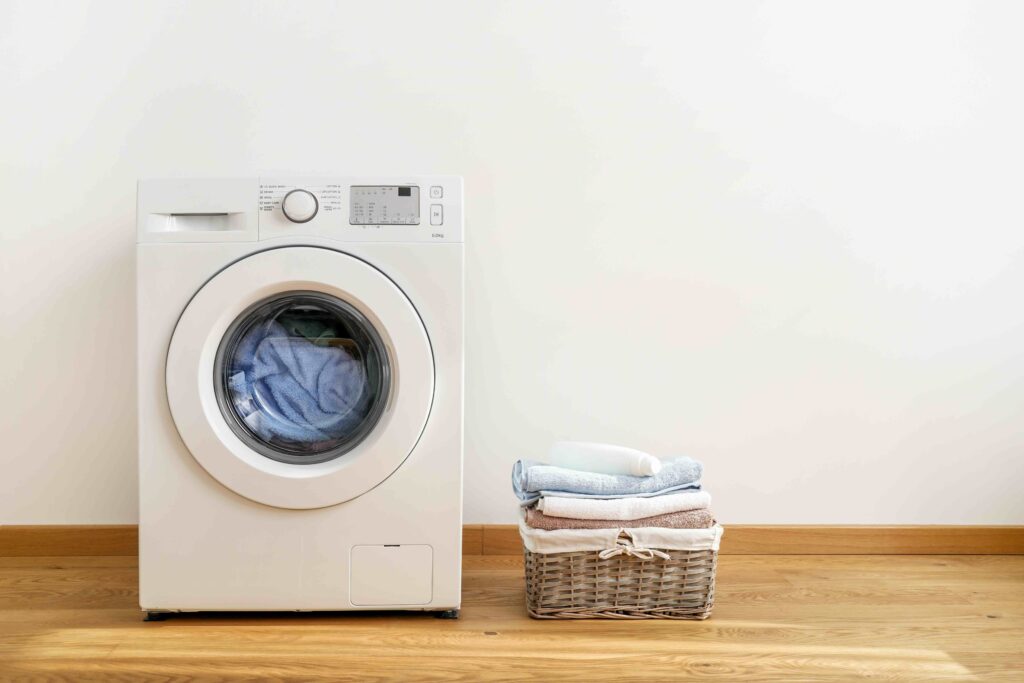
A washing machine drain pan, also referred to simply as a washer tray, is a shallow, durable pan installed beneath a washing machine. Typically made of plastic or metal, it’s designed to catch leaking water from the washer due to overflow, pipe connection issues, or machine breakdowns. Most drain pans also come with a pre-cut hole for a drain pipe, connecting the pan to a household plumbing drain or floor drain system, creating an avenue for water to safely exit rather than puddle on the floor.
These pans are especially important in homes where the laundry room is located on second floors or above finished areas. A single leak can lead to thousands of dollars in repair costs, none of which are welcome surprises in a month already full of budgeted expenses. The good news? This solution is both preventative and straightforward—exactly what proactive homeowners should prioritize.
How Does a Washing Machine Drain Pan Work?
The design of a washing machine tray is simple yet effective. Once installed beneath the washing machine, the drain pan collects any water that escapes due to leaks or sudden bursts. The pan’s slightly raised edges trap the water within. For added protection, the drain hole at the base of the pan is plumbed into an existing drainpipe. If a substantial spill occurs, this feature gives the water a controlled exit path, allowing for minimal (if any) floor contact.
This setup is not a reactive solution; it’s a preventive reinforcer of peace of mind. Even slow leaks, which may go unnoticed for weeks without a pan, are caught early, giving the homeowner an opportunity to take corrective action before structural repairs become necessary. Think of the pan and its draining function as a failsafe—quietly doing its job every wash cycle without needing attention.
Key Benefits of Installing a Washer Drain Pan
The primary benefit, of course, is water damage prevention. But beyond that central point, homeowners gain a series of more subtle advantages as well. Drain pans can extend the life of nearby materials by protecting cabinetry, subfloors, and finishings from mold and rot. For upstairs laundry rooms, they help protect lower-level ceilings and light fixtures, which are both costly and disruptive to repair. Even if your washer is located in a basement or garage, a drain pan can still safeguard the foundation from persistent pooling, corrosion, or mold growth over time.
Another quiet benefit is the visibility they provide. When a small amount of water gathers in the pan, it can be an early warning sign of a developing issue—an improperly fitted hose, a compromised internal valve—which may otherwise go unnoticed. This can save you from replacing a washing machine long before its time or discovering a late-stage plumbing malfunction weeks too late.
Common Drawbacks and What to Watch Out For
Despite its clear advantages, a washer drain pan isn’t without limitations. One of the most critical is capacity. These pans are shallow by design, which means they can only handle limited volumes of water. In the case of a full-blown flood event, a pan may slow down the damage but won’t eliminate it entirely. That’s why it should be seen as one part of a broader laundry room safety strategy, particularly in combination with automatic shutoff valves and floor drains.
Another common issue comes down to installation. Installing a drain pan under an existing washing machine can be physically challenging, especially when you’re dealing with tight spaces or uneven floors. It typically requires lifting the washer, positioning the pan appropriately, and making sure the drainage connection is tight and well-designed. Improper installation can create false security or make it impossible for the tool to drain as intended.
Tips for Choosing the Right Washing Machine Tray at Lowe’s or Similar Retailers
When shopping for a washing machine drain pan, size accuracy matters. Measure the footprint of your washer carefully and ensure the pan provides full coverage—both length and width—while still allowing modest clearance for movement. Material choice is also important. Plastic pans are lightweight and corrosion-resistant but may be less durable in extreme temperatures or weight loads. Metal pans offer better longevity in high-use households, though they may rust over decades depending on humidity conditions and any protective coatings.
If you’re purchasing a washer tray at Lowe’s or another similar supplier, look for models that include a predrilled drain hole with a compatible adapter kit. This simplifies the installation process and ensures the system is drainage-ready. Some high-end options even include sensors that can alert homeowners of water detection, an increasingly useful feature for smart home integrations and busy homeowners juggling multiple responsibilities.
Is a Drain Pan Required by Code?
In many jurisdictions, building codes require washing machine drain pans for second-floor or above-grade laundry installations. However, even if local code doesn’t mandate their use, it’s prudent to consider installing one. Insurance providers often inquire about preventive measures like this during policy initiation or renewal, and coverage may be impacted in the event of a claim involving a leak. In the home warranty industry, drain pans are seen as a valuable line of early defense that supports longer appliance lifespan and safer homes.
Some building inspectors will flag the absence of a drain pan during resale inspections, particularly in locations where drainage concerns are significant. So even if your current washer setup doesn’t include a pan, retrofitting one could increase the long-term value and appeal of your property. It’s a low-cost investment that impacts peace of mind as much as resale potential down the line.
How Home Warranty Providers View Washer Drain Pans
In the home warranty industry, every safeguard counts. Systems that reduce long-term cost exposure are rewarded, both in terms of service eligibility and the longevity of appliance investments. Drain pans directly reduce the probability of claimable water damage from washing machines, and warranty providers often flag properties with poor water mitigation setups. While a tray doesn’t guarantee full protection in the event of catastrophic appliance failure, it plays an important role in managing localized leaks and preventing multipoint system failures.
Put another way—if you have a warranty and don’t have a drain pan in an upstairs laundry room, your provider may take extra steps to evaluate the risk. If you opt into a home protection plan, they may even suggest or require its addition. It’s not just about the short-term fix; it’s about layering your defenses efficiently to prevent costly long-term disruptions across plumbing, home finishes, and HVAC systems.
Why Armadillo Makes Protection Smarter (and Simpler)
Installing a washing machine drain pan is one small step toward smarter homeownership, but having the right home warranty protection amplifies its value. At Armadillo, we recognize how these everyday decisions add up. We understand what puts your home systems at risk—and what gives you an edge in maintaining a resilient, cost-efficient household. Backed by data, backed by experience, backed by humans—we protect everything from the appliance itself to the floors it sits on.
Explore a tailor-fit plan at www.armadillo.one. Ready to protect your laundry room the smart way? Start building your customized protection by visiting our plan builder right now.