When Your Washing Machine Holds Water: What It Means and What to Do
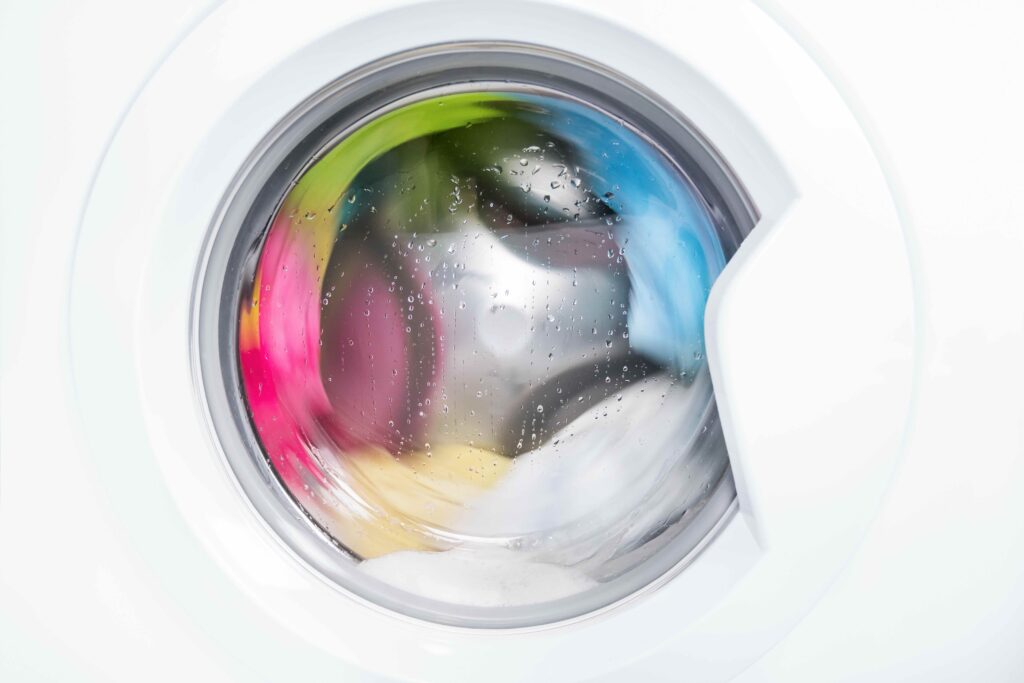
You move a load from the washer to the dryer, glance back, and notice the drum is still sitting in a pool of water. That sinking feeling is familiar to a lot of homeowners, and it usually means something in the drainage system has gone wrong. A washing machine holding water is one of those problems that ranges from a two-minute fix to a repair that costs several hundred dollars — and knowing the difference matters. This guide walks through how your washing machine actually drains, what can go wrong, and why having the right protection in place can save you from an expensive surprise.
How a Washing Machine Drains: The Basics
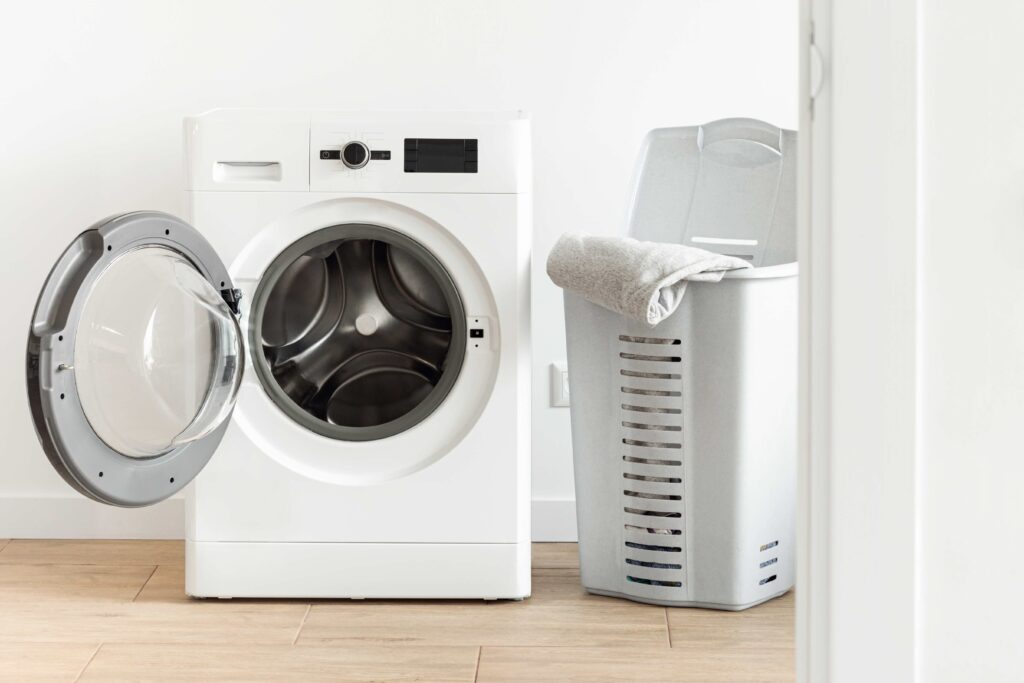
Most people load their laundry, press start, and never think twice about what happens behind the scenes. The drainage system in a washing machine is actually a coordinated sequence of parts working together. After the wash and rinse cycles complete, a drain pump activates and forces water out of the drum, through a drain hose, and into either a standpipe or a utility sink. The pump is controlled by a lid switch or door latch — a safety mechanism that stops the machine from operating when open. A pressure switch monitors water levels in the drum and signals when it is time to drain. When everything is functioning the way it should, this entire process takes only a few minutes. When one component fails, water stays right where it is.
Common Reasons a Washing Machine Holds Water
There is rarely just one answer to why water is not draining, which is part of what makes this issue tricky to diagnose without some investigation. The most frequent causes include a clogged drain pump filter, a kinked or blocked drain hose, a failing drain pump motor, or a faulty lid switch that prevents the machine from advancing to the drain cycle. Front-load washers also have a small access panel at the bottom front of the machine where a coin trap or debris filter sits — and that filter catches everything from loose change to forgotten tissues. If it has never been cleaned, it can get packed enough to stop drainage almost entirely. On top-load machines, the problem sometimes traces back to the lid switch assembly, which can crack or lose contact over time and fool the machine into thinking the lid is open even when it is not.
How to Check the Easy Fixes First
- Inspect the drain hose at the back of the machine for visible kinks, bends, or blockages near the connection point
- Check that the standpipe or utility sink where the hose drains is not itself clogged or overflowing
- Locate and clean the coin trap or pump filter, usually accessible behind a small panel near the floor of front-load machines
- Run a spin-only cycle and listen for the drain pump — if you hear nothing at all, the pump motor may not be engaging
- Verify the lid switch clicks when you press it manually on a top-load machine; no click often indicates a failed switch
These preliminary checks take maybe fifteen minutes and can sometimes resolve the issue without calling anyone. That said, if the pump is running loudly, humming without draining, or the drum fills but never empties regardless of the cycle, it is a strong signal that a component has failed and needs hands-on repair.

The Drain Pump: The Most Likely Culprit
If the simple checks did not reveal the problem, the drain pump is usually next on the list. The pump sits near the bottom of the machine and uses an impeller to force water through the hose and out of the unit. Over time, the pump motor can wear out, the impeller can break, or a small object — a sock, a hairpin, a piece of gravel — can get lodged in the pump housing and stop the impeller from spinning. Replacing a drain pump is a moderate repair. Parts typically cost between forty and one hundred twenty dollars depending on the brand, and labor adds to that if a technician is needed. It is one of the more common washing machine repairs and generally worth fixing on a machine that is otherwise in good condition.
When the Lid Switch or Door Latch Is the Problem
This one catches homeowners off guard because the machine may appear to start normally, agitate just fine, and then simply stop before draining. The lid switch on a top-load washer serves as a signal to the control board that it is safe to proceed. If the switch is damaged or the actuator tab that presses it breaks off, the machine may stop mid-cycle and leave water sitting in the drum. Door latches on front-load washers serve the same purpose and can fail in similar ways. Replacement switches and latches are typically inexpensive — often under fifty dollars — but accessing them requires removing panels and disconnecting wiring, which is not always a comfortable task for every homeowner.
Potential Water Damage Risks You Should Not Ignore
A washing machine that holds water is not just an inconvenience. If a blocked pump eventually leads to an overflow, or if a deteriorating drain hose fails entirely during a cycle, water can escape onto flooring, seep under cabinetry, and cause damage that extends well beyond the appliance itself. Laundry rooms are often located near finished living spaces, and water intrusion in those areas can create mold conditions quickly. That is why addressing a drainage issue promptly matters — not just for the machine, but for the home around it.
Front-Load vs. Top-Load: Does the Type Matter?
The drainage mechanics across both types are similar, but front-load washers tend to have more drainage-related maintenance requirements. The coin trap and door gasket on a front-loader need periodic attention to prevent debris buildup and mold growth that can contribute to drainage problems. Top-load washers are generally simpler in their design, which sometimes makes certain repairs more accessible. Neither machine type is immune to drainage failures, but front-loaders tend to show these issues more frequently simply because of the way the drum and pump are oriented relative to gravity.
Maintenance Habits That Help Prevent Drainage Problems
- Clean the pump filter or coin trap every one to three months, especially in households that do laundry frequently
- Run a cleaning cycle monthly using a washing machine cleaner or a cup of white vinegar to break down residue buildup
- Check the drain hose annually for soft spots, cracks, or loose connections at both the machine and standpipe ends
- Avoid overloading the drum, which increases strain on the pump and can accelerate wear
- Leave the door or lid open between cycles to reduce moisture buildup that can clog internal components over time
These habits take minimal effort but can meaningfully extend the working life of the machine and reduce the likelihood of a mid-cycle drainage failure catching you off guard.
Why a Home Warranty Makes Sense for Washing Machine Repairs
Drain pump replacements, lid switch repairs, and control board failures are not cheap — and they rarely happen at a convenient time. A home warranty plan that covers major appliances is designed to absorb exactly these kinds of costs. With Armadillo’s home warranty coverage for washers and household appliances, homeowners have a straightforward path to repair without having to research technicians, negotiate pricing, or pay out of pocket for parts and labor. When your washing machine holds water and the culprit turns out to be a failed drain pump, the difference between having coverage and not having it can easily be two hundred dollars or more. Get a free washing machine home warranty quote from Armadillo and find out how affordable it is to keep your appliances protected before the next unexpected breakdown. Peace of mind, in this case, is genuinely worth the conversation.

Frequently Asked Questions About Washing Machines Holding Water
Answers to the questions homeowners ask most often when their washing machine will not drain properly.
Why is my washing machine not draining at the end of the cycle?
The most common causes are a clogged pump filter, a blocked or kinked drain hose, a failed drain pump motor, or a faulty lid switch that prevents the machine from completing the cycle. Start with the filter and hose before assuming a major component has failed.
Can I use my washing machine if it is not draining properly?
It is not recommended. Using the machine while a drainage issue exists can worsen the underlying problem, put added strain on the pump, and risk overflow or water damage to your flooring and surrounding areas.
How do I manually drain a washing machine that is full of water?
Place a shallow pan near the front of the machine, then open the small access panel and slowly unscrew the drain filter cap to allow water to flow out. On machines without a filter panel, you can disconnect the drain hose from the standpipe and lower it into a bucket to siphon the water out.
How much does it cost to repair a washing machine that holds water?
Costs vary depending on the cause. A drain pump filter cleaning may cost nothing if you do it yourself. A new drain pump part typically runs between forty and one hundred twenty dollars, with labor adding fifty to one hundred fifty dollars more if a technician is required.
How long does a washing machine drain pump last?
Most drain pumps last between eight and twelve years under normal use. Frequent overloading, running the machine with foreign objects in pockets, and skipping routine filter maintenance can shorten that lifespan considerably.
Is a washing machine that holds water covered by a home warranty?
Many home warranty plans that cover appliances will cover internal components like the drain pump, lid switch, and motor when they fail due to normal wear and tear. Review your specific plan details to confirm what is included.
What is the coin trap on a washing machine and where is it?
The coin trap, also called the pump filter, is a small debris-catching compartment that prevents objects like coins, lint, and small garments from reaching and jamming the drain pump. On front-load washers, it is typically found behind a small rectangular panel at the base of the machine.
Can a clogged drain hose cause the washing machine to hold water?
Yes. If the drain hose is kinked, clogged with lint buildup, or improperly positioned too far down into the standpipe, it can create a siphoning issue or a full blockage that prevents water from exiting the drum.
Why does my washing machine fill with water but not drain or spin?
This pattern often points to a failed lid switch or door latch that is telling the control board the machine is unsafe to advance. It can also indicate a control board issue or a failed drain pump that activates but cannot move water through a blockage.
How do I know if my washing machine drain pump needs to be replaced?
Signs include a loud humming or grinding noise during the drain cycle, water sitting in the drum after the cycle ends, the machine stopping mid-cycle without advancing, or no sound at all from the pump when the drain cycle should be running.