When Your Washing Machine Stops Mid-Cycle Full of Water
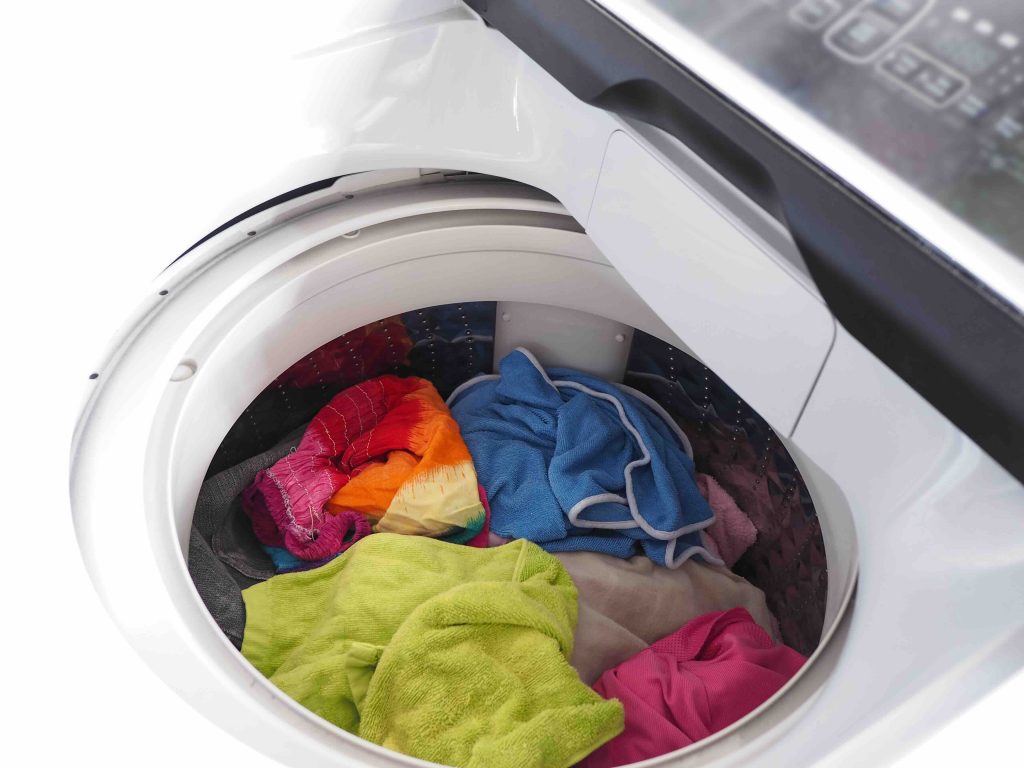
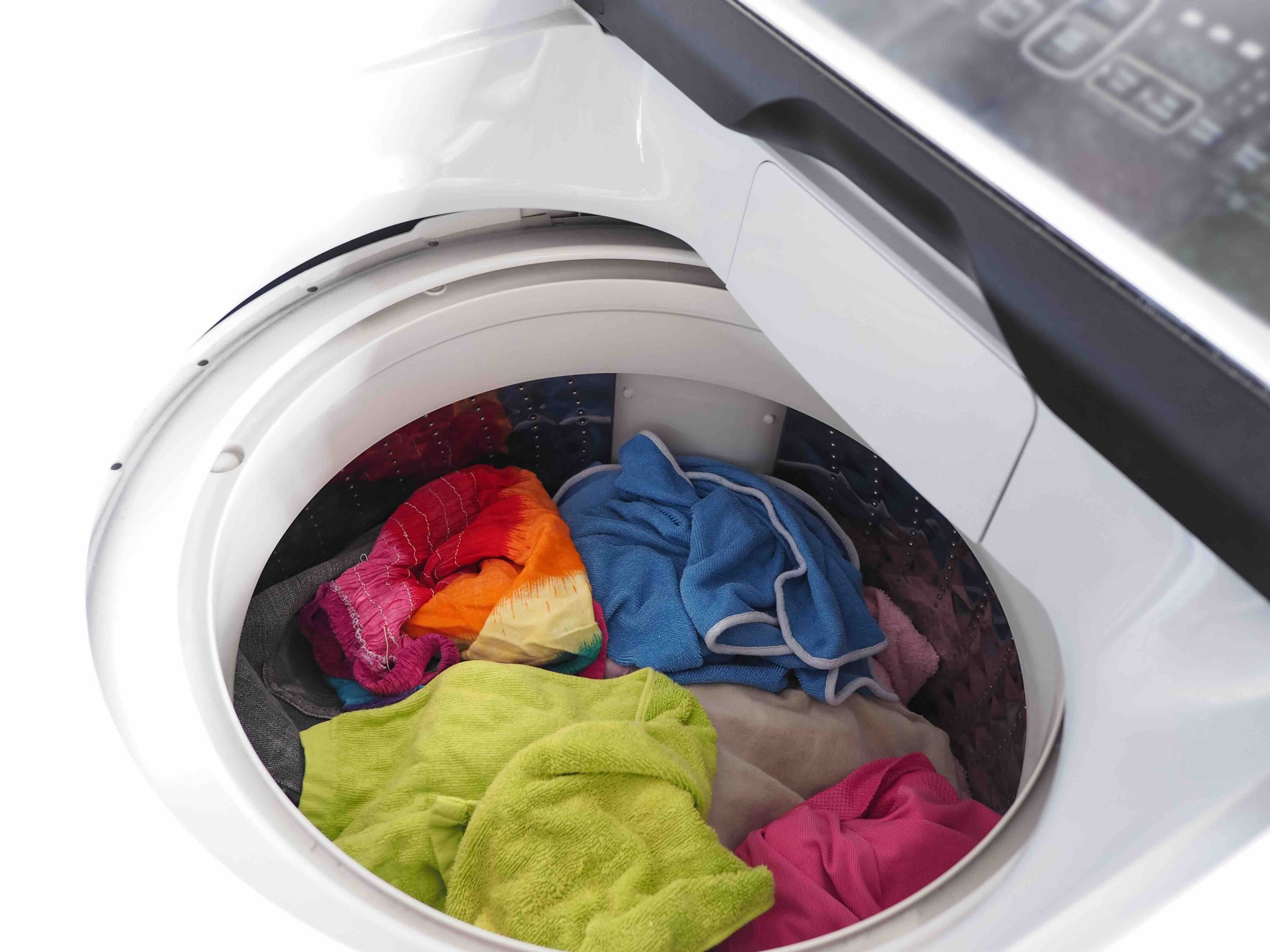
There are few household moments more frustrating than walking into the laundry room and finding a washing machine full of standing water that has absolutely no intention of going anywhere. The cycle stopped, the drum is sitting there soaked, and now you are staring at a machine that looks perfectly fine but is doing absolutely nothing useful. It happens more often than people expect, and the causes range from something minor to something that requires a professional repair. Understanding what is happening inside that appliance, and knowing whether your home warranty actually covers it, can save a significant amount of stress and money.
Why Washing Machines Stop With Water Inside
A washing machine that stops working mid-cycle and retains water is almost always pointing to a drainage or mechanical failure. The machine cannot move forward in its cycle because it cannot complete the drain phase. The most common culprits include a clogged drain pump filter, a kinked or obstructed drain hose, a failed lid switch or door latch sensor, a broken drive belt, a malfunctioning control board, or a pump motor that has simply given out. On front-load machines, door latch failures are especially common because the machine will not spin or drain if it cannot confirm the door is properly secured. On top-load models, the lid switch does the same job. Any one of these failures can halt the entire process and leave you with a drum full of cold, sudsy water.
Understanding the Grounded Washing Machine Problem
When a technician says a washing machine is grounded, it does not mean what it sounds like. In appliance repair terminology, a grounded machine typically refers to an electrical fault where a live wire has made contact with the machine’s metal chassis, creating a potentially dangerous short circuit. This can trip the breaker, cause the machine to stop suddenly, or in some cases create a shock hazard. A grounded washing machine is not a problem you troubleshoot yourself. It requires a qualified technician to inspect the wiring harness, motor connections, and internal components to identify where the fault originated. Left unaddressed, an electrical grounding issue in a washing machine can pose a genuine safety risk to the household.

What Homeowners Should Do Immediately
The first priority is removing the standing water from the drum before it sits long enough to cause secondary issues like mildew buildup or odor. Most washing machines have a small drain hose near the bottom front panel, behind a removable access panel. Placing a shallow tray or towels underneath and opening that hose manually can drain the drum without needing to run a cycle. From there, a few basic checks are worth attempting before calling for service.
- Check whether the drain hose is kinked, pinched, or blocked behind the machine
- Inspect the coin trap or pump filter for debris, coins, or lint buildup
- Confirm the machine is receiving power and that the breaker has not tripped
- Look for any error codes displayed on the control panel and reference the owner’s manual
- Verify the lid or door is latching completely and that the sensor is not visibly damaged
If none of those checks reveal an obvious fix, or if there is any sign of an electrical issue, stop there and contact a repair technician. Attempting to diagnose electrical faults without proper training is not worth the risk.
How Home Warranties Apply to Washing Machine Failures
This is where things get genuinely useful for homeowners. A home warranty is a service contract that covers the repair or replacement of major home systems and appliances when they fail due to normal wear and tear. Most quality home warranty plans include washer and dryer coverage as a standard or optional add-on. When your washing machine stops working, you file a claim, pay a service fee, and a licensed technician comes out to diagnose and repair the unit. If the machine cannot be repaired, many plans will cover a replacement up to a stated dollar limit. The key phrase to understand is normal wear and tear. Home warranties are designed for mechanical and electrical failures that happen over time through regular use, not for damage caused by accidents, misuse, or pre-existing conditions.
What Home Warranties Typically Cover on a Washing Machine
Coverage details vary between providers, but most comprehensive home warranty plans will cover the following components on a washing machine when they fail mechanically or electrically.
- Drive motor and motor components
- Pump and pump motor
- Transmission and transmission components
- Water inlet valve
- Timer and cycle selector switches
- Lid and door switches
- Internal wiring and electrical connections
- Control board failures
A grounded washing machine with an internal wiring fault would generally fall within covered territory, assuming the failure developed through regular use and was not the result of an external power surge or physical damage. Always read the specific terms of your plan to confirm what is and is not included.
Common Exclusions Homeowners Should Know
Home warranties are valuable, but they do not cover everything, and understanding the exclusions before you need to file a claim is important. Most plans will not cover cosmetic damage, damage caused by improper installation, failures that existed before the policy began, or damage resulting from misuse or neglect. Some plans also exclude damage caused by power surges, which is relevant if your washing machine grounded out due to a voltage spike rather than internal component failure. It is also worth noting that many warranties require the appliance to have been properly maintained. A machine that stopped working because the drain pump filter was never cleaned in eight years may face scrutiny during the claims process, even if the ultimate failure was mechanical.
The Real Value of Coverage for Appliance Breakdowns
Washing machine repairs are not cheap. A pump motor replacement typically runs between $150 and $350 in parts and labor. A failed control board can cost $200 to $500 depending on the machine. If the machine needs to be replaced entirely, a mid-range washing machine costs anywhere from $600 to $1,200 or more. Against those numbers, a home warranty that covers appliances starts to look like a very reasonable annual investment. The peace of mind factor is real too. Knowing that an unexpected appliance failure will not result in a large out-of-pocket expense changes how stressful those laundry room moments actually feel.
Why Armadillo Is Worth Considering for Washing Machine Coverage
When you are dealing with a washing machine that stopped working mid-cycle and is sitting full of water, the last thing you want is to call a home warranty company and spend forty minutes on hold trying to figure out if you are even covered. Armadillo was built with exactly that frustration in mind. As a home warranty provider built for straightforward appliance and system protection, Armadillo keeps the process simple, transparent, and genuinely helpful. No confusing exclusion lists buried in fine print, no runaround when you need a repair. If you want to know exactly what your washing machine coverage would look like before committing to anything, you can get a free home warranty quote for washing machine and appliance coverage in just a few minutes. It is the kind of coverage that makes sense to have before the next mid-cycle surprise.

Frequently Asked Questions About Washing Machines, Electrical Faults, and Home Warranties
These are the questions homeowners ask most often when their washing machine stops working and they are trying to figure out what happens next.
Why did my washing machine stop mid-cycle and fill with water?
This typically indicates a drainage failure caused by a clogged pump filter, blocked drain hose, failed lid or door switch, or a broken pump motor. The machine cannot advance past the drain phase, so it stops and retains the water in the drum.
Is a grounded washing machine dangerous?
Yes, it can be. A grounded appliance means a live electrical current is contacting the metal chassis of the machine, which creates a shock hazard. Do not attempt to use or repair a grounded washing machine without a qualified technician inspecting it first.
Does a home warranty cover a washing machine that stopped working?
Most home warranty plans that include appliance coverage will cover a washing machine that fails due to normal wear and tear. This includes mechanical failures like a broken pump or motor as well as electrical failures such as internal wiring faults or a failed control board.
What does a home warranty not cover on a washing machine?
Standard exclusions include cosmetic damage, pre-existing conditions, improper installation, damage from external power surges, and failures resulting from neglect or misuse. Always review your policy terms before assuming a repair will be covered.
How do I drain a washing machine that stopped mid-cycle?
Most washing machines have a small access panel near the bottom front. Behind it, you will typically find a drain hose and a coin trap or pump filter. Place towels or a shallow container underneath, then carefully open the drain hose to release the water manually.
How much does it cost to repair a washing machine that will not drain?
Repair costs depend on the specific failure. A pump replacement typically runs between $150 and $350. A control board failure can cost $200 to $500 or more. If the machine is older, a technician may recommend replacement rather than repair if costs approach the machine’s current value.
Will my home warranty cover a washing machine with an electrical grounding issue?
In most cases, yes, if the grounding fault developed through normal use and internal component wear. However, if the fault was caused by an external power surge or physical damage, many plans will exclude that specific failure. Review your plan’s electrical coverage terms carefully.
How do I file a home warranty claim for a broken washing machine?
Contact your home warranty provider through their claims portal, app, or phone line. Describe the failure, pay the service call fee, and a technician will be dispatched to diagnose and repair the unit. Approval timelines vary by provider, so choosing a responsive company matters.
Can I prevent my washing machine from stopping mid-cycle?
Routine maintenance helps significantly. Clean the pump filter every few months, avoid overloading the drum, use the correct type and amount of detergent, and inspect the drain hose periodically for kinks or blockages. These simple habits extend the machine’s lifespan considerably.
Is it worth getting a home warranty just for appliance coverage?
For most homeowners, yes. Appliance repair and replacement costs add up quickly, and a single covered claim can exceed the annual cost of the warranty itself. If your home has multiple aging appliances, comprehensive appliance coverage becomes an even more practical investment.