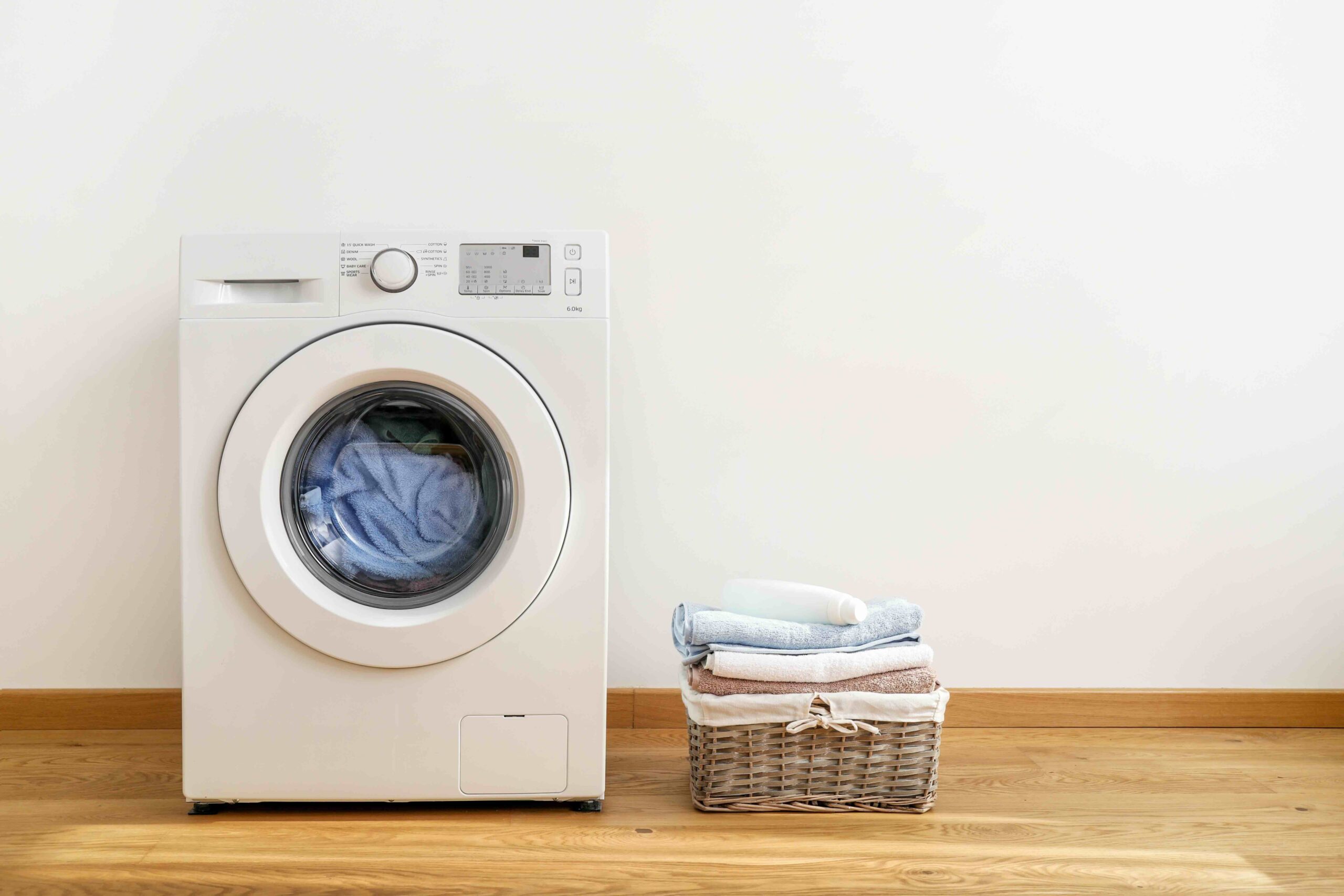
What Is a Washing Machine Tray and Why Does Every Laundry Room Need One
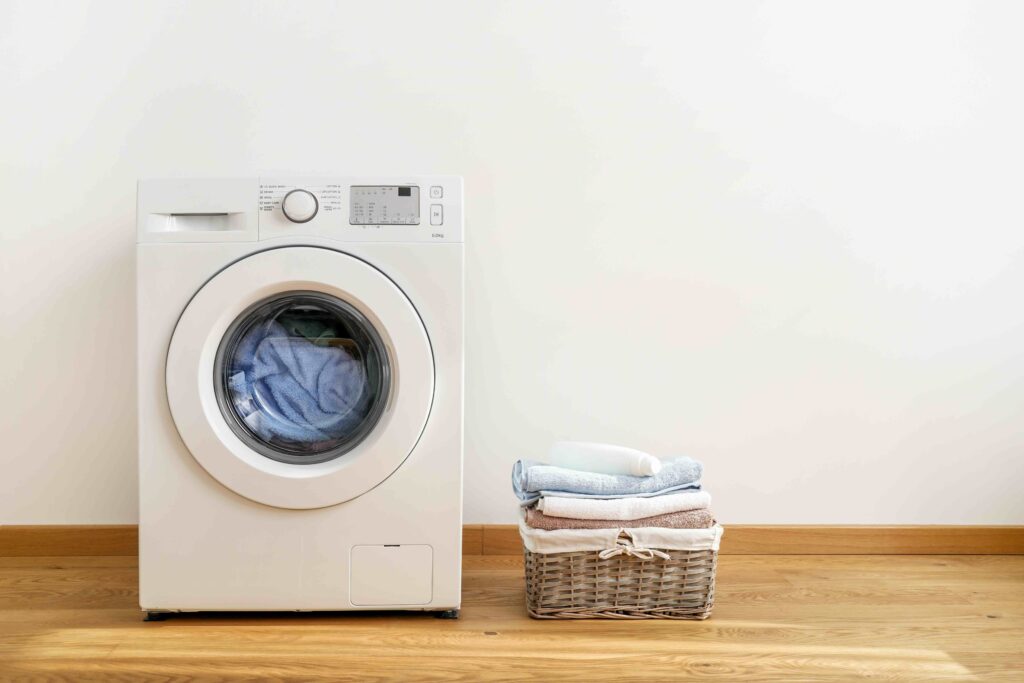
If you have ever walked into your laundry room and found a puddle of water spreading across the floor, you already understand the value of a washing machine tray — even if you did not know it by name. A washing machine tray, sometimes called a washer drain pan or overflow pan, is a shallow basin that sits directly beneath your washing machine. Its entire job is to catch water before it reaches your flooring, your subfloor, and potentially the rooms or ceilings below. It is one of those simple, unglamorous home additions that you do not think about until the day you desperately wish you had installed one. Retailers like Lowe’s carry a wide selection of these trays, and for good reason — they are practical, affordable, and genuinely protective. This article breaks down everything a homeowner needs to know about washing machine trays, from how they work to what a home warranty can do when the real damage happens anyway.
How a Washing Machine Tray Actually Works
The mechanics here are refreshingly simple. The tray slides under your washing machine — front-loaders, top-loaders, and stackable units all have compatible tray options — and creates a contained catchment zone around the appliance’s base. Most trays include a drain port on the side or back that can connect to a drain hose, routing overflow water directly into a standpipe or floor drain rather than letting it pool. When a supply hose bursts, a seal fails, or the machine overflows during a cycle, the tray intercepts that water before it has any chance of soaking into the floor. At Lowe’s, you will find trays in metal, heavy-duty plastic, and reinforced polymer options. Sizes generally range from 27 inches to 34 inches wide to accommodate most standard washer dimensions. Some are designed for pedestals, and others work directly on the floor. The installation is typically straightforward enough to be a weekend DIY project, though plumbing the drain connection may warrant a professional depending on your laundry room’s existing setup.
The Key Advantages of Installing a Washing Machine Tray
There are several concrete reasons why installing one of these trays makes practical and financial sense for most homeowners. The upfront cost at Lowe’s typically falls between fifteen and sixty dollars depending on material and size — which is nothing compared to water damage remediation costs that can easily reach into the thousands. Beyond basic protection, here is what a washing machine tray brings to the table:
- Prevents costly water damage to hardwood floors, tile, laminate, and subfloor materials
- Protects ceilings and structures in multi-story homes when the laundry room is on an upper floor
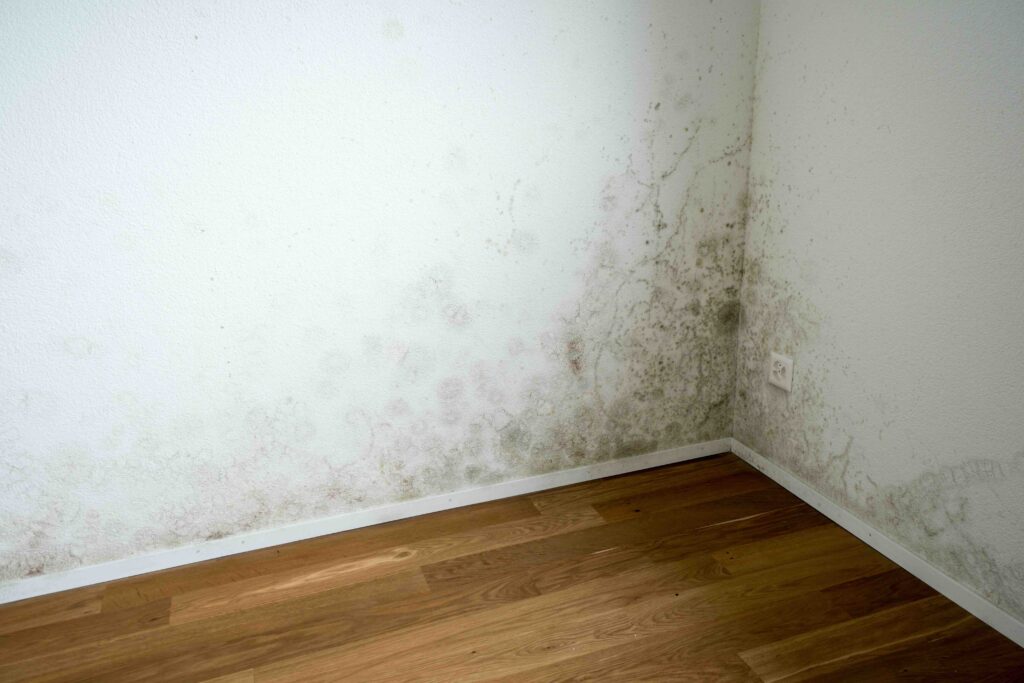
- Reduces the risk of mold and mildew growth from slow, undetected leaks
- May be required by local building codes in certain jurisdictions, particularly in second-floor laundry installations
- Adds a layer of protection that could support or simplify an insurance or home warranty claim
These are not minor perks. Water damage is consistently one of the most expensive home repair categories, and the washing machine is one of the more common culprits. A forty-dollar tray from Lowe’s is genuinely one of the best investments per square foot in home protection.
Common Drawbacks and Limitations to Know
A washing machine tray is not a perfect solution, and being honest about its limitations matters. First, most standard trays are shallow — typically around two to three inches deep — which means a catastrophic hose failure or major overflow can exceed the tray’s capacity relatively quickly. If the tray’s drain port is not connected to an actual drain line, you are still left with standing water that needs to go somewhere. Second, trays do not protect against every type of water-related failure. Internal component leaks, pump failures, or drum issues that result in water escaping in unexpected directions may not be captured by the tray at all. Third, installation requires moving your washing machine, which is heavy and awkward — not always practical for a solo homeowner. Finally, some homeowners mistakenly treat the tray as a substitute for regular appliance maintenance, which it absolutely is not. A tray catches water after something has already gone wrong. Preventing the failure in the first place is always the better path.

Choosing the Right Washing Machine Tray at Lowe’s
Walking into a Lowe’s plumbing or laundry section can be mildly overwhelming, so knowing what to look for before you arrive saves time. Start with your washing machine’s dimensions — specifically the width and depth of the unit’s base. You want a tray that extends at least one inch beyond the machine’s footprint on all sides. Material choice matters more than people expect. Plastic trays are lightweight and easy to install, but they can crack over time under the sustained weight of a heavy washer. Metal or stainless steel trays are more durable and better suited for large capacity front-loaders. Also look at whether the tray has a pre-drilled drain port and what diameter it accommodates, since that will affect how easily you can connect a drain hose. If your laundry room already has a floor drain nearby, connecting the tray to it is a wise move. Lowe’s staff in the plumbing department can typically help confirm compatibility if you bring your machine’s model number.
Installation Tips for a Smooth Setup
Getting the tray in place requires a bit of preparation. You will need to disconnect the washer from water supply lines and power before moving it. Having a second person help you slide or tilt the machine is strongly recommended given the weight involved. Once the tray is positioned, set the machine back into the center of the pan, making sure all four feet are stable and level. An unlevel machine vibrates more during spin cycles and is harder on internal components over time, so take a few minutes with a level tool before reconnecting. If you are connecting a drain hose from the tray, make sure the hose routes downward without kinks and terminates into an appropriate drain point. Test the setup by running a short wash cycle and checking for any movement in the machine or signs of vibration shifting the unit off-center in the tray.
Maintenance Practices That Extend Your Washer’s Life
The tray is doing its job in the background, but the goal is really to keep your washing machine running without incident for as long as possible. A few consistent habits go a long way:
- Inspect water supply hoses every six to twelve months for bulging, cracking, or mineral buildup near the connectors
- Replace standard rubber hoses with braided stainless steel hoses, which are significantly more burst-resistant
- Clean the tray periodically to remove lint, detergent residue, and debris that can clog the drain port
- Run a monthly maintenance cycle with a washing machine cleaner to prevent buildup that strains internal components
- Avoid overloading the drum, which accelerates bearing and seal wear over time
These habits work in concert with the tray. One protects your floor in the event of a failure; the others reduce the likelihood of that failure happening at all.
When Tray Protection Is Not Enough — Understanding Appliance Failures
Even the best-maintained washing machine will eventually encounter a mechanical failure that goes beyond what a drain pan can address. Internal pump failures, motor breakdowns, control board malfunctions, and drum bearing issues are all real, expensive problems that have nothing to do with water overflow and everything to do with the machine simply wearing out. These are the moments when a home warranty becomes genuinely valuable. While a washing machine tray handles the physical consequence of water escaping the machine, a home warranty handles the financial consequence of the machine needing major repair or replacement. The two forms of protection are entirely complementary — one addresses the structural risk, the other addresses the appliance repair cost. Understanding that distinction helps homeowners build a more complete picture of what it actually costs to own and protect a home over time.
Why Armadillo Is the Home Warranty Partner Your Laundry Room Deserves
A washing machine tray from Lowe’s is an excellent and inexpensive first line of defense for your laundry room floor. But when the pump gives out, the motor stops mid-cycle, or a component fails that a tray simply cannot help with, you need something more substantial in your corner. That is where Armadillo home warranty coverage for major appliances and home systems steps in. Armadillo was built specifically for homeowners who want straightforward, no-surprise coverage without the exhausting fine print that makes traditional warranty companies so frustrating to deal with. The appliance protections are real and practically designed, covering the kinds of mechanical and electrical failures that actually happen in a functioning household. Whether your washing machine needs a major repair or a full replacement, having Armadillo in place means you are not writing a check out of pocket at the worst possible moment. If you are setting up a new laundry space, updating your home’s protection after a purchase, or simply realizing you have been one hose burst away from a very bad day, now is the right time to get a free home warranty quote that covers your washing machine and more. The tray protects the floor. Armadillo protects everything else.

Frequently Asked Questions About Washing Machine Trays and Home Protection
Here are the most common questions homeowners ask when researching washing machine trays, appliance protection, and related home warranty coverage.
What size washing machine tray do I need?
Measure the width and depth of your washing machine’s base and choose a tray that extends at least one inch beyond those dimensions on all sides. Most standard washing machines fit a 27-inch or 30-inch tray, but front-loaders and high-capacity models may require up to 34 inches.
Does a washing machine tray require professional installation?
The tray itself does not require professional installation, but connecting the drain port to an existing standpipe or floor drain may benefit from a plumber’s help depending on your laundry room’s configuration. Moving the washing machine safely typically requires two people.
Are washing machine trays required by building code?
In many jurisdictions, washing machine trays are required by code when the laundry room is located on an upper floor or above finished living space. Requirements vary by region, so checking with your local building department or a licensed contractor is advisable.
Can a washing machine tray handle a burst hose?
A tray can catch initial overflow from a burst hose, but if the tray does not have a connected drain line and the burst is significant, the tray’s capacity may be exceeded quickly. Connecting the drain port to an active drain line provides much better protection in that scenario.
What is the best material for a washing machine tray?
Stainless steel and heavy-duty reinforced polymer trays offer the best durability under the weight of a full washing machine. Standard plastic trays are lightweight and affordable but can crack over time, particularly under high-capacity front-loaders.
Does a home warranty cover washing machine repairs?
Most home warranty plans that include appliance coverage will cover mechanical and electrical failures in washing machines, such as motor failure, pump failure, or control board issues. Coverage specifics vary by provider and plan, so reviewing your contract terms is important.
Does a home warranty cover water damage caused by a washing machine leak?
Home warranties typically cover the appliance repair itself but not the resulting water damage to floors or structures. Water damage from appliance failures is generally covered under homeowners insurance rather than a home warranty policy.
How often should I inspect my washing machine hoses?
Washing machine supply hoses should be inspected every six to twelve months. Look for cracks, bulging near connectors, mineral deposits, or any signs of moisture at the connection points. Braided stainless steel hoses are recommended over standard rubber hoses for improved durability.
Where can I buy a washing machine tray?
Washing machine trays are widely available at home improvement retailers such as Lowe’s, as well as appliance stores and online marketplaces. Lowe’s typically carries several size and material options in both the plumbing and laundry sections of the store.
Can I use a washing machine tray with a pedestal or riser?
Yes, there are washing machine trays specifically designed for use with pedestals and risers. It is important to confirm that the tray dimensions accommodate both the pedestal footprint and maintain the appropriate load-bearing capacity for the combined weight of the pedestal and the washer.