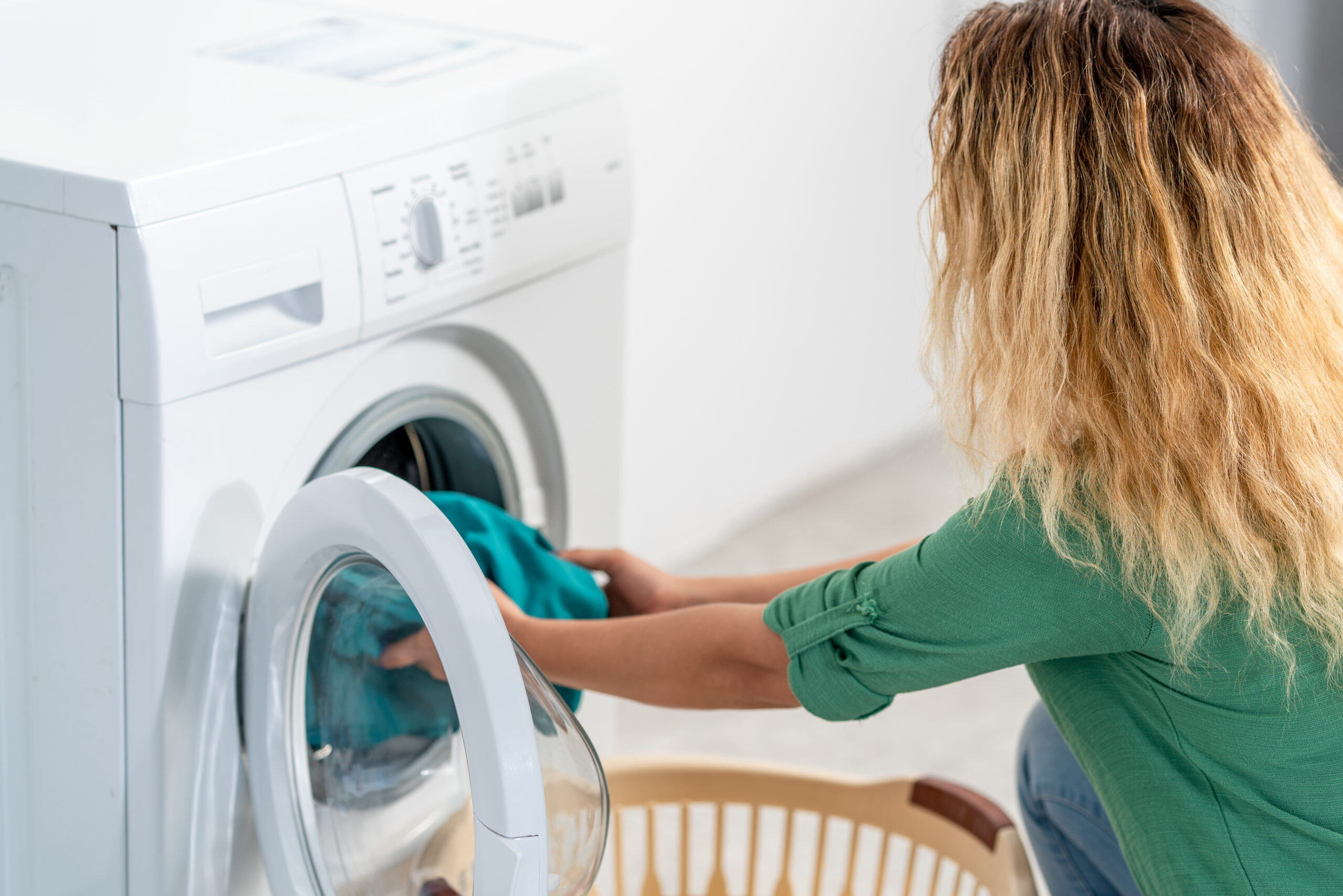
Why Your Washing Machine Won’t Spin Out Water — And What to Do About It
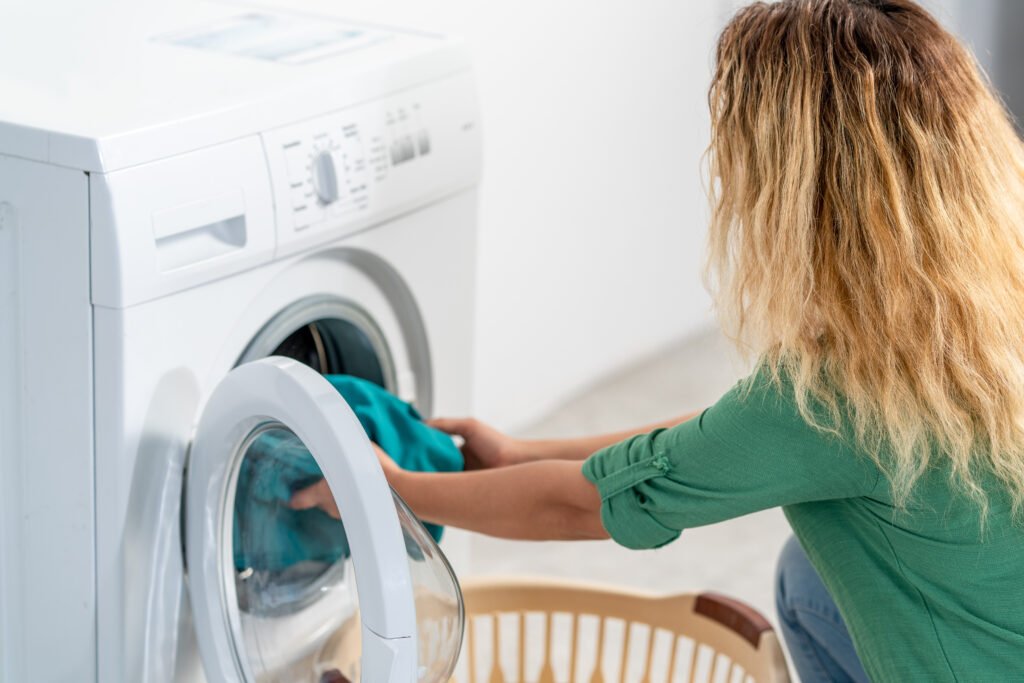
You pull open the washing machine lid expecting a load of damp but ready-to-dry laundry, and instead you find clothes sitting in a pool of water. It is frustrating, a little confusing, and honestly — kind of alarming if you have never dealt with it before. A washing machine that will not spin out water is one of the most common appliance complaints among homeowners, and the good news is that it is usually traceable to a specific cause. Understanding what is happening inside the machine, why it happens, and what your repair options look like can save you time, money, and a lot of unnecessary stress.
How the Spin Cycle Actually Works
Before troubleshooting anything, it helps to understand what the spin cycle is actually supposed to do. During the final stages of a wash cycle, the drum rotates at high speed — sometimes between 800 and 1,400 RPM depending on the machine — creating centrifugal force that pushes water out of the fabric and through the drum’s perforations. That water then exits through a drain pump and out through the drain hose. It is a coordinated process that involves the motor, the lid switch or door latch, the drain pump, the control board, and the drive belt or coupling. When any one of those components fails or underperforms, the whole spin process can stall or stop entirely.
Common Reasons a Washer Won’t Spin Out Water
There is rarely just one explanation for this problem, which is part of what makes it tricky to diagnose without some investigation. Several different failure points can produce the exact same symptom — water left sitting in the drum after the cycle ends.
- A clogged or faulty drain pump that cannot move water out of the machine fast enough
- A worn or broken drive belt that prevents the drum from spinning at the required speed
- A failed lid switch or door latch that tricks the machine into thinking it is open, halting the spin
- An unbalanced load that causes the machine to abort the spin cycle as a safety measure
- A blocked drain hose with a kink, clog, or improper installation height
- A malfunctioning control board that fails to send the correct signal to begin the spin sequence
- Motor issues, including worn carbon brushes on older machines
The drain pump and lid switch are statistically the most frequent culprits, particularly in machines that are three or more years old. If the washer is humming but not spinning, the pump is often where to start. If the machine goes completely silent during the spin phase, the lid switch is worth checking first.
The Unbalanced Load Problem — Easier Than You Think
Before assuming anything mechanical is broken, redistribute the laundry. Seriously — this solves the problem more often than people expect. Modern washers have sensors that detect imbalance during the spin cycle and will reduce speed or stop entirely to avoid damaging the machine or causing it to walk across the floor. Heavy items like jeans, towels, or blankets are especially prone to bunching on one side. Redistributing them evenly around the drum and running the spin cycle again is always the first step, and it costs nothing.
What Happens If the Drain Pump Is the Problem
A clogged drain pump is extremely common, particularly in households that wash items with loose debris — think pet bedding, work clothes, or anything with pockets that were not emptied. Small items like coins, hair ties, and even socks can lodge in the pump filter or impeller and restrict water flow significantly. Many front-load washers have an accessible pump filter behind a small panel near the base of the machine. Cleaning it out is a straightforward DIY task that takes about fifteen minutes. If the pump itself has failed mechanically, replacement parts are widely available, and the repair is mid-range in cost — typically between $150 and $350 with labor depending on your market and the machine brand.
Lid Switch and Door Latch Failures
This is one of those repairs that sounds minor but has a major functional impact. The lid switch on a top-loader — or the door latch assembly on a front-loader — sends a signal to the control board confirming the machine is properly closed before initiating the spin. If that signal is interrupted or absent, the machine simply will not spin. You can sometimes test this by listening for a click when you close the lid. No click often means the switch has worn out. Replacement switches are inexpensive, usually under $30 for the part, though the labor can add to that if you are not comfortable doing it yourself.
When It Is Time to Call a Professional
DIY troubleshooting has its limits. If you have checked the load balance, cleared the drain pump filter, confirmed the door latch is functioning, and the machine still will not complete a spin cycle, it is time to bring in a qualified appliance technician. Control board failures, motor issues, and transmission problems in older top-loaders require proper diagnostic tools and technical experience. Attempting these repairs without the right background can result in further damage — or a safety hazard. A professional diagnostic visit typically runs between $75 and $150 before any repair costs, which is worth it for accurate information before you decide whether to repair or replace.
Repair vs. Replace — Making the Smart Call
Here is where homeowners often get stuck. A repair estimate comes back higher than expected, and suddenly you are weighing whether to invest in a machine that is already several years old. A general rule used in the appliance industry is the 50 percent rule: if the repair cost exceeds 50 percent of the cost of a comparable new machine, replacement is usually the more financially sound decision. Washers typically have a useful life of 10 to 14 years. A five-year-old machine with a $200 repair is a reasonable investment. A twelve-year-old machine requiring a $600 motor replacement probably is not.
How a Home Warranty Can Protect You From Washer Repair Costs
Appliance repairs have a way of arriving at the worst possible times and without any budget consideration whatsoever. A home warranty plan designed to cover major appliances can absorb a significant portion of those unexpected costs, turning a stressful situation into a manageable service call. Armadillo offers home warranty coverage built specifically for homeowners who want real protection without the runaround. When your washer stops spinning out water and the fix requires a technician, having reliable home warranty coverage for washing machine repairs and appliance breakdowns already in place means you are not scrambling to cover the bill out of pocket. If you have been putting off getting a plan, now is a reasonable time to act — you can get a personalized home warranty quote that covers washer and appliance failures in just a few minutes. Armadillo keeps the process straightforward because that is exactly what homeowners deserve when something breaks.
Frequently Asked Questions
Why is my washing machine leaving clothes soaking wet after the cycle?
This typically means the spin cycle did not complete properly. Common causes include an unbalanced load, a clogged drain pump, a faulty lid switch, or a drainage issue preventing water from exiting the machine before the spin begins.
Can an unbalanced load really stop the spin cycle from completing?
Yes. Most modern washers have built-in sensors that detect load imbalance and will slow down or stop the spin cycle entirely to protect the machine from damage. Redistributing the laundry evenly and restarting the spin often resolves the issue immediately.
How do I know if my drain pump is clogged?
If the machine fills and agitates normally but water remains in the drum after the cycle, a clogged drain pump is a strong possibility. You may also hear a humming sound during the drain phase without any water movement. Check the pump filter first, which is usually accessible near the base of front-load machines.
Is a washing machine lid switch repair something a homeowner can do?
In many cases, yes. Lid switches on top-loading washers are relatively accessible and inexpensive to replace. However, if you are not comfortable working with electrical components or disassembling appliance panels, hiring a technician is the safer and more reliable option.
How long does a washing machine typically last?
Most washing machines have a functional lifespan of 10 to 14 years with regular use and basic maintenance. Front-loaders and high-efficiency top-loaders may experience more electronic issues over time, while traditional top-loaders with simpler mechanics tend to be more durable over the long term.
Does a home warranty cover washing machine repairs?
Many home warranty plans include coverage for major appliances like washing machines, provided the breakdown is due to normal wear and tear rather than misuse or pre-existing conditions. Coverage details vary by provider and plan, so reviewing your contract terms carefully is essential.
What is the average cost to repair a washing machine that won’t spin?
Repair costs vary based on the specific component that has failed. Drain pump replacements typically range from $150 to $350 with labor. Lid switch repairs are usually under $150 total. Motor or control board replacements can run $300 to $600 or more depending on the machine brand and local labor rates.
Should I repair or replace a washing machine that is over ten years old?
Apply the 50 percent rule: if the repair cost exceeds half the price of a comparable new machine, replacement is generally the better financial decision. Age alone is not disqualifying, but older machines are more likely to experience additional failures after one repair, making continued investment less predictable.
Can a blocked drain hose cause the washer to stop spinning?
Yes. If the drain hose is kinked, clogged, or installed at the wrong height, water cannot exit the machine efficiently. When the machine cannot drain, it typically will not advance to the high-speed spin phase. Inspecting and repositioning the drain hose is a simple first step in troubleshooting.
What should I do first when my washer stops spinning out water?
Start with the simplest possibilities before assuming a mechanical failure. Redistribute the load, check that the lid or door is fully latched, inspect the drain hose for kinks, and clean the pump filter if your machine has an accessible one. If none of those steps resolve the issue, contact a qualified appliance technician for a proper diagnosis.