What Is a Washing Machine and How Does It Actually Work?
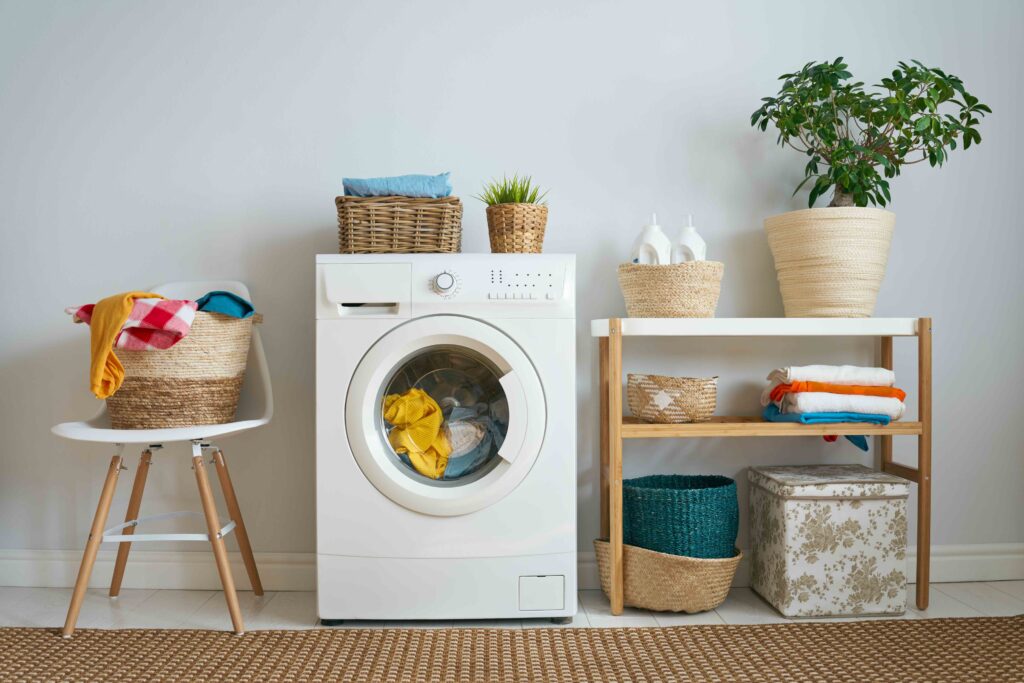
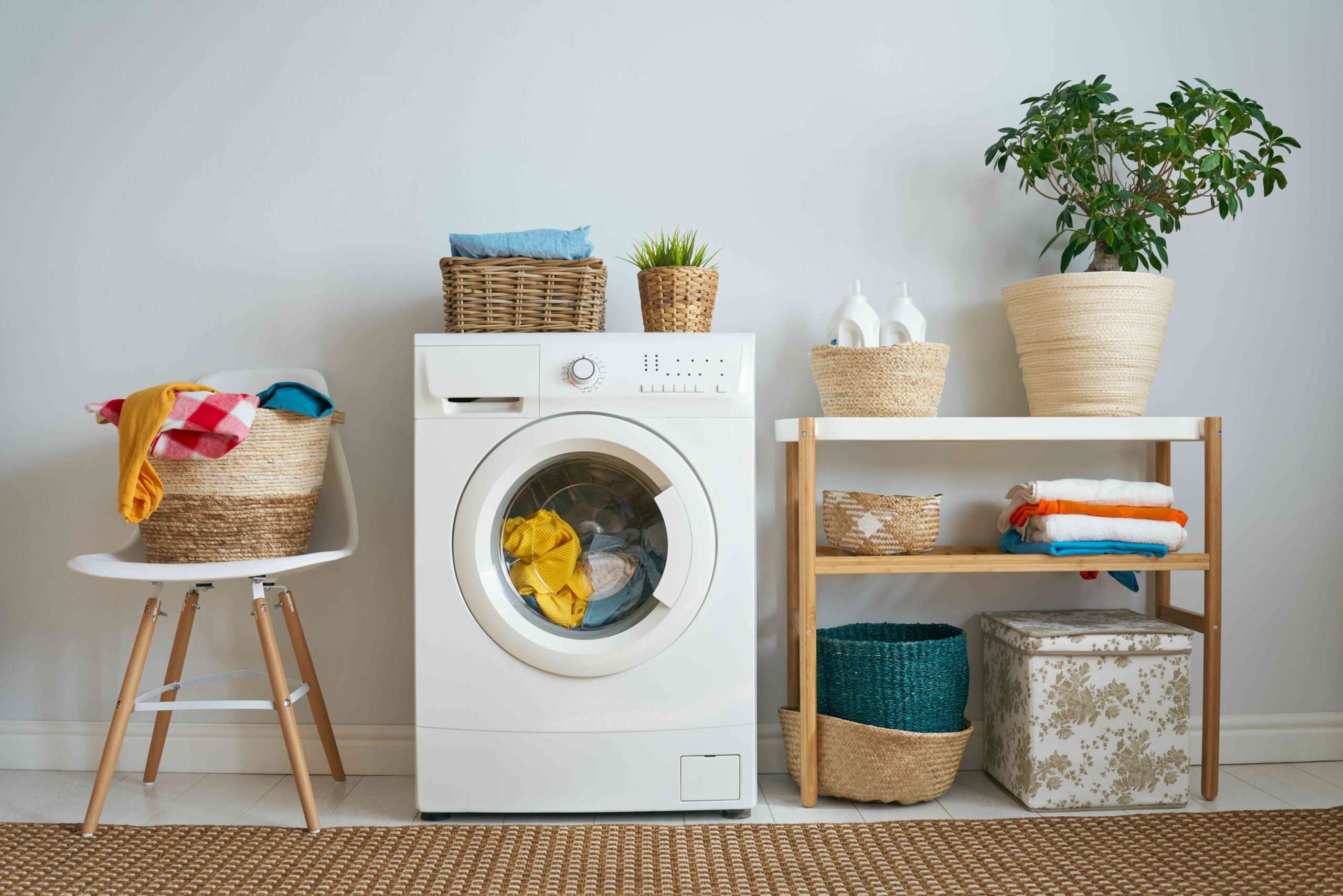
The washing machine is one of those appliances that quietly earns its keep every single week. Most homeowners use it without thinking twice, tossing in a load before heading out and expecting clean clothes on the other side. But understanding how this machine actually operates can help you use it better, maintain it longer, and catch problems before they turn expensive. At its core, a washing machine works by combining water, detergent, and mechanical agitation to loosen and remove dirt, oils, and bacteria from fabric. Sounds simple enough, but there is quite a bit happening beneath the lid or behind that front-loading door.
The Two Main Types of Washing Machines
Before diving into mechanics, it helps to know which category your machine falls into. The two dominant designs on the market are top-load washers and front-load washers. Top-load machines have been around the longest and are generally easier to load without bending over. They use a central agitator or an impeller plate at the base of the drum to move clothes through water. Front-load washers, on the other hand, tumble clothes through a smaller pool of water at the bottom of a horizontally oriented drum. Front-loaders tend to use less water and are generally more energy-efficient, but they come with a higher price tag and can develop mold issues around the door gasket if not properly maintained.
The Wash Cycle Broken Down Step by Step
A standard wash cycle moves through several distinct phases, and each one plays a role in getting your laundry clean. Understanding these phases takes the mystery out of those cycle settings you might have been ignoring.
- Fill: The machine draws in cold or hot water from your home’s supply lines, depending on the cycle selected.
- Wash: Detergent mixes with water, and the drum or agitator moves clothing through the soapy solution to break down soil.
- Drain: A pump removes the dirty water from the drum.
- Rinse: Fresh water re-enters the drum to flush out soap residue from the fabric.
- Spin: The drum rotates at high speed to extract as much water as possible before drying.
Modern machines often add pre-soak options, steam cycles, and extra rinse settings. These are not gimmicks. Steam, for instance, can help sanitize fabrics and reduce wrinkles, while an extra rinse is worthwhile for anyone with sensitive skin or detergent allergies.
Key Components That Keep Everything Running
Behind the panels and beneath the drum, a washing machine is made up of several interconnected parts that work together. The drum or tub holds the clothes and water. The motor drives the drum’s rotation. A pump handles water drainage. Water inlet valves control the flow of hot and cold water into the machine. A control board, especially in newer electronic models, manages cycle timing, temperature, and spin speed. There is also a lid switch or door latch that prevents the machine from operating when open, which is a safety feature worth respecting rather than bypassing.

The Clear Advantages of Owning a Washing Machine
The convenience factor alone justifies the investment, but there are several other meaningful advantages worth considering. Doing laundry at home eliminates the time and cost of trips to a laundromat. You have full control over water temperature, cycle length, and spin intensity, which matters when you are working with delicate fabrics or heavily soiled work clothes. High-efficiency models use significantly less water per load than older machines, which translates to lower utility bills over time. And from a purely practical standpoint, having a washer at home reduces one more errand from an already crowded schedule.
Common Drawbacks Homeowners Should Know About
No appliance is without its challenges, and the washing machine has a few that show up often enough to mention. Front-loaders are particularly prone to mold and mildew growth around the rubber door gasket, especially when the door is left closed between uses. Top-loaders with agitators can be rougher on clothing fibers over time. Both types can develop issues with unbalanced loads, which puts unnecessary strain on the drum bearings and suspension system. Water supply hoses are another common failure point, and a burst hose can cause significant water damage quickly. Knowing these vulnerabilities puts you one step ahead.
Maintenance Tips to Extend the Life of Your Washer
A washing machine that receives regular care will outperform and outlast one that is simply expected to work without any attention. A few consistent habits go a long way.
- Clean the drum monthly using a washing machine cleaner or a hot water cycle with white vinegar to prevent buildup and odors.
- Inspect water supply hoses every six months and replace them every three to five years, or sooner if cracking or bulging is visible.
- Leave the door or lid open after each use to allow the interior to dry and discourage mold growth.
- Avoid overloading the drum, as excess weight strains the motor, bearings, and suspension components.
- Use only the detergent type and amount recommended for your machine, particularly with high-efficiency models.
When to Repair Versus When to Replace
At some point, every washing machine reaches a crossroads. Minor issues like a worn door latch, a clogged pump filter, or a faulty water inlet valve are generally worth repairing, especially on machines that are relatively new. The general rule of thumb used in the appliance industry is to avoid spending more than fifty percent of the appliance’s replacement cost on a single repair. Washing machines typically last between ten and thirteen years with proper care. If your machine is approaching that range and showing signs of motor failure, bearing wear, or control board issues, replacement is often the more cost-effective route.
How a Home Warranty Can Protect Your Washing Machine Investment
Here is something worth thinking about, especially if your washer is out of the manufacturer’s warranty window. A washing machine repair can run anywhere from a couple hundred dollars to over five hundred depending on the component. That is a significant unexpected expense on any given month. This is precisely where home warranty coverage for household appliances like washing machines becomes genuinely useful. Armadillo offers straightforward, no-nonsense home warranty plans that cover the kinds of mechanical breakdowns that catch homeowners off guard. There is no complicated fine print designed to work against you, just real coverage for real failures. If you want to know exactly what protecting your laundry appliances could look like month to month, you can get an instant washing machine home warranty quote tailored to your home in a matter of seconds. Armadillo is built for homeowners who want peace of mind without the runaround, and that is a combination that is harder to find than it should be.

Frequently Asked Questions About Washing Machines
These are the questions homeowners ask most often when it comes to understanding, maintaining, and protecting their washing machines.
How long does a washing machine typically last?
Most washing machines last between ten and thirteen years with regular maintenance. High-efficiency models tend to have more electronic components, which can sometimes shorten their lifespan if not properly maintained.
Why does my washing machine smell bad even after running a cycle?
Odors are usually caused by mold, mildew, or detergent buildup inside the drum, gasket, or dispenser. Running a cleaning cycle monthly and leaving the door open between uses will resolve and prevent the issue in most cases.
Is a front-load or top-load washing machine better?
Front-load washers are generally more water and energy efficient, making them better for long-term utility costs. Top-load washers are easier to load and tend to have fewer mold issues, but older agitator models can be harder on clothing.
How much does it cost to repair a washing machine?
Repair costs vary widely depending on the component. Simple fixes like a lid switch or door latch may cost under one hundred dollars, while motor or control board repairs can reach four hundred to six hundred dollars or more.
Can a home warranty cover my washing machine?
Yes. Many home warranty plans include coverage for washing machines as part of an appliance protection package. Coverage typically applies to mechanical and electrical failures that occur during normal use.
What causes a washing machine to vibrate excessively during the spin cycle?
Excessive vibration is most often caused by an unbalanced load, but it can also indicate worn shock absorbers, a failing drum bearing, or an unlevel machine. Redistributing the laundry and checking that all four feet are level are good first steps.
How often should I clean my washing machine?
Running a cleaning cycle once per month is generally sufficient for most households. Families doing more than eight to ten loads per week may benefit from cleaning every two to three weeks.
Why is my washing machine not draining properly?
Drainage problems are often caused by a clogged pump filter, a kinked drain hose, or a failing pump motor. The filter is the easiest place to start and is accessible on most front-load machines without any tools.
What type of detergent should I use in a high-efficiency washer?
Always use detergent labeled HE, which stands for high-efficiency. These formulas are low-sudsing and designed for machines that use less water. Using standard detergent in an HE washer can cause excess sudsing and leave residue on clothes and inside the machine.
Is it worth repairing an older washing machine or should I just replace it?
If the repair cost exceeds fifty percent of the cost of a comparable new machine, replacement is usually the smarter financial decision. Age matters too. A machine that is ten or more years old and requiring a major repair is likely approaching the end of its useful life regardless.