Water Bubbling Up From the Ground: What It Means and What to Do About It
You step outside one morning, coffee in hand, and notice something strange near your yard or along your foundation — water bubbling up from the ground like a tiny spring decided to set up shop in your lawn. It is easy to brush it off as recent rainfall or an overactive sprinkler head, but that instinct could cost you significantly. Water surfacing unexpectedly from the ground is rarely a harmless quirk of nature when it happens on a residential property. Most of the time, it is a symptom of something going on underground that deserves immediate attention.
Why Is Water Coming Up From the Ground on My Property
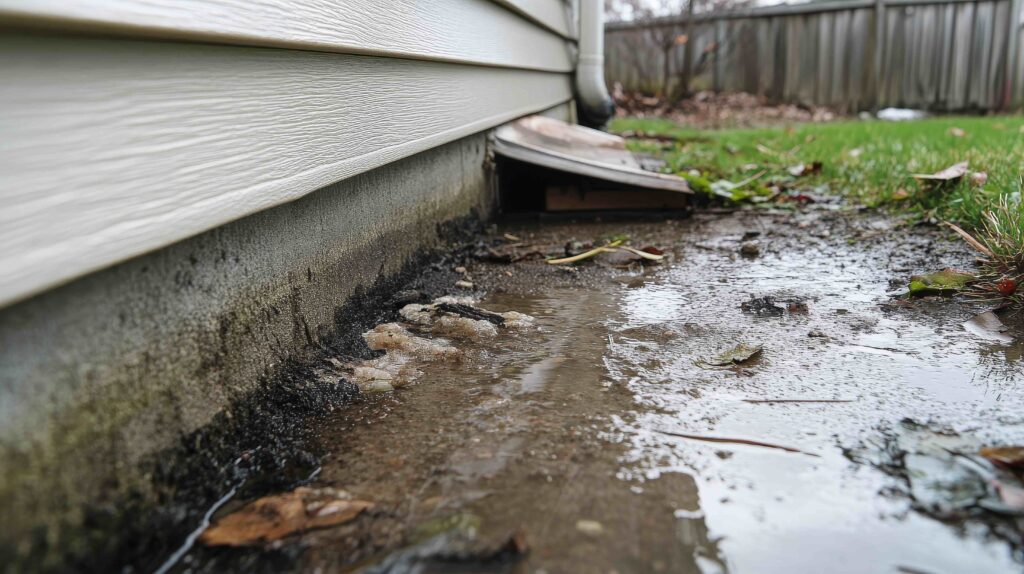
The answer depends on where you live, what your yard looks like, and what systems run beneath your home. Natural groundwater can rise during periods of heavy or prolonged rainfall, especially in low-lying areas or regions with a high water table. When the soil becomes saturated, water has nowhere else to go, so it surfaces. That is a natural process and, while inconvenient, it is not necessarily a plumbing emergency. However, when water is bubbling up near your home’s foundation, along a specific line in your yard, or close to where you know underground pipes run — that changes the conversation entirely. At that point, you are likely looking at a water line break, a sewage issue, or a failure in your underground plumbing system. The distinction matters enormously, both in terms of urgency and cost.
Natural Groundwater Surfacing vs. a Plumbing Problem
It is worth spending a moment on the difference between these two scenarios because they require entirely different responses. Natural groundwater rising is typically gradual, widespread, and directly tied to weather events. You might see soggy patches across a large portion of your yard, water pooling in low spots, or a general softness in the ground after heavy rain. A plumbing failure, on the other hand, tends to be more localized. The bubbling or surfacing water appears in a specific area, sometimes with little to no rainfall preceding it. You might also notice a sudden drop in water pressure inside your home, an unexpected spike in your water bill, or discoloration in the water itself. If the water smells — especially if it carries any sewage odor — treat it as an emergency and call a licensed plumber immediately. That is not a situation to observe and wait on.
Common Causes of Underground Plumbing Failures That Surface Water
- Aging or corroded water supply lines that have cracked or burst beneath the surface
- Tree root intrusion into underground pipes, which causes fractures and slow leaks over time
- Ground shifting or soil erosion that displaces or stresses buried pipe sections
- Freezing and thawing cycles that cause pipe material to expand and contract until it fails
- High water pressure that weakens joints and seals in underground plumbing runs
- Deterioration of older clay, cast iron, or galvanized steel pipes that have simply reached end of life
How Underground Plumbing Actually Works
Most homeowners interact with plumbing at the surface level — faucets, showerheads, toilets, appliances. What is easy to forget is that all of that activity depends on a network of pipes running beneath your floors and underground, connecting your home to the municipal water supply and to the sewer system or septic tank. The main water line runs from the street or well into your home, typically buried several feet underground to protect it from temperature extremes. Drain lines carry wastewater away from the home by gravity, sloping downward toward the sewer or septic connection. These systems work silently for years, sometimes decades, until something disrupts them. When that disruption happens underground, the evidence often travels upward through the soil before it ever becomes visible indoors.

The Risks of Ignoring Water Bubbling Up Near Your Home
This is not a situation where a wait-and-see approach works in your favor. Water that surfaces near a foundation can saturate the soil around it, which increases hydrostatic pressure against your basement or crawl space walls. Over time, that pressure leads to cracks, water intrusion, and structural compromise. Standing water near the home also becomes a breeding ground for mosquitoes and can introduce mold-promoting moisture into your crawl space or lower levels. If the source turns out to be a sewage leak, you are also dealing with a health hazard that demands rapid professional response. The repair costs associated with foundation damage, mold remediation, and sewage cleanup dwarf what you would spend catching a broken pipe early.
What to Do When You Spot Unexplained Water in Your Yard
Start by checking the basics. Confirm your sprinkler system is not misfiring, and check whether a neighbor’s irrigation or runoff could be the source. Then look at your water meter — shut off all water inside the home and observe whether the meter continues to move. If it does, you have an active leak somewhere in your supply line. Document what you are seeing with photos, note whether the water has any odor or discoloration, and contact a licensed plumber as soon as possible. Do not attempt to excavate the area yourself. Underground utility lines are common, and unauthorized digging creates additional hazards. In most areas, you can contact a utility locate service before any digging begins.
The Cost Reality of Underground Plumbing Repairs
Repair costs for underground water line issues vary significantly based on depth, pipe material, access difficulty, and local labor rates. A straightforward water line repair might run a few hundred dollars. A full main line replacement, especially one that requires trenchless technology or significant excavation, can reach several thousand dollars or more. Sewer line repairs tend to be on the higher end of that range. These are not costs most homeowners budget for, which is exactly why having a plan in place before something breaks makes a meaningful difference in how you experience — and financially absorb — the repair process.
Preventive Measures That Help Protect Underground Plumbing
- Schedule periodic plumbing inspections, particularly for homes over 20 years old
- Have a professional camera inspection performed on sewer lines to catch root intrusion early
- Avoid planting large trees or shrubs near known underground pipe routes
- Monitor your water bill monthly for unexplained increases that may signal a slow leak
- Install a whole-home water leak detection system that alerts you to pressure drops or unusual flow patterns
Why Armadillo Home Warranty Is Worth Considering for Underground Plumbing Protection
When water starts bubbling up from the ground, the last thing you want is to also be scrambling to figure out how you are going to pay for it. That is where Armadillo home warranty coverage for underground plumbing systems becomes genuinely valuable. Armadillo provides protection for the kinds of failures that are easy to forget about until they become expensive — including covered components of your plumbing system that most homeowners never think about until something goes wrong beneath the surface. The coverage is straightforward, the claims process is built for real people dealing with real problems, and the team actually knows how home systems work. If you are a homeowner who wants to stop absorbing the full financial shock of unexpected repairs, now is a good time to get a personalized home warranty quote that covers your plumbing and more. Protecting your home before the next problem surfaces is always a better strategy than reacting after the fact.

Frequently Asked Questions About Water Bubbling Up From the Ground
Here are some of the most common questions homeowners ask when they discover unexplained water surfacing on their property.
Is water bubbling up from the ground always a plumbing emergency?
Not always, but it should be treated as urgent until you can confirm the source. Natural groundwater rising after heavy rainfall is common in certain areas, but if the bubbling is localized, odorous, or accompanied by a drop in water pressure, contact a licensed plumber right away.
How do I know if it is a broken water line or a sewer problem?
A broken water supply line typically results in clear water surfacing, often alongside a drop in home water pressure or a moving water meter even when all fixtures are off. A sewer issue usually involves discolored water or a sewage smell, and it requires immediate professional response due to health hazards.
Can tree roots really cause underground pipes to fail?
Yes, and it is one of the most common causes of underground pipe damage. Tree roots naturally seek out moisture, and the small amounts of water vapor escaping through pipe joints are enough to attract them. Over time, roots penetrate joints, causing fractures and eventually full blockages or breaks.
What is a water meter check and how does it help?
A water meter check involves shutting off all water-using fixtures and appliances inside the home and then observing whether the water meter continues to register movement. If the meter dial moves while all water is off, it confirms an active leak somewhere between the meter and your home.
How deep are residential water lines typically buried?
Depth varies by region and is largely determined by local frost depth requirements. In cold climates, water lines are often buried four to six feet or deeper. In warmer regions, they may be buried as shallow as twelve to eighteen inches. Your local building department can provide specifics for your area.
Does homeowners insurance cover underground pipe breaks?
Standard homeowners insurance policies typically do not cover the cost of repairing or replacing a broken underground water line, as it is considered a maintenance issue rather than sudden accidental damage. Coverage varies by policy, so reviewing your specific terms with your insurance agent is always recommended.
What is trenchless pipe repair and is it worth it?
Trenchless repair methods allow plumbers to fix or replace underground pipes with minimal excavation. Techniques like pipe lining and pipe bursting can restore function without tearing up landscaping or hardscaping. While often more expensive upfront than traditional trenching, trenchless methods can save significantly on restoration costs afterward.
How often should I have my plumbing inspected if I have an older home?
For homes more than 25 years old, an annual plumbing inspection is a reasonable precaution, particularly if the home has original pipes. A camera inspection of sewer lines every three to five years is also a smart investment for older properties with mature landscaping nearby.
Can water bubbling up from the ground damage my foundation?
Yes. Water that surfaces near the foundation increases soil saturation and hydrostatic pressure against foundation walls. Over time, this can lead to cracks, wall bowing, and water intrusion into basements or crawl spaces. Addressing the source of the water quickly reduces the risk of structural damage.
Does a home warranty cover underground water line repairs?
Coverage depends on the specific home warranty plan and provider. Some plans do include coverage for underground water and sewer lines, while others treat them as optional add-ons. Reading the coverage details carefully and asking specifically about plumbing system coverage before purchasing a plan ensures there are no surprises when you need to file a claim.