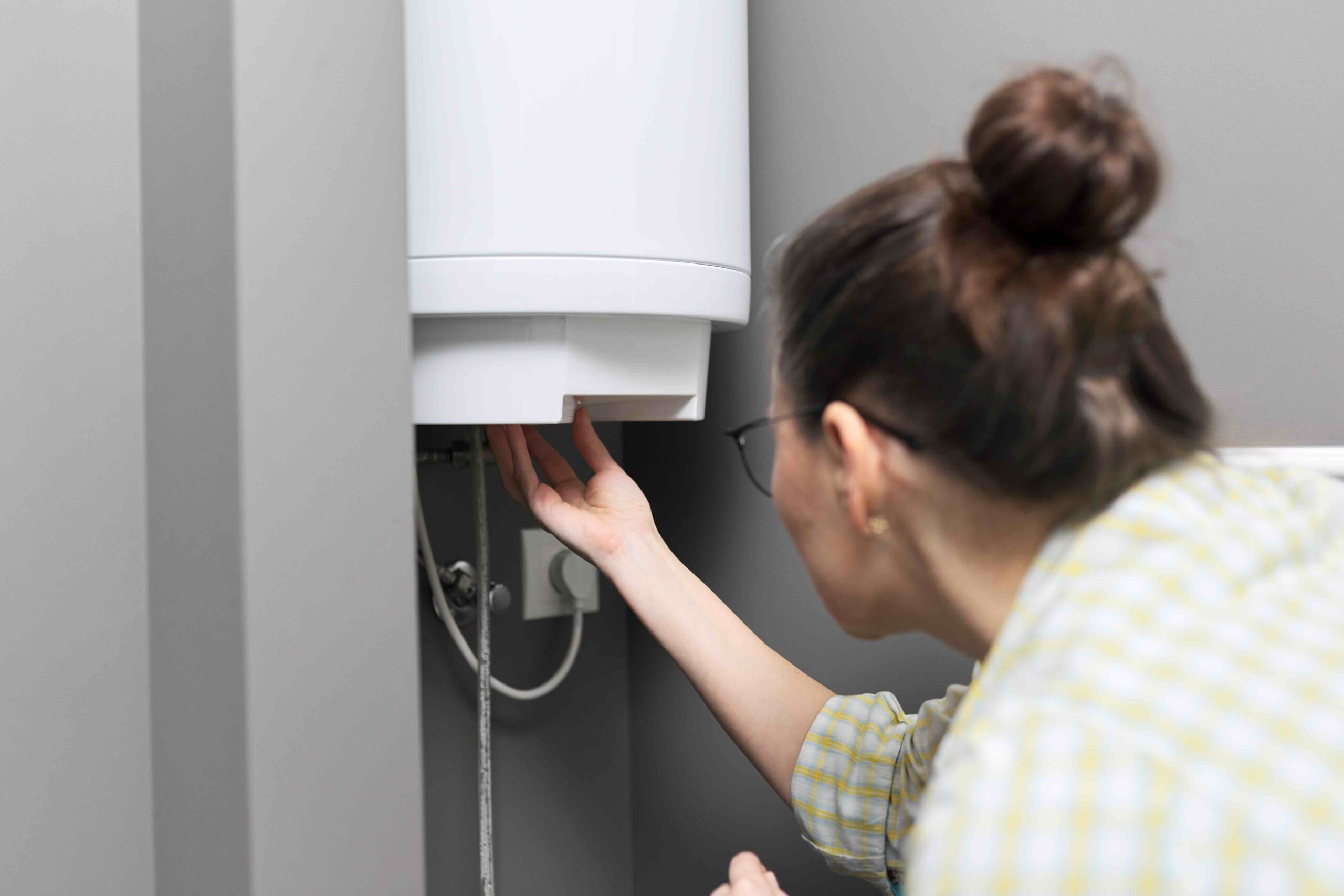
What Is a Water Heater and Why Does It Matter More Than You Think?
Most homeowners never think about their water heater until something goes wrong. And then — suddenly — it is the only thing they can think about. Cold showers have a way of demanding attention. The water heater is one of those appliances that runs quietly in the background, doing its job day after day without complaint, until it does not. Understanding what it actually does, how it works, and what can go wrong is genuinely useful knowledge for any homeowner. Not because you need to become a technician, but because a little awareness goes a long way when it comes to protecting your home and your wallet.
How a Water Heater Actually Works
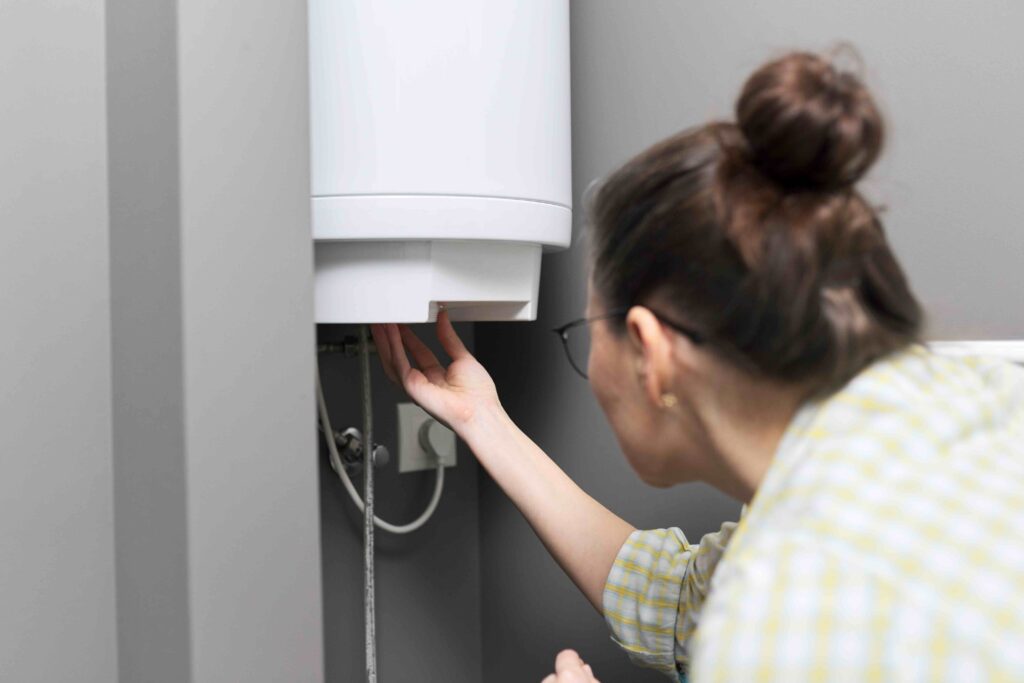
At its core, a water heater does exactly what the name says — it heats water and keeps it ready for use. The most common type is the traditional tank-style water heater, which stores a set volume of water, typically between 30 and 80 gallons, and maintains that water at a set temperature around the clock. Cold water enters through a dip tube at the top and sinks to the bottom of the tank, where it gets heated either by a gas burner or an electric heating element. Once it reaches the target temperature, it sits there, ready to go whenever you turn on a tap. A thermostat controls the heat, and a pressure relief valve acts as a safety mechanism to prevent dangerous pressure buildup inside the tank. It is a fairly elegant system, honestly — straightforward in design, but with enough moving parts that things can and do go wrong over time.
Tank vs. Tankless: Understanding the Key Difference
The traditional tank-style water heater is what most people have in their homes, but tankless water heaters have gained serious traction in recent years. A tankless unit heats water on demand, meaning it does not store hot water at all — it heats it in real time as water flows through the unit. The appeal is obvious: you are not paying to keep water hot when no one is using it, and you theoretically never run out of hot water. Tank-style units, on the other hand, can run out — that dreaded cold blast at the end of a long shower is a real phenomenon in households with high demand. Each approach has its own strengths and limitations, and the right choice depends heavily on your household size, usage habits, and budget for upfront installation.

The Real Advantages of a Tank-Style Water Heater
Tank water heaters have remained the dominant choice for a reason. They are relatively affordable to purchase and install, parts are widely available, and most HVAC or plumbing technicians can service them without issue. If you are on a tighter budget or simply want a reliable, low-maintenance solution, a conventional tank unit is hard to argue against. They also tend to have a longer established service history, so failure patterns are well understood, diagnostics are straightforward, and repairs are generally less complicated. For most single-family households with moderate hot water usage, a well-maintained tank water heater does the job without drama.
Where Tankless Units Pull Ahead
Tankless water heaters shine in situations where energy efficiency and endless hot water supply are the priority. Because they only activate when hot water is needed, they eliminate standby heat loss — the energy wasted keeping a full tank warm even when no one is home. That can translate to meaningful savings on monthly utility bills, especially in households with predictable usage patterns. Tankless units also tend to have a longer lifespan, often exceeding 20 years with proper maintenance, compared to the 8 to 12 years typical for tank-style units. The tradeoff is a higher upfront cost for both the unit itself and installation, which can involve retrofitting gas lines or upgrading electrical panels depending on the existing setup.
Common Water Heater Problems Homeowners Should Know
Water heaters fail in fairly predictable ways, and knowing the warning signs can save you from a basement flood or weeks without hot water. Some of the most frequent issues include:
- Sediment buildup at the bottom of the tank, which reduces efficiency and can cause rumbling or popping sounds during heating cycles
- A failing anode rod, which is the sacrificial metal component that prevents the tank lining from corroding — once it degrades, rust follows quickly
- Faulty thermostats or heating elements that result in water that is too hot, too cold, or inconsistent
- Pressure relief valve failure, which is a safety concern that should never be ignored
- Leaking connections or a corroded tank body, which often signals the unit is near the end of its useful life
Many of these issues are repairable if caught early. The challenge is that water heaters tend to sit out of sight, and small problems can quietly worsen before they become obvious.
Maintenance Tips That Actually Make a Difference
The good news is that basic water heater maintenance is not complicated and does not require professional expertise for every task. Flushing sediment from the tank once a year, checking the anode rod every two to three years, and testing the pressure relief valve periodically are all steps a moderately handy homeowner can handle. Keeping the area around the unit clear of debris and ensuring proper ventilation for gas models are also important baseline habits. Setting the thermostat to around 120 degrees Fahrenheit is recommended both for energy efficiency and to reduce the risk of scalding. These small habits add up and can meaningfully extend the working life of the unit.
When to Repair Versus When to Replace
This is the question most homeowners wrestle with, and the answer depends on a few factors. Age is probably the biggest one. If a tank-style water heater is more than 10 years old and experiencing issues, replacement is often the smarter financial move — even if the current repair seems minor. Older units tend to fail in clusters, and investing in repeated repairs on an aging system rarely pays off. Conversely, a newer unit with a straightforward issue like a failed heating element or a worn thermostat is almost always worth repairing rather than replacing. Getting a professional diagnosis before committing to either path is generally worth the service call fee.
Why Home Warranty Coverage for Your Water Heater Is Worth Considering
Water heater repairs and replacements are among the most common claims filed through home warranty plans — and for good reason. A standard tank replacement can run anywhere from $800 to over $1,500 depending on unit size, fuel type, and labor costs in your area. Tankless units can push well beyond that. These are not small expenses, and they tend to arrive without warning. That is exactly the kind of financial exposure a home warranty is designed to absorb. Armadillo home warranty plans for water heater protection are built with real homeowners in mind — no confusing fine print, no runaround when something breaks. If your water heater fails and it is covered, the process is straightforward: you file a claim, a qualified technician is dispatched, and the repair or replacement cost is handled according to your plan. Get a free water heater home warranty quote today and find out what coverage looks like for your home before an unexpected breakdown forces the decision for you.

Frequently Asked Questions About Water Heaters
Here are answers to the questions homeowners ask most often about water heaters, repairs, and coverage options.
How long does a typical water heater last?
A conventional tank water heater generally lasts between 8 and 12 years with regular maintenance. Tankless models can last 15 to 20 years or more under similar conditions. Age combined with usage patterns and water quality all influence how long a unit remains reliable.
What causes a water heater to stop producing hot water?
The most common culprits are a failed heating element in electric models, a faulty thermostat, a tripped circuit breaker, or a malfunctioning pilot light in gas units. Sediment buildup can also reduce heating efficiency to the point where the output feels inadequate.
Is it safe to leave a water heater running while on vacation?
Yes, but it is more efficient to use the vacation or low setting on the thermostat rather than leaving the unit at full temperature for an extended period. Turning it completely off is also an option for longer trips, though it requires relighting the pilot on gas models upon return.
What does it mean when my water heater makes a popping or rumbling noise?
That sound typically indicates sediment has accumulated at the bottom of the tank. As the water heats, it forces its way through the sediment layer, creating that noise. Flushing the tank usually resolves the issue, but if it persists, the unit may be nearing the end of its life.
How do I know if my anode rod needs to be replaced?
If your hot water smells like sulfur or rotten eggs, or if the tank is producing rusty-colored water, those are strong indicators the anode rod has depleted. A professional inspection every two to three years is the most reliable way to stay ahead of this issue.
Does a home warranty cover water heater replacement?
Most home warranty plans cover water heater repairs and replacements due to mechanical failure, which is the most common cause of breakdown. Coverage details vary by plan and provider, so reviewing what is and is not included before purchasing a plan is important.
What temperature should I set my water heater to?
The U.S. Department of Energy recommends setting your water heater to 120 degrees Fahrenheit. This temperature is sufficient for household needs, reduces the risk of scalding, and minimizes energy waste from maintaining unnecessarily high temperatures.
Is a tankless water heater worth the higher upfront cost?
For many homeowners, yes. The energy savings over time and the extended lifespan of tankless units can offset the higher initial investment, particularly in homes with consistent high hot water demand. The break-even point typically falls somewhere between 5 and 10 years depending on energy costs and usage.
Can I install a water heater myself?
While some experienced DIYers have done it, water heater installation involves gas lines or high-voltage electrical connections depending on the fuel type, and most jurisdictions require a permit and licensed installation. Improper installation can void warranties and create serious safety hazards, so professional installation is strongly recommended.
What are signs that my water heater needs to be replaced rather than repaired?
A unit that is more than 10 years old, shows visible rust or corrosion on the tank body, leaks from the bottom, or requires frequent repairs is generally a replacement candidate. At that stage, ongoing repair costs typically outpace the value of keeping the unit running.