Your Water Heater Is Not Heating — Here Is What That Actually Means
Few things derail a morning faster than stepping into a cold shower with no warning. If your water heater is not heating, you are dealing with one of the most common and frustrating home system failures a homeowner can face. The good news is that this issue is usually diagnosable without calling a technician immediately — and understanding what is happening inside that tank can save you time, money, and a lot of unnecessary stress. This guide walks through everything you need to know: how water heaters work, why they fail, what you can do right now, and how a home warranty fits into the equation.
How a Water Heater Actually Works
Before diagnosing the problem, it helps to understand the system. Most homes use either a traditional tank-style water heater or a tankless unit. Tank-style heaters store a set volume of water — typically between 30 and 80 gallons — and keep it at a consistent temperature using either a gas burner or electric heating elements. Tankless heaters, on the other hand, heat water on demand as it passes through the unit. Both types rely on a thermostat to regulate temperature, a pressure relief valve for safety, and some form of energy input to generate heat. When any one of these components fails, the result is often the same: no hot water.
The Most Common Reasons a Water Heater Stops Heating
There are several culprits worth investigating before assuming the worst. Knowing which one applies to your situation can help you move faster and smarter.
- A tripped circuit breaker or blown fuse in the electrical panel
- A faulty thermostat set too low or failed entirely
- One or both heating elements have burned out (electric units)
- A pilot light that has gone out or a faulty thermocouple (gas units)
- Sediment buildup at the bottom of the tank, insulating the heating element
- A failed dip tube that mixes cold and hot water inside the tank
- A gas supply interruption or gas valve malfunction
Each of these issues presents slightly differently. For example, if you are getting lukewarm water rather than no heat at all, a single failed heating element is a likely cause. If the water is cold from the start, the thermostat or a tripped breaker might be the issue. Context matters here, and paying attention to those small details can point you in the right direction quickly.
What to Check Before Calling a Technician
There are a few straightforward things every homeowner can check on their own. Start with the circuit breaker — go to your electrical panel and look for any tripped breakers associated with the water heater. Reset if needed, then give the unit 30 to 60 minutes to recover. Next, check the thermostat setting on the unit itself. Most manufacturers recommend a setting between 120 and 140 degrees Fahrenheit. If someone adjusted it or it drifted out of range, that alone could explain the problem. For gas units, check whether the pilot light is lit. Most units have printed instructions near the pilot assembly that walk you through relighting it. These are the low-effort, no-cost steps that occasionally solve the problem entirely — and they are always worth doing first.

When the Problem Requires a Professional
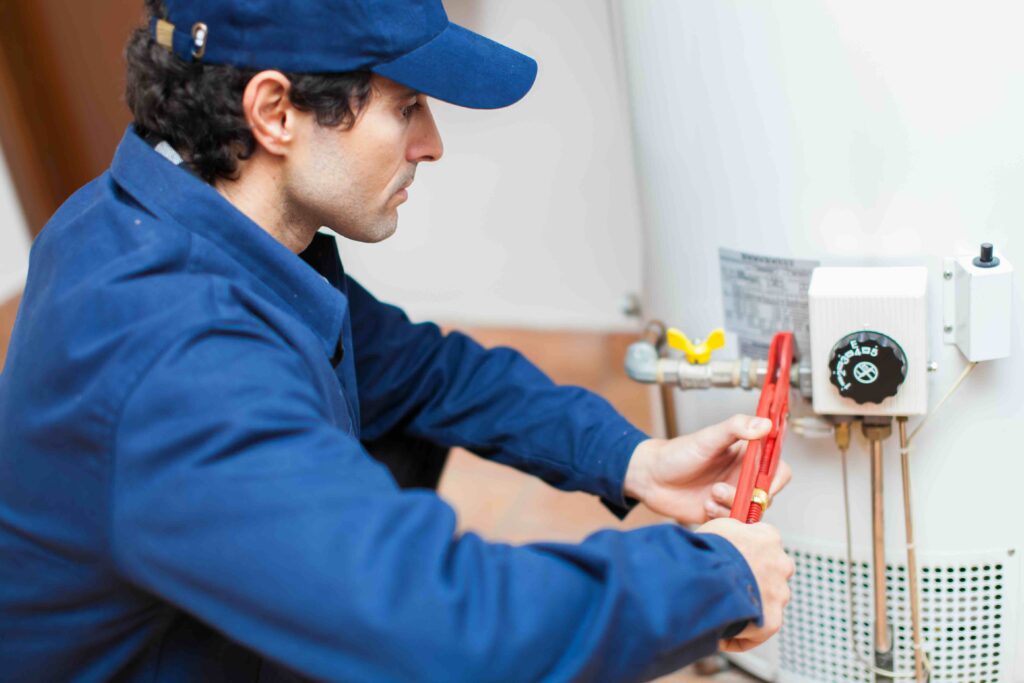
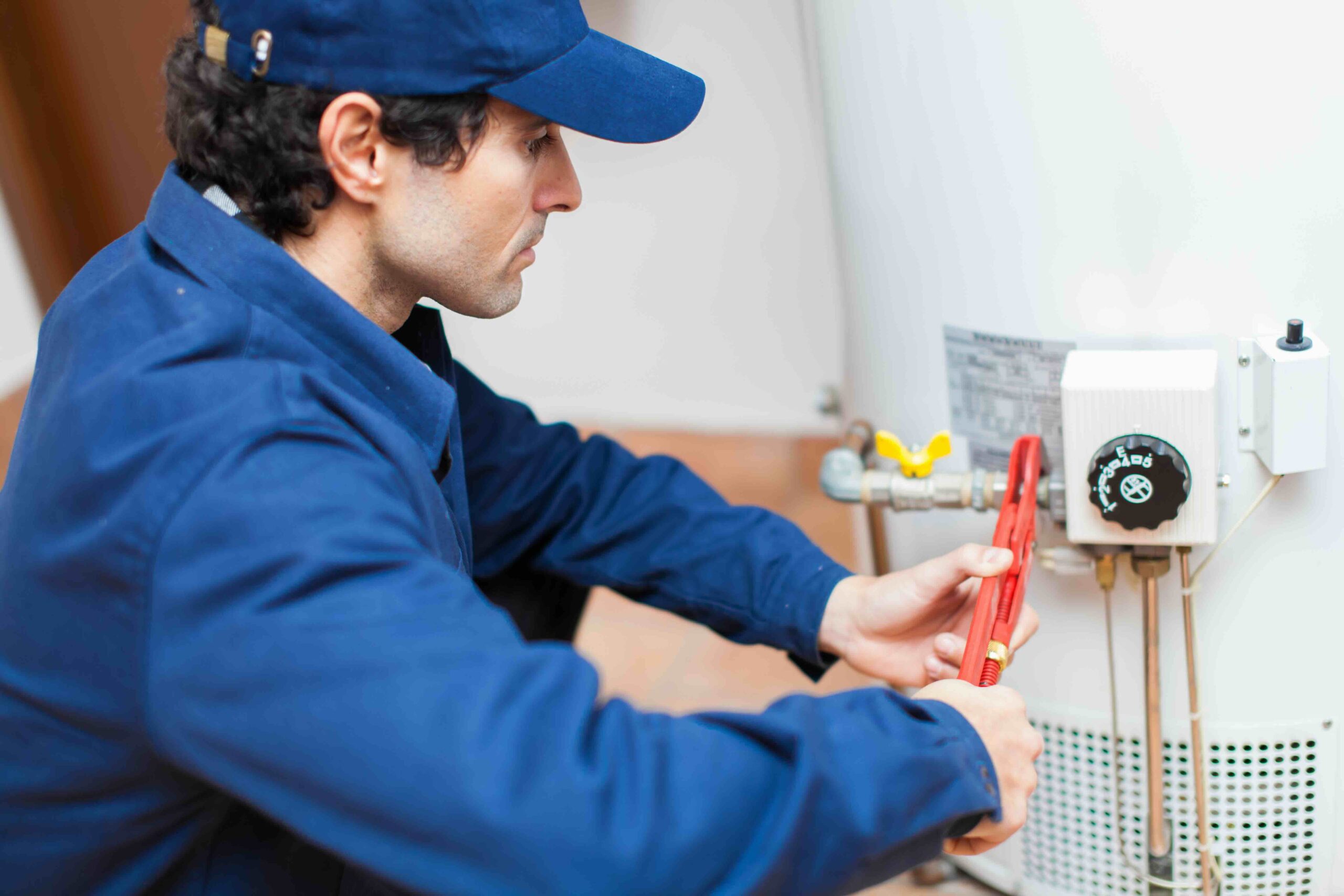
Some repairs are clearly outside the DIY range. Replacing a heating element, swapping out a thermostat, or addressing a gas valve issue all require a licensed plumber or appliance technician. Attempting these repairs without the proper training or tools can create safety hazards or void any existing manufacturer warranty on the unit. If your water heater is older — typically anything over 10 to 12 years — and it requires a significant repair, it may be worth having a technician assess whether repair or full replacement makes more financial sense. Repairs on an aging unit sometimes just delay the inevitable, and a professional opinion gives you the information you need to make the right call.
The Hidden Cost Problem: Why Repairs Catch Homeowners Off Guard
Here is where things get uncomfortable. Water heater repairs are not always expensive on their own, but they have a way of arriving at the worst possible time. A heating element replacement might run between $150 and $300 including labor. A full water heater replacement, depending on unit type and installation complexity, can range from $600 to over $2,000. Most homeowners do not have that kind of cash sitting in a dedicated home repair fund — and that gap between expectation and reality is exactly where home warranties earn their keep. Having a plan in place before the breakdown happens completely changes the financial dynamic.
What a Home Warranty Covers When Your Water Heater Fails
A home warranty is a service contract that covers the repair or replacement of major home systems and appliances when they break down due to normal wear and tear. For water heaters specifically, a solid home warranty plan will typically cover the following:
- Heating elements and thermostats
- Electrical components, including wiring internal to the unit
- Gas burner assemblies and thermocouples
- Water heater replacement when repair is not feasible
- Labor costs associated with covered repairs
Coverage details vary by provider and plan, so it is important to read the specifics before assuming everything is included. Pre-existing conditions, improper installation, and certain cosmetic issues are commonly excluded. But for functional breakdowns caused by regular use — which is exactly what most water heater failures are — a home warranty can significantly reduce out-of-pocket costs.
How to Extend the Life of Your Water Heater
Preventive maintenance is one of the most underused tools homeowners have. Flushing the tank once a year to remove sediment buildup can meaningfully extend the lifespan of the unit and improve efficiency. Testing the pressure relief valve periodically ensures that critical safety mechanism is working as intended. Checking the anode rod — a sacrificial metal rod inside the tank that prevents corrosion — every two to three years and replacing it when depleted can add years to the water heater’s life. These are not glamorous tasks, but they are the kind of low-investment habits that keep expensive systems running longer and reduce the frequency of breakdowns.
Tank vs. Tankless: Does the Type Affect Your Repair Risk?
Tank-style water heaters are simpler mechanically and generally less expensive to repair, but they are vulnerable to sediment accumulation and have a finite lifespan typically between 8 and 12 years. Tankless units tend to last longer — often 15 to 20 years — but their components are more complex and repairs can be more costly when something does go wrong. Neither type is immune to failure, and both benefit from coverage under a home warranty. If you are considering upgrading from a tank to a tankless system, that is a worthwhile long-term investment — just factor in the higher upfront cost and the different maintenance requirements that come with it.
Why Armadillo Is the Right Coverage for Moments Like This
When your water heater stops heating, the last thing you want to be doing is scrambling to find a reliable technician, negotiating repair costs, or wondering whether this expense is going to derail your monthly budget. That is the exact problem Armadillo home warranty coverage for water heaters and major home systems is built to solve. Armadillo offers straightforward, transparent protection for the systems and appliances homeowners depend on every day — no confusing fine print, no runaround. When something breaks, you file a claim, and the process moves forward from there. If you are ready to stop reacting to breakdowns and start getting ahead of them, take a minute to get a free home warranty quote that covers water heater repairs and replacements and see what a plan looks like for your home. Coverage is more affordable than most homeowners expect, and the peace of mind it delivers is genuinely hard to put a price on.

Frequently Asked Questions About Water Heaters Not Heating
The most common questions homeowners ask when their water heater stops producing hot water — answered clearly and directly.
Why is my water heater running but not producing hot water?
This typically points to a failed heating element, a malfunctioning thermostat, or in gas units, a problem with the pilot light or thermocouple. The unit may be operational in terms of power supply but unable to generate heat due to one of these internal component failures.
How long does it take for a water heater to heat up after being reset?
Most electric water heaters take between 60 and 90 minutes to fully reheat a tank after a reset. Gas water heaters tend to recover faster, usually within 30 to 40 minutes depending on tank size and incoming water temperature.
Can sediment buildup cause a water heater to stop heating?
Yes. Heavy sediment accumulation at the bottom of the tank acts as insulation between the heating element and the water, drastically reducing heating efficiency and in some cases preventing adequate heat transfer altogether.
Is a water heater not heating covered under a home warranty?
In most cases, yes. When the cause is normal wear and tear on internal components like heating elements, thermostats, or gas assemblies, a standard home warranty plan will cover the cost of repair or replacement depending on the severity of the failure.
How do I know if my water heater needs repair or full replacement?
If the unit is under 10 years old and the repair cost is reasonable relative to the unit’s value, repair is usually the better option. If the unit is over 10 to 12 years old or requires multiple expensive repairs, replacement is often the more practical and cost-effective decision.
What does it mean when I only get lukewarm water instead of hot water?
Lukewarm water is often a sign that only one of two heating elements has failed in an electric unit. The remaining element can partially heat the water but cannot bring it to the desired temperature on its own. This is a fixable repair and does not necessarily require full replacement.
Can I relight the pilot light on my gas water heater myself?
Yes, in most cases this is safe to do and the instructions are printed directly on the water heater unit. If the pilot light continues to go out after relighting, there may be an issue with the thermocouple, which is a component a technician should inspect.
How often should a water heater be flushed to prevent heating problems?
Flushing the tank once per year is the general recommendation for most households. Homes with particularly hard water may benefit from flushing more frequently to prevent accelerated sediment buildup that can interfere with heating performance.
Does a tripped breaker always explain why an electric water heater stopped working?
A tripped breaker is one of the first things to check and is sometimes the sole cause of the problem. However, if the breaker trips repeatedly after being reset, that indicates an underlying electrical issue within the unit or the circuit that requires professional diagnosis.
How much does it typically cost to repair a water heater that is not heating?
Repair costs vary depending on the component involved. A thermostat or heating element replacement generally falls between $150 and $300 with labor. More complex repairs involving gas valves or control boards can run higher. Full unit replacement ranges widely from $600 to over $2,000 based on unit type and installation requirements.