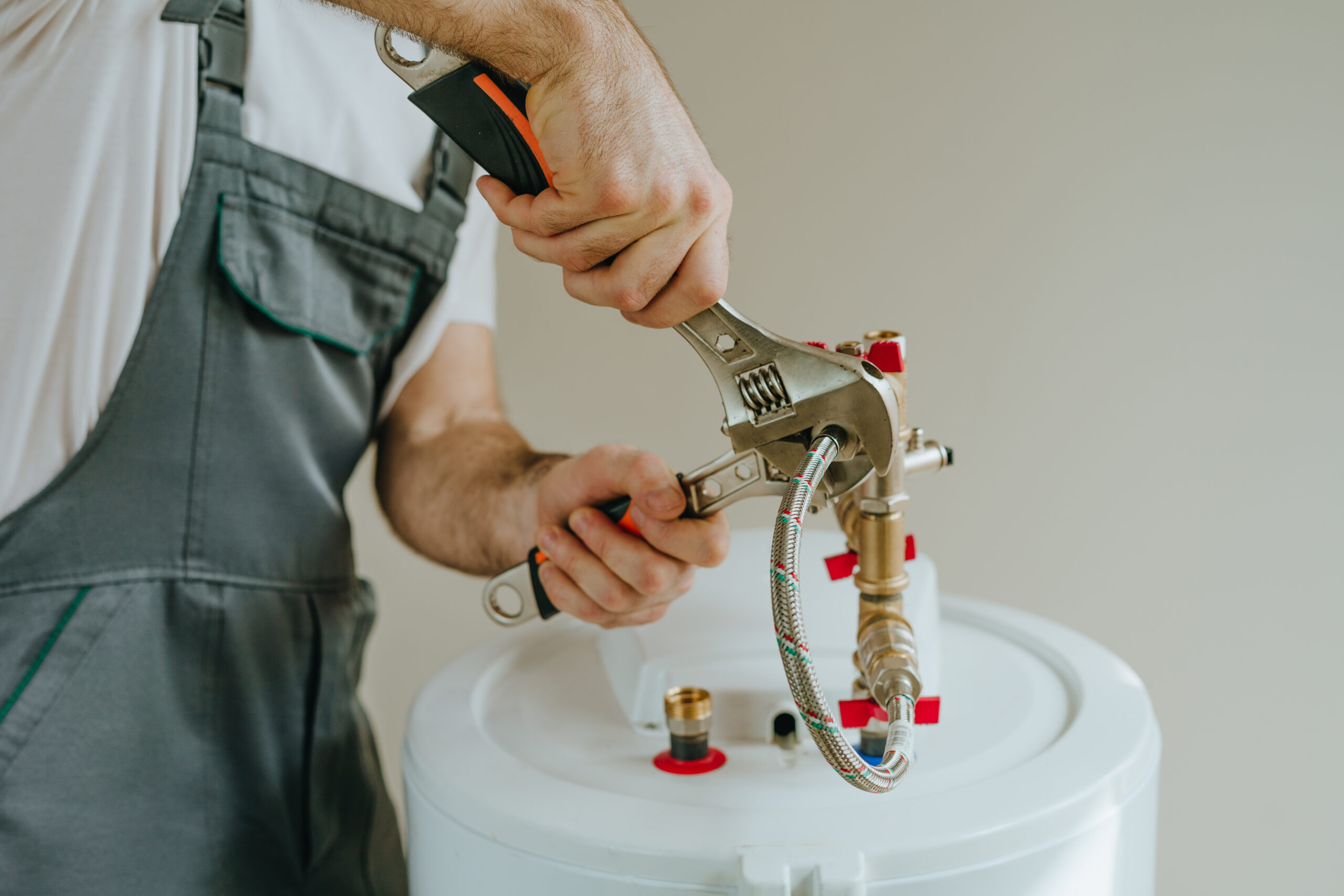
Why Is My Water Heater Not Getting Hot Enough? What Every Homeowner Should Know
There is a particular kind of frustration that comes with stepping into a lukewarm shower when you were expecting hot water. It catches you off guard, and then the questions start. Is something broken? Is this fixable? How long has this been happening without me noticing? If your water heater is not as hot as it used to be, you are not imagining things, and you are definitely not alone. This is one of the most common complaints homeowners bring to home warranty providers, and the good news is that most of the time, the cause is identifiable and the fix is manageable. The bad news is that ignoring it rarely works out in your favor.
How a Water Heater Actually Works
Before diagnosing what is going wrong, it helps to understand the basics of what is supposed to go right. A traditional tank water heater stores a fixed volume of water, typically between 40 and 80 gallons, and keeps it heated to a set temperature using either a gas burner or electric heating elements. When you turn on a hot water tap, heated water exits the tank and cold water enters to replace it. A thermostat monitors temperature and signals the heating components to activate when the water drops below the target level. Tankless water heaters work differently, heating water on demand rather than storing it, but both systems rely on the same fundamental principle: energy in, heat out. When either type of unit starts underperforming, something in that chain has broken down.
The Most Common Reasons Your Water Heater Is Losing Heat
This is where things get specific. There is not one single culprit here. Several different components can degrade independently, and sometimes more than one issue is happening at the same time. Understanding the most likely causes helps you have a smarter conversation with a technician and know what questions to ask.
- Sediment buildup at the bottom of the tank insulates the water from the heat source, forcing your unit to work harder for less output
- A failing thermostat may be reading temperatures inaccurately, preventing the heater from cycling on when it should
- In electric water heaters, one or both heating elements may have worn out or burned out entirely
- In gas water heaters, a deteriorating pilot light assembly or burner can reduce heat output noticeably
- A worn-out dip tube can cause cold incoming water to mix directly with the hot water at the top of the tank before it ever reaches your faucet
- An undersized unit for a growing household will simply run out of capacity faster, making it feel like performance has declined even when the hardware is fine
Sediment Is Often the Silent Villain
Sediment deserves its own conversation because it tends to be underestimated. Over time, minerals dissolved in your water supply, primarily calcium and magnesium, settle at the bottom of your tank. This layer of buildup acts as a thermal barrier between the burner or heating element and the water itself. You might start hearing popping or rumbling sounds from the unit as the burner tries to push heat through the sediment layer. Output decreases, energy bills increase, and the whole system ages faster than it should. Flushing the tank annually is one of the most effective preventive measures a homeowner can take, and it is a task that a plumber or HVAC technician can complete in under an hour. If sediment has been accumulating unchecked for several years, the damage may already be significant.

How to Tell If the Problem Is the Thermostat or Something Else
The thermostat on a water heater is a small but critical component. Most units ship with the thermostat set somewhere between 120 and 140 degrees Fahrenheit. If yours has been accidentally adjusted, if it has drifted out of calibration over time, or if it has simply failed, your water temperature will reflect that. A quick diagnostic is to check the current setting on your thermostat panel and verify whether the water temperature at the tap actually matches. If there is a significant gap, the thermostat is a likely suspect. However, if the thermostat is reading correctly and the unit still is not producing adequate heat, you are probably dealing with a component failure further down the line, such as a heating element or burner issue. Either way, this is the point at which a professional should be involved.
When It Is Time to Repair vs. Replace
Age matters a great deal here. Most conventional tank water heaters have a lifespan of eight to twelve years. Tankless units can last considerably longer, sometimes up to twenty years with proper maintenance. If your unit is approaching or past that threshold and experiencing performance issues, the math on repair costs versus replacement costs shifts considerably. A single repair on an aging unit might buy you a year or two of function before the next component fails. At a certain point, replacement is simply the more economical choice, even if the upfront cost is higher. On the other hand, if your unit is relatively young and the issue is isolated to one component, repair is almost always worth pursuing first.
What Home Warranty Coverage Means for Water Heater Problems
Here is where the home warranty conversation becomes directly relevant. A home warranty is a service contract that covers the repair or replacement of major home systems and appliances when they break down due to normal wear and use. Water heaters are one of the most commonly covered items under a standard home warranty plan. When your water heater stops performing as it should, rather than scrambling to find a licensed technician and negotiating prices on short notice, a home warranty provides you with a pre-arranged process: you submit a claim, a vetted service technician is dispatched, and covered repairs are handled at a predetermined cost to you. For homeowners who have experienced an unexpected repair bill on a water heater, the value of that structure is immediately apparent.
Practical Maintenance Tips to Extend Your Water Heater’s Life
Even with a home warranty in place, good maintenance habits reduce the frequency and severity of breakdowns. Staying proactive does not require technical expertise. It requires consistency.
- Flush the tank annually to clear sediment accumulation and inspect the anode rod, which protects the tank from corrosion
- Test the pressure relief valve once a year to confirm it is functioning correctly and not at risk of failure
- Keep the area around the water heater clear of debris, flammable materials, and stored items that could obstruct airflow or access
- Set the thermostat to 120 degrees Fahrenheit as a baseline, which balances performance with energy efficiency and reduces scalding risk
- Have a licensed technician inspect the unit every two to three years, especially as it approaches the eight-year mark
The Real Cost of Ignoring a Declining Water Heater
Lukewarm water is inconvenient. A failed water heater at the wrong moment is a genuine disruption, and the costs extend beyond the repair or replacement itself. A leaking tank can cause water damage to flooring, walls, and adjacent structures, turning a mechanical failure into a much more expensive home repair situation. Energy costs also climb quietly when a struggling water heater works harder than it should to maintain inadequate temperatures. What starts as a minor performance issue can compound into a significantly larger problem if addressed too late. Treating early symptoms seriously is always the more economical approach.
Why Armadillo Is the Home Warranty Partner Your Water Heater Deserves
When your water heater starts underperforming, the last thing you want is to navigate the repair process without a plan in place. That is exactly the kind of situation Armadillo home warranty coverage for water heaters and major home systems is built to handle. Armadillo offers straightforward, transparent plans designed around how homeowners actually live, with coverage that addresses the real systems and appliances that break down over time. There are no confusing exclusions hidden in dense contract language, and no unpleasant surprises when you need service most. If you have been putting off protecting your home because the process seemed complicated or the costs felt unclear, now is a good time to reconsider. You can get a free water heater home warranty quote and explore your coverage options in minutes, without any commitment required. Protecting your water heater, and every other major system in your home, does not need to be complicated.
Frequently Asked Questions About Water Heaters Not Getting Hot Enough
These are the questions homeowners ask most often when dealing with reduced hot water output. The answers are intentionally direct and practical.
Why is my water heater not producing hot water like it used to?
The most common causes are sediment buildup at the bottom of the tank, a failing thermostat, worn heating elements in electric units, or burner issues in gas units. Age and lack of maintenance accelerate all of these problems.
How long should a water heater last before performance declines?
Most tank water heaters last between 8 and 12 years. Tankless units can last up to 20 years with proper maintenance. Performance typically begins to decline noticeably in the later years of a unit’s lifespan.
Can I fix a water heater that is not hot enough on my own?
Some adjustments, like changing the thermostat setting, are safe for homeowners. However, replacing heating elements, servicing gas burners, or flushing a heavily sediment-loaded tank should be handled by a licensed technician.
Does a home warranty cover water heater repairs?
Yes. Most standard home warranty plans include water heater coverage for mechanical failures caused by normal wear and use. Review your specific plan terms to confirm what components and failure types are included.
How do I know if my water heater thermostat is broken?
If the thermostat setting appears correct but the water temperature at the tap is significantly lower than expected, the thermostat may be failing or reading inaccurately. A technician can test and confirm this quickly.
What temperature should I set my water heater to?
120 degrees Fahrenheit is the recommended setting for most households. It balances energy efficiency, performance, and safety. Settings above 140 degrees increase scalding risk and accelerate wear on components.
Is sediment in my water heater dangerous?
Sediment itself is not toxic, but heavy buildup insulates the heating source from the water, reduces efficiency, increases energy consumption, and shortens the life of the unit. It can also contribute to tank corrosion over time.
How often should a water heater be serviced or inspected?
Annual maintenance, including a tank flush and anode rod inspection, is the standard recommendation. A professional inspection every two to three years is advisable, particularly as the unit ages past the five-year mark.
Should I repair or replace my water heater if it is not heating properly?
If the unit is under 8 years old and the issue is isolated to one component, repair is typically the better value. If the unit is older or multiple components are failing, replacement is usually more cost-effective in the long run.
Can a water heater that is not hot enough cause higher energy bills?
Yes. When a water heater struggles to reach or maintain target temperatures, it runs longer and works harder, which directly increases energy consumption. Declining performance and rising utility costs often appear together for this reason.