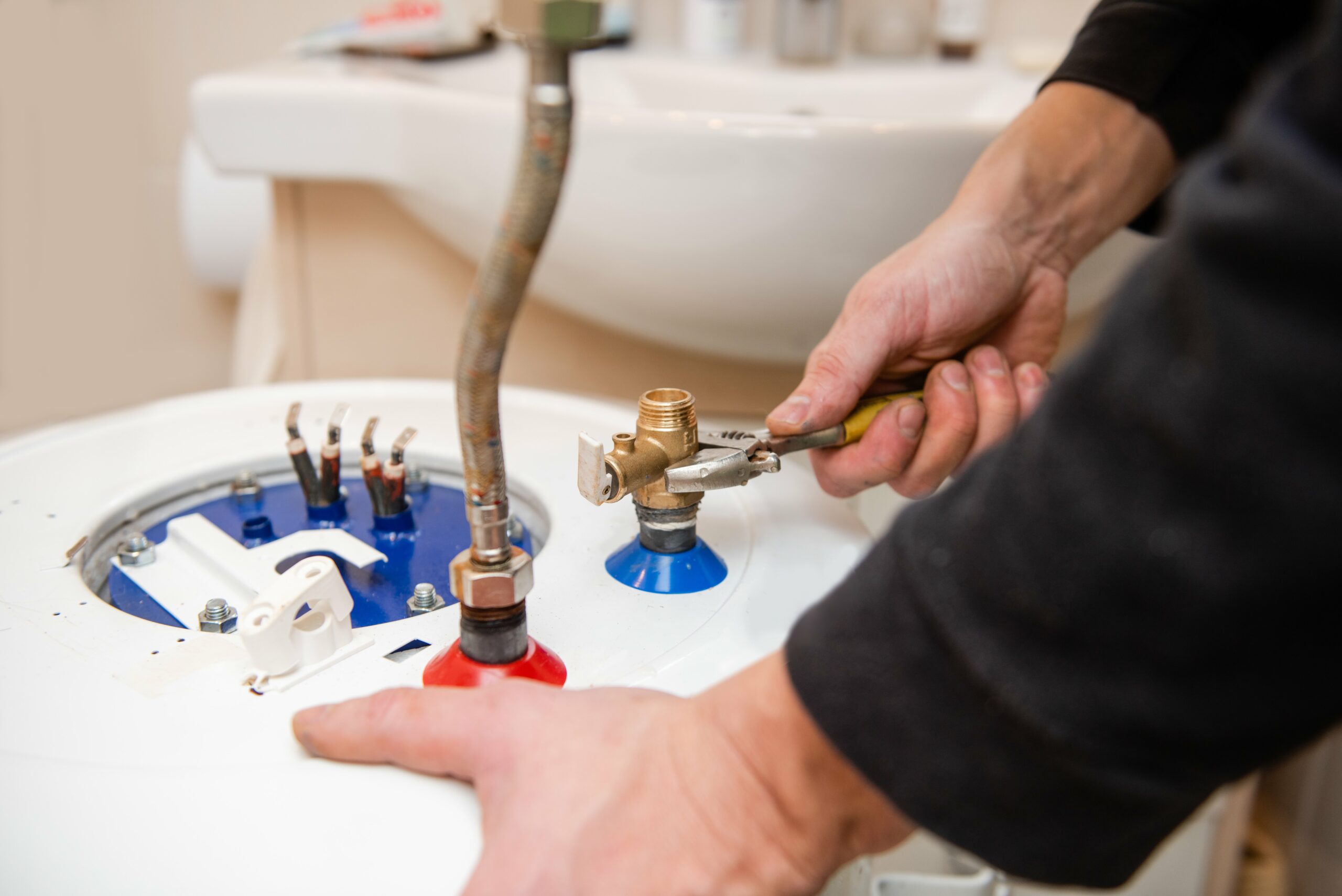
When Your Water Heater Reset Button Won’t Push In: What It Means and What To Do
You went to take a shower and the water was cold. So you tracked down the water heater, found the reset button, pushed it — and nothing happened. It just would not go in. That is a frustrating moment, especially if you have never dealt with this before. But here is the thing: a water heater reset button that will not depress is actually telling you something important. It is not just being stubborn. There is likely a safety mechanism doing exactly what it was designed to do, and understanding why can save you time, money, and a potentially dangerous situation.
What Is the Water Heater Reset Button and Why Does It Exist
The reset button on a water heater — sometimes called the high-limit switch or the ECO (energy cutoff) button — is a safety feature built into electric water heaters. It is usually a small red button located on the upper thermostat behind the access panel. Its job is to shut the heater down if the water temperature gets too high, typically above 180 degrees Fahrenheit. Think of it as the water heater’s emergency brake. When the system senses that something is dangerously wrong, it trips that switch and cuts power to the heating elements. That protects the tank, the plumbing, and more importantly, the people in the home.
Why the Reset Button Might Not Push In
When a reset button refuses to depress, it usually means the button is already in the reset position or that the underlying issue causing it to trip has not been resolved. If the thermal cutoff is still registering excessive heat — or if there is an electrical fault — the button physically cannot be reset because the system will not allow it. It is a safeguard, not a glitch. Some homeowners assume the button is broken. Sometimes it is. But more often, the water heater is communicating that a deeper problem exists. Trying to force the button or bypassing the reset mechanism is never a good idea and can cause real damage — or worse.

The Grounded Component Problem: A Common and Serious Cause
One of the most frequent reasons a reset button trips repeatedly — and ultimately will not stay in — is a grounded heating element. In electrical terms, a grounded element means the heating component inside the tank has developed a fault where current is escaping to the ground wire rather than flowing through the circuit properly. This is sometimes called a shorted element. It causes the water heater to overheat or behave erratically, which triggers the high-limit switch. Because the fault is continuous, the button cannot be successfully reset. The underlying electrical problem needs to be addressed before the system will function again. A grounded element is not a minor fix — it typically requires draining the tank and replacing the faulty component, which is a job best handled by a licensed plumber or appliance technician.
Other Common Causes Behind a Tripped Reset Button
Beyond a grounded heating element, there are several other issues that can cause the reset button to trip and refuse to engage. Knowing the most likely culprits helps narrow things down faster.
- A faulty thermostat that sends the wrong temperature signals and causes overheating
- A wiring issue within the unit or at the electrical panel connection
- A loose or corroded wiring connection that generates excessive heat
- A failed high-limit switch that tripped correctly once but is now worn out and will not reset
- Sediment buildup inside the tank that causes uneven heating and hot spots
Each of these scenarios requires a different repair approach, which is part of why diagnosing this kind of problem without professional help can be tricky. The symptoms overlap and some causes are not visible without disassembling parts of the unit.
Steps a Homeowner Can Take Before Calling a Professional
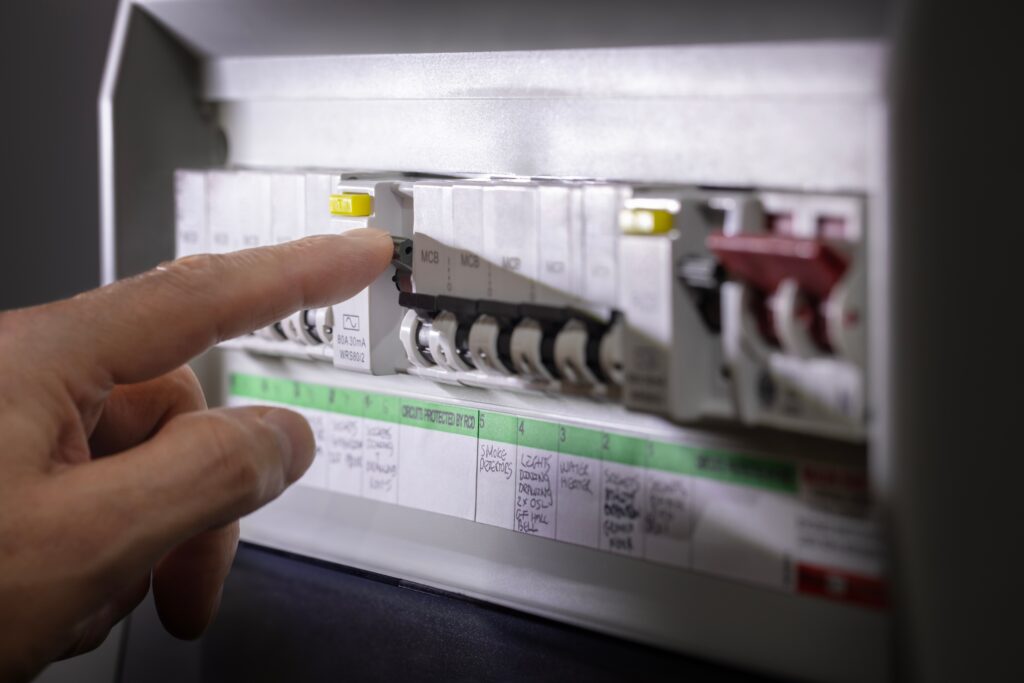
There are a few reasonable steps you can take on your own before scheduling a service call. First, cut power to the water heater at the breaker — this is non-negotiable before touching anything. Then remove the access panel, look for any obvious signs of burning, corrosion, or moisture, and try pressing the reset button firmly. If it clicks in and holds, restore power and monitor the unit. If it trips again within a short period, or if you smell burning, hear unusual sounds, or notice any discoloration on the wiring, stop. Do not keep resetting it. Repeated tripping is the water heater’s way of telling you the fix is beyond a simple button press. At that point, a qualified technician needs to diagnose the root cause.
When a Grounded Element Is Confirmed: What Replacement Involves
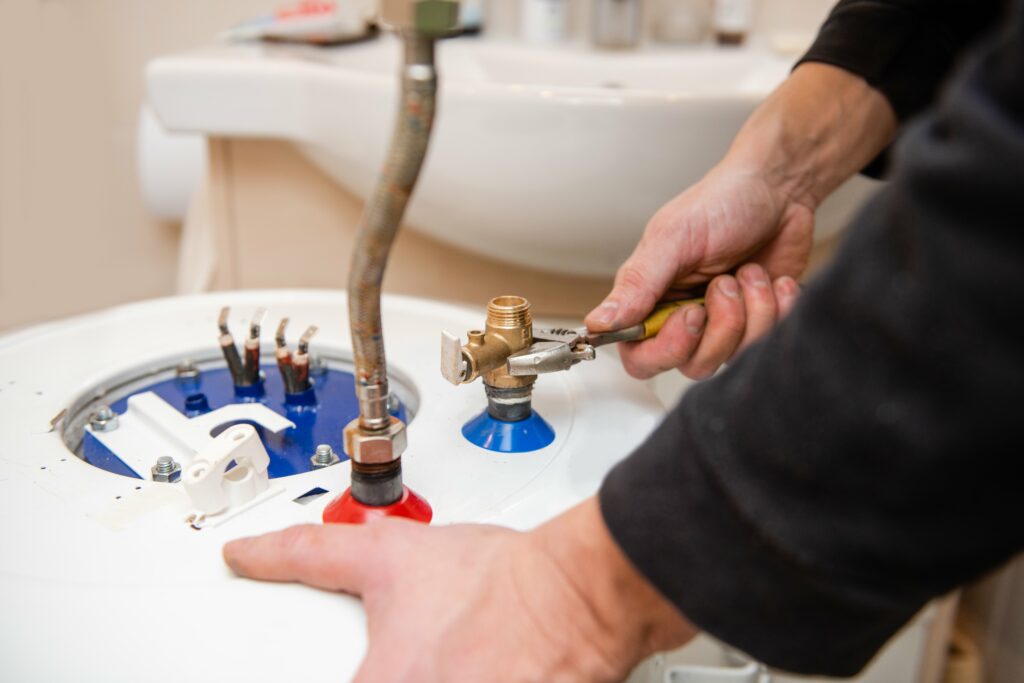
If a technician confirms a grounded heating element, here is roughly what the repair process looks like. The water heater will need to be shut off and fully drained. The faulty element is then unbolted or unscrewed from the tank — most residential units have either a screw-in or bolt-on style element. The new element is installed, the tank is refilled, and the system is tested. The process is not especially complicated for someone with experience, but for a homeowner with no plumbing or electrical background, it carries real risk. Water, electricity, and a pressurized tank are an unforgiving combination. Total repair costs for a heating element replacement, including labor, typically range from around $150 to $400 depending on the unit and your local market rates.
Home Warranty Coverage and What It Means for This Type of Repair
This is where a home warranty enters the picture in a meaningful way. A quality home warranty plan covers the repair or replacement of major home systems and appliances when they fail due to normal wear and use. Electric water heaters are commonly included in these plans, and component failures like a grounded heating element or a faulty thermostat are exactly the type of repairs a home warranty is designed to cover. Without coverage, a water heater repair or full replacement can range anywhere from a few hundred dollars to well over a thousand if the tank itself needs to go. With a plan in place, the financial exposure shrinks significantly and the process of getting a qualified technician dispatched is usually straightforward.
Why Armadillo Is Worth Considering When Your Water Heater Fails
Dealing with a water heater that will not reset is stressful, especially when you do not know who to call or what the repair is going to cost. That is where Armadillo home warranty coverage for water heater repairs and system failures makes a real difference. Armadillo offers straightforward, transparent plans with no confusing fine print, designed specifically for homeowners who want protection they can actually count on. When something like a grounded heating element causes your reset button to stop working, you should not have to scramble. You should have a plan. If you are ready to stop guessing and start protecting your home systems with confidence, you can get a free home warranty quote for water heater and appliance protection in just a few minutes. Armadillo keeps it simple, honest, and built around how homeowners actually live.

Frequently Asked Questions About Water Heater Reset Buttons and Grounded Elements
Here are answers to some of the most common questions homeowners have when their water heater reset button will not push in or keeps tripping.
Why will my water heater reset button not push in at all?
If the reset button will not depress, it typically means the high-limit switch has been tripped and the condition that caused it — such as overheating, a grounded element, or a wiring fault — has not been resolved. The button is designed to resist resetting until the underlying issue is corrected.
What does it mean when a water heater element is grounded?
A grounded element means the heating component inside the tank has developed an electrical fault, allowing current to flow to the ground wire instead of through the normal circuit path. This causes erratic operation, overheating, and repeated tripping of the high-limit switch.
Is it safe to keep pressing the reset button if it keeps tripping?
No. Repeatedly resetting a tripping button without addressing the root cause is not safe. It can lead to overheating, tank damage, or an electrical hazard. If the button trips more than once, a professional inspection is necessary.
How do I know if my water heater’s heating element needs to be replaced?
Common signs include no hot water, lukewarm water, or the reset button tripping repeatedly. A technician can test the element with a multimeter to confirm whether it has failed or developed a ground fault.
Can a faulty thermostat cause the reset button to trip?
Yes. A thermostat that fails to regulate temperature accurately can allow the water to overheat, which triggers the high-limit switch. If the thermostat is the culprit, replacing it usually resolves the recurring trip issue.
Does a home warranty cover water heater reset button issues?
Most comprehensive home warranty plans cover electric water heater failures, including component issues like faulty thermostats and heating elements. Coverage specifics vary by plan, so reviewing your contract terms is always a good step.
How long does it take to replace a water heater heating element?
For a licensed technician, the process usually takes one to two hours depending on the tank size, element type, and accessibility. The tank must be drained before the element can be safely removed and replaced.
What is the typical cost to repair a grounded water heater element?
Repair costs typically range from $150 to $400 including parts and labor, though prices vary by region and technician. If the tank itself is damaged or aging, a full replacement may be recommended instead.
Can sediment buildup cause the reset button to trip?
Yes. Heavy sediment buildup at the bottom of the tank can create hot spots, cause the heating element to overheat, and ultimately trigger the high-limit switch. Flushing the tank periodically helps prevent this issue.
Should I attempt to replace a water heater heating element myself?
Unless you have direct experience with plumbing and electrical systems, this is generally not a recommended DIY project. The repair involves draining the tank, handling electrical components, and working with pressurized water, all of which carry real risk if done incorrectly.