When Your Water Heater Thermostat Stops Working: What Every Homeowner Needs to Know
There is a specific kind of frustration that comes with stepping into a cold shower when you were expecting hot water. Or the opposite — water so scalding you jump back before you even get in. Both situations often point to the same culprit: a water heater thermostat that is not working the way it should. Most homeowners never think about this component until something goes wrong, and by then, they are already dealing with the inconvenience. Understanding how the thermostat works, what can go wrong, and how home warranty coverage fits into the picture can save you time, money, and a lot of cold mornings.
What Is a Water Heater Thermostat and What Does It Actually Do
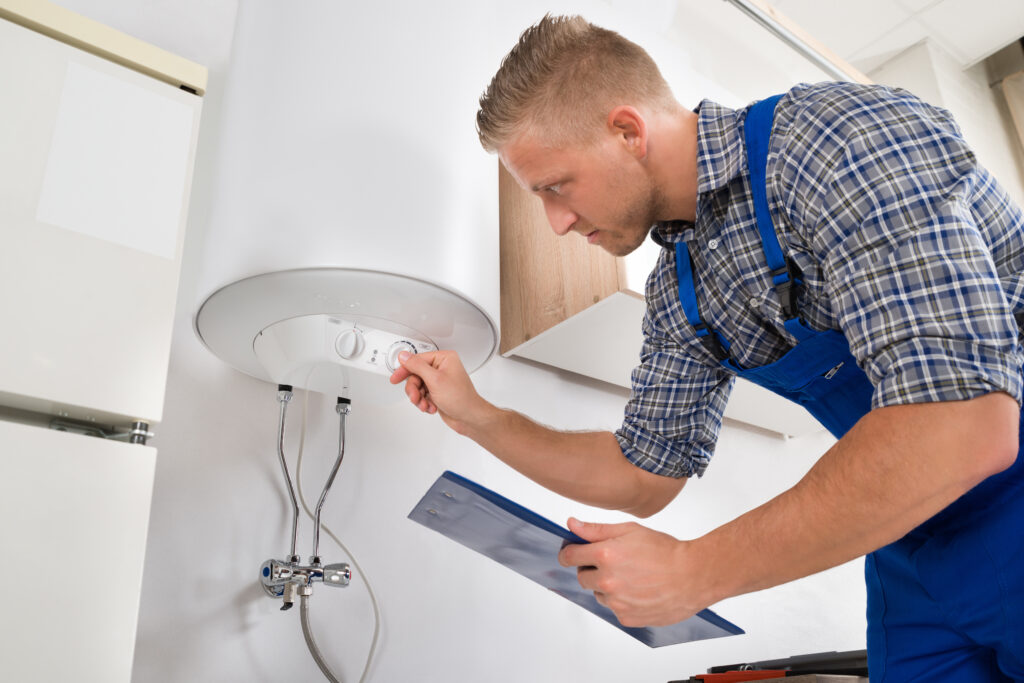
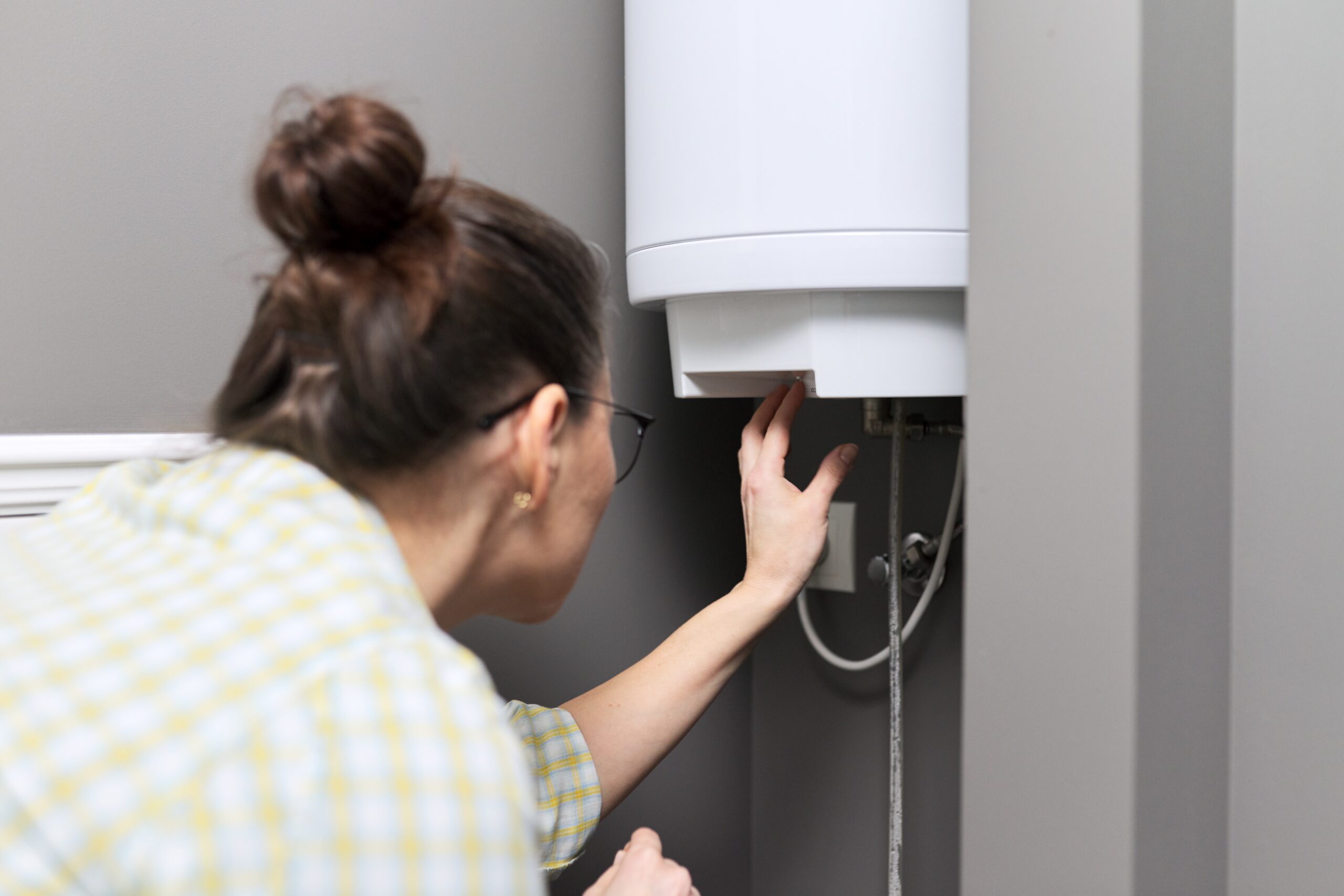
The water heater thermostat is the component responsible for regulating the temperature of the water inside your tank. Think of it as the temperature manager for your entire hot water supply. It monitors the water temperature and signals the heating element — or the gas burner, depending on your unit type — to turn on or off based on where the temperature sits relative to your set point. Most residential water heaters come with a thermostat preset between 120 and 140 degrees Fahrenheit. Electric water heaters typically have two thermostats: one upper and one lower, each controlling a corresponding heating element. Gas units generally operate with a single thermostat built into the gas valve assembly. When either type stops functioning correctly, the results range from mildly inconvenient to potentially hazardous.
How the Thermostat Controls Your Hot Water Supply
Here is where things get interesting. The thermostat does not heat the water itself — it tells the heating mechanism when to work and when to stop. In an electric water heater, the upper thermostat typically takes priority. It heats the top portion of the tank first and then hands off control to the lower thermostat once that upper zone reaches temperature. The lower thermostat then heats the remaining water in the tank. If either thermostat fails, that zone stops responding correctly. You might get lukewarm water, no hot water at all, or water that overheats because the thermostat no longer sends the signal to shut the heating element off. The coordination between these components is what keeps your water at a consistent, usable temperature day after day.
Common Signs Your Water Heater Thermostat Is Failing
Catching a failing thermostat early can prevent a minor repair from becoming a major replacement. There are several warning signs worth knowing before you end up standing in your utility room wondering what went wrong.
- Water temperature is inconsistent — sometimes hot, sometimes lukewarm, with no changes made to the settings
- No hot water at all, even after the unit has had time to recover
- Water is excessively hot, well beyond your thermostat setting
- The unit cycles on and off more frequently than normal
- You hear unusual popping or rumbling sounds coming from the tank
- The reset button on the thermostat trips repeatedly
Any one of these symptoms on its own might have another explanation. But when two or more show up together, the thermostat is a logical starting point for diagnosis. A qualified technician can test the thermostat with a multimeter to confirm whether it is functioning within proper range.
Why Water Heater Thermostats Fail in the First Place
Thermostats do not typically fail without reason. Age is a significant factor — most water heaters last between eight and twelve years, and the thermostat endures constant thermal cycling throughout that lifespan. Sediment buildup inside the tank is another major contributor. When minerals from hard water accumulate at the bottom of the tank, they insulate the heating element from the water, causing the element to overheat. That sustained heat stress degrades the thermostat over time. Power surges can also damage the thermostat’s internal components, particularly in electric units. And sometimes manufacturing defects simply reveal themselves after years of use. The thermostat is not a flashy component, but it works hard every single day, and wear is inevitable.

Can You Replace a Water Heater Thermostat Yourself
The short answer is that it depends on your comfort level and local regulations. Replacing a thermostat on an electric water heater is something a confident DIYer can potentially handle — it involves turning off power at the breaker, draining some water, removing an access panel, disconnecting wires, swapping the component, and reversing the process. That said, working around electrical components and pressurized water is never without risk. Gas water heater thermostats are a different story entirely. Because the thermostat is integrated with the gas valve on most gas units, replacement typically requires a licensed technician. Attempting that repair without the right credentials can void warranties, violate local codes, and create genuine safety hazards. When in doubt, call a professional. The cost of a service call is significantly lower than the cost of a mistake.
The Cost of Repairing or Replacing a Faulty Thermostat
Thermostat repairs are not always budget-busting, but the costs can add up quickly depending on your unit type and labor rates in your area. A thermostat component itself typically runs between fifteen and thirty dollars for electric models. Gas thermostat and valve assemblies can range from one hundred to over three hundred dollars in parts alone. Add labor — which averages between one hundred and two hundred dollars per hour for a licensed plumber or appliance technician — and a repair that seemed simple on paper starts to feel more significant. If the thermostat failure has been ongoing and caused damage to the heating elements, you could be looking at a more comprehensive repair. This is exactly where home warranty coverage becomes a relevant and practical consideration for homeowners.
How Home Warranty Coverage Applies to Water Heater Thermostat Issues
A home warranty is a service contract that covers the repair or replacement of major home systems and appliances when they fail due to normal wear and tear. Water heaters — including their internal components like thermostats — are commonly included in home warranty plans. When your thermostat stops working and a technician diagnoses the failure as a mechanical breakdown rather than improper use or pre-existing damage, a qualifying home warranty plan can cover the cost of the repair or replacement, minus your service fee. This takes a potentially expensive and stressful situation and converts it into a predictable, manageable expense. Not all plans are created equally, so reading the coverage details carefully matters. Look specifically for whether internal components are explicitly included, and whether there are limits on repair payouts for water heaters.
What to Do Right Now If You Suspect a Thermostat Problem
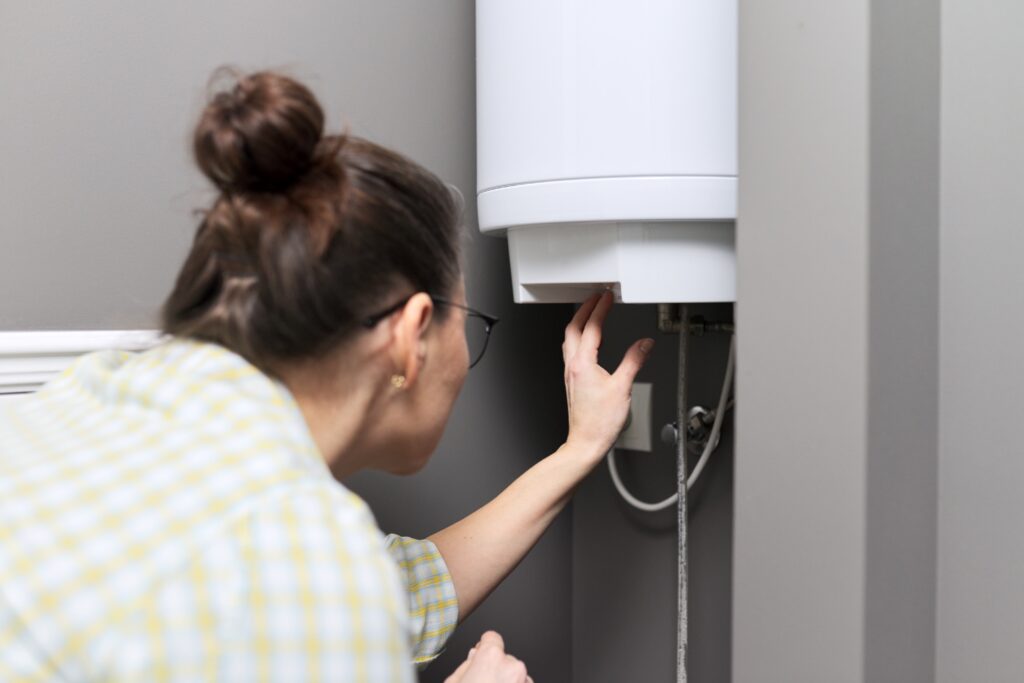
If your water heater is behaving strangely, there are a few practical steps you can take before calling for service. First, check the thermostat setting. Someone may have accidentally adjusted it, or it may have shifted. Most manufacturers recommend setting the thermostat to 120 degrees Fahrenheit for energy efficiency and safety. Second, locate the reset button on the thermostat — it is usually a small red button behind the access panel on electric units — and press it once to see if it restores normal function. If it trips again shortly after, that is a signal of an underlying issue worth investigating. Third, check for any obvious signs of corrosion or moisture around the thermostat assembly. If your water heater is more than ten years old and this is not the first repair, it may be worth evaluating whether replacement of the entire unit makes more financial sense than continued repairs.
Why Armadillo Is the Smart Choice When Your Water Heater Thermostat Fails
Dealing with a broken water heater thermostat is stressful enough without having to worry about whether you can afford the repair. That is where Armadillo’s home warranty coverage for water heater repairs and system breakdowns makes a real difference. Armadillo offers straightforward, transparent plans designed specifically for homeowners who want reliable protection without the runaround. There are no confusing exclusions buried in fine print designed to leave you holding the bill. When internal components like thermostats fail due to normal wear and tear, Armadillo is built to step in and handle it. If you are ready to stop gambling on expensive surprise repairs, take two minutes and get a free home warranty quote that covers your water heater and major home systems. Protecting your home should feel simple — and with Armadillo, it genuinely is.
Frequently Asked Questions About Water Heater Thermostat Problems
These are the questions homeowners ask most often when dealing with a water heater thermostat that is not working correctly.
How do I know if my water heater thermostat is broken or if it is something else?
The most reliable way to confirm a thermostat failure is to have a technician test it with a multimeter. If the thermostat does not show continuity when tested, it is faulty. Symptoms like inconsistent water temperature, no hot water, or a repeatedly tripping reset button are strong indicators, but a proper diagnostic test removes the guesswork.
How long does a water heater thermostat typically last?
Most water heater thermostats last between eight and twelve years, which typically aligns with the overall lifespan of the water heater itself. Factors like water quality, frequency of use, and maintenance habits can affect longevity in either direction.
Is it safe to reset a water heater thermostat myself?
Pressing the reset button on an electric water heater thermostat is generally safe, provided you do not remove panels or touch wiring. However, if the reset button continues to trip after being reset, do not keep pressing it. That repeated tripping signals an underlying problem that needs professional attention.
What temperature should I set my water heater thermostat to?
The U.S. Department of Energy recommends 120 degrees Fahrenheit for most households. This temperature is hot enough for effective use while reducing the risk of scalding and minimizing energy consumption. Households with immunocompromised individuals may benefit from a slightly higher setting, but should balance that against safety considerations.
Will a home warranty cover a water heater thermostat repair?
Most comprehensive home warranty plans cover water heater repairs, including internal components like thermostats, when the failure results from normal wear and tear. Coverage details vary by provider, so reviewing the specific terms of your plan is important before assuming a repair is included.
How much does it cost to replace a water heater thermostat without warranty coverage?
The total cost typically ranges from one hundred fifty to five hundred dollars depending on whether you have an electric or gas unit, local labor rates, and whether additional components like heating elements also need replacement. Gas thermostat assemblies tend to be more expensive than electric models.
Can a bad thermostat damage my water heater over time?
Yes. A thermostat that fails in the on position — meaning it never signals the heating element to stop — can cause the water to overheat continuously. This puts extreme stress on the tank, the heating elements, and the pressure relief valve, potentially shortening the overall life of the unit significantly.
Does sediment buildup really affect the thermostat?
Sediment buildup primarily affects the heating element and tank efficiency, but the resulting heat stress does impact the thermostat indirectly. When the element overheats due to insulating sediment, the thermal environment around the thermostat becomes abnormal, accelerating wear on the component over time. Annual flushing of the tank helps mitigate this risk.
How quickly can a thermostat be replaced once it is diagnosed as faulty?
In most cases, a qualified technician can replace a water heater thermostat in one to two hours, assuming the correct replacement part is available. Electric thermostat replacements tend to be faster than gas valve assembly replacements, which can involve additional steps and safety checks.
Is replacing the thermostat worth it, or should I replace the whole water heater?
If your water heater is under eight years old and the thermostat is the only component that has failed, a repair is almost always the more economical choice. If the unit is older, has a history of repairs, or is showing signs of tank corrosion or significant sediment buildup, a full replacement may offer better long-term value than continuing to repair individual components.