Is Your Water Too Cold or Too Hot? It Might Be the Thermostat
There is something quietly frustrating about stepping into a shower and getting hit with lukewarm water when you were expecting something closer to warm. Or the opposite — turning on a faucet and getting scalded. Neither situation is acceptable, and both often trace back to the same component: the water heater thermostat. Most homeowners have never thought twice about this small part, but it does a surprisingly important job. Understanding how it works, how to troubleshoot it, and when to call for help can save you a lot of discomfort — and money — in the long run.
What Exactly Is a Water Heater Thermostat
A water heater thermostat is the temperature-regulating control built into your water heater. It monitors the temperature of the water inside the tank and signals the heating element — or burner, in the case of gas models — to turn on or off based on the target temperature you have set. Most standard tank water heaters actually have two thermostats: an upper thermostat and a lower thermostat. Each one controls a separate heating element. The upper thermostat tends to take priority, heating the top portion of the tank first before the lower element kicks in to handle the rest. Electric and gas water heaters handle this slightly differently, but the core concept is the same. When the thermostat stops doing its job correctly, the entire system suffers.
Common Signs That Your Water Heater Thermostat Is Failing
Catching a thermostat issue early can prevent a frustrating cold morning or a sky-high energy bill. There are a handful of symptoms that tend to point directly at the thermostat rather than other components.
- Water that is consistently too cold or never reaches the set temperature
- Water that is scalding hot even when the thermostat is set to a moderate level
- Hot water that runs out unusually fast, even with light usage
- The water heater running constantly without cycling off
- Tripped circuit breakers that keep happening with no other explanation
- Visible burn marks or corrosion around the thermostat panel
If any of these sound familiar, the thermostat is a logical first place to investigate. That said, some of these symptoms can also stem from a failing heating element, sediment buildup, or a pressure relief valve issue — so a thorough check is always worthwhile before assuming the worst.
How to Troubleshoot a Water Heater Thermostat Step by Step
Before touching anything, the most important step is cutting power to the water heater at the breaker. This is not optional. Water heaters run on high voltage, and skipping this step creates a serious safety risk. Once power is off, remove the access panel on the side of the unit — there may be two panels if your heater has dual elements. Peel back the insulation carefully and locate the thermostat behind it. Most electric water heater thermostats have a reset button, often red and slightly raised. If the thermostat tripped, pressing this button may restore function. If the reset button keeps tripping, that is a sign something deeper is wrong and worth investigating further. To actually test whether the thermostat itself is functioning, you will need a multimeter. With power still off, disconnect the wires from the thermostat terminals and use the multimeter set to continuity mode. A functioning thermostat should show continuity when the temperature is below the set point. No continuity reading typically means the thermostat has failed and needs to be replaced.
The Right Temperature Setting and Why It Matters
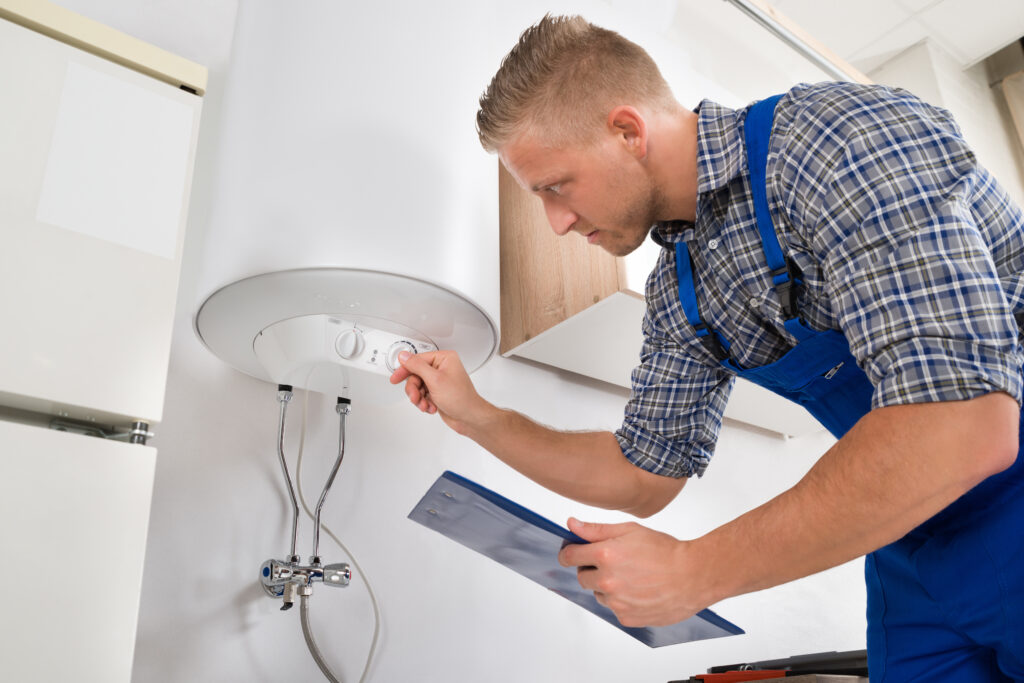
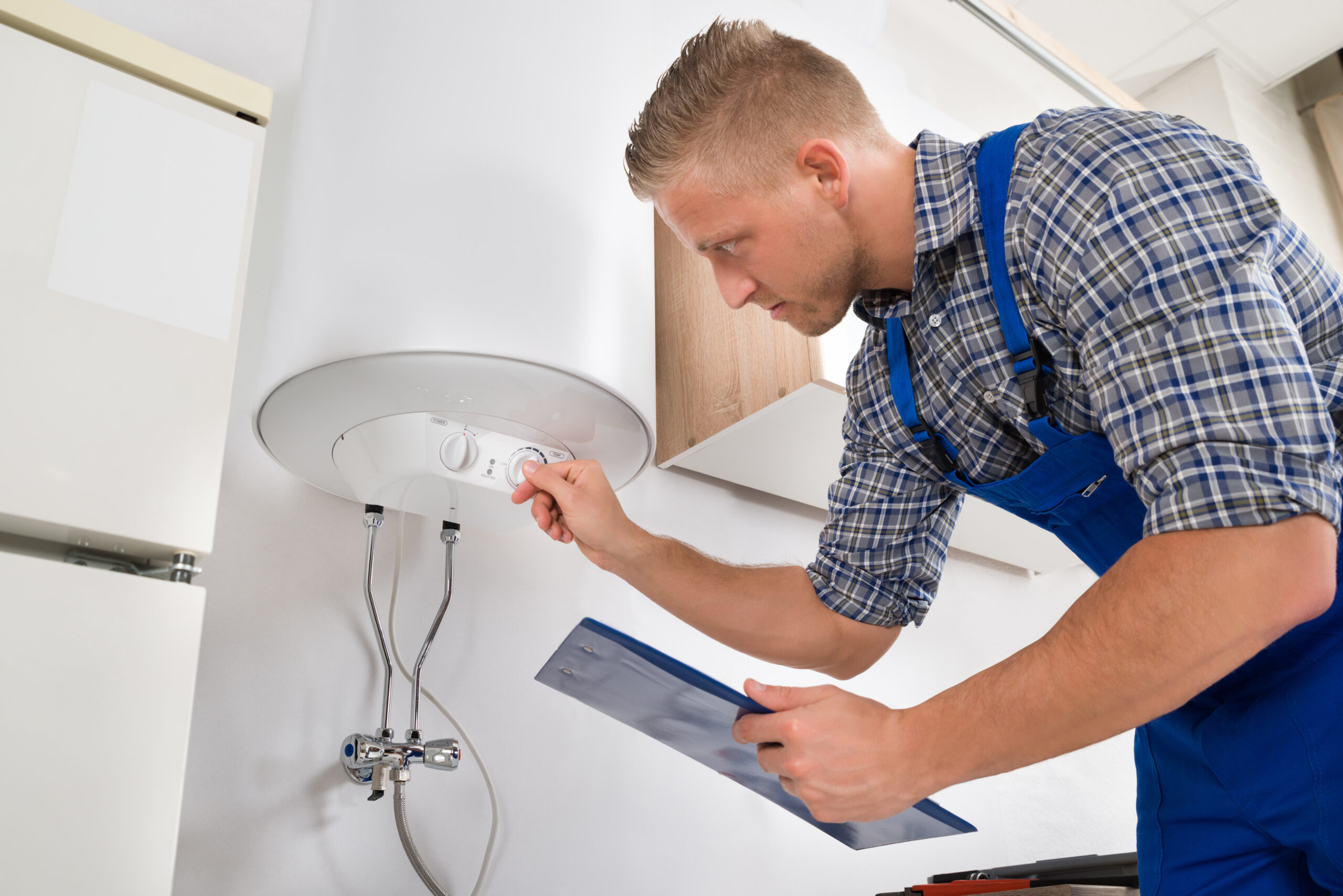
The U.S. Department of Energy recommends setting your water heater thermostat to 120 degrees Fahrenheit. This is a good balance between comfort, efficiency, and safety. Temperatures above 140 degrees put you at risk of scalding and increase energy consumption noticeably. Temperatures below 120 degrees may allow bacteria like Legionella to grow in the tank, which presents its own health concerns. Many water heaters ship from the factory set at 140 degrees, so it is worth checking where yours currently sits. Adjusting it is usually straightforward — there is a dial or a flathead screw adjustment directly on the thermostat face. After adjusting, give the heater a few hours to stabilize before testing the water temperature at the tap with a thermometer.

When a DIY Fix Is Reasonable and When It Is Not
Replacing a thermostat on an electric water heater is genuinely manageable for a homeowner who is comfortable working with appliances and follows safety steps carefully. The part itself is usually inexpensive — often between fifteen and thirty dollars — and the process involves disconnecting wires, removing the old thermostat, and snapping in the new one. The wiring connections are typically labeled or color-coded. However, there are situations where calling a professional makes more sense. If the unit is a gas water heater, thermostat issues can sometimes involve the gas valve assembly, which is significantly more complex and not a DIY project for most people. If you have already replaced the thermostat and the problem persists, the heating element itself may be the real culprit. And if your water heater is older than ten to twelve years, a repair might only delay an inevitable replacement.
Thermostat Replacement vs. Full Water Heater Replacement
This is a question worth asking honestly before spending money on repairs. A thermostat replacement is cost-effective when the heater is relatively young and otherwise functioning well. But if your unit is aging, showing rust around fittings, making rumbling noises from sediment buildup, or has already required multiple repairs, replacing the entire unit may be the smarter investment. A new water heater typically costs between eight hundred and fifteen hundred dollars installed, depending on the type and capacity. That sounds significant, but spreading repair costs across an aging appliance that will eventually fail anyway rarely adds up in your favor. A licensed plumber or HVAC technician can assess the overall condition of the unit and give you an honest recommendation.
Preventive Maintenance That Keeps Thermostat Issues at Bay
Most water heater problems, including thermostat failures, tend to develop gradually rather than appearing overnight. There are practical steps that can extend the life of your thermostat and the overall unit.
- Flush the tank annually to remove sediment that forces the heating elements and thermostat to work harder
- Test the pressure relief valve once a year to confirm it is operating correctly
- Inspect the anode rod every few years and replace it when significantly corroded
- Check the area around the thermostat panel for moisture or corrosion at least once a year
- Keep the area around the water heater clear of debris and flammable materials
These steps are not complicated, and most take under an hour when combined into a single annual maintenance session. The return on that time investment is a longer-lasting unit and fewer surprise repairs.
What a Home Warranty Actually Covers When the Thermostat Fails
This is where understanding your coverage matters. A home warranty is a service contract that covers the repair or replacement of major home systems and appliances when they fail due to normal wear and tear. Water heaters are commonly included in home warranty plans, and that coverage often extends to internal components like the thermostat and heating elements. When something fails, you contact your warranty provider, they dispatch a vetted service technician, and the repair is handled — typically for just a service call fee. The alternative is paying out of pocket for diagnosis, parts, and labor, which can add up quickly. Home warranties are not the right fit for every homeowner, but for those who prefer predictable costs and do not want to manage their own service network, they offer genuine value.
Why Armadillo Is Worth Considering When Your Water Heater Acts Up
When a water heater thermostat fails and the repair is beyond what a homeowner wants to handle alone, having the right coverage in place changes everything. Armadillo is a home warranty provider built around transparency, simplicity, and actually showing up when something goes wrong. If your water heater is covered under an Armadillo plan, a thermostat failure is not your problem to solve from scratch — it is handled through a straightforward claims process with qualified technicians. For homeowners who want to understand exactly what they are signing up for before committing, Armadillo’s home warranty plans for water heaters and major systems lay out coverage details without the usual fine-print runaround. And if you are ready to see what coverage looks like for your specific home, you can get a personalized water heater warranty quote based on your zip code in just a few minutes. Protecting a home should not feel like a gamble, and with the right plan in place, it does not have to.

Frequently Asked Questions About Water Heater Thermostat Troubleshooting
Here are answers to the questions homeowners ask most often when dealing with water heater thermostat issues.
How do I know if my water heater thermostat is broken?
The most common signs are water that is consistently too cold or too hot, hot water running out quickly, the heater running non-stop, or the circuit breaker tripping repeatedly. A multimeter test for continuity is the most reliable way to confirm the thermostat has failed.
What temperature should I set my water heater thermostat to?
The U.S. Department of Energy recommends 120 degrees Fahrenheit for most households. This setting balances energy efficiency, comfort, and safety while reducing the risk of scalding and bacterial growth.
Can I replace a water heater thermostat myself?
Yes, on electric water heaters, thermostat replacement is a manageable DIY task if you cut power at the breaker first and follow safety protocols carefully. Gas water heater thermostat issues are more complex and generally warrant a professional.
How much does it cost to replace a water heater thermostat?
The part itself typically costs between fifteen and thirty dollars. If you hire a professional for the replacement, expect to pay between one hundred fifty and three hundred dollars total depending on your location and the technician’s rates.
Why does my water heater reset button keep tripping?
A frequently tripping reset button usually indicates a failing thermostat, a faulty heating element, loose wiring, or a short circuit somewhere in the system. It should not be repeatedly reset without identifying the root cause.
Does a home warranty cover water heater thermostat replacement?
Many home warranty plans do cover internal water heater components, including the thermostat and heating elements, when failure results from normal wear and tear. Coverage specifics vary by provider, so reviewing your plan details is essential.
How long does a water heater thermostat typically last?
A water heater thermostat generally lasts between eight and twelve years, though this depends on water quality, usage levels, and how well the unit is maintained. Sediment buildup can shorten the lifespan of the thermostat by making the system work harder.
Can a bad thermostat cause a water heater to leak?
Indirectly, yes. A faulty thermostat that allows water to overheat can increase pressure inside the tank, potentially triggering the pressure relief valve to discharge water. Persistent overheating may also stress tank components over time.
What is the difference between the upper and lower thermostat on an electric water heater?
The upper thermostat controls the top heating element and acts as the primary controller. The lower thermostat manages the bottom heating element, which handles the bulk of the sustained heating. If the upper thermostat fails, you may get little to no hot water. If the lower fails, hot water may run out faster than usual.
When should I replace my water heater instead of repairing the thermostat?
If the unit is over ten to twelve years old, has visible rust or corrosion, has required multiple repairs recently, or is making significant noise from sediment buildup, replacement is often the more cost-effective choice compared to continued repairs.