Understanding Water Heaters in Rental Properties: How They Work, What to Know, and When to Protect
In any rental property—whether it’s a single-family home, a duplex, or a five-unit complex—one appliance sits quietly behind the scenes, working harder than most: the water heater. Often ignored until something goes wrong, this vital system directly impacts tenant satisfaction, property value, and operating costs. For property owners balancing tenant comfort with bottom-line efficiency, knowing how a water heater functions—and why it matters—is more than just maintenance. It’s a strategic decision.
What Is a Water Heater and How Does It Work?
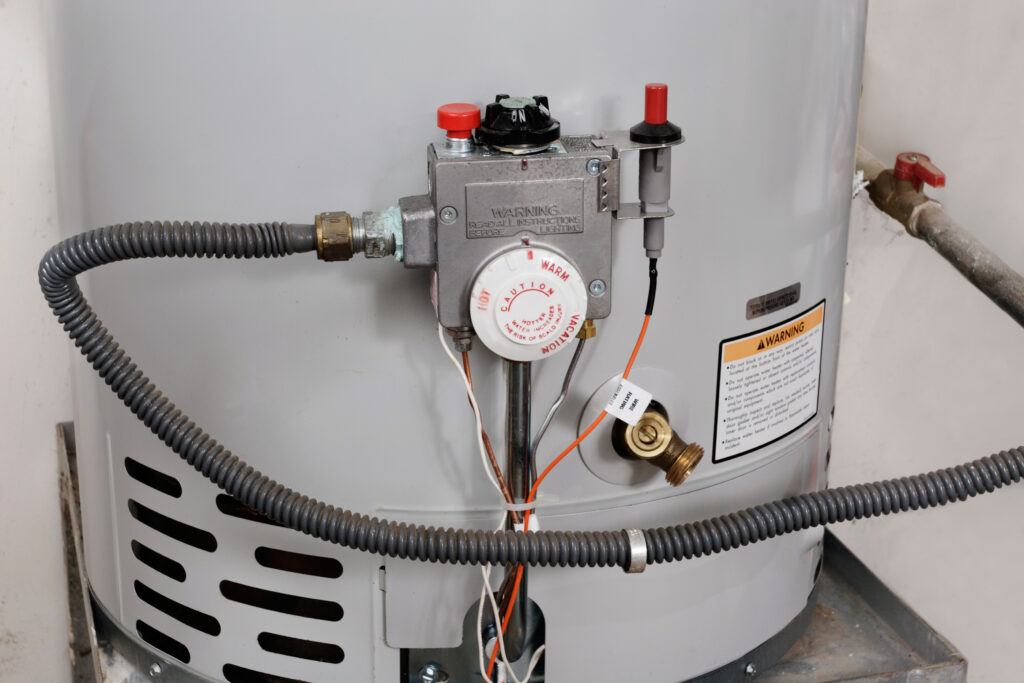
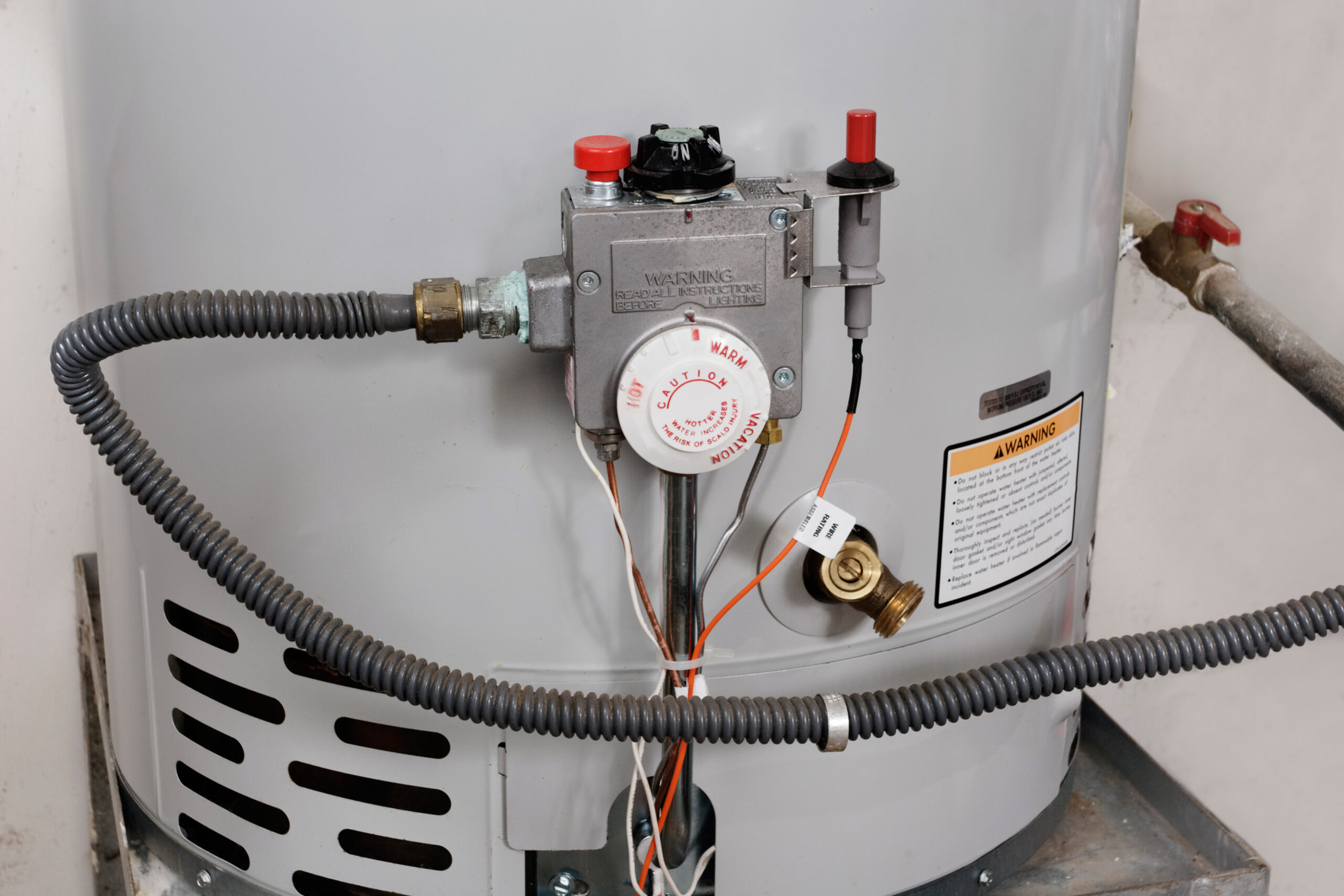
A water heater is a home appliance designed to supply hot water on demand. It does this by drawing cold water through a supply pipe, warming it using an energy source—usually electricity or gas—and storing it for use when needed. There are two main types in residential rental settings: tank and tankless.
Tank water heaters hold a reservoir—typically between 30 and 80 gallons—that maintains a steady supply of hot water. Tankless versions, by contrast, heat water on demand as it flows through the unit. Each has implications for performance, energy consumption, and durability, which makes understanding your particular model critical.
Advantages of Having an Efficient Water Heater in Rental Units
Hot water may not be glamorous, but it’s non-negotiable. An efficient water heater ensures reliable temperature control, which directly affects tenant satisfaction. Happy tenants renew leases. It’s also one of the highest energy consumption appliances in a residential property, often second only to HVAC. An upgraded, energy-smart system lowers utility bills (a win if you include utilities in rent) and minimizes repair costs over time.
Planned upgrades, like switching to a tankless system for high-turnover apartments, add market value and appeal to eco-conscious renters. Tankless models take up less space and offer a never-ending hot water supply, making them an attractive modern convenience. Meanwhile, tank models, while less expensive upfront, benefit from predictable performance when properly maintained.
Common Pain Points and Performance Issues
The biggest issue with water heaters? Out of sight, out of mind. Until they leak. Or stop heating. Or worse, burst—causing water damage and accelerated tenant drama. Traditional tank water heaters usually last about 8 to 12 years. Without routine flushing to remove sediment build-up, their lifespan shrinks significantly. Poor performance in the form of lukewarm water, strange odors, or popping noises can often be traced to simple neglect.
Tankless systems aren’t immune either. They’re more complex, require water softeners in hard water regions, and repairs generally cost more. Part failures like the flow sensor or heat exchanger can disrupt supply mid-shower without warning. That’s especially frustrating in properties housing multiple tenants, where usage spikes in the mornings and evenings.
Making the Right Choice for Your Rental Property
So, which system is right for your rental property? It depends, mostly on occupancy patterns and available infrastructure. For properties with high turnover or smaller square footage—urban apartments, for instance—a tankless system may be ideal. It’s compact, energy-efficient, and supports environmental marketing angles. However, installation is pricier, especially if you’re upgrading from a legacy setup without adjusting your gas or electrical inputs.
On the other hand, tank models are cost-effective and familiar to technicians, making them easy to maintain or replace quickly—ideal for larger buildings with existing hookups. Scheduled tenants? Predictable water usage? A classic 50-gallon tank might still do the trick, so long as it’s protected and monitored. In short: consider flow rate demands, available utility hookups, upfront cost, and expected maintenance load.
Installation and Maintenance Considerations
Installing a new water heater requires more thought than simply swapping out the old unit. For tank models, local codes often require proper pan installation, seismic strapping (in several U.S. states), and temperature/pressure relief valves. For tankless, the story becomes more nuanced. Venting, flow rate calibration, water hardness treatment—it’s not plug-and-play. Professional installation is non-negotiable.
Maintenance includes flushing tank units annually and replacing anode rods every 3 to 5 years to mitigate corrosion. Tankless units need descaling—especially if your property uses groundwater known to be hard—and should be inspected regularly for sensor accuracy and gas flow regulation.
The Role of a Home Warranty in Protecting Water Heaters
Water heater issues are among the most common—and costly—repairs that landlords face. Beyond the price tag of a new appliance, you risk emergency plumbing fees, damage mitigation, and tenant credits. A home warranty designed for rental owners steps in here as a financial and logistical buffer. Well-designed coverage includes both tank and tankless models (be sure to verify) and covers repair or replacement of covered failures due to normal wear and tear.
This shifts the burden of sudden system failures away from owners, simplifies the repair process, and gives tenants peace of mind. It also saves time—no late-night Google searches for a “reliable plumber near me”—because warranty providers work with pre-vetted technicians. When layered with HVAC and appliance warranties, it becomes a full-spectrum shield against surprise expenses.
Why Armadillo Is the Smart Choice for Landlords and Property Owners
If you manage a rental property and depend on systems like water heaters for tenant retention, the peace of mind a quality home warranty provides can’t be overstated. That’s where Armadillo steps in. At Armadillo, we offer customizable, modern home warranty plans built for how people actually live—and rent. From tank replacement to tankless repairs, our plans cover what matters, when it matters. Our process is digital, fast, and managed entirely online, giving you control without the complexity. Plus, we’ve engineered our plans with transparency, so you know exactly what’s protected.
Visit our homepage at armadillo.one to learn more about our flexible coverage options or take the first step by building a protection plan that matches your rental property’s needs at our plan builder here.